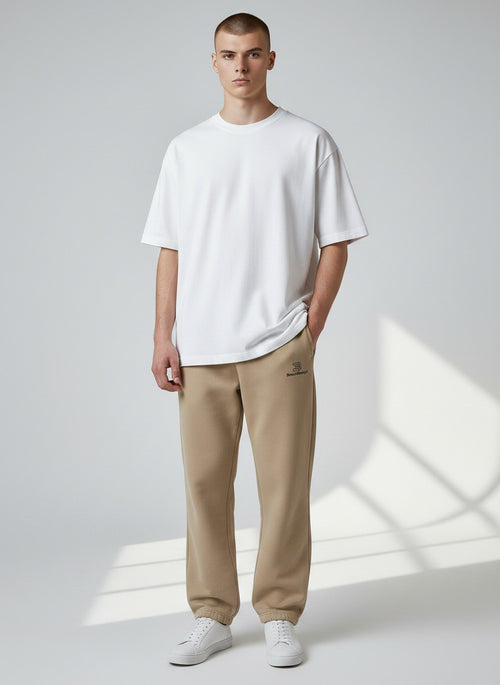
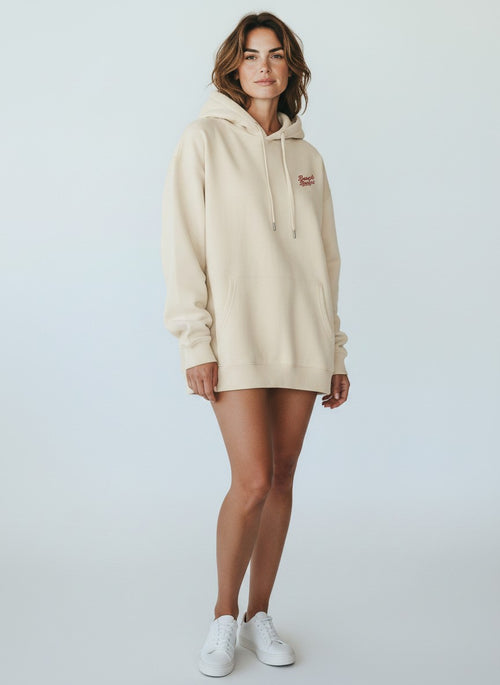
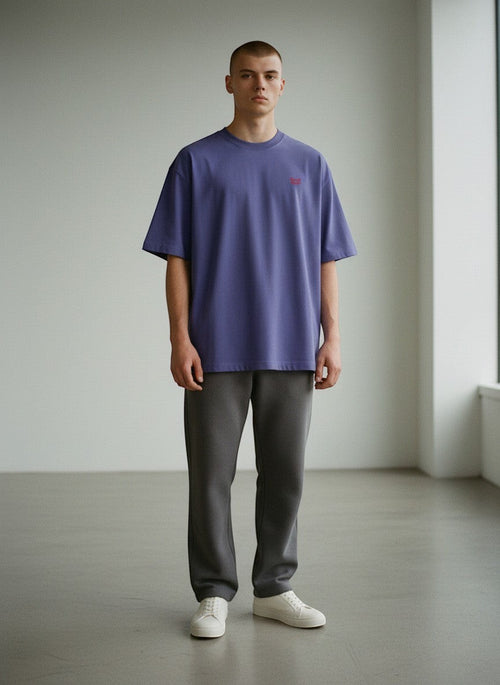
Cold washing is suitable for most everyday items. T-shirts, jeans, hoodies, colored laundry: everything is no problem at 20 to 30 degrees. Switching from 40 to 30 degrees saves a significant amount of energy per wash cycle, as confirmed by the German Environment Agency. Only one exception remains: hygienically sensitive laundry still requires 60 degrees.
In short:
- Switching from 40 to 30 degrees for the wash temperature saves over 35 percent of energy per wash cycle, which makes a noticeable difference to annual power consumption.
- For most everyday clothing such as T-shirts, jeans, and colored textiles, a wash at 20 to 30 degrees is sufficient, except for hygienically sensitive laundry, which requires 60 degrees.
- Modern detergents with enzymes clean reliably at low temperatures, with eco-programs using a longer run time to achieve cleaning performance with less energy.
- With frequent cold washing, it is advisable to clean the washing machine regularly at 60 degrees with bleach to prevent odors and biofilm formation.
- Long-term gentle care at low temperatures extends the durability of textiles, especially with organic cotton and sensitive streetwear, if the correct care is followed.
Table of Contents
- How does cold washing actually work technically?
- Energy, costs, and the environment: The figures behind cold washing
- Which clothing items are suitable for cold washing?
- When are 60 degrees really necessary?
- Which detergent and program fit cold washing?
- How does the machine stay clean with frequent cold washing?
- How does cold washing protect clothing in the long term?
- Why durable fashion benefits from gentle care
- Sustainable clothing that deserves cold washing
- Sources
- FAQ
How does cold washing actually work technically?
Modern detergents contain enzymes. These break down protein, starch, and fat even at 20 to 30 degrees, completely without heat. Surfactants take care of the rest: they detach dirt particles from the fiber and keep them in the wash liquor until the water is pumped out.
What is missing at lower temperatures, the machine compensates for over time. Eco-programs run significantly longer than short programs, and it is precisely this running time that compensates for the lack of heat. Mechanical movement, i.e., the tumbling and turning of the laundry, performs additional work that would be taken over by temperature alone at 60 degrees.
The difference between eco and short programs is often misunderstood. A short program at 30 degrees washes quickly but not very thoroughly because there is no time for the enzymes to work. An eco-program, on the other hand, consciously extends the washing time and thus achieves, as the German Environment Agency explains, a comparable cleaning performance to hotter programs, only with lower energy input.
Energy, costs, and the environment: The figures behind cold washing
The consumption values speak for themselves. A wash cycle at 30 degrees uses about 0.37 kilowatt-hours, at 40 degrees it is about 0.6 kilowatt-hours, and at 60 degrees the value rises to approximately 1.11 kilowatt-hours, as calculated by the German Environment Agency.

Over 35% energy savings result from simply switching from 40 to 30 degrees, according to the German Environment Agency. With several wash cycles per week, this adds up to a noticeable amount of saved electricity over a year, and lower power consumption also means lower CO₂ emissions, provided the electricity is not already coming from renewable sources.
Three adjustment levers further maximize savings:
- Load the machine fully, but do not overload.
- Choose eco-programs instead of standard programs.
- Dose detergent according to water hardness and the degree of soiling, advises the German Environment Agency.
Which clothing items are suitable for cold washing?
Most items in the closet tolerate low temperatures without any problems. Others continue to require heat for hygienic reasons.
Suitable for cold washing:
- Outerwear such as T-shirts, hoodies, and sweatshirts.
- Jeans and other sturdy everyday trousers.
- Colored or printed textiles that would fade with heat.
- Lightly soiled laundry without biological contamination.
Not suitable, despite the cold washing trend:
- Kitchen textiles and dishcloths, due to germ exposure.
- Washcloths and towels from daily use.
- Bed linen when someone in the household is ill.
The care label remains the most reliable source. Manufacturer information regarding material and maximum temperature takes precedence over any general recommendation.
When are 60 degrees really necessary?
Hygienically sensitive laundry is the clear edge case. This includes laundry from households with gastrointestinal infections or with people in need of care, where germs are more easily transmitted. Infektionsschutz recommends a 60-degree wash cycle with a bleach-containing heavy-duty detergent in these cases, separated from the rest of the laundry.
For normally soiled everyday clothing, however, 20 to 30 degrees together with a modern detergent is completely sufficient; boil washing is only necessary if there is an actual risk of infection, according to the recommendation.
Where textiles cannot tolerate 60 degrees, such as sensitive functional clothing, laundry sanitizers can help as a supplement. They do not completely replace the effect of heat, but they reduce the germ count in addition to the wash liquor.
Which detergent and program fit cold washing?
Detergents containing enzymes have the advantage at low temperatures because their active ingredients are specifically designed for this range. Powder detergents usually contain bleach and are therefore better suited for light-colored laundry, while liquid detergent is gentler on colors but lacks a bleaching effect.
This is how to make cold washing succeed reliably:
- Choose an enzyme-containing detergent suitable for the laundry color.
- Set the eco-program instead of a short program.
- Adjust the dosage to the load size and water hardness, as recommended by the German Environment Agency.
- Treat stubborn stains directly before the wash cycle instead of increasing the temperature.
Overdosing provides no additional benefit, the German Environment Agency notes; it only places unnecessary burden on the wastewater.
How does the machine stay clean with frequent cold washing?
Those who only wash cold permanently risk odor and biofilm in the machine. A simple routine prevents this: run a 60-degree cycle with powder-form heavy-duty detergent once a month, advises Infektionsschutz.de. Bleach in powder form works here specifically against deposits that can form with pure low-temperature washing.
In addition, it helps to leave the porthole and the detergent drawer open and dry after washing. Rubber seals should be wiped regularly, and the lint filter belongs in the normal maintenance routine. These measures cost hardly any time but prevent the typical side effects of frequent cold washing.

How does cold washing protect clothing in the long term?
Low temperatures are gentle on fibers and colors, which extends the life of textiles and thus reduces the need for new purchases, explains the Consumer Advice Center. Less thermal stress means less fiber breakage and less microfiber shedding, especially during longer eco-cycles with lower mechanical stress.
For GOTS cotton and sensitive streetwear pieces, this pays off doubly: the colors remain vibrant longer and the shape of the garments hardly changes. Those who additionally rely on air-drying instead of the dryer extend their lifespan even further.
Pro tip: Wash garments inside out; this additionally protects prints and embroidery from abrasion.
Why durable fashion benefits from gentle care
Clothing made from certified organic cotton lasts longer when treated gently. This is precisely why cold washing is well-suited for pieces that are intended to be worn for years instead of ending up in the used clothing container after one season.
Those who want to know more about appropriate care can find further practical approaches in our guide to sustainable washing and in the notes on beanie care. This is not about a specific purchase recommendation, but an objective supplement to the washing instructions.
— Ahmed
Sustainable clothing that deserves cold washing
Cold washing protects clothing best when the material is suitable for it. GOTS-certified organic cotton reacts particularly well to low temperatures because the fibers are inherently processed to be more robust than conventional cotton.

Clothing from sustainable brands like BeachBodyz often produces hoodies, sweatshirts, and oversized T-shirts from this material and is aimed at long-term use.
Those who invest in a piece that tolerates cold washing for years save twice in the end: on energy and on the next purchase.
Sources
- Washing temperatures | German Environment Agency
- Infection Protection
- Washing laundry | Consumer Advice Center
FAQ
Does it make sense to only wash cold?
For most everyday items, yes, because modern detergents also clean reliably at 20 to 30 degrees. For hygienically sensitive laundry, such as after a gastrointestinal illness in the household, Infektionsschutz.de continues to recommend a 60-degree wash cycle.
What do you wash with cold washing?
T-shirts, hoodies, jeans, and most colored everyday items are well-suited for cold washing. Kitchen textiles, towels, and bed linen when ill, however, still belong in the hot wash cycle.
What does cold washing mean for the washing machine?
Cold washing means a wash cycle at 20 to 30 degrees, often combined with an eco-program that compensates for the low temperature with a longer run time. Consumption is around 0.37 kilowatt-hours for 30 degrees, as stated by the German Environment Agency.
Why never wash at 40 degrees?
That is not accurate in such a general sense; 40 degrees remains a useful option for many applications. However, those who want to save energy will find 30 degrees to be the more efficient alternative, because the change saves over 35% electricity per wash cycle, shows the German Environment Agency.