Hydration in Sports 2026: How to Optimize Your Hydration Strategy
Hydration in sports is the decisive lever for performance, recovery, and safety—and often the reason why workouts feel so different on good versus bad days. In this guide, we show you how to precisely tailor your hydration strategy to the type of training, duration, and conditions: from pre-, intra-, and post-workout fluid management to the right quantity and intensity, as well as electrolyte replacement in heat, cold, and high sweat rates. You will learn how to individualize using simple markers (thirst, body weight, urine color), detect dehydration early, and avoid overhydration. This way, you optimize thermoregulation, cognitive performance, and muscle function—without unnecessary experiments.
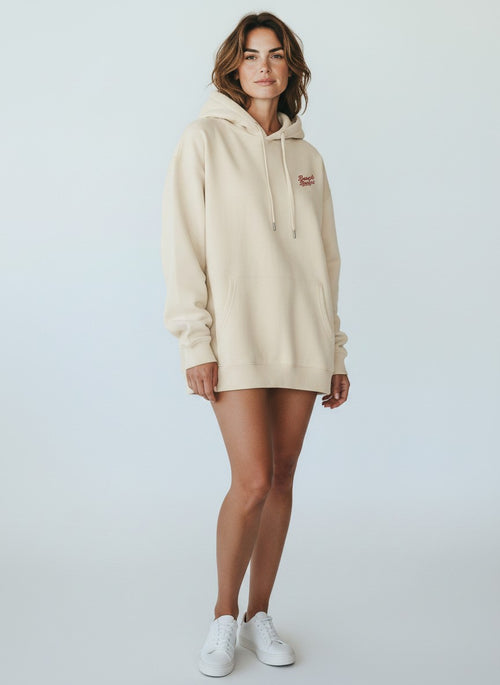
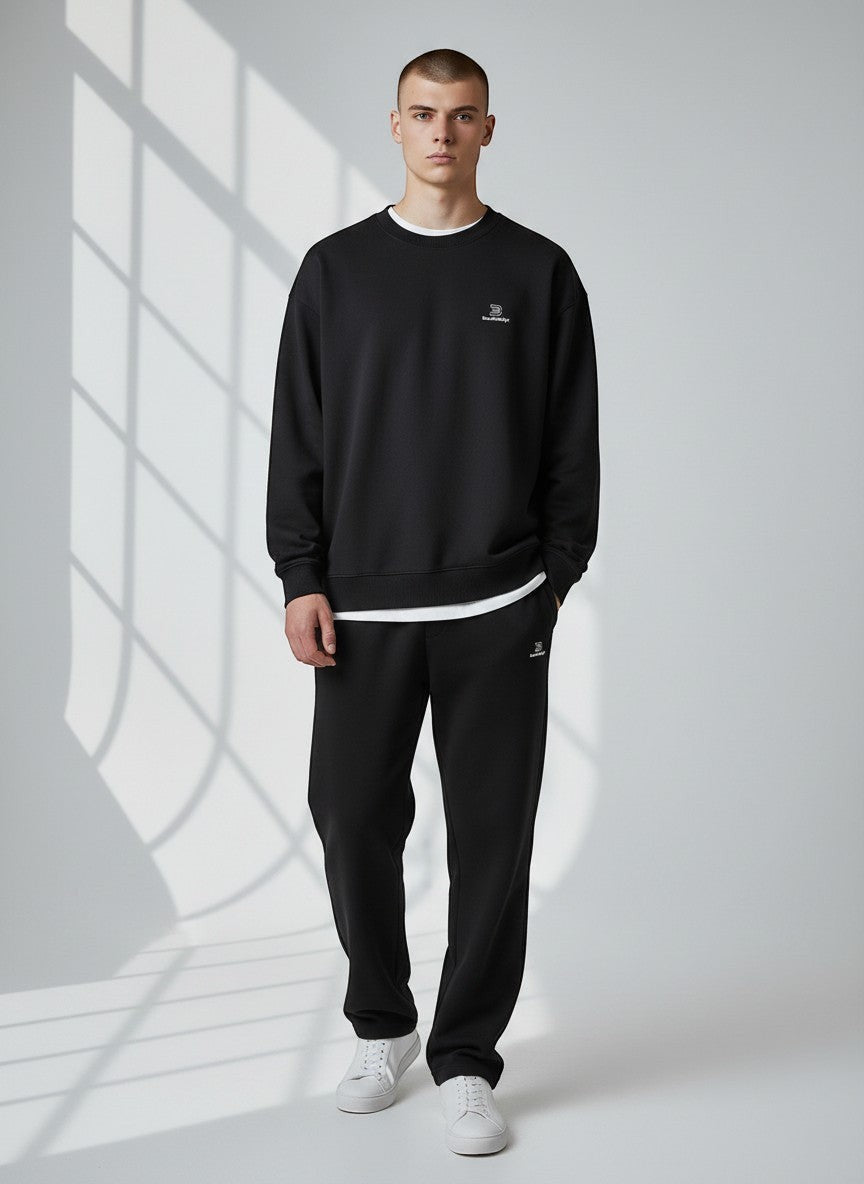
The practical benefit: clear benchmarks for different training lengths, smart timing windows, practical bottle setups, and a plan that works even on competition days. Plus: typical mistakes that cost you water, electrolytes, and performance, and how to correct them with minimal effort. For warm-ups, outdoor sessions, and trips to the gym, the Identity Oversize Sweatshirt 320g/m² keeps you in a comfortable temperature range; for changing conditions, you will find functional layers in our jacket collection. Start with a strategy that fits you—and make every sip measurably valuable.
Hydration in Sports: Drink smart – and stay warm.
Getting enough water before, during, and after training supports performance, thermoregulation, and recovery. Directly after sweating, a functional layering jacket protects against cooling down—perfect for the commute from the gym to the outdoors. 📍MADE IN EU🇪🇺 · BUILT DIFFERENT
Pro tip: Start hydrated, drink in sips (approx. 150–250 ml every 15–20 minutes), and replenish 1.2–1.5x your sweat losses after the workout.Hydration in Sports: Fundamentals, Physiology, and Performance
Water Balance, Osmolality, Thermoregulation, and Cardiovascular Strain
Performance begins with a stable water balance: even slight fluid deficits increase blood osmolality, activating thirst and the release of vasopressin, which causes the kidneys to retain water. During exercise, sweat evaporation acts as the primary cooling mechanism; if plasma volume drops due to fluid loss, heart rate and cardiovascular strain increase, while stroke volume and skin blood flow are limited—the core temperature climbs faster, and perceived exertion increases. In practical terms: provide fluid, support heat dissipation, and relieve the circulatory system. Clothing also influences the skin's microclimate. For warm-ups and cool-downs, well-thought-out layers stabilize thermoregulation—such as with the Identity Oversize Sweatshirt 320g/m², which balances breathability and heat retention. BeachBodyz is BUILT DIFFERENT—thoughtfully designed, durably crafted, and 📍MADE IN EU🇪🇺, with a focus on sustainability and materials like organic cotton wherever possible.
Sweat Rate, Sweat Sodium, and Interindividual Differences
Sweat rates vary significantly (approx. 0.3–2.5 L/h)—depending on intensity, acclimatization, temperature, body mass, and clothing. Electrolytes, primarily sodium, are lost in sweat. Its concentration in sweat is typically broadly distributed (about 400–1200 mg sodium per liter), which is why some athletes sweat much "saltier" (visible salt rims, stinging taste). These differences are training-relevant: those with high rates and salty losses benefit from targeted fluid and sodium modulation.
- Determine sweat rate: Weigh yourself before and after the session; add fluid intake, subtract toilet visits. Divide the difference by training duration → L/h.
- Plan hydration: Replace 60–80% of individual sweat rate during training; add sodium for longer sessions (e.g., 300–600 mg/L).
- Consider context: Wind/cool air increase evaporative cooling. Protective layers like the Core Windbreaker help avoid cooling down during breaks.
- Material choice: Breathable fabrics and organic cotton/GOTS support moisture management and comfort sustainably.
Performance Limits: Dehydration (≥2% Body Mass), Overhydration, and Hyponatremia
From a loss of approx. ≥2% body mass due to dehydration, measurable declines in endurance, cognitive control, and heat tolerance are common: heart rate drift increases, the relative sweat rate decreases, and the core body temperature rises faster. At the same time, overhydration—especially with low-sodium drinks—carries the risk of exercise-associated hyponatremia (headache, nausea, cramps, confusion). Prevention means balance:
- Drink by plan & thirst: Closer to individual sweat rate during hot, long sessions; more conservatively during cooler sessions.
- Include sodium: Supplement electrolytes beyond 60–90 minutes to support plasma sodium.
- Post-workout: Replenish approx. 1.25–1.5 L per kg of weight loss over several hours with sodium; meals accelerate rehydration.
- Monitoring: Aim for pale yellow urine color, track weight fluctuations.
For recovery, keeping warm without overheating is also crucial: a high-quality layer like the Essential Oversize Hoodie 400g/m² supports warming up after hard sessions—robust, comfortable, and designed for longevity. In this way, BeachBodyz combines performance and style with a clear commitment to sustainability.
Hydration in Sports: Determining, Measuring, and Personalizing Needs
Sweat Rate Tests: Pre-/Post-Weighing, Fluid and Urine Balance
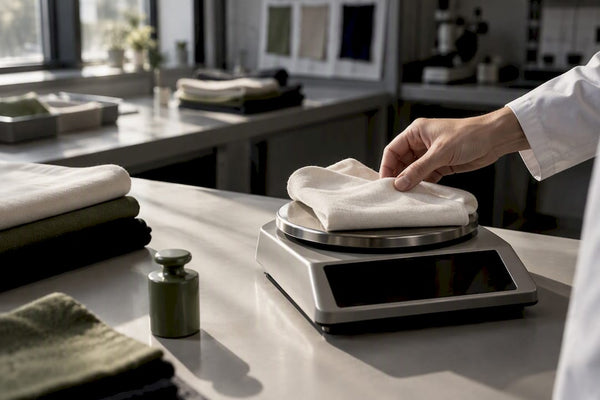
An individual hydration strategy starts with a simple sweat rate test. Procedure: weigh immediately before training (in dry clothes, after using the toilet), measure the amount of fluid consumed during the session and note any urination, then weigh again. Formula: Sweat rate (L/h) = (weight loss in kg + fluid consumed in L − urine volume in L) / training duration in h. Perform the test under different intensities, climates, and outfits to get ranges. Practical: In cooler conditions, an insulating layer like the Identity Oversize Sweatshirt 320g/m² (breathable organic cotton, durable, 📍MADE IN EU🇪🇺) can change sweat transport; document this in your notes. For sustainable performance, sweat-friendly materials made of organic cotton/GOTS and responsible manufacturing help—BUILT DIFFERENT, but conscious.
Urine Color, Specific Gravity (USG), and Plasma/Serum Osmolality
For daily hydration, urine color (pale yellow = usually well-hydrated) provides a quick reference. More objective is the specific gravity (USG) via refractometer: values ≤1.020 typically indicate sufficient hydration, ≥1.025 indicate deficits. Most precise, but laboratory-dependent, is plasma/serum osmolality (e.g., ≥290–295 mOsm/kg indicate dehydration). Combine methods situationally: check USG before important sessions, watch color in everyday life, and consult lab values if necessary for performance tests.
| Method | Accuracy | Effort/Tools | Interpretation |
|---|---|---|---|
| Urine color | Medium | Very low (color scale) | Pale to straw yellow = ok; dark = drink more |
| USG (refractometer) | High | Low (portable device) | ≤1.020 euhydrated; ≥1.025 dehydrated |
| Plasma/serum osmolality | Very high | High (lab) | ≥290–295 mOsm/kg = deficit likely |
| Pre-/post-weighing | High (for sweat rate) | Scale, log | Determines L/h for personalized hydration amounts |
Formulas and Adjustments: ml/kg/h, Sodium mg/L, Climate, Altitude, Clothing
Translate your sweat rate into practical targets: fluid intake ≈ 3–7 ml/kg/h (or 60–80% of sweat rate) to balance stomach comfort and performance. With salty sweat (visible salt rims, muscle cramps), choose drinks with 800–1200 mg sodium/L; otherwise, 300–800 mg/L usually suffice. In heat and high humidity, the sweat rate increases—test more frequently and increase cooling. At altitude (hypoxia), respiratory losses and diuretic effects are higher; plan an additional 0.2–0.4 L/day outside of training. Clothing modulates evaporation: wind and rain protection like the lightweight Core Windbreaker reduces cooling down, while heavy, insulating layers like the Essential Oversize Hoodie 400g/m² (premium quality, durable, sustainable) can dampen sweat output—adjust fluid intake accordingly. Tip: rely on sweat-absorbing, sustainable layers made of organic cotton/GOTS for warm-ups and breaks; switch to breathable outer layers for intervals. This makes performance predictable—stylish, responsible, and performance-oriented.
Hydration in Sports: Timing Strategies Before, During, and After Exercise
Prehydration: 4 h and 2 h Before Start, Sodium Loading, Gastric Tolerance
The foundation is laid before the first step: about 4 hours before exercise, ideally drink 5–7 ml of water per kg of body mass (example: 70 kg = 350–500 ml). If urine is still dark 2 hours before the start, add another 3–5 ml/kg. For long or hot sessions, moderate sodium loading can be useful: drinks with 500–700 mg sodium per liter (≈20–30 mmol/L) help stabilize plasma volume and reduce the urge to urinate. Test this during training to check your gastric tolerance—especially with carbohydrate-containing, isotonic drinks (6–8% CHO, i.e., 60–80 g/L).
Thermal load influences your fluid needs: in cool air you need less, in heat more. Smart layers make the difference—for warm-ups, the Essential Oversize Hoodie 400g/m² protects against cooling down without overheating. As a base layer, rely on skin-friendly organic cotton (where possible) from our T-shirt selection. This way, you optimize sweat management, sustainability, and comfort—BUILT DIFFERENT.
Intra-Session: Fluid Intake Control, "Drink to Thirst" vs. Planned Drinking
Two valid strategies: drinking to thirst ("drink to thirst") minimizes overdrinking; planned drinking is based on your sweat rate. Determine it by weighing: (before–after) + drunk – urine = loss. 1 kg loss ≈ 1 liter of sweat.
- Short <60 min: Thirst-guided drinking usually suffices; water is enough.
- 60–150 min: 0.4–0.8 L/h, toward the upper end in heat/high intensity; 30–60 g CHO/h and 300–600 mg sodium/L support performance.
- >150 min: With high sweat rates, potentially 0.6–1.0 L/h; CHO up to 60–90 g/h (mix of glucose/fructose), sodium 500–700 mg/L. Avoid overhydration (hyponatremia risk).
Practical: Smaller, regular sips (every 10–15 minutes) are often better tolerated than large bolus doses. Adjust intake according to weather, intensity, clothing, and stomach. Light, breathable midlayers like the Identity Oversize Sweatshirt 320g/m² help to find the sweet spot between warmth and ventilation—📍MADE IN EU🇪🇺.
Rehydration: Replenishing 125–150% of Loss, Sodium/Glucose for Retention
After training, the rule is: what's out must come back in—and a little more. Replace 125–150% of your fluid loss over 2–4 hours (example: 1.0 kg loss → drink 1.25–1.5 L). Sodium is the key to retention: 20–30 mmol/L (≈460–690 mg/L) in drinks or salty foods (e.g., broth, olives, salted nuts) reduces diuresis. Moderate glucose intake (2–4% in rehydration drinks or via snacks) accelerates water absorption via sodium-glucose cotransport.
Avoid very sugary drinks immediately after extreme endurance efforts if you are nauseous; start with sodium-rich, mild fluids and increase carbohydrates gradually. Also, pay attention to warmth: put on a dry layer like the Identity Oversize Sweatshirt 320g/m² after the cool-down to prevent cooling down—premium comfort, designed for longevity. For particularly cool days, heavier 400g/m² quality offers additional warmth and feels sustainably good thanks to durable materials.
Hydration in Sports: Drink smart, perform longer 💧
Drinking regularly (approx. 200–300 ml every 15–20 minutes) stabilizes the circulatory system and concentration. Functional layers support your thermoregulation, keeping you dry and focused—ideal for training and competition.
📍MADE IN EU🇪🇺 — BUILT DIFFERENT
Drinks, Electrolytes & Carbohydrates: Selection, Mixture, and Tolerance
Water vs. Hypotonic/Isotonic Drinks, CHO 3–8%, Osmolality and Gastric Emptying
For sessions up to approx. 60 minutes, water is often enough. As soon as intensity, heat, or duration increase, hypotonic (fast fluid absorption) or isotonic drinks (energy supply) are useful. The goal is 3–8% carbohydrates (30–80 g per liter): hypotonic toward the lower end (3–5%), isotonic usually at ~6%. A mix of glucose/maltodextrin and a little fructose (e.g., 2:1) improves absorption when needs are higher. Osmolality controls gastric emptying: hypotonic solutions leave the stomach faster, hypertonic (>8–10% CHO) delay emptying, pull water into the intestines, and promote gastrointestinal issues. Practical: drink 400–800 ml/h in small sips, adjust concentration to sweat rate, climate, and intensity, and avoid hypertonic drinks (e.g., pure juice, syrup) before exercise.
Sodium 300–800 mg/L (higher for heat/"salty sweaters"), Roles of Potassium/Magnesium
Sodium stabilizes plasma volume, promotes intestinal water absorption, and prevents hyponatremia. In practice, 300–800 mg sodium per liter have proven successful; in heat, with high sweat rates, or for "salty sweaters" (visible salt crusts, burning eyes, very salty taste), significantly more may be required. Potassium supports intracellular fluid distribution, magnesium supports neuromuscular function. Do not overdo supplements—high single doses, especially of magnesium, increase GI risk.
- Sodium: 300–800 mg/L as a basis; higher in heat/high losses.
- Potassium: moderate (e.g., 200–300 mg/L) as a companion.
- Magnesium: small amounts, as high doses can have a laxative effect.
Caffeine, Alcohol, Diuretics
Caffeine (approx. 1–3 mg/kg before or during) can improve performance perception and focus without causing clinically relevant dehydration if habituated. However, be mindful of the total amount from gel, drinks, and coffee to avoid heart palpitations and stomach problems. Alcohol hinders recovery, has a diuretic effect, and worsens rehydration—taboo after hard sessions. Diuretics (medically) increase urine output and require a coordinated fluid/electrolyte strategy in consultation with professionals.
GI Tolerance, Temperature, Taste & Compliance
Tolerance determines performance. Test mixtures during training: low carbonation, moderate sweetness, and a drinking temperature of 8–15 °C improve absorption and willingness to drink. For a sensitive stomach, hypotonic solutions, frequent small sips, and a gradual increase in carbohydrates help. Clothing also influences sweat rate and thermoregulation: breathable layers maintain the balance between cooling and wind protection. For warm-ups and cool-downs, the Identity Oversize Sweatshirt 320g/m² (📍MADE IN EU🇪🇺) made of soft organic/GOTS-certified cotton is a sustainable, skin-friendly option. When it’s windy and cool, the Motion Softshell Jacket provides protection, while the Essential Oversize Hoodie 400g/m² offers premium quality to retain heat after your session. This ensures your hydration strategy fits your everyday life—from taste to comfort. BUILT DIFFERENT here means: smart drinks, clever layering, and conscious sustainability for consistent performance.
Hydration in sports across disciplines, climate zones, and target groups
Endurance, team, and strength sports
Endurance, team, and strength sports
Hydration is sport-specific: endurance athletes often lose 0.5–1.5 l of sweat per hour; team athletes oscillate between sprints and breaks depending on intensity; strength sports focus on shorter blocks, but the need increases in hot gyms. Best practice: weigh yourself before and after – a 1 kg difference corresponds to approx. 1 l of fluid. The goal is to allow a maximum body mass loss of 2 % during the session, incorporate electrolytes (especially sodium), and test stomach tolerance.
Ultra/Marathon vs. HIIT/Strength
For marathons/ultras, steady intake is key (approx. 0.4–0.8 l/h; depending on sweat rate) with 300–600 mg of sodium/l and moderate carbohydrates. In HIIT/strength, a solid pre-hydration and small sips between sets are often sufficient; electrolytes are important during long MetCon sessions. After intense blocks: rehydrate at a ratio of 1.25–1.5 l per lost kilogram of body mass to compensate for ongoing losses and diuretic effects.
Heat, cold, altitude, humidity
Heat & high humidity increase sweat rates, though evaporation works less effectively in humid air – sodium and cooler drinks help. Cold reduces the sensation of thirst and promotes cold diuresis; warm, slightly salty drinks and layering are sensible. Altitude increases respiratory fluid loss – counter with regular, small amounts and electrolytes.
Acclimatization and cooling strategies
Heat acclimatization (7–14 days) lowers heart rate, core temperature, and sodium loss. Pre-cooling (cool drinks, ice slush), head/neck cooling during, and post-cooling accelerate recovery. Functional clothing supports thermoregulation and thus your hydration plan: breathable layering with the Identity Oversize Sweatshirt 320g/m² as a midlayer and a light shell like the Motion Softshell Jacket reduces heat buildup or wind chill – robust, sustainably designed, 📍MADE IN EU🇪🇺 and BUILT DIFFERENT.
Women, youth, masters
Women often sweat later and sometimes less, and sodium concentration can vary depending on the cycle – an individual test (weighing, observing salt content on clothing) is worthwhile. Adolescents produce less sweat, overheat faster, and require planned drink breaks. Masters athletes often have a lower sensation of thirst and altered kidney function – fixed drinking windows and electrolyte management are particularly effective here.
Weight classes, low-carb/keto, illness/medication
Dehydrating for weigh-ins reduces performance and increases risk; only minimal, short-term reductions are manageable. Low-carb/keto reduces glycogen stores and thus bound water – increase baseline fluid and sodium. With fever, gastrointestinal issues, diuretics, or NSAIDs, the demand or risk for hyponatremia/dehydration increases: consult a doctor, supplement electrolytes specifically, and adjust exertion levels.
- Before each block: clear drinking plan (amounts, sodium, stations), test during training.
- Adjust to the environment: use warm midlayers in the cold; the Essential Oversize Hoodie 400g/m² offers heavy premium quality, warms reliably, and supports sustainable layering.
- Material-conscious: organic/GOTS-certified cotton, durable fabrics, and short supply chains stand for sustainability – performance and comfort go hand in hand.
Tip: In variable conditions, the Motion Softshell Jacket as an outer layer combined with the Identity Oversize Sweatshirt 320g/m² offers breathability and protection – ideal for keeping sweat management and hydration plannable.
Conclusion
Hydration in sports is not a detail, but a measurable performance lever. Plan it strategically throughout the entire session: consume 5–7 ml of water per kg of body weight about 4 hours before training; if urine is dark, drink another 3–5 ml/kg 2 hours beforehand. During exertion, orient yourself toward intensity, climate, and your sweat rate: around 0.4–0.8 liters per hour. For longer sessions (>60–90 minutes), 30–60 g of carbohydrates and 300–600 mg of sodium per hour are useful. The goal is to keep weight loss caused by sweat under 2% – avoid weight gain during training (hyponatremia risk). Monitor signs of thirst, elevated heart rate, and declining performance, and intervene in good time.
After the workout, replace 125–150% of the fluid deficit within 2–4 hours, ideally with sodium-containing drinks or food. Use a scale and urine color as feedback and adjust intake based on heat, altitude, and clothing. Breathable layers support thermoregulation – from the functional T-shirt to the protective jacket. For uncomplicated layering and consistent heat management, our Identity Oversize Sweatshirt 320g/m² makes a strong statement – BUILT DIFFERENT.
- Determine your sweat rate: weigh yourself before/after, note the difference and conditions.
- Establish a drinking plan per session (amount, sodium, carbs) and adjust it.
- Pack the bottle for the next session and test – fine-tune iteratively.
Conclusion: Hydration in sports – drink, recover, stay warm
Sufficient fluids and electrolytes support thermoregulation, performance, and recovery. After intense sessions, functional outerwear prevents unnecessary heat loss – allowing your body to focus better on rehydration.
- Motion Softshell Jacket – windproof, breathable, ideal for cool-downs.
- Signature Fleece Jacket – cozy warmth, effective moisture transport.
- Core Windbreaker – ultralight layer for variable weather.
📍MADE IN EU🇪🇺 • BUILT DIFFERENT
Frequently Asked Questions (FAQ)
How much should I drink before running and exactly when?
Generally, drink 5–7 ml of fluid per kg of body weight 4 hours before starting. If urine remains dark or scarce, drink an additional 3–5 ml/kg 2 hours beforehand. Prefer water or a drink slightly rich in sodium. Immediately before heading out, drink 150–300 ml depending on thirst. Avoid feeling full; test the amounts during training. Coffee counts, but can irritate sensitive stomachs.
How much should I drink per hour during a marathon to optimize performance and safety?
Aim for 0.4–0.8 liters per hour, depending on temperature, pace, body size, and sweat rate. Drink so that your body weight does not increase; 0–2% loss is tolerable. Prefer drinks with 20–30 mmol sodium/L (approx. 460–690 mg) and 30–60 g carbohydrates per hour. Practice your hydration scheme in training and use a scale to validate the individual amount.
Is water enough during sports or do I need electrolytes and carbohydrates for longer sessions?
For sessions up to 60–90 minutes at moderate intensity, water is usually sufficient. If training lasts longer, is very sweaty, or takes place in the heat, electrolytes are sensible: 20–30 mmol sodium/L (approx. 460–690 mg). During endurance exercise, 30–60 g of carbohydrates per hour (up to 90 g for ultras) to support energy and fluid absorption. Test tolerance early on.
How do I recognize dehydration during training and when does performance noticeably suffer?
Early signs are thirst, dry mouth, dark urine (not straw-yellow), headaches, dizziness, cramps, and elevated heart rate. A loss of >2% of body weight is proven to impair endurance, strength, and cognitive performance. Check your urine color in the morning and weigh yourself before/after sessions. Drink purposefully according to a plan rather than just "a lot"; over-drinking carries hyponatremia risks.
Does coffee before training deprive the body of water or does it count toward the daily fluid balance?
Moderate amounts of coffee or tea count toward fluid intake. Caffeine has a mild diuretic effect, but at 3–6 mg/kg it usually does not lead to net dehydration. Many athletes even use caffeine to enhance performance. Tolerance varies: for sensitive stomachs, heat, or very long sessions, plan for additional water and electrolytes. Test timing and dosage in training, not on race day.
How do I calculate my individual sweat rate and create a suitable hydration plan?
Weigh yourself nude before and after a 60-minute session. Sweat rate = (weight loss in g + ml consumed − ml urine) / 60 min. Example: −800 g + 500 ml = 1,300 ml/h. Goal: replace 60–80% of this during exertion, the rest afterward with 1.25–1.5 L per kg of weight loss plus sodium. Re-test conditions (heat, altitude) regularly.
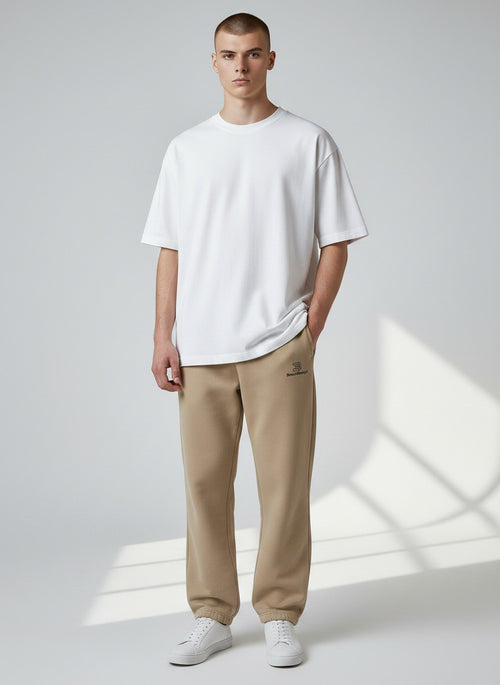
Matching items from BeachBodyz – BUILT DIFFERENT
Discover our premium streetwear made of organic cotton, crafted with attention to detail – 📍MADE IN EU🇪🇺: