Post-Strength Training Recovery: Sleep, Deload, and Muscle Growth 2026
In 2026, post-strength training recovery is the crucial lever between linear progress and stubborn plateaus. Anyone looking to reliably increase hypertrophy, strength gains, and performance needs a professional strategy for sleep, deload, and active recovery. In this comprehensive BeachBodyz guide, we consolidate the latest insights from training physiology and practice – understandable, directly applicable, and with a focus on what makes you BUILT DIFFERENT. Whether you dominate on competitive stages or chase your personal best in the gym: with the right post-strength training recovery, you multiply your training output, reduce injury risks, and accelerate your muscle growth sustainably.
The good news: post-strength training recovery is no mystery. It follows biological principles that you control with sleep quality, smart periodization (deload), and precise nutrition. Add to that monitoring – from HRV to RPE – so you're not guessing, but managing. BeachBodyz stands for performance aesthetics that combine function and style: MADE IN EU and BUILT DIFFERENT. Let's dive deep and elevate your post-strength training recovery to the next level.
For warm muscles after lifts: reach for the Authentic Oversize Hoodie 350 gsm – Organic Cotton and the Authentic Sport Joggers – Gold Embroidery. Soft, durable, MADE IN EU – ideal for active recovery and the way to the gym.
1) Why Post-Strength Training Recovery in 2026 Decides Between Victory and Stagnation
The Physiology Behind Growth: Utilizing Supercompensation Correctly
Post-strength training recovery is the period during which you benefit from the training stimulus. Strength training causes microtrauma, depletes glycogen stores, and challenges your central nervous system (CNS). During recovery, supercompensation occurs: your body rebuilds structures more robustly than they were before. This process largely depends on protein synthesis, cell hydration, energy status (ATP), and hormonal milieu. If you approach post-strength training recovery without a plan, the stimulus dissipates or accumulates into fatigue. With clean periodization, sleep hygiene, and nutrient timing, you shift the balance towards growth – sustainably and measurably.
Hypertrophy Window and Protein Synthesis
After mechanical tension, muscle protein synthesis (MPS) increases for several hours. The extent and duration are dependent on training and nutrition. Protein-rich food (0.4 g/kg per meal, 3–5 servings/day) and sufficient energy ensure that post-strength training recovery results in actual tissue growth. A negative energy balance can inhibit MPS, while a slight surplus provides the building blocks. Carbohydrates support glycogen resynthesis and training tolerance. Without sleep, the efficiency of these processes drastically decreases.
CNS, Tendons, Fascia: More Than Just Muscles
Post-strength training recovery affects more than just muscle fibers. Your CNS controls recruitment, coordination, and perception of intensity. Tendons and connective tissue adapt more slowly and benefit from adequate rest, isometric stimuli, and gradual load progression. Fascia need movement for fluid exchange. A deload prevents cumulative micro-injuries. In short: post-strength training recovery is a systemic process – you only optimize it when all subsystems are considered.
2) Optimizing Sleep: The Biggest Lever for Post-Strength Training Recovery
Sleep Architecture and Growth Hormone
Deep NREM phases accelerate post-strength training recovery. Here, growth hormone peaks are favored, tissue repair is prioritized, and neural networks are restructured. REM sleep supports motor learning – important for technique and efficiency. Those who consistently sleep less than 7 hours roll out the red carpet for exhaustion: reduced MPS, higher pain sensitivity, lower testosterone, and higher cortisol exposure are the consequences. 7–9 hours of quality sleep in 2026 are not "nice to have," but a mandatory component if post-strength training recovery is your goal.
Sleep Hygiene: Practical Implementation
- Consistent rhythm: Fixed bedtime/wake-up time regulates your internal clock and stabilizes post-strength training recovery.
- Evening wind-down: Dim screens 60–90 minutes before sleep, warm light, stretching/breathing (4-7-8 pattern).
- Cool, dark environment: 17–19 °C, blackout, quiet room – fewer micro-waking events.
- Avoid late caffeine: Cutoff 8 hours before bedtime.
- Protein before sleep: 30–40g (e.g., casein) can support nocturnal MPS to extend post-strength training recovery.
Recovery Ritual and Comfort Layer
A fixed evening "cooldown" signals reliability to the nervous system. Warmer layers after the last set keep muscles warm and subjectively promote recovery. Discover the Oversize Hoodie Men & Women section for your pre-/post-sleep comfort – soft, heavy fabrics for maximum coziness, MADE IN EU and stylistically BUILT DIFFERENT. The right texture and fit can support your parasympathetic nervous system, which dominates post-strength training recovery.
3) Planning Deload Weeks Correctly: How to Accelerate Post-Strength Training Recovery
What is a Deload – and why it makes you faster
A deload is a planned reduction in training stress to decrease fatigue and maximize post-strength training recovery. You reduce volume, intensity, or both over 5–10 days. Goal: "unload" performance, refresh technique, relieve soft tissue, and regain mental freshness. Without a deload, you accumulate hidden fatigue – eventually, progress breaks down. With a deload, you glide over plateaus.
Types of Deloads (2026 practice-proven)
- Volume deload: 30–50% fewer sets, moderate intensity remains. Good for hypertrophy blocks.
- Intensity deload: 10–15% less load, but clean technique. Good for very heavy phases.
- Technique deload: Focus on slower eccentrics, pauses, range of motion – defuse pain triggers.
- Active recovery: Mobility, light sprints, easy cycling; post-strength training recovery benefits without complete standstill.
Comparison: Deload, Rest Day, Active Recovery, Sleep
When is a Deload Due? Early Detection Instead of Firefighting
- Performance stagnates over 2–3 sessions despite full sleep and nutrition.
- RPE increases at the same load; technique "falls apart."
- Higher resting heart rate, low HRV, increased irritability – post-strength training recovery is lagging.
- Tendon pressure/pain increases, pump and mind-muscle connection decrease.
For walks and active recovery: The Authentic Fleece Jacket – Gold Embroidery keeps you warm. And when the wind picks up, the Authentic Windbreaker – Gold Embroidery protects you. Functional, aesthetic, MADE IN EU.
4) Nutrition, Hydration, and Micronutrients for Post-Strength Training Recovery
Macros that Count
Protein: 1.6–2.2 g/kg/day, spread over 3–5 meals, provides the building blocks for hypertrophy. A protein-dominated late meal can support nocturnal post-strength training recovery. Carbohydrates: 3–6 g/kg/day depending on volume/intensity, secure glycogen and training tolerance. Fats: 0.6–1.0 g/kg/day for hormone balance and satiety, without burdening digestion. Timing is secondary to daily balance, but pre-/post-workout carbs increase performance and accelerate recovery.
Hydration and Electrolytes
Dehydration increases heart rate, lowers plasma volume, and prolongs post-strength training recovery. Drink 30–40 ml/kg/day as a baseline. Supplement sodium (especially when sweating), potassium, and magnesium. A simple heuristic: clear urine, stable morning weights, and normal thirst – then the basics are covered.
Micronutrients and Useful Supplements
- Omega-3: Can modulate inflammatory processes; pay attention to moderate dosage.
- Creatine: Supports ATP recycling and volume performance.
- Vitamin D (in case of deficiency): Relevant for muscle function/immune status.
- Sleep Support: Sleep hygiene first; supplements only if needed and after consultation with professionals.
Pro tip: Combine your nutrition strategy with comfortable loungewear on off-days. For a soft, heavy fit during recovery, check out the AUTHENTIC UNISEX DROP – performance aesthetics, durable yarns, MADE IN EU, simply BUILT DIFFERENT. Post-strength training recovery also benefits from how calm, warm, and relaxed you feel between sessions.
5) Monitoring, Mindset & Gear: Making Post-Strength Training Recovery Measurable
RPE, HRV, and Daily Form
Those who take post-strength training recovery seriously in 2026 measure it. Subjective scales (RPE/RIR) remain the gold standard in practice. Additionally, HRV provides insights into autonomous recovery. Increasing resting heart rate, decreasing HRV, and persistent fatigue signal: deload or volume adjustment needed. Document sleep duration, mood, and performance. Small data, big impact.
Stay Warm, Load Smartly
Warmth accelerates enzymatic processes and can subjectively improve movement quality. After training, layering protects against cooling down and supports post-strength training recovery. A particularly cozy option: the Authentic Fluffy Joggers – Gold Embroidery for off-days. For variable temperatures after the gym, the Authentic Zip Hoodie 300 gsm – Organic Cotton is ideal – quick to put on and take off when it gets warm or cool.
Movement Matters: Staying Lightly Active
Active recovery keeps lymph and blood moving, reduces stiffness, and accelerates post-strength training recovery. Short walks, mobility drills, or easy cycling are often sufficient. Find inspiration for dynamic looks in the MOTION UNISEX DROP. If your path leads outdoors: a light, wind-resistant layer helps keep you warm – without overheating.
Footwork & Support
Even during walks, grip and comfort count – both influence how much you move between sessions. For more options around your off-day steps, take a look at Canvas Sneakers & Streetwear Shoes. Stable footing and comfortable cushioning contribute to active recovery being fun and supporting post-strength training recovery.
6) Practice: 4-Week Blueprint for Post-Strength Training Recovery
Weeks 1–3: Build Up Load, Manage Recovery
- Training: 3–6 sessions/week, progression via sets, reps, or load.
- Sleep: 7–9 h, fixed bedtime and wake-up time.
- Nutrition: 1.6–2.2 g/kg protein; carbs according to volume (3–6 g/kg); fats 0.6–1.0 g/kg.
- Active recovery: 2–3x 20–30 min Zone 2, mobility 10–15 min after hard days.
- Monitoring: Document RPE; morning HRV/Resting HR; note daily form.
Week 4: Implement Deload
- Volume –40%, intensity –10–15% or technique focus (tempo, pauses, ROM).
- Sleep: Top priority; don't skip evening routine.
- Active recovery: Light cardio sessions and mobility.
- Mindset: Plateaus are data, not judgments. Deload is a tool that accelerates post-strength training recovery.
Periodization Across Cycles
Alternate 3:1 or 4:1 models (load to deload weeks), depending on training age and daily life. Advanced users employ flexible deloads, triggered by markers (performance decline, HRV, sleep deficits). Continuity beats intensity escapades: those who respect post-strength training recovery stay healthy longer – and build more.
Style tip to conclude the block: warm, heavy textures for the evening help you wind down. Browse the Oversize Hoodie Men & Women selection or discover the AUTHENTIC UNISEX DROP for consistent, high-quality recovery looks, MADE IN EU and uncompromisingly BUILT DIFFERENT. This way, post-strength training recovery feels like progress even outside the gym.
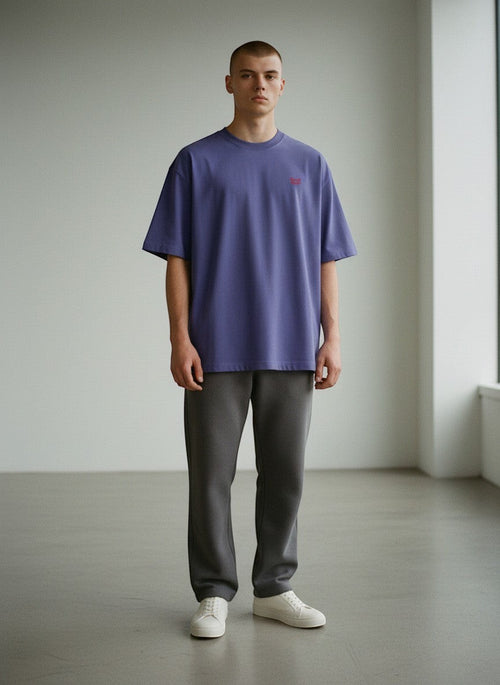
Light, breathable, and stylish: The Authentic Oversize T-Shirt 200 gsm – Organic Cotton combines comfort and durability. For your steps and active recovery: the Basic Canvas Sneakers – Unisex. Recover better, look better.
Conclusion: Post-Strength Training Recovery is Your Progress Multiplier
Post-strength training recovery is not an accessory, but the foundation of your performance development. Those who consistently prioritize sleep, cleverly plan deloads, and coordinate nutrition and monitoring accelerate growth and protect their joints. In 2026, it's not about "doing more," but about "managing correctly." Combine scientific principles with routine, comfort, and style – then you will consistently be BUILT DIFFERENT in the gym and in everyday life. BeachBodyz supports you with high-quality, durable streetwear MADE IN EU that accompanies and strengthens your recovery process – layer by layer.
Choose a light top for mobility and off-days: Authentic Oversize T-Shirt 200 gsm – Organic Cotton. Combine with stable steps with the Basic Canvas Sneakers – Unisex. Small decisions, big difference.
FAQ: Recovery after Strength Training – Frequently Asked Questions 2026
How many hours of sleep are optimal for recovery after strength training?
For most athletes, 7–9 hours per night are ideal. Not only the quantity but also the quality is crucial: consistent sleep times, cool sleeping environment, little light/screen time before bed. This maximizes hormonal and neural processes for recovery after strength training.
How often should I plan a deload week for better recovery after strength training?
3:1 or 4:1 cycles (load to deload) are proven effective. Advanced athletes can deload flexibly when markers such as stagnant performance, increased RPE, or decreased HRV occur. Goal: timely reduce systemic fatigue and ensure recovery after strength training.
What nutrition promotes faster recovery after strength training?
Protein 1.6–2.2 g/kg/day, carbs 3–6 g/kg/day, fats 0.6–1.0 g/kg/day. Sufficient calories, electrolytes, and fluids. A protein-rich snack before bed can support nocturnal MPS – a booster for recovery after strength training.
Does active recovery on rest days really help with recovery after strength training?
Yes. Light exercise (e.g., 20–30 minutes of Zone 2 cardio, mobility) improves circulation, reduces stiffness, and supports metabolic waste removal. This promotes recovery after strength training without adding new stress.
What signs indicate that my recovery after strength training is insufficient?
Warning signs: declining performance at the same load, increasing RPE, poor sleep, irritability, elevated resting heart rate, decreasing HRV, persistent muscle stiffness or tendon pain. At the latest, adjust volume/intensity or plan a deload.
Can I lose muscle during a deload if I prioritize recovery after strength training?
Not in the short term – on the contrary. A planned deload reduces fatigue, keeps technique sharp, and sets you up better for the next training block. With sufficient protein intake and sleep, you protect muscles and accelerate subsequent progression.