Agility & Mobility 2026: The Complete Guide to Greater Flexibility
Agility & Mobility in 2026 are no longer just a "stretching add-on," but a cornerstone of modern performance, health, and well-being. Whether you want to improve your hip rotation for deep squats, optimize your shoulder freedom for calisthenics training, or simply relieve back tension from everyday office life: a structured approach will give you a greater range of motion, better control in end-range positions, and a noticeably lighter feeling in your body. In this guide, we combine the latest training principles with practical routines—compact, evidence-based, and suitable for everyday use. We also provide outfit and equipment tips from BeachBodyz, because clever style creates freedom of movement. Our promise: clear tests, concrete 15/30/45-minute plans, training modules for every level—and a lifestyle setup that keeps you consistent. By the way, BeachBodyz stands for 📍MADE IN EU🇪🇺, durable quality, and premium comfort for your sessions – "BUILT DIFFERENT."
Discover Now
Smooth move, free flow: Start your mobility routine with maximum comfort.
Shop Standard Oversize Fluffy JoggersUnderstanding Agility & Mobility: Anatomy, Myths, and Goals
When we talk about agility & mobility in 2026, we mean more than just "stretching." Agility (flexibility) describes the passive range of a joint—what you achieve with external help, for example. Mobility refers to active control over that range, meaning what you can access in a stable, powerful, and coordinated manner through your own muscle work. In practice, you need both: sufficient passive range to reach positions, and active stability to use them safely. The key lies in a smart mix of mobilization, end-range strength (loaded mobility), coordination, and breathing.
Myth 1: "Long static stretching makes you weak." Just before max strength efforts, holding long stretches may dampen peak power, but in separate sessions, your movement competence increases in the long run. Myth 2: "Only yoga is enough." Yoga can be great, but it doesn't always address end-range strength and joint-specific limitations. Myth 3: "Once a week is enough." Consistency wins: Even 10–15 minutes daily bring noticeable progress as long as they are structured wisely.
Set clear goals: For example, if you want a pain-free deep squat, you need hip flexion, knee flexion, ankle dorsiflexion, and core control. For supple thoracic spine (T-spine) mobility in handstand training, you need thoracic extension, shoulder flexion, and scapular control. Define 1–2 priorities (e.g., hip + ankle), track them using simple assessments (below), and periodize your training between mobilizing (increasing range of freedom) and consolidating (strengthening new range). This creates structure and measurable progress.
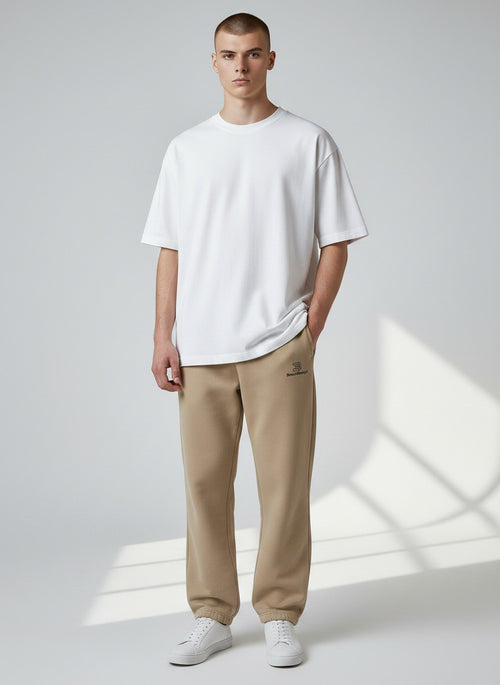
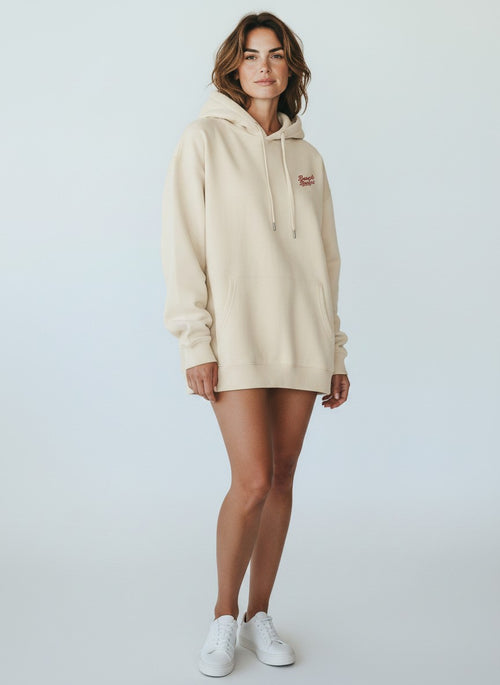
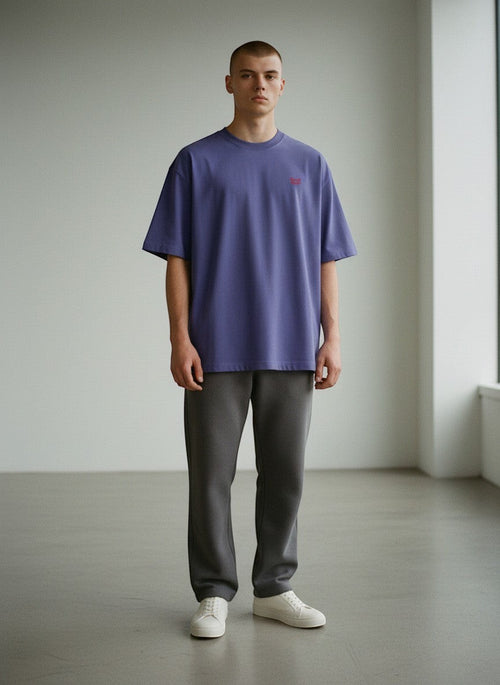
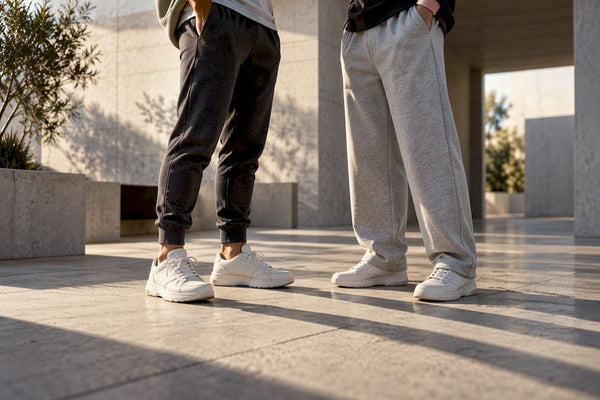
And context matters. Those who sit a lot benefit from hip openers and T-spine extension. Strength athletes should integrate end-range strength (e.g., Cossack squats, Jefferson curls). Dancers and yogis secure extreme range through isometric holds in end-range positions. With the right outfit, which offers maximum freedom of movement—like the Power Oversize Joggers 320g/m² | Organic Cotton GOTS combined with a light layer like the Standard Oversize T-Shirt 180g/m² | Organic Cotton GOTS—every flow remains free. For the trip to the studio or the cooldown phase, a warm layer like the Standard Oversize Sweatshirt 320g/m² | Organic Cotton GOTS and the Standard Oversize Zipper Hoodie 400g/m² | Organic Cotton GOTS make all the difference—comfortable, robust, 📍MADE IN EU🇪🇺.
Assessment: How to Measure Your Agility & Mobility Sustainably
Before you refine your training, you need a baseline. Assessments make progress visible, guide your focus, and provide motivation. Perform the same tests 1–2 times a month—ideally under similar conditions (time of day, warm-up). Important: Record both passive range and active control. Keep notes in an app or on paper: "What is being measured?", "How does it feel?", "Where is the body compensating?"
Squat Check (Wall Squat)
Stand with your toes 5–10 cm from a wall, feet shoulder-width apart. Perform a deep squat without your knees touching the wall. Focus on: upright torso, heels on the ground, knees in line with toes. Evaluation: can you reach parallel or lower without lifting your heels? This shows ankle dorsiflexion, hip flexion, and T-spine control. Additionally: Measure dorsiflexion separately—knee to wall, heel down; how far can you move your knee in front of the wall?
Hip and Hamstring Check (Active Straight-Leg Raise)
Lie on your back, keep one leg straight on the floor, and lift the other with an active foot. Measure how high you can lift the leg without pelvic tilt. This reveals the state of your posterior chain, active hip flexion, and core stability. Supplement with "hamstring sliders": heel on a towel, hips up, slide leg forward and back—watch for asymmetries.
Shoulder and T-Spine Check (Wall Shoulder Flexion)
Back against the wall, lower back neutral (no hollow back), arms stretched overhead toward the wall. Do your thumbs touch the wall without your back arching? Record the angle/distance. Alternatively: "Scapular wall slides"—how smoothly do the shoulder blades glide without the ribs pushing forward?
Core and End-Range Control
Evaluate your control in end-range positions: holding a Cossack position (left/right), deep lunge position with an upright torso, "pancake" sit (legs spread, torso forward). Hold for time (30–60 s) and note if the position stabilizes. This documents whether new agility & mobility is actively usable.
Pro-tip: Film yourself! You can spot small compensations (foot tilting inward, knee collapsing) better this way. And track feeling vs. numbers: Sometimes control and movement quality increase before the range is measurably greater. Stay consistent—and reward yourself for progress: A new layer like the Essential Bomber Jacket | Streetwear Premium for the trip outside keeps you warm, protected, and matches your joggers perfectly.
Training: The 4 Pillars for More Agility & Mobility
A resilient mobility system stands on four pillars: 1) controlled mobilization, 2) isometric/PNF impulses, 3) loaded mobility (end-range strength), 4) breathing/nervous system. This mix expands range, consolidates it neuromuscularly, and makes it suitable for everyday life. Depending on your goal, choose 1–2 exercises per joint, 2–4 sets, 30–90 s holds, or 6–12 controlled repetitions. Train 4–6 times per week in short units rather than infrequent mammoth sessions.
| Method | What happens | Duration/Intensity | Benefits | Notes | Outfit Tip |
|---|---|---|---|---|---|
| Dynamic Mobilization | Move joint through active, controlled range | 2–3 sets of 8–12 reps | Increases temperature, improves coordination | Moderate tempo, hold end-position briefly | Light T-Shirt + Power Oversize Joggers |
| PNF/Isometrics | Contraction in stretch zone, then relax | 3–5 cycles of 10–20 s | Neuromuscularly effective, range gains | Not to pain; keep breathing calm | Standard Oversize T-Shirt + Monster Oversize Joggers |
| Loaded Mobility | End-range strength with weight (e.g., Cossack squat) | 2–4 sets of 5–8 reps | Solidifies new range, functional for daily life | Conservative weight, focus on control | Hoodie-layer like Power Oversize Hoodie |
| Breathing/Nervous System | Calm exhalation, activate parasympathetic NS | 3–5 minutes | Reduces tension, increases stretch tolerance | Stay warm, focus inward | Standard Oversize Sweatshirt + Sweatshirt |
Example Exercises by Joint
- Ankle: Knee-to-wall dorsiflexion, slow tibialis raises, heel raises in end-range
- Hip: 90/90 switches with active pressure, Cossack squats, lizard stretch with PNF
- T-spine/Shoulder: Thoracic extension over roller, scapular wall slides, pike hangs
- Hamstrings/Core: Jefferson curls (light!), Nordic hip hinge isometrics, pancake PNF
Outfit supports technique: Freedom of movement in the hips, no pulling at the knees, good warmth in the warm-up. Here, classic jogger styles like the Monster Oversize Joggers 320g/m² | Organic Cotton GOTS or the sturdy Power Oversize Joggers 320g/m² | Organic Cotton GOTS deliver constant comfort. Add a layer like the Power Oversize Hoodie 400g/m² | Organic Cotton GOTS or the Standard Oversize Zipper Hoodie 400g/m² | Organic Cotton GOTS—sustainable, 📍MADE IN EU🇪🇺, "BUILT DIFFERENT" for sessions in the park, gym, or at home.
Programs & Weekly Plan 2026: 15, 30, and 45-Minute Setups for Agility & Mobility
Good news: progress doesn't require a 90-minute block. What counts is frequency and focus. Here are three modular plans that you can combine depending on your day and energy levels. Tip: Work with timers (interval app) to stay in the flow. And check 1–2 goal tests at the beginning (short) or at the end (retest) to feel the effect.
15-Minute Quickie (Daily Maintenance)
- 2 minutes: Breathing & reset – 4 s inhale, 6–8 s exhale, lying on back
- 6 minutes: Dynamics – 90/90 switches (2 min), cat-cows (2 min), knee-to-wall (2 min)
- 6 minutes: End-range – Cossack squat 2x6 slow, thoracic extension 2x30–45 s
- 1 minute: Retest – squat or shoulder flexion
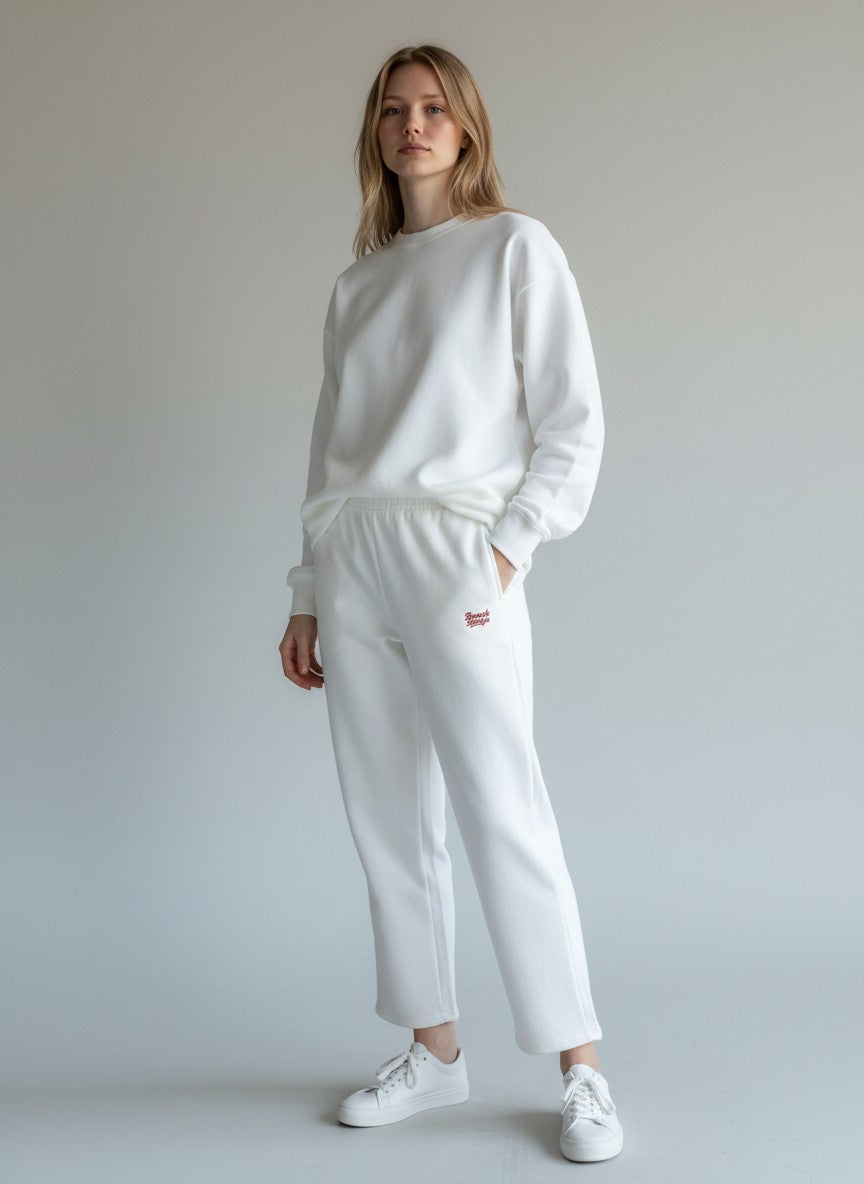
Ideal in the morning or throughout the day. Wear something that allows every movement: A loose Standard Oversize T-Shirt and the Standard Oversize Fluffy Joggers 320g/m² | Organic Cotton GOTS. This keeps the focus on quality—not on restrictive clothing.
30-Minute Progression (2–3x/week)
- 5 minutes: Warm-up – light full-body mobilization
- 10 minutes: Joint Focus A – e.g., hip: 90/90 PNF (3 cycles), Cossack (3x6), isometric external rotation (3x20 s)
- 10 minutes: Joint Focus B – e.g., ankle: knee-to-wall (3x8), heel raises end-range (3x10), tibialis raises (3x12)
- 5 minutes: Downregulation – 4–5 minutes calm exhalation, light forward fold
Increase one variable week by week: hold 5–10% longer, 1 more repetition, or go a bit deeper without losing quality. Keep the core active, breathe calmly, and use eccentric phases (slowly into the stretch) to increase tolerance.
45-Minute Deep Dive (1x/week)
- 10 minutes: Global flow – World’s Greatest Stretch, spine waves, controlled hip circles
- 15 minutes: Joint cluster – T-spine/shoulder: thoracic extension, scapular slides, pike hang + PNF
- 15 minutes: Loaded mobility – Jefferson curl light, front-foot-elevated split squat in end-range
- 5 minutes: Integration – 2–3 flow sequences that connect new range (e.g., deep squat to stand to lunge)
Finally, retest briefly: Does the deep squat feel clearer? Do the arms come over the head more easily? Track it. Reward the routine with style that grows with you: The hoodie layer Form Oversize Hoodie 400g/m² | Organic Cotton GOTS keeps you warm when breathing slows down. On top, the sweatshirt category fits perfectly for re-regeneration.
Weekly structure (suggestion): Mon/Thu 30 min (progression), Tue/Wed/Fri 15 min (maintenance), Sat 45 min (deep dive), Sun active recovery (walk, light mobility flow). Vary priorities based on assessments. Comfortable shoes and a light Essential Bomber Jacket make the way to the gym pleasant. You can find everything in Shop by Product—functional and 📍MADE IN EU🇪🇺.
More Comfort for Your Mobility Flow
Stay warm, agile, and focused—with premium heavyweight that keeps up with every pose.
Discover Power Oversize HoodieRegeneration, Lifestyle & Style: The Underrated Lever for Agility & Mobility
Agility & mobility don't just thrive on training itself. The nervous system, sleep, stress, and temperature influence how much your body "lets go." Those who are chronically stressed often breathe high and quickly—muscle tone increases, end-positions feel "blocked." Therefore: incorporate daily downregulation. 3–5 minutes of prolonged exhalation or box-breathing (4–4–4–4) after the session lowers tone and increases stretch tolerance.
Sleep and Micro-Habits
7–9 hours of sleep remains the biggest lever. During the day: micro-mobility. Get up every 60–90 minutes, incorporate 1–2 mobility moves (cat-cow, hip circles, shoulder circles). It adds up. If you sit a lot, regularly place hips in extension (lunge on a cushion) and T-spine in extension (over roller).
Warmth and Clothing
Warmth increases tissue elasticity and lets you "get into it" faster. This is where the right outfit pays off: A reliable layer like the Standard Oversize Sweatshirt or the Standard Oversize Zipper Hoodie keeps you warm between sets. During a work break, a quick change to a loose Standard Oversize T-Shirt makes sense. For lower body freedom, jogger styles like the Monster Oversize Joggers and the Power Oversize Joggers provide extra room for deep squats. All 📍MADE IN EU🇪🇺—robust, soft, "BUILT DIFFERENT" for your everyday life.
Nutrition and Hydration
No miracle cure, but solid basics: enough protein for tissue repair, omega-3 fats for inflammation balance, lots of colorful plants for micronutrients. Drink regularly; fasciae react to hydration. Especially before mobility sessions, it helps not to be "bone dry"—the ability to glide improves subjectively.
Mindset: Small Wins Count
Set micro-goals ("Hold deep squat more calmly for 30 s today"), track, celebrate. Use habit stacking: attach mobility to a routine (e.g., after coffee, before shower). Choose a "uniform" that puts you in the flow immediately—a proven hoodie like the Power Oversize Hoodie or the Form Oversize Hoodie plus the Standard Oversize Fluffy Joggers. In the hoodie and T-shirt collection, you will find your setup.
Sport-Specific Agility & Mobility: Office, Runner, Lifter, Dancer
Agility & mobility are context-dependent. The basic principles remain, but the priorities vary. Here are four profiles—pick what is relevant for you, combine if necessary.
Office/Desk Athletes
Main topics: hip flexor release, T-spine extension, shoulder opening. Micro-routine (5–8 min, 2–3x daily): lunge hold (60 s each), thoracic extension over backrest (60–90 s), scapular slides (2x10), 90/90 switches (2 min). Clothing in the office? Layers that you can put on and take off quickly: Standard Oversize Sweatshirt over Standard Oversize T-Shirt. For the commute: Essential Bomber Jacket and comfortable shoes.
Runner
Focus: Ankle dorsiflexion, hip extension, hip stability. Before running: 5–7 minutes dynamic (knee-to-wall, walking lunges, leg swings). After running: 8–10 minutes PNF for calves/thighs, tibialis and glute activation. Loaded mobility: Split squat in end range (light DB). Outfit: Airy T-shirt like the Standard Oversize T-Shirt plus jogging pants with room in the hip – e.g., Power Oversize Jogging Pants.
Lifter
Focus: Hips and ankles for squats, shoulder and thoracic spine flexion for overheads. Before training: Joint-specific CARs (Controlled Articular Rotations), then end-range isos (e.g., adductor isos in a deep Cossack position). After training: Jefferson curl (light), PNF for hip rotators. Important: Maintain the new range in main lifts (tempo eccentric). Clothing that provides stability and warmth: Power Oversize Hoodie or Form Oversize Hoodie plus Monster Oversize Jogging Pants – robust, 📍MADE IN EU🇪🇺.
Dancer/Yoga/Calisthenics
Focus: Large ranges with control. Incorporate isometric holds in end positions (e.g., middle split isos). Work with PNF in pancake/bridge. Use loaded mobility: light dumbbells for shoulder flexion lift-offs. Clothing: maximum freedom of movement and grip where needed – a hoodie layer like the Standard Oversize Zipper Hoodie keeps you warm between flows, a T-shirt like the Standard Oversize T-Shirt stays light.
All profiles benefit from regularity, clear progression, and a setup that motivates. Use the shop by product overview to build your “mobility uniform” kit: e.g., Standard Oversize T-Shirt + Power Oversize Jogging Pants + Standard Oversize Sweatshirt. “BUILT DIFFERENT” means: You move freely, feel good, and stick with it.
Flexibility & Mobility in Everyday Life: Avoid Mistakes, Secure Progress
The biggest brakes are often simple – and therefore easy to fix. Here are the most common stumbling blocks:
- Training too infrequently: 1x/week is rarely enough. Better to do 10–15 minutes on 4–6 days.
- Passive only: Range without control disappears again. Incorporate isometric holds and loaded mobility.
- No retest: Without measurement, feedback is missing. Check 1–2 key tests per session.
- Too fast: End range needs calm. Slow eccentric, conscious breathing.
- Wrong tempo before lifts: Work dynamically/actively right before max lifts, save static for after training.
What keeps you on track: fixed anchor times (e.g., 7:00 AM, 1:00 PM, 8:30 PM), a clear timer, your favorite pieces – such as the Standard Oversize Fluffy Jogging Pants and the Standard Oversize Sweatshirt – and a visible weekly plan. Check off completed sessions, emphasize consistency over perfection. Think cyclically: 3–4 weeks of build-up, 1 deload week (less volume, focus on breathing and light mobilization). This keeps tissues and the nervous system fresh.
When motivation is low, make it smaller: 5-minute routine instead of dropping it. The main thing is not to break the habit. Reward yourself at the end of the week with an outdoor flow in the park – protected by the Essential Bomber Jacket; on cool days with a layer from the hoodie or sweatshirt collection. This is how flexibility & mobility become a fixed part of your lifestyle.
Conclusion: Your 2026 Plan for Strong Flexibility & Mobility
In 2026, flexibility & mobility are a system, not a coincidence. With clear assessments, four training pillars, modular schedules, and a smart lifestyle, you will push yourself noticeably forward: lighter in a squat, freer overhead, more resilient in everyday life. Start small, but daily. Stay patient, but consistent. And make it comfortable: style that grants freedom of movement increases the chance of sticking with it. BeachBodyz provides you with robust, soft, and sustainable essentials for this – 📍MADE IN EU🇪🇺, “BUILT DIFFERENT” for everyone who wants to move their body wisely.
Ready for the next mobility leap?
Warmth, freedom of movement, focus – upgrade your routine with premium layers.
Secure Form Oversize HoodieFrequently Asked Questions (FAQ)
How often should I train flexibility & mobility to see noticeable progress?
Short, frequent stimuli beat long, infrequent sessions. Goal: 4–6 sessions per week for 10–30 minutes each. Combine 2–3 progression sessions (30 min) with 2–3 maintenance blocks (10–15 min). Plan 1 deload week after 3–4 weeks. Don't forget: Retests (squat, shoulder flexion) document progress and keep you motivated.
Flexibility & mobility before strength training: What is the best sequence?
Right before lifts, rely on dynamic mobilization, active end range, and light isometrics (e.g., scapular slides, 90/90 active, knee-to-wall). Static, long stretching is better done after training or in separate sessions. Example: 5–7 minutes of joint mobility, then ramp-up sets for the main lifts with calm eccentric movement. An outfit with a warm layer like the Power Oversize Hoodie helps with the warm-up.
Which clothing best supports flexibility & mobility without limiting my movements?
Choose soft yet shape-retaining materials with a generous cut. Lower body: Power Oversize Jogging Pants or Monster Oversize Jogging Pants. Upper body: Standard Oversize T-Shirt as a base, plus layers like the Standard Oversize Sweatshirt or the Standard Oversize Zipper Hoodie. Everything 📍MADE IN EU🇪🇺, “BUILT DIFFERENT” for free movement.
What are the most common mistakes in flexibility & mobility – and how do I avoid them long-term?
Common: only passive stretching, no end-range strength, training too infrequently, missing retests. Solution: Every session should include 1–2 active/loaded components (e.g., Cossack, Jefferson curl light). Plan 10–15 minutes almost daily, track 1–2 tests, note feelings and numbers. Micro-habits (short office breaks) and a fixed “uniform” look – e.g., Standard Oversize Fluffy Jogging Pants + Standard Oversize T-Shirt – make consistency easier.
Can I reduce back pain from sitting with flexibility & mobility?
Yes, often. Much of the back pain from daily office life is related to a stiff thoracic spine, shortened hip flexors, and inactive glutes. Focus on hip extension holds, thoracic extension, light core isos, and regular movement breaks. 2–3 short mobility blocks per day can do more than 1 long session. Layers from the sweatshirt and hoodie collection keep you warm when you frequently sit and stand.
What tools do I need for effective flexibility & mobility training at home?
You need less than you think: a mat, a stable elevation (step/book), possibly a towel/slider, a light weight (e.g., kettlebell). A foam roller can help with thoracic extension. Much more important: a fixed plan with timers and progression. And clothing that doesn't distract: T-shirt, jogging pants, plus a reliable hoodie like the Form Oversize Hoodie.
How do I integrate flexibility & mobility into a busy week with work, family, and sports?
Set anchor times and habit stacks: 10 minutes right after getting up, 5–8 minutes during the lunch break, 10–15 minutes in the evening. Combine them with something that happens anyway (coffee, brushing teeth, post-workout). Keep 1 longer session on the weekend. Use comfortable everyday pieces that signal “ready-to-move”: Essential Bomber Jacket for outside, indoors Standard Oversize Sweatshirt + Power Oversize Jogging Pants. That way, mobility becomes a matter of course.