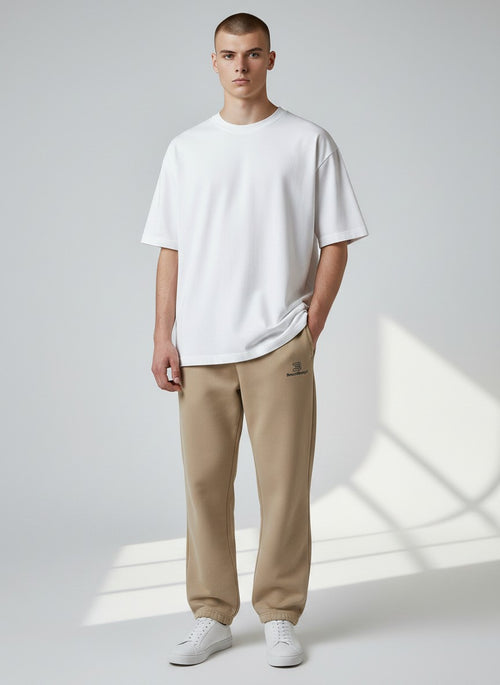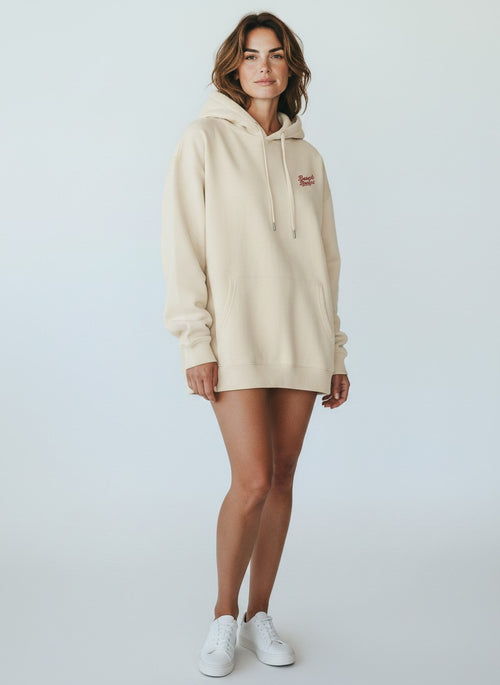
Vegan streetwear contains no raw materials of animal origin, neither in the fabric nor in labels, drawstrings, prints or adhesives. The most important materials are plant fibers such as organic cotton, hemp and linen, regenerated fibers such as Lyocell and Modal as well as synthetic fibers, ideally recycled. For hoodies, oversized shirts and sweatpants, a combination is considered particularly harmonious: certified organic cotton and recycled polyester. This is exactly what BeachBodyz focuses on, with organic cotton, embroidery in Germany and free shipping. The following overview organizes materials, hidden animal components, seals and quality features.
Important findings
- Vegan means: no wool, no leather, no silk, no down, not even as a mixed component, patch or shoelace.
- Organic cotton and recycled polyester are vegan fibers with clear environmental advantages over conventional cotton and new polyester.
- There is no legal definition for vegan clothing. What matters are material specifications, accessories and the transparency of the brand.
- GOTS certifies organic fibers and environmentally and socially responsible processing, but is not a vegan seal.
- Longevity is shown by fabric weight, seams, shape stability and timeless cut.
Table of contents
- What vegan means in streetwear
- Comparison of vegan materials for streetwear
- Recognizing hidden animal components
- Organic, vegan, GOTS: what seals certify
- Leather alternatives for patches, accessories and shoes
- Vegan and sustainable: the environmental balance of the materials
- Recognizing quality and longevity
- Care of vegan streetwear
- Vegan materials at BeachBodyz
- Frequently asked questions about vegan streetwear
- Sources
What vegan means in streetwear
A garment is considered vegan if no animal raw materials are in any component. This does not only concern the main fabric. According to the brochure of the German Animal Welfare Association on vegan clothing, the following are animal raw materials in textiles:
- Wool, often also as a small proportion in blended fabrics
- Leather, also in shoelaces and patches
- Fur, feathers and down
- Silk
- Horn, bone and mother-of-pearl, for example in buttons
- animal adhesives such as glutin (from bone and hides) and casein (from milk)
- Dyes based on bone charcoal, carmine from cochineal insects or indigotin from purple snails
For streetwear, this list is more relevant than often assumed. A hoodie made of pure cotton is vegan in the main fabric. However, a leather patch on the waistband, a horn button or a print with animal binder changes that.
Animal components and vegan alternatives
| Animal component | Typical use in streetwear | Vegan alternative |
|---|---|---|
| Wool | Knits, blended fabrics, jacket lining | Organic cotton, hemp, recycled polyester |
| Down, feathers | Puffer and winter jackets | Fillings made of synthetic fibers, ideally recycled |
| Leather | Patches, labels, shoelaces, shoes | Cork, pineapple fiber, mushroom material, cotton labels |
| Silk | Lining, details | Lyocell, Modal, Viscose |
| Horn, mother-of-pearl | Buttons | Metal, plastic, wood, coconut |
| Carmine, bone charcoal | Dyes, prints | synthetic or plant-based dyes |
| Glutin, casein | Adhesives, finishes | synthetic adhesives |
Comparison of vegan materials for streetwear
The German Animal Welfare Association lists four groups as vegan alternatives: plant-based natural fibers (cotton, linen, sisal, hemp, jute), leather alternatives made of cork, pineapple or mushrooms, synthetic fibers (elastane, polyester, polyamide, ideally recycled) and regenerated fibers such as viscose, Modal and Lyocell. For streetwear, cotton, recycled polyester, Lyocell and small amounts of elastane are primarily used.
| Material | Origin | Typical items | Properties |
|---|---|---|---|
| Organic cotton | Plant, controlled organic cultivation | T-shirts, hoodies, sweatshirts, sweatpants | soft, breathable, skin-friendly, easy to embroider |
| Recycled polyester | Synthetic fiber from recyclate, mostly PET | Jackets, shorts, blended fabrics, fleece | shape-stable, quick-drying, robust |
| Lyocell, Modal | Regenerated fiber from wood cellulose | Shirts, sportswear | firm, absorbent, breathable, soft |
| Hemp, linen | Bast fiber | Shirts, pants, summer items | very durable, cool, biodegradable |
| Elastane, polyamide | Synthetic fiber | Cuffs, gymwear, shorts | elastic, tear-resistant |
Organic cotton
Cotton is the number one plant fiber according to oekolandbau.de. The difference between organic and conventional lies in cultivation. Conventional cotton burdens soils and waters: according to BUND Naturschutz, around 11% of all pesticides used worldwide for cotton cultivation are used on only about 4% of the world's arable land. Organic cotton does without chemical-synthetic pesticides and consumes less water.
For streetwear, organic cotton brings the properties that count for hoodies and oversized shirts: a soft feel, good skin compatibility and a fabric that is easy to embroider. How the fiber regulates moisture and heat is shown in the post on the breathability of organic cotton.
Recycled polyester
Polyester is a synthetic fiber and thus free of animal raw materials. The recycled version significantly improves the environmental balance. The German Environment Agency (TEXTE 117/2024) cites several studies according to which recycled polyester fibers reduce the greenhouse gas potential of polyester textiles. PET bottles and food packaging are primarily used as starting material in established mechanical recycling.
BUND Naturschutz calls recycled polyester an alternative to petroleum-based polyester with lower energy expenditure. The Global Recycled Standard (proof of recycling content and supply chain) and a PFC-free finish are considered checkpoints. In streetwear, recycled polyester ensures shape stability, quick drying and robustness, for example in jackets, shorts and blended fabrics. For the finishing of such fabrics: Embroidery on recycled polyester.
Lyocell and Modal
Lyocell and Modal are regenerated fibers: They are made from wood cellulose, which is chemically dissolved and spun into new fibers. According to oekolandbau.de, Lyocell is firm, absorbent and breathable and is suitable for sportswear. Modal is considered particularly soft. Clothing made of Lyocell and Modal usually has a better ecological balance than conventional cotton, and the higher the proportion in the fabric, the more so.
Hemp and Linen
Hemp and linen provide tough bast fibers. According to BUND Naturschutz, both score with very low water consumption, low pesticide use, extreme durability and biodegradability. In streetwear, they appear mainly in summer items and blended fabrics.

Elastane and Polyamide
Elastane and Polyamide are synthetic fibers without animal components. They are in small proportions in cuffs, shorts and gymwear and ensure stretch and tear resistance. Relevant for the crossover of streetwear and training clothing: The Gym Guide to training clothing made of organic cotton explains which materials are suitable for which training.
Recognizing hidden animal components
Over 90% of the fibers on the world market are not of animal origin, according to the International Association of Natural Textile Industry according to oekolandbau.de. So most main fabrics are already vegan. The weak points are in the details: jeans labels can be made of leather, blouse buttons of horn. There is no legal definition or seal that guarantees a product as vegan beyond the raw material.
For streetwear, it is worth looking at these areas:
- Label and material specification: The fiber composition is on the care label. Even a few percent of wool or silk make an item non-vegan. How to read labels is explained in the post on Material labeling in clothing.
- Patches and labels: Leather patches on the waistband, on caps or bags are the most common hidden animal component. Woven labels and embroidery are the vegan solution.
- Drawstrings and accessories: Hoodie drawstrings, drawstring ends and zipper pulls can be made of different materials. Details on this: Hoodie drawstrings made of organic cotton.
- Buttons: Horn and mother-of-pearl are animal-based, metal and plastic are not.
- Dyes and prints: Carmine from cochineal insects dyes red, bone charcoal black. With dyes, the question of origin helps. Background on alternatives: plant-based dyes for clothing.
- Adhesives and finishes: Glutin and casein occur in bonding and finishes. Without stating the brand, this cannot be recognized on the product.
Embroidery has an advantage in vegan streetwear: It consists of yarn, needs no glue and often lasts longer than a print. More on this in the post on sustainable embroidery.
Organic, vegan, GOTS: what seals certify
Organic and vegan are two different properties. Organic describes how a fiber was grown. Vegan describes that no component is of animal origin. A shirt made of organic cotton with a cotton label is both.

GOTS
The Global Organic Textile Standard is a standard for the processing of textiles made of organic natural fibers. According to the GOTS flyer on compliant textile fibers, it applies:
- Certified products consist of at least 95% or at least 70% (second labeling level) of organically produced natural fibers.
- These fibers are grown without synthetic pesticides, insecticides, herbicides and without genetic engineering.
- Conventional cotton, pure non-recycled polyester, acrylic and wool from mulesed sheep are prohibited, among others.
- Up to 30% may be Lyocell and selected recycled synthetic fibers, up to 10% selected synthetic virgin fibers.
GOTS is thus not a vegan seal, because the standard does not fundamentally exclude wool. For vegan streetwear, GOTS is still a strong signal: organic cotton as the main fiber, recycled instead of new synthetic and requirements on the entire processing chain. Whether a GOTS item is vegan is shown by the fiber composition on the label.
Vegan labels
In addition to organic standards, there are private labels for animal-free products. The animal rights organization PETA awards the label “PETA-Approved Vegan” for clothing and accessories without animal components. Such a label is a brand designation, not a legal guarantee.
Overview of seals and statements
| Labeling | What it certifies | Does it certify vegan? |
|---|---|---|
| GOTS | Organic natural fibers, environmentally and socially responsible processing | no, check fiber specification |
| Global Recycled Standard | Recycling content and supply chain | no |
| PETA-Approved Vegan | no animal components according to the brand | yes, as a private designation |
| Material specification “100% cotton” | Fiber of the main fabric | only for the fabric, not for accessories |
The post identifying sustainable streetwear provides a detailed overview of additional labels.
Leather alternatives for patches, accessories and shoes
Leather alternatives are used for accessories, labels and shoes. There is a wide range:
- Cork: obtained from the bark of cork oak trees, lightweight and water-repellent.
- Pineapple fiber (Piñatex): according to science.ORF.at, it is made from leaves that are discarded during the pineapple harvest and is described as vegan and biodegradable.
- Mushroom material: made from mycelium, the root network of mushrooms, combined with waste products such as corn husks or sawdust. It is considered tear-resistant, water-repellent and printable.
- PU- or PVC-based faux leather: the most common alternative, based on fossil fuels.
Research is progressing rapidly. According to science.ORF.at, a team at the University of Vienna is working on a process that processes mushroom biomass waste from the food industry with plant-based cellulose without synthetic polymers. For streetwear buyers, this means: when it comes to leather-look items, it is worth asking about the basis of the material—whether it is plant-based or fossil-based.
Vegan and sustainable: the environmental impact of the materials
Veganism answers the question of animals, but not automatically the question of the environment. According to oekolandbau.de, non-animal fibers can also harm wildlife, for example if pesticides used in conventional cotton farming damage biodiversity. Therefore, vegan streetwear is about the combination of animal-free material and sustainable origin.
Conversely, natural animal-based materials are not automatically more environmentally friendly. The German Animal Welfare Association points out that many chemicals are used in the production of wool and leather, for example for tanning and dyeing, which enter waterways and groundwater in the countries of production.
The material choice that offers the best combination of vegan and sustainable for streetwear looks like this:
| Criterion | Preferred | Reason |
|---|---|---|
| Cotton | Organic cotton, GOTS-certified | no chemical-synthetic pesticides, less water |
| Polyester | recycled | lower greenhouse gas potential according to UBA study overview |
| Cellulose fibers | Lyocell, Modal | mostly better environmental balance than conventional cotton |
| Production | fair, with short supply chains | social standards, shorter transport routes |
| Durability | heavy fabrics, timeless cuts | fewer new purchases over the years |
The biggest factor remains durability. A hoodie that is worn for many years replaces several short-lived items. The post What is in the price of sustainable hoodies shows why long-lasting, sustainably produced items have their price.
Recognizing quality and durability
Vegan materials alone do not make good streetwear. BUND Naturschutz lists clear characteristics of durable clothing:
- Seams: firm and even, without loose threads.
- Zippers and buttons: sturdy and neatly fitted.
- Fabric: robust, retains its shape after washing.
- Cut and color: timeless cuts, colors that do not fade quickly.
- Material: organic cotton, Tencel/Lyocell, linen, hemp or recycled fabrics.
For streetwear, three additional points apply:
- Fabric weight: Heavyweight cotton fabrics hang more cleanly in oversized cuts, shrink less and last longer.
- Ribbing: A small amount of elastane keeps sleeve and hem ribbing stable in shape.
- Finishing: Embroidery withstands many washes without cracking or peeling.
The same applies to sizes beyond the standard: oversized cuts and larger sizes need fabrics with structure so that the garment does not look shapeless.
Caring for vegan streetwear
Proper care extends the lifespan. The following basic rules apply to the typical materials:
| Material | Washing temperature | Notes |
|---|---|---|
| Organic cotton | 30–40 °C | wash inside out, do not tumble dry at high heat |
| Recycled polyester, fleece | 30 °C | in a laundry bag, without fabric softener |
| Functional jackets | 30–40 °C | special detergent, once or twice a season |
| Faux leather, cork | do not wash | clean with a damp cloth and mild soap |
| Embroidered items | 30 °C | inside out, do not iron directly over the embroidery |
Air drying protects fibers and shape. Embroidered items are best ironed inside out and at a low temperature.
Vegan materials at BeachBodyz
BeachBodyz makes streetwear from organic cotton, thus from the two materials that cover the combination of animal-free fiber and high-quality origin in this overview. The items are embroidered in Germany, and shipping within Germany is free. The Bremen-based brand combines streetwear and gymwear with heavy, high-quality materials and a clear stance against fast fashion.

The product range at a glance:
- Hoodies: €66–78
- Sweatshirts: €71
- Oversized Shirts: €45
- Joggers: €59
- Jackets: €58–68
- Shorts and Shoes: €50 and €65 respectively
Frequently asked questions about vegan streetwear
Is clothing made from 100% cotton automatically vegan?
The fabric is vegan, because cotton is a plant fiber. However, accessories can be non-vegan: leather patches, horn buttons, animal-based adhesives or dyes such as carmine. Anyone who wants to be sure should check the label, buttons, and prints in addition to the tag.
Is recycled polyester vegan?
Yes. Polyester is a synthetic fiber without animal-based raw materials. Recycled polyester is mostly obtained from PET bottles and food packaging and, according to the German Environment Agency, reduces the greenhouse gas potential compared to new polyester.
Is GOTS a vegan label?
No. GOTS certifies organic natural fibers and environmentally and socially responsible processing throughout the supply chain. The standard allows, for example, wool from non-mulesed sheep. Whether a GOTS item is vegan is shown by the fiber composition on the label.
Is vegan streetwear made from organic cotton suitable for training?
Yes, organic cotton is breathable and skin-friendly and is suitable for strength training, warm-ups, and the way to the gym. For high-intensity workouts, blends with recycled polyester or Lyocell complement cotton with faster drying.
Sources
- German Animal Welfare Association: Brochure on Vegan Clothing
- oekolandbau.de: Vegan Fashion, How Sustainable and Animal-Friendly Is It?
- German Environment Agency: Ecological Assessment of Textile Fibers (TEXTE 117/2024)
- BUND Naturschutz: Tips for Sustainable Clothing
- GOTS: GOTS-Compliant Textile Fibers
- science.ORF.at: New Method for Mushroom Leather
- PETA: Vegan Clothing Shopping Guide