Choosing an Organic Cotton T-Shirt: Fit, Fabric & Care 2026
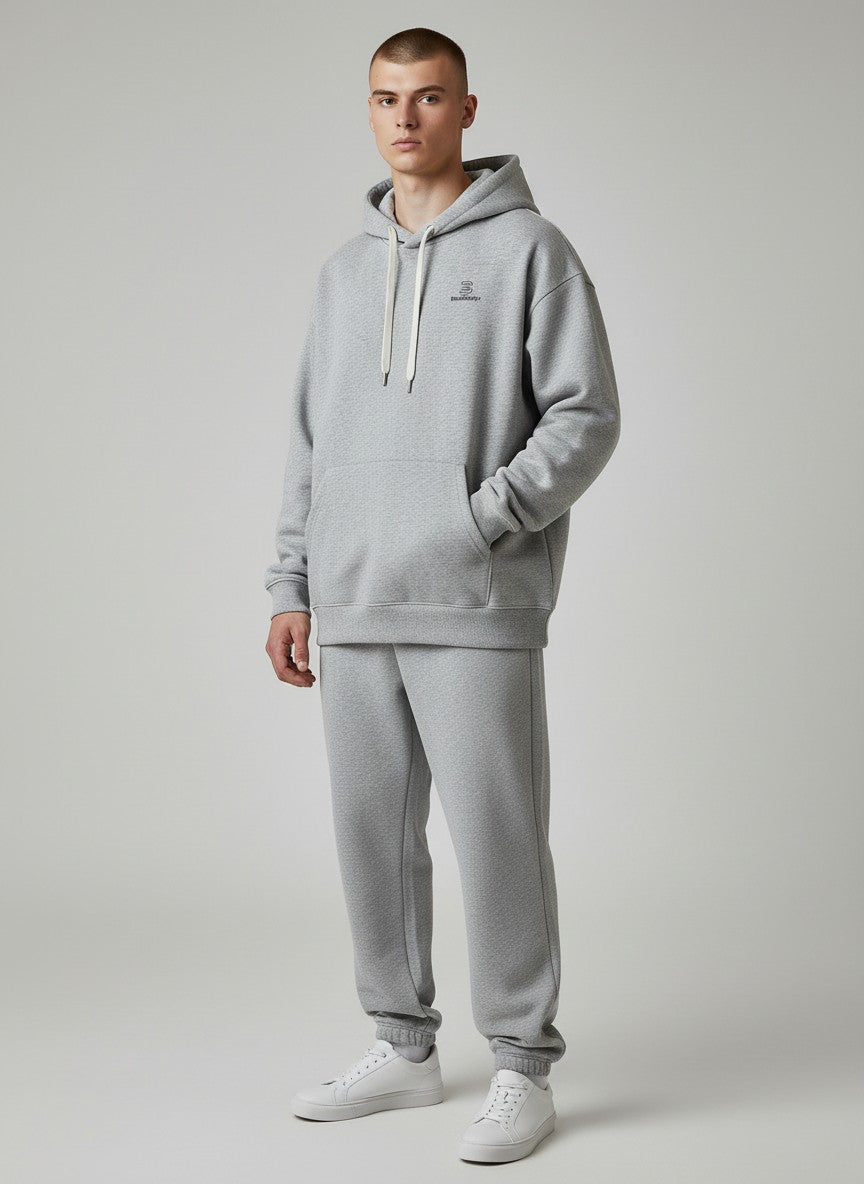
Choosing an organic cotton T-shirt means thinking about your everyday life, your wardrobe, and genuine quality features together. Start with the use case: solo in summer, under hoodies for layering, or as a daily workhorse? The more often you wear it, the more important a denser jersey, neatly finished seams, and a sturdy ribbed collar that holds its shape are. As for the composition: check the material information on the label and compare the feel – soft is good, but too fluffy can pill quickly. Evidence of care can be found in even seams, neat shoulder loops, or a cleanly finished neck tape. Fit: Oversize has a casual fit, boxy is shorter and wider, regular fits classically; choose according to your build and the pants you wear most often. Construction: Double seams at the hem and sleeves increase everyday durability, while a strong rib at the neck ensures structure. In the wardrobe, white looks universal, cream warmer, black graphic; choose two basic colors plus one accent color. Care: Follow the care label, dry gently, and smooth immediately. Budget: Better plan for fewer, but well-coordinated core pieces. This is how organic cotton becomes practical for everyday wear. This helps you if you want to choose an organic cotton T-shirt that really suits you.
Purpose and fabric properties: How to choose an organic cotton T-shirt with purpose
Lightweight, medium, heavyweight: What suits your use?
If you want to choose an organic cotton T-shirt, start with the climate and your activity profile. Lightweight qualities drape more softly, move airily with you, and feel pleasantly cool solo in summer. However, they can be more sheer and wrinkle faster. Medium fabrics balance structure and flow: enough body for clean edges, enough movement for everyday wear and commuting. Heavyweight fabrics look more compact, cover contours better, and provide a bit more warmth – without automatically being higher quality. During intense workouts, cotton generally absorbs moisture but dries more slowly; this can feel clammy and is more likely to chafe during long sessions.
Anyone looking to choose an organic cotton T-shirt should weigh opacity against breathability: For solo summer looks, coverage counts, while a lighter feel is often more comfortable for layering underneath. Also pay attention to the drape at the hem: A soft, not too stiff drape flatters without adding bulk; too much stiffness bunches at the waist, especially under jackets.
Four typical use cases compared
| Use | Desirable properties | Benefit | Limitation |
|---|---|---|---|
| Summer solo | Lightweight fabric, soft drape, good opacity, smooth feel | Cooling feel, moves with the body, less visible lines | Can wrinkle faster; thin fabrics show BH/bodywear more |
| All-year basic | Medium weight, stable seams, shape-retaining neckband | Versatile: can be worn solo, but also under a shirt/knitwear | Slower to dry out after intense activity |
| Underlayer | Fine fabric, smooth surface, narrow collar | Slides well under a shirt/blazer, creates no bulk | Provides little warmth; sweat is absorbed and remains noticeable longer |
| Layering in cooler weather | Medium to heavyweight fabric, some structure, higher opacity | Clean contour under an overshirt, zip-up, or hoodie | More mass = less breathability; gets damp faster during movement |
Plan layering cleverly
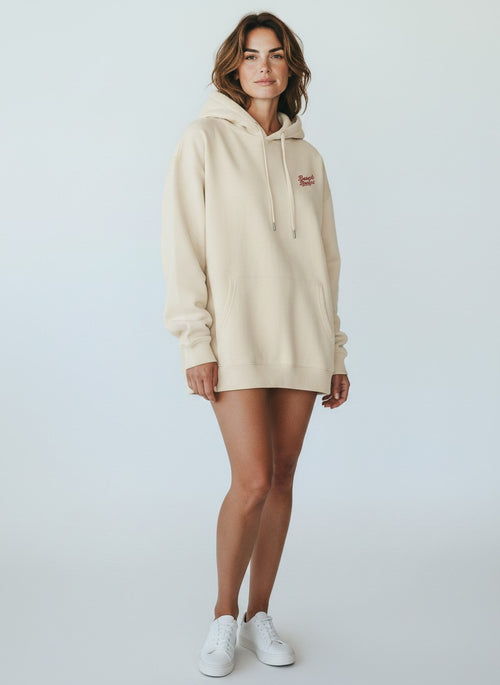
Before you want to choose an organic cotton T-shirt, check your existing midlayers. A more compact shirt harmonizes with a warming layer like the Form Oversize Hoodie with striking embroidery without bunching at the hem. For daily rotations, the curated selection under Oversize T-Shirts for Men & Women helps you compare sizes, necklines, and lengths.
If you have to choose an organic cotton T-shirt, plan for movement and breaks: A medium weight makes sense for the bike ride to work; a lighter option provides more comfort for a long city walk. Anyone looking to choose an organic cotton T-shirt that also works under jackets should pay attention to a collar that does not dig in and remains shape-retaining after washing (according to the care label). And if you want to choose an organic cotton T-shirt for occasional exercise: Expect moisture and slower drying – for very sweat-inducing sessions, functional materials are often more practical.
Practical decision: If you primarily wear it solo in summer, take a lightweight, opaque option; for everyday basics, a medium one. As an underlayer, prioritize smooth, thin fabrics; for layering in cooler months, a shirt with some structure. This is how you can choose an organic cotton T-shirt today that suits the climate, movement, and wardrobe – without unnecessary compromises.
Composition and verifiable organic claims: Choosing an organic cotton T-shirt
Clearly separate fiber content from organic claims
If you want to choose an organic cotton T-shirt, first distinguish between the fiber content on the care label (e.g., 100% cotton or cotton/elastane) and separate organic claims. The fiber content tells you what the yarn is made of; whether this cotton comes from certified organic farming is additional information that does not automatically follow from "cotton". A claim like "organic cotton" describes the origin of the fiber, not necessarily the entire processing up to the finished shirt.
Realistically assess garment-wide claims
Anyone looking to choose an organic cotton T-shirt should distinguish between the following levels: 1) Agricultural origin (organic fiber cultivation), 2) Testing for potentially harmful substances in textiles, 3) Working conditions throughout the garment manufacturing, 4) Place(s) of production. These areas are to be viewed separately. A note like MADE IN EU is a legitimate brand positioning, but alone proves neither organic fiber cultivation nor that every stage of the supply chain took place in the EU.
Pure cotton vs. blended fabrics: Stretch, shape, and care
When choosing an organic cotton T-shirt, a sober assessment helps you: Pure cotton has a natural feel, drapes more densely or airily depending on the knit, and is usually more opaque from a medium grammage. Limitations: little inherent elasticity, so shoulder seams and the neckline may work harder during movement; shape retention depends heavily on the construction, and drying takes longer. Blends with a small elastane content increase the snap-back at the collar and improve freedom of movement, but can feel warmer and make sorting-pure recycling more difficult at the end of life. In care, both depend on the care label; instead of blanket temperatures, follow: washing recommendations, dryer instructions, and gentle cycles.
Request evidence – without assuming false labels
Before you go to choose an organic cotton T-shirt, request documented information: a clear separation of fiber specification and organic origin, traceable information on chemical management in wet processes, as well as open explanations of the garment manufacturing (facility location, contract manufacturing). Please do not implicitly attribute "certificates" if they are not expressly stated and documented. EU production can mean shorter routes, but does not replace evidence of cultivation, dyeing, or equipment outside the EU.
Think with additions: Layering and information gaps
This is how you can still choose an organic cotton T-shirt despite gaps by prioritizing: Does the material feel right on the skin? Do the elasticity and collar snap-back suit your everyday life? Add a warming layer in the cold, like the Authentic Oversize Hoodie with Gold Embroidery, or reach for the Oversize Sweatshirt Collection for Men & Women year-round if you need more structure over the T-shirt. If reliable information on chemical practices or final processing is missing, assess conservatively and favor providers who provide test reports or detailed process descriptions.
Practical decision: To be able to choose an organic cotton T-shirt today, first read the care label (fiber), then look for clear statements on the organic fiber origin, check information on substance testing, working conditions, and production locations separately, and assess material mix vs. pure fiber based on stretch comfort, shape retention, and care effort. If key information is missing or only vague slogans are present, choose the more transparent model – or wait until the retailer provides reliable documentation.
Check fit and construction before purchase: How you can choose an organic cotton T-shirt
Silhouettes: Regular, Relaxed, Oversize
Regular lies close to the body without being tight: good under shirts, neat drape, and clear shoulder seam. Relaxed offers a bit more air, flatters torso areas, and looks casual without exaggerating length or width. Oversize deliberately uses volume and drop shoulders; the look lives on contrast: slim pants, clean hem, sturdy neckline. If you want to choose an organic cotton T-shirt, decide first which silhouette supports your everyday life and your proportions. Broad shoulders benefit from clearly defined shoulder seams, shorter upper bodies from moderate length, long arms from minimally extended sleeve length.
Anyone looking to choose an organic cotton T-shirt should think about layering: Relaxed/Regular work under a shirt or zip-up, Oversize as a statement solo or over long sleeves. For additional warmth or structure, reach for companions like a matching Oversize Sweatshirt with textured embroidery or create contrast with Oversize Hoodies for Men & Women.
Measurement guide using a reference shirt
Lay your best-fitting T-shirt flat on the table. This is how you can choose an organic cotton T-shirt that really fits, instead of just relying on label sizes:
- Chest width: measure 2–3 cm below the armpits from edge to edge.
- Length: measure from the highest shoulder point to the hem in the middle front.
- Shoulder to shoulder: seam start left to right.
- Sleeve: from shoulder seam to hem, for raglan from the neck start along the seam.
- Neckline: measure inner circumference or width/depth; check if it gives gently when pulled and snaps back.
Move in the shirt: arms over head, shoulder blade rotation, sitting deep. This is how you notice pulling at the back, gaping necklines, or twisting side seams. Anyone looking to choose an organic cotton T-shirt should plan for a 1–2 cm tolerance, because label sizes vary by brand.
Manage shrinkage, proportions, and uncertainty
Cotton can shrink differently depending on equipment and care instructions. Instead of blanket percentage figures: read the care label, consider possible length changes, and choose the larger option in borderline cases. If you want to choose an organic cotton T-shirt, think about the torso/leg ratio: Shorter upper bodies benefit from slightly shortened hems; longer upper bodies from a bit more back length, so the hem does not ride up when sitting.
Check construction
This is how you can assess quality on site. Anyone looking to choose an organic cotton T-shirt should pay attention to:
- Seams: even stitch length, no gaps; side seams must not run in a spiral.
- Neckline: ribbed band with clean snap-back; pull gently, release, check shape retention.
- Hem: double needle or cover stitch without wave formation.
- Material lay: lay fabric flat, check if front and back parts lie symmetrically.
- Print/embroidery: smooth surface, no tension wrinkles; the back should lie softly, without hard edges.
If you want to choose an organic cotton T-shirt now, measure your reference shirt, compare the core measurements with the size chart, allow 1–2 cm buffer for label variation, and consider the care label in relation to possible shrinkage. If the neck rib feels sturdy, the side seams do not twist, and length as well as shoulder width are correct in the movement check, the size is right—for Oversize, plan 3–5 cm more width for the desired silhouette.
Colors, proportions, and everyday combinations
Color choice by wardrobe and use case
Start with your existing pants, jackets, and shoes: neutral colors (black, off-white, gray, navy) fill gaps, while accent colors only make sense if they already appear twice in the outfit (e.g., cap + sneaker detail). If you want to choose an organic cotton T-shirt, first check the opacity: Light, lightweight jerseys show contours or tattoo shadows faster; dark tones usually look more compact, but can show dust/lint more strongly.
For summer solo looks, light, slightly broken tones work particularly well because they look softer against the skin than harsh white. Anyone looking to choose an organic cotton T-shirt should pay attention to the occasion for function: For sport-adjacent routes, breathability is more important than a bright color; for the city and café, harmonious gradations (e.g., sand with olive or asphalt gray with navy) count.
Proportions: Hem, neckline, silhouette
The hem length should end between the hip bones and the middle of the zipper, so that the upper body–leg ratio remains harmonious. Before you go to choose an organic cotton T-shirt, test at home: slightly "front tuck" the front part into high-waist, completely outside for mid-rise, and never lower than the middle of the buttocks in the back. Crewnecks look sporty and sturdy, a slightly wider neckline elongates the neck, V-necks soften broad shoulders, but emphasize collarbone areas.
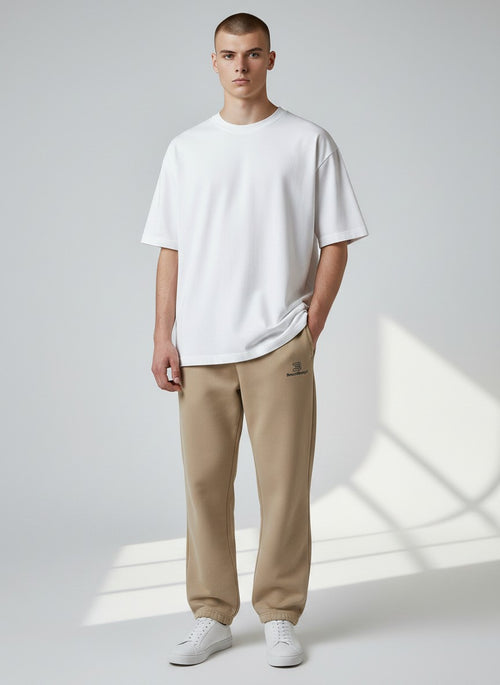
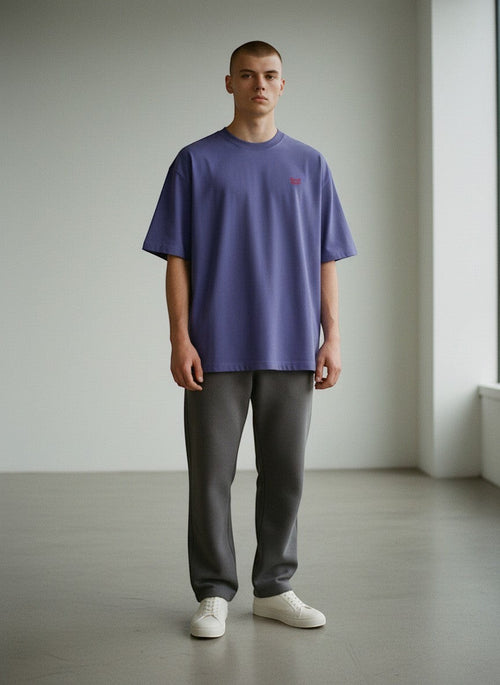
As for the silhouette: slim jeans + slightly relaxed body (not too long) = clear all-rounder. Wide pants need some structure on top: firmer jersey or a shorter hem. Joggers demand a conscious contrast – clean T-shirt, not too long sleeve width, so as not to look sloppy.
Combination formulas for everyday wear
- Jeans: light blue + off-white; dark blue + medium gray. Choosing an organic cotton T-shirt and wearing an open shirt over it provides depth without building too much bulk.
- Wide pants: cropped hem or French tuck, with minimalist sneakers. Structure on top holds the line.
- Joggers: tone-on-tone with clean shoes; if necessary, wear a zip-hoodie open, so that the vertical break makes you look slimmer.
- Cool layering: under a Monster Oversize Sweatshirt with Green Embroidery, a lightweight tee fits, hem barely visible. To be able to choose an organic cotton T-shirt for layering, plan 1–2 cm less hem length than for the solo look.
- Jacket: Workwear jacket or bomber creates volume on top; a clean neckline helps to structure. Inspiration can be found in Streetwear Jackets.
Summer solo: airy shorts, sleeves lightly rolled up, subtle chains. Winter/autumn: T-shirt as a smooth base, shirt worn open over it, zip-up, or hoodie; a coat or blouson finalizes the column.
Context boundaries short and honest
Semi-formal only works with a dark, flawless T-shirt, clean pants, and shoes; it is not always meeting-appropriate. If you want to choose an organic cotton T-shirt for semi-formal settings, keep colors muted and logos minimal. Personal style can certainly look BUILT DIFFERENT – as an attitude, not a technical promise.
Practical decision: Fix two main colors, define your hem length on your favorite pants, test a solo look and a layering look in the mirror. After that, you should choose your organic cotton T-shirt that drapes harmoniously in both scenarios and visibly organizes the proportions – only then is the shopping cart worth it.
Budget, care, and a long-lasting purchase decision
Matching needs, inventory, and budget
If you want to choose an organic cotton T-shirt, start with an honest inventory: Which colors and cuts do you really wear, how often do you need a fresh tee per week, and what gaps are there? Plan your budget along the real usage, not along spontaneous desires. Check product pages for documented construction like clear material specifications, visible seam details, or cut information; missing information is a warning sign. Calculate the return with: How uncomplicated is it, and is a second size worth it for trying on? A restrained selection saves routes and resources. Anyone looking to choose an organic cotton T-shirt should also check if an existing basic gets another turn through care, small repairs, or a new combination.
Care According to the Label: What Really Helps
Before you go out to choose an organic cotton T-shirt, take a look at the care label on the stock: Follow the symbols rather than general rules for washing temperature, spinning, and drying. Turn the shirt inside out before washing, close friction points (zippers), and wash with similar colors. Spot-treat stains before washing; heat sets many discolorations. Air-drying on a line protects the shape and hem – if tumble drying is allowed, use a low setting and remove the shirt slightly damp to avoid creases. Store folded rather than hanging if the neckline is softly constructed.
Color and Shape Retention, Repairs
To choose an organic cotton T-shirt that retains its shape for a long time, pay attention to sturdy neckline construction, clean shoulder seams, and a hem that lies flat. Protect the color with mild detergent and a full rinse; direct sunlight during drying can cause fading. Minor defects such as open seams or loose hems are easy to repair; an invisible mattress stitch or narrow topstitching extends the wear time. For stretched-out collars, carefully re-sewing the facing helps – but only if the insert really extends further.
Limits of Care and Typical Pitfalls
Even if you want to choose an organic cotton T-shirt, care does not replace material limitations: Friction from backpacks promotes pilling, deodorant in combination with sweat can discolor the underarm areas, and very fine qualities dry quickly but are more sensitive to pulling. “Organic” describes the fiber cultivation, not automatically the use of chemicals in the equipment, working conditions, or every production site. Incomplete information? Ask – and if in doubt, do not buy. If a similar shirt is already unworn in the closet, not buying is often the most sustainable option.
Buy or Not Buy: Concrete Decision
If you want to choose an organic cotton T-shirt now, check three points: a) Does it fill a clearly defined gap? b) Do the care instructions fit your everyday life? c) Does it complement existing layers like the Motion Oversize Hoodie 350 g/m² – Organic Cotton, Blue Embroidery sensibly, without being a duplicate? For off-days, the combination with an Oversize Jogging Pants Men & Women can increase your usage value – provided you really wear them. Whether you should choose an organic cotton T-shirt or wait a bit longer, you decide then: If there is a need, a feasible care practice, and clear outfits, buy; if one of these points is missing, postpone the purchase and use what is there.
Conclusion: How to Make the Right Choice in 2026
If you want to choose an organic cotton T-shirt, start with your intended use. For year-round usage, a medium fabric is ideal: enough structure and opacity solo, but still supple under a shirt, zipper, or hoodie. Pure cotton wears softly and lets the skin breathe; a small amount of elastane can bring shape stability, but makes later recycling more difficult. Check the label and product description: fiber specification, substantiated organic claim for the fiber, separate from information on substance testing, working conditions, and production site. MADE IN EU can be read as a positioning, not as proof of every preceding stage. Assess the fit based on your reference shirt (width, length, shoulders, neckline) and consider possible shrinkage depending on the care instructions. For heat: rather a lighter, more flowing fabric; for layering on cool days: denser, more shape-retaining. Light colors require more opacity checking than dark ones. Plan care realistically (air-drying, immediate shaping, spot-treating stains). If you are wavering between two models today, take the medium weight in a regular to relaxed fit silhouette: balanced in everyday life, combinable, long-lasting – the most harmonious decision to choose an organic cotton T-shirt.
FAQ on Choosing an Organic Cotton T-Shirt Correctly
Which fabric weight is airy in summer without the fabric being too transparent?
Pay attention to a lighter but densely knitted jersey. Light qualities fall softer and cool subjectively more, but can appear more transparent in light colors. Hold the shirt up to the daylight: If the seams and label are clearly visible, it is very light. Choose rather muted or heathered tones for additional opacity. Plan to wash a light shirt more often; thin fabrics dry faster, but are more prone to loss of shape if you do not carefully shape them flat.
How do I distinguish an organic claim for the fiber from a certification of the finished T-shirt?
An organic claim often refers to the origin of the cotton fiber. A certification of the end product checks additional criteria and process steps. Read the description carefully: If it only says “cotton from organic farming,” that is not automatically a check of the entire garment. Ask for traceable documents. Separate the topics: organic farming, substance testing, working conditions, and production site are different levels. Missing info? Decide carefully or prefer an alternative with better documentation.
Pure organic cotton or a small material mix – what makes more sense in the long term?
Pure cotton feels natural, is breathable, and tends to be easier to recycle. However, it can lose some shape, especially with frequent washing or incorrect drying. A small amount of elastane or modal increases recovery, snugness, and resistance to snagging, but makes separation at the end of life more difficult. Weigh it: if you prefer a clear feel and simple care processes, 100% cotton makes sense; if you want more stretch and fit tolerance, a mix can be more pragmatic.
How do I find the right size in an oversize silhouette without the look becoming shapeless?
Measure a well-fitting shirt flat: chest width (armpit to armpit), back length, shoulder width, sleeves, and neckline width. Compare these values with the size chart. For oversize, choose about 6–10% more chest width than your regular piece, but pay attention to proportions: shorter hem to wide pants, longer hem to a narrower bottom silhouette. Do movement and fit tests. Consider possible shrinkage according to the care instructions and leave a little room at the top if in doubt.
Is an organic cotton T-shirt also suitable for winter as a layer?
Yes, if the fabric is denser and the surface falls stably. Wear it under an open shirt, zipper, hoodie, or jacket; this creates warmth through air pockets without overheating. Pay attention to a neckline that lies cleanly under intermediate layers, and a length that does not slip out when sitting. Very heavy jerseys warm, but dry slower and can be worn under tight midlayers. Check light colors under thin tops for opacity.
How do I wash an organic cotton T-shirt gently without risking unnecessary shrinkage?
Always orient yourself by the care label. Turn the shirt inside out before washing, use a suitable detergent, and avoid overfilled drums. After washing, pull it into shape while damp, align the side seams, and dry flat or hanging by the shoulder area, not by the hem. Only use a dryer if the label allows it; heat promotes shrinkage and color loss. Spot-treat stains instead of washing hot. If necessary, steam on low without pressure on prints.