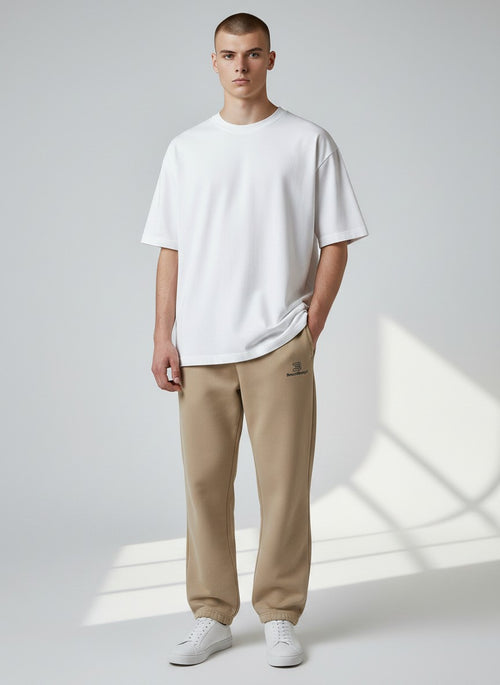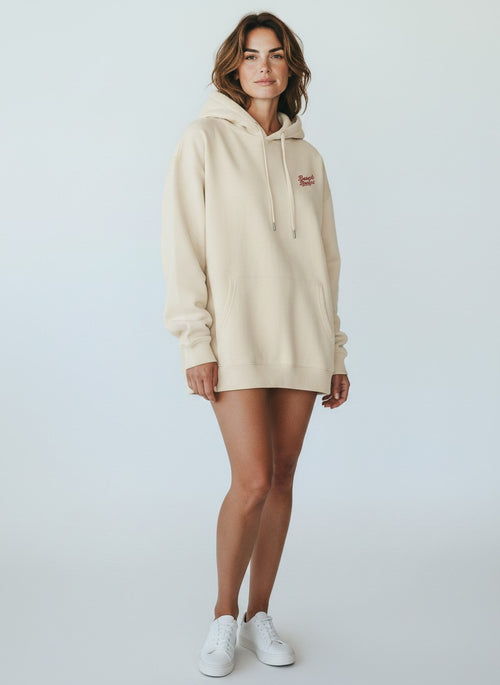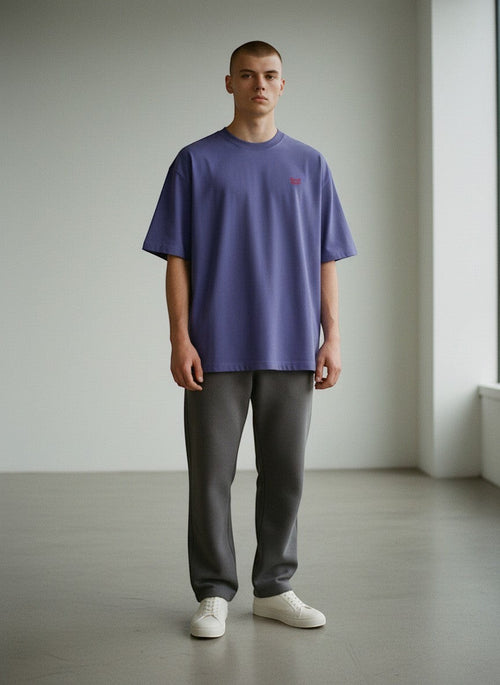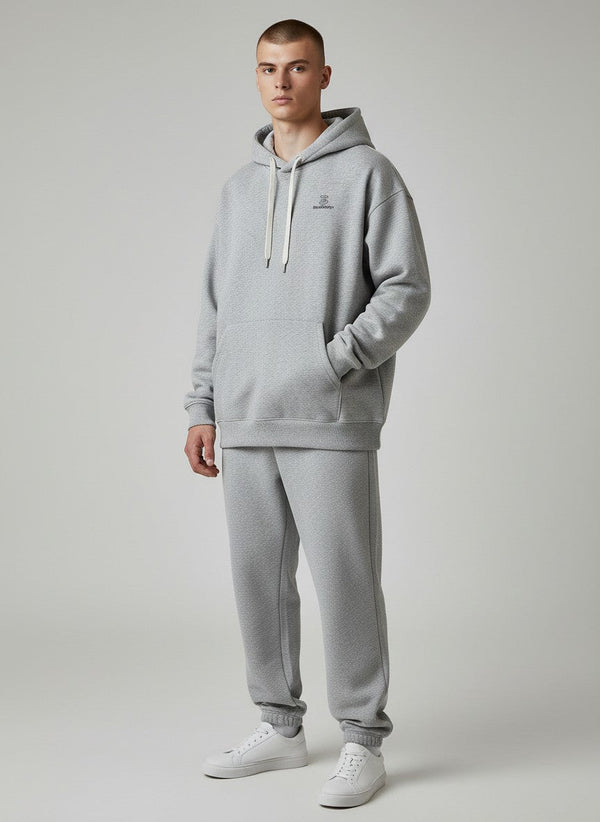
Yes, embroidered streetwear can be durable and ecological, but only under three conditions. First, the base garment requires a GOTS-certified or proven recycled material foundation. Second, the embroidery thread used must itself be certified, such as TENCEL™ Lyocell or recycled polyester. Third, the quality of workmanship determines whether the embroidery survives for years or just a few washes. If any of these three pillars are missing, "sustainable embroidery thread" usually remains a marketing promise without substance. The following sections show you how to recognize this in detail.
In short:
- Sustainable embroidery requires GOTS or GRS certification for the entire product, including the finishing process, to ensure genuine environmental standards.
- Only by using GOTS cotton, recycled thread like TENCEL™ Lyocell or recycled polyester, and durable workmanship is embroidery both permanent and ecologically sensible.
- High stitch density, stable backing, and appropriate seam allowances are crucial for long-lasting and sustainable embroidery.
- When making purchase decisions, certificates for all material and finishing steps as well as specific details regarding processing should be verified.
- BeachBodyz relies exclusively on organic cotton materials, fair production in the EU, and durable cuts to offer sustainable, embroiderable streetwear.
Table of Contents
- Classifying sustainable embroidery thread: Which certificates really count
- Base fabric, thread, and auxiliaries: The three material levels
- Why durable embroidery is the biggest sustainability factor
- How to properly buy and care for embroidered streetwear
- How BeachBodyz implements sustainable embroidery in practice
- BeachBodyz for embroidered streetwear with a genuine ecological foundation
- FAQ
Classifying sustainable embroidery thread: Which certificates really count
The landscape of textile certifications is confusing, but for embroidered clothing, there are essentially four labels that count. The Global Organic Textile Standard requires that all finishing steps, including the embroidery itself, are carried out according to strict ecological and social criteria before a final product can be considered GOTS-certified. This is the crucial point that many buyers overlook: a GOTS shirt with non-certified embroidery thread is, strictly speaking, no longer a fully certified product.
For recycled thread, the Global Recycled Standard (GRS) is the relevant label, while OEKO-TEX® STANDARD 100 guarantees low-pollutant finishing and colorants. The "Grüner Knopf" (Green Button) complements this as a state-run seal and offers additional verification options, which play a role primarily in public procurement but also provide guidance for private buyers.
Ask suppliers these specific questions:
- Is there a valid GOTS or GRS certificate for the complete product, including the embroidery?
- Where exactly was the finishing performed, and is there an audit report available?
- Which brand or manufacturer of thread was used for the embroidery?
Pro Tip: Ask specifically for the certificate for the finishing process, not just the fabric. Many suppliers can provide a cotton certificate but no proof for the embroidery thread.
Base fabric, thread, and auxiliaries: The three material levels
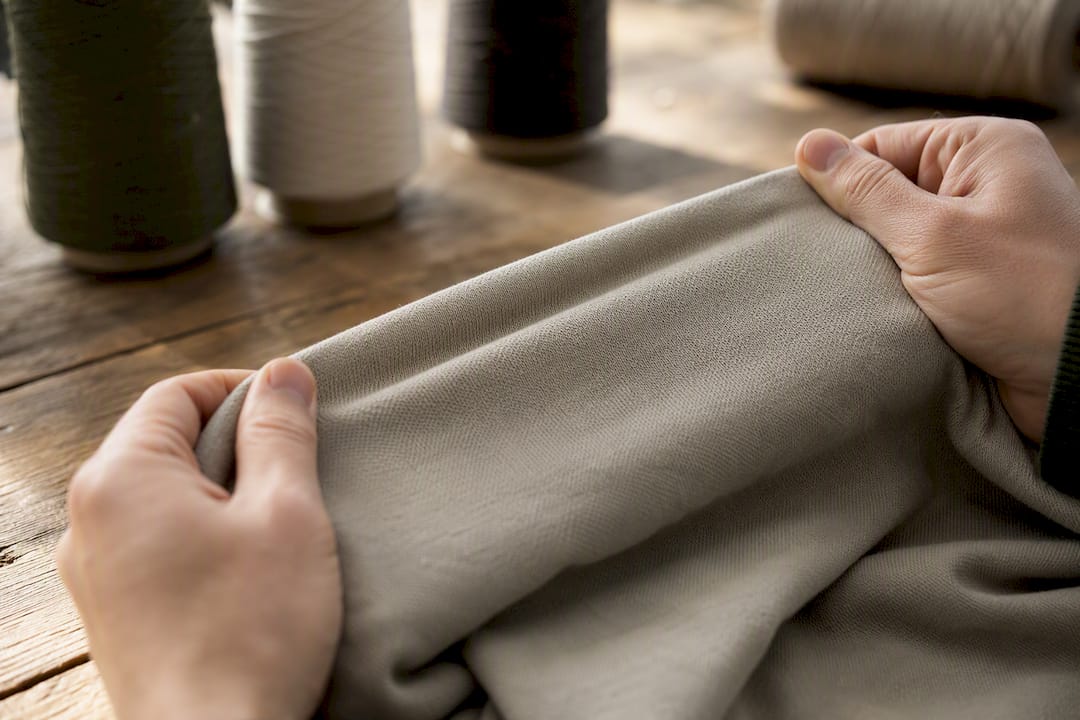
Sustainability in embroidered clothing is created on three material levels simultaneously, and all three must be correct. GOTS cotton is particularly suitable as a base fabric because it is durable and skin-friendly and withstands embroidery tension without distorting. This exact dimensional stability determines later whether a logo still sits straight after twenty washes.
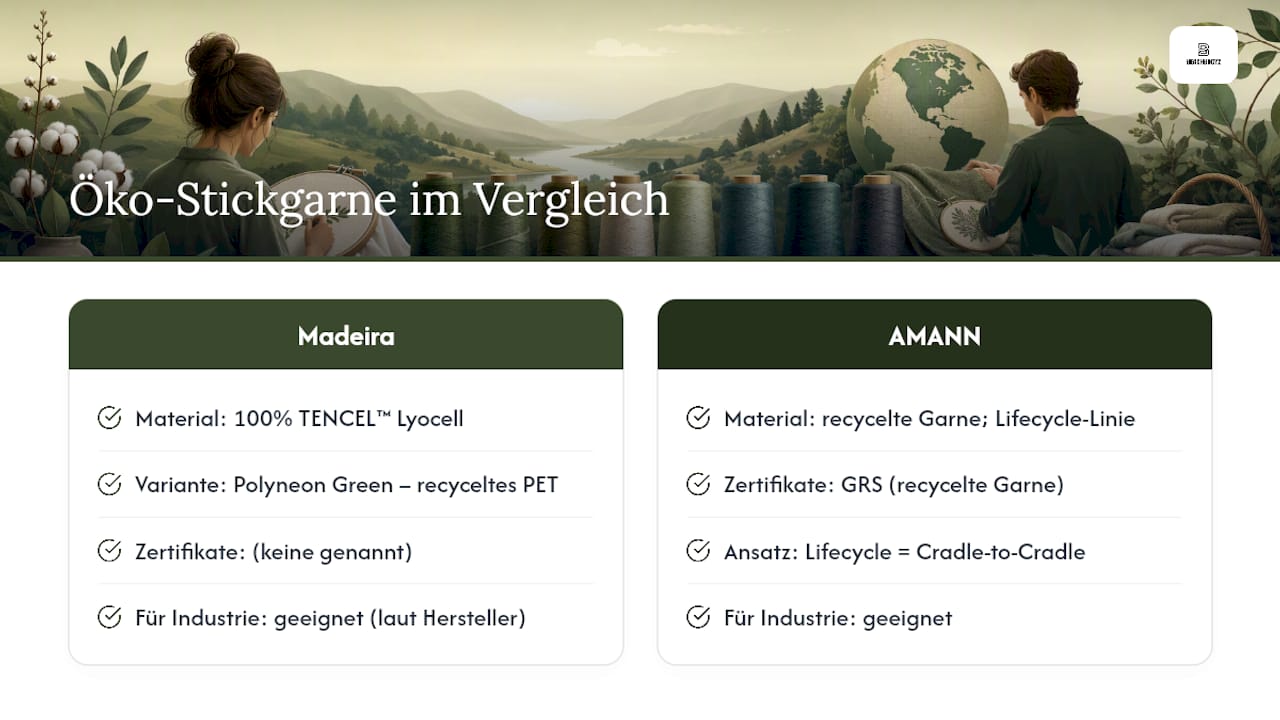
The selection of threads themselves has expanded significantly. Madeira has a thread made of 100% TENCEL™ Lyocell in its range called Sensa Green, and with Polyneon Green, a variant made from completely recycled polyester. Both lines are according to the manufacturer suitable for industrial embroidery machines without compromising on color fastness or processing. AMANN positions itself similarly with its Lifecycle and Recycled product lines: the recycled threads are GRS-certified, the Lifecycle products follow a Cradle-to-Cradle approach, and both are intended to match conventional threads in tear and abrasion resistance.
The third, often forgotten level is the auxiliary materials. Water-soluble or recycled embroidery backings significantly reduce the ecological footprint of the finishing process, but they appear in very few product descriptions.
Modern eco-embroidery threads now reach technical standards that are barely inferior to conventional thread, thus debunking the old prejudice that sustainable automatically means inferior.
Why durable embroidery is the biggest sustainability factor
The best organic thread is of little use if the embroidery frays after a year. Sustainability in embroidered clothing must be viewed holistically: only the combination of durable embroidery and high-quality processing extends the actual service life of a garment and thus lowers the need for replacement.
Three technical factors determine how long an embroidery lasts:
- Stitch density: A stitch density that is too low causes designs to thin out after only a few washes and lets the background show through.
- Backing: A solid foundation of embroidery stabilizer stabilizes the design and prevents the fabric underneath from distorting.
- Seam allowances: Sufficient margin distance from seams and edges protects the embroidery from tearing under mechanical stress.
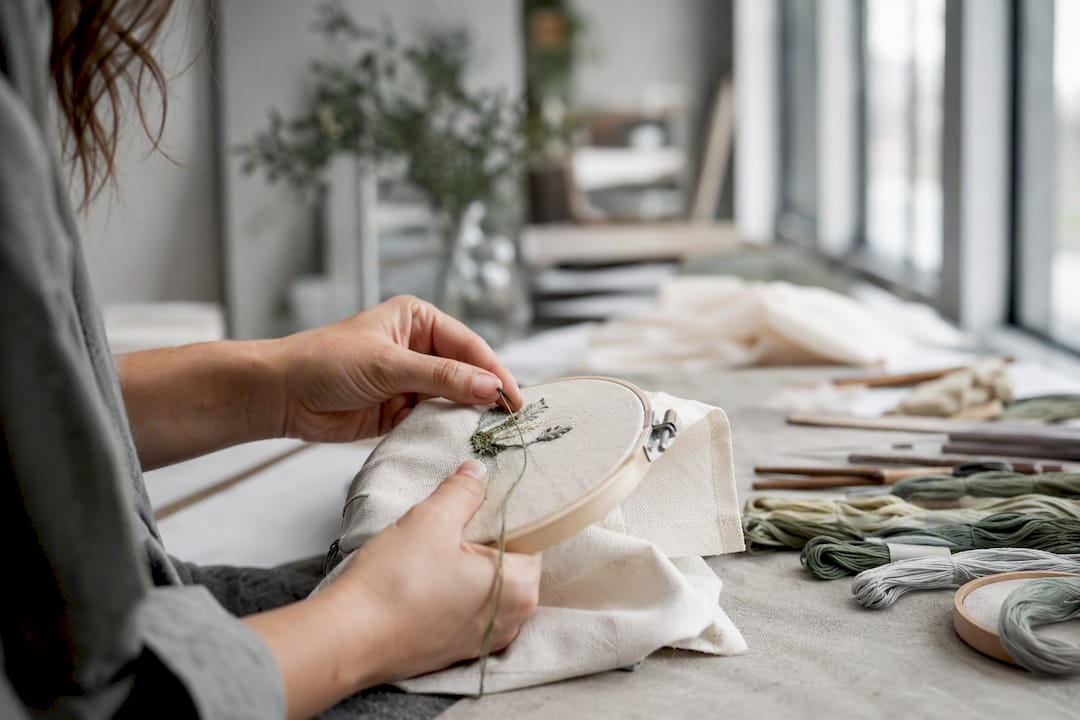
Machine embroidery generally performs better on these criteria than hand embroidery because the stitch density remains constant and can be precisely replicated. This is one reason why industrially produced embroidery on streetwear often lasts longer than handmade one-offs, even if the latter appear more charming.
Pro Tip: Look for product pages that provide concrete details on stitch density or the backing used. Anyone disclosing these details has likely also given thought to durability. More information on the practice can be found in the article about embroidered logos on sustainable streetwear.
How to properly buy and care for embroidered streetwear
The purchasing process often determines the sustainability before the garment is even delivered. Proceed systematically:
- First, check the base material: GOTS cotton or a credibly designated recycled polyester like the sustainable fabrics that many streetwear brands use today.
- Demand proof of thread for the embroidery, not just for the fabric.
- Ask for the finishing certificate, ideally GOTS or GRS for the entire production step.
- Clarify what quality guarantee applies to the embroidery itself.
For personalization itself, it is worth looking at details such as the file format of the template, the desired position on the garment, and the color system used so that the subsequent embroidery remains color-fast.
For care, the following applies: wash embroidered items at the lowest possible temperature and on a gentle cycle, preferably turned inside out. A detailed guide is provided in the article on washing clothes sustainably. If a thread does come loose, the embroidery can often be repaired instead of discarding the whole item, as described in the article on repairing clothing.
In the end, only one thing helps against greenwashing: demand evidence. Many companies advertise "sustainable thread" without actually having the finishing certified, because genuine GOTS finishing requires an audit of the entire operation and therefore remains rare, yet reliable.
How BeachBodyz implements sustainable embroidery in practice
BeachBodyz uses certified organic cotton as well as recycled materials for its streetwear collections and has them produced fairly in the EU, an approach that aligns with the criteria for final products instead of just focusing on the raw material. For personalizations such as embroidery, this means: the basis is already correct before a design is even applied.
What many brands in this segment underestimate is the processing side. A GOTS shirt with a carelessly embroidered, quickly fraying graphic loses its ecological advantage within a few months because it is replaced earlier than planned. BeachBodyz therefore relies on durable cuts in an oversized style and openly communicates quality standards instead of hiding them behind vague sustainability promises. This is no coincidence, but the logical consequence of the realization that material and processing together determine the actual service life of a garment.
— Ahmed
BeachBodyz for embroidered streetwear with a genuine ecological foundation
Anyone who takes the criteria from this guide seriously knows how rare the combination of certified base, sustainable thread, and solid workmanship actually is. BeachBodyz offers exactly this combination: organic cotton and recycled polyester as a base, fair production in the EU, and cuts designed for longevity instead of rapid wear.
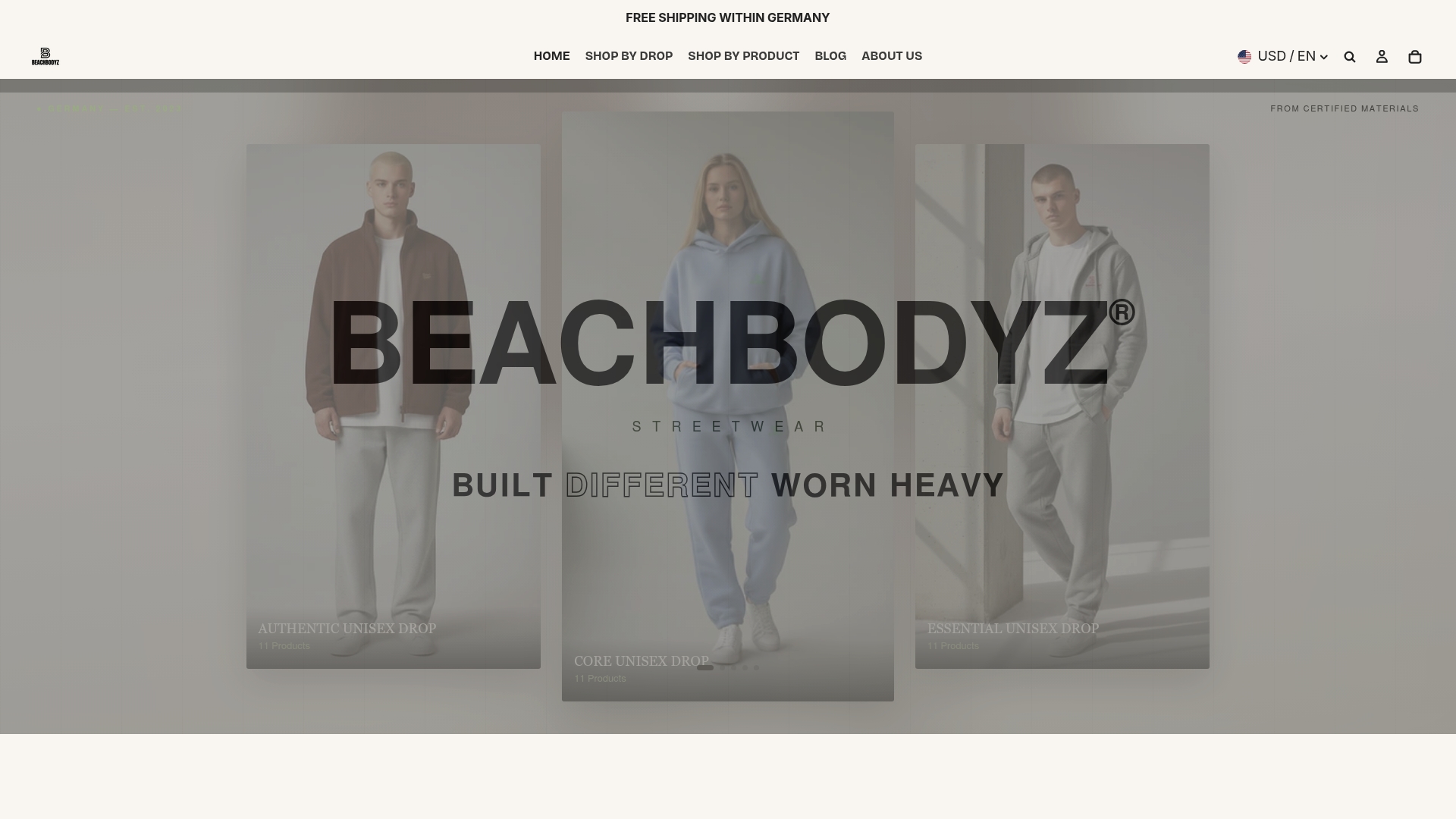
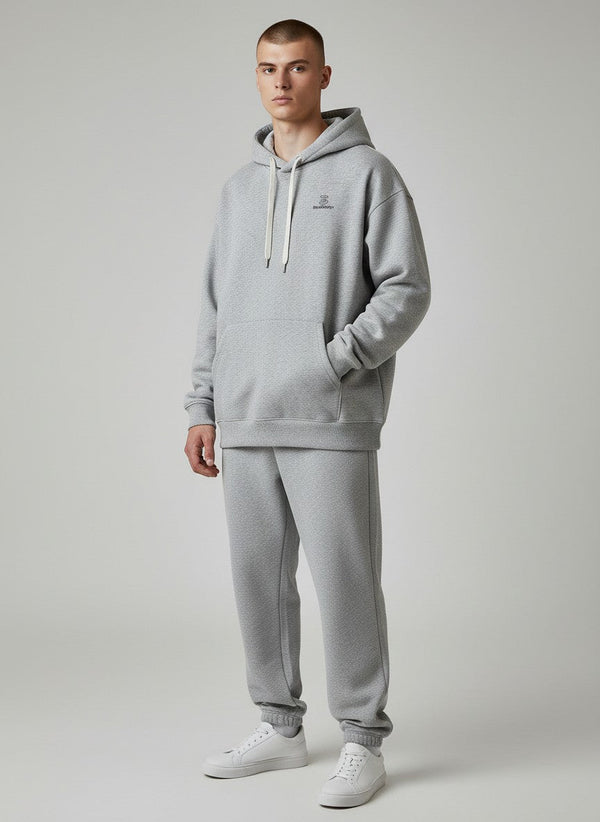
Instead of struggling through lists of certificates and manufacturer specifications, at BeachBodyz you will find oversized t-shirts, hoodies, and jackets that already meet these criteria and are suitable for individual embroidery. Those who value a skin-friendly base material will find additional guidance in the article about Lyocell as a fiber material, which is also increasingly playing a role in embroidery threads. Take a look at the current collection and check directly in the shop which item is suitable for your next personalization.
FAQ
What does "sustainable embroidery thread" mean specifically?
It refers to embroidery on sustainable streetwear where both the base material and the thread used meet certified, environmentally friendly standards such as GOTS, GRS, or OEKO-TEX®.
Is recycled polyester as embroidery thread really sustainable?
Recycled polyester with GRS certification reduces the need for new crude oil and, according to manufacturer specifications from AMANN and Madeira, is technically comparable to conventional thread, but remains a synthetic material without biodegradability.
How do I recognize greenwashing in embroidered clothing?
Demand a certificate for the complete finishing process, not just for the fabric, as many suppliers advertise "sustainable thread" without having the embroidery itself certified.
Does organic cotton hold embroidery just as well as conventional cotton?
Yes, GOTS cotton is considered particularly suitable for embroidery because it is durable and withstands embroidery tension without distorting.
Does BeachBodyz offer certified, embroiderable streetwear?
BeachBodyz manufactures its collections from organic cotton and recycled polyester, produced fairly in the EU, and is therefore suitable for personalizations such as embroidery.