For sustainably produced streetwear, an embroidered logo is in most cases the better choice because it combines durability, repairability, and a high-quality look. Anyone considering embroidering a logo on clothing today is opting for a process that firmly integrates thread into the fabric rather than just applying it to the surface. It pays off.
Three pieces of evidence support this assessment: UBA research on the longevity of clothing cites usage duration as the most important lever for sustainability. REACH chemical regulations limit harmful substances in yarns and carrier fabrics. And certificates such as GOTS or the Blue Angel provide additional guidance, even if uniform testing standards for longevity are still lacking.
Particularly well-suited are:
- Hoodies and oversized sweatshirts with thicker jersey or fleece
- Polo shirts and jackets with stable fabric
- Caps and accessories with a firm base structure
Less suitable are very thin, lightweight T-shirt fabrics, where embroidery can lead to distortion. In the rest of the text, we explain material selection, stitch types, care, and how Beachbodyz implements the whole process.
Key Takeaways
An embroidered logo measurably extends the lifespan of sustainable streetwear because it physically anchors the thread in the fabric rather than just applying color.
| Topic | Details |
|---|---|
| Durability over looks | Embroidery generally lasts significantly longer than printing because the thread is anchored in the fabric. |
| Choosing suitable clothing | Hoodies, polo shirts, and jackets with thicker fabric are more suitable than thin jerseys. |
| Placement considers seams | Logos belong on stable surfaces, never over seam allowances or the middle of thin fabric. |
| Care ensures dimensional stability | Washing at 30 degrees, no fabric softener, and gentle ironing preserve color fastness and the embroidery appearance. |
| Beachbodyz combines material and refinement | Beachbodyz offers embroidered personalization on GOTS-certified hoodies and sweatpants produced fairly in the EU. |
Table of Contents
- Why embroidering a logo on clothing suits longevity
- Which yarns and stitch types are suitable for sustainable streetwear?
- Where should a logo be placed on the garment?
- How do you properly care for embroidered streetwear?
- How does Beachbodyz implement individual logos on streetwear?
- Ordering embroidered streetwear from Beachbodyz
- Sources
- FAQ
Why embroidering a logo on clothing suits longevity
Usage duration is the decisive factor for the environmental footprint of a garment. The German Environment Agency (UBA) notes in its study on ecodesign requirements that extending the wear time benefits the environment more than any individual material detail. Two criteria can be measured here: dimensional stability after washing and color fastness.
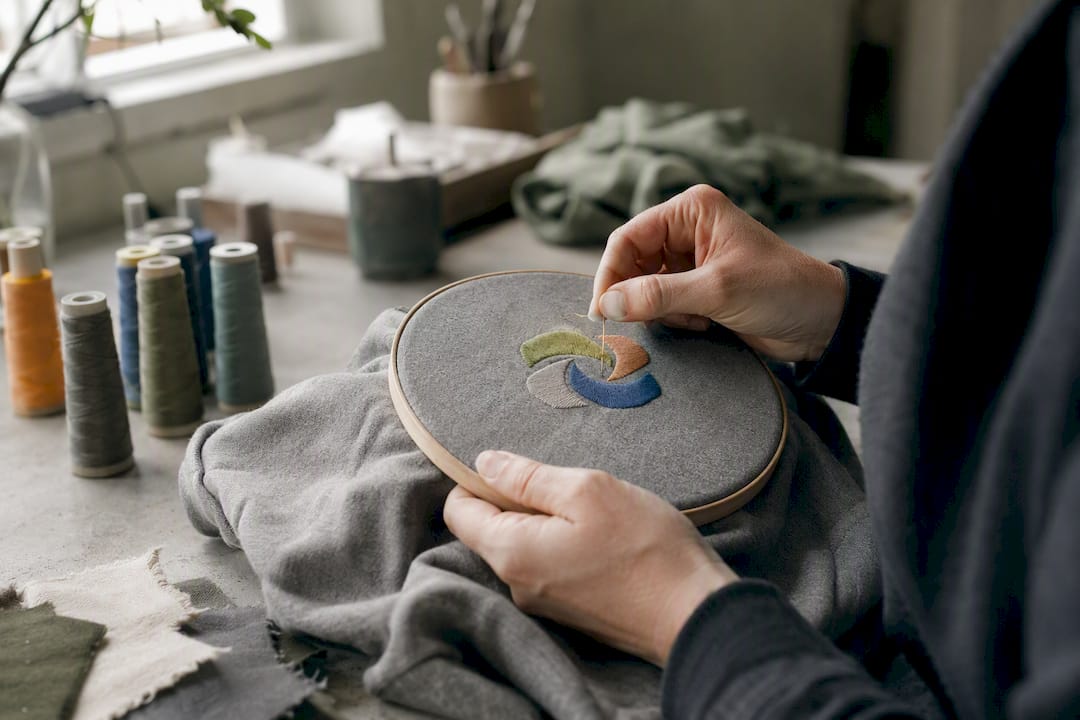
Embroidery provides exactly these qualities. Unlike screen printing, which applies a layer of ink to the fabric fiber, machine embroidery physically anchors the thread in the fabric. According to practical knowledge from textile finishing, this technique lasts for decades and survives numerous wash cycles without losing contour.
Embroidery does not peel off, it does not tear, and it barely fades. This exact physical anchoring in the fabric makes it the most durable type of refinement currently available in the textile industry.
Chemical safety also plays a role. Where REACH regulates the use of certain dyes and plasticizers, embroidery dispenses with printing chemicals anyway. This makes it a more robust foundation for GOTS-certified organic cotton.
Pro Tip: An embroidered logo can be re-embroidered if necessary instead of being completely replaced. This makes the garment more repair-friendly than printed goods, where a tear in the motif often renders the entire piece unusable.
Which yarns and stitch types are suitable for sustainable streetwear?
The choice of yarn influences both the appearance and the environmental footprint. Recycled polyester embroidery thread consumes fewer resources in production than virgin fibers and lasts just as long as classic thread. GOTS-compliant cotton yarns match the look of organic cotton carrier fabrics and provide a matte, more natural feel than shiny polyester thread.
For the stitch type, the shape of the logo is the deciding factor:
- Outline: Thin lines, ideal for intricate logos, but lacks volume and is less noticeable from a distance.
- Satin stitch: Shiny, dense surfaces for letters and narrow shapes, very durable, but susceptible to distortion beyond a certain width.
- Fill stitch (Tatami): Intended for large surfaces, textured and robust, but requires more stitch density and thus more material.
- Appliqué: A piece of fabric is sewn on and embroidered around; saves thread on large surfaces and works well on thicker fabrics.
The digitization of the motif, i.e., the conversion into an embroidery file, significantly influences how the fabric will behave later. Overly dense fill stitches on lightweight jersey pull the fabric together and cause ripples. Optimized stitch density and well-thought-out contouring improve dimensional stability while simultaneously reducing production effort.
Practical limits apply to embroiderability: fine lettering under about 5 millimeters in height tends to blur easily, and too many color changes drive up costs and error rates. If you are designing a logo for embroidery, it is better to reduce details than to force them.
Where should a logo be placed on the garment?
The position determines how long the embroidery lasts and how good it looks. These areas have proven successful:
- Left chest, classic and highly visible, without mechanical stress
- Upper arm, subtle but stable during movement
- Inside neck edge, for small brand logos without visual dominance
Seams and seam allowances are problematic. Anyone letting an embroidery machine run over a side seam risks tension tears in the fabric and a crooked embroidery pattern. Even the thin middle of a lightweight jersey will quickly distort if the motif is too large or too stitch-dense.
The size ratio between the logo and the garment should remain conservative: a logo that takes up more than about a tenth of the chest area often looks overloaded and increases the risk of distortion. For caps, softshells, and thicker fabrics, embroidery works technically more reliably because the carrier material provides more support.
Pro Tip: An edge stitch around the motif and a suitable backing on the reverse side stabilize any embroidery. Without backing, even a well-digitized logo will ripple on soft fabric.
How do you properly care for embroidered streetwear?
Care significantly determines the lifespan of the embroidery. A wash cycle that is too hot or aggressive spinning puts both the fabric and the embroidery threads under stress.
- Wash embroidered items at a maximum of 30 degrees and turn the garment inside out.
- Avoid fabric softener, which clogs fibers and threads over time.
- Spin at a low speed or let the piece air-dry.
- Never iron directly over the embroidery, but from the inside or using a protective cloth.
Those who read the care labels will usually find specific instructions on the permissible temperature there. A look at the correct interpretation of care labels helps to maintain dimensional stability and color fastness for years.
Small damages can often be repaired instead of disposing of the garment:
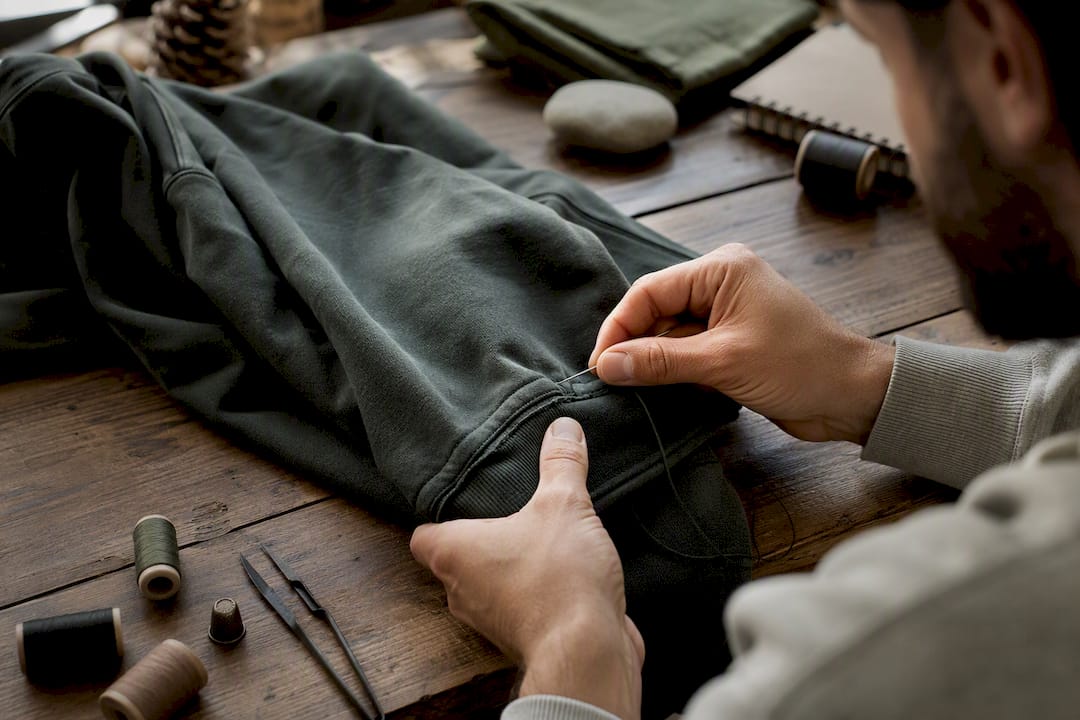
- Pull loose threads back into the fabric with a needle instead of cutting them off
- For larger defects, have them re-embroidered instead of replacing the entire motif
- Have frayed seam areas professionally reinforced before they tear open
Sustainability lever number one: According to the UBA study, a longer usage duration improves the environmental footprint of a garment more than practically any other individual measure. Those who wear their favorite embroidered piece for five years instead of two noticeably reduce their ecological footprint. Detailed instructions on wash cycles can be found in the practical wash guide for streetwear, and additional repair tips in the guide on repairing clothing.
How does Beachbodyz implement individual logos on streetwear?
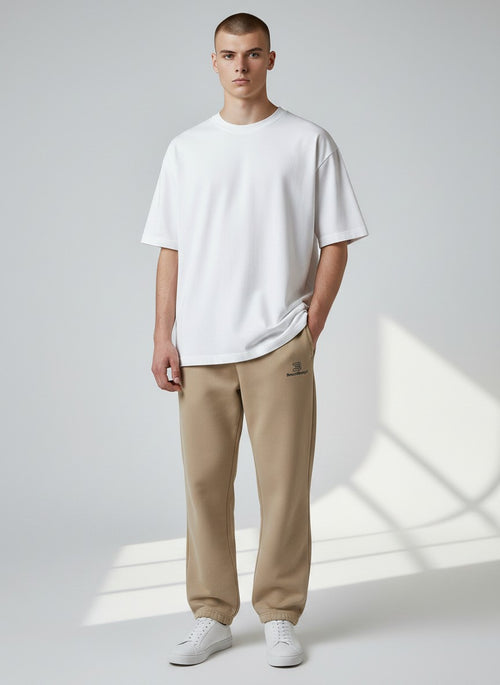
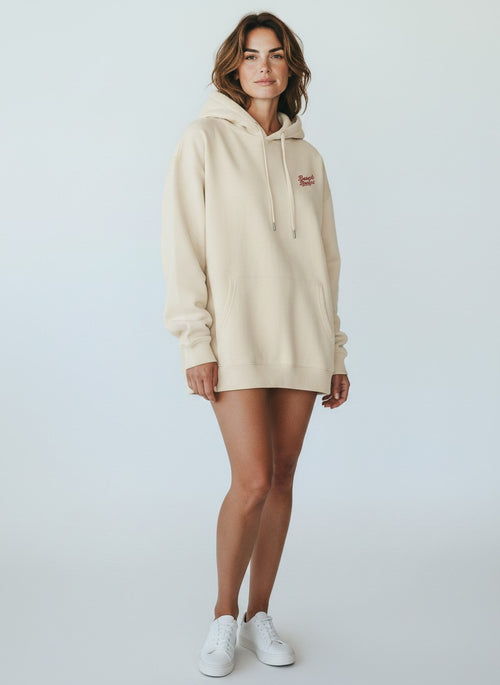
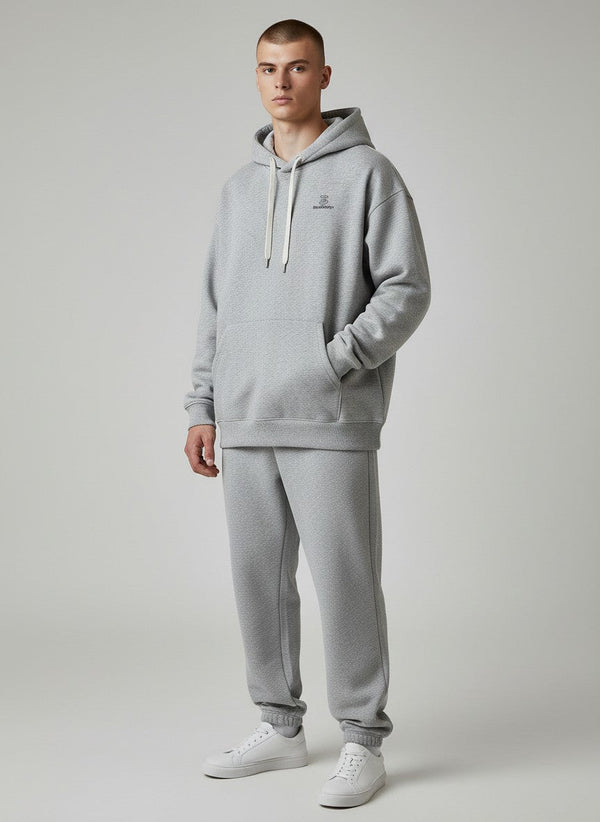
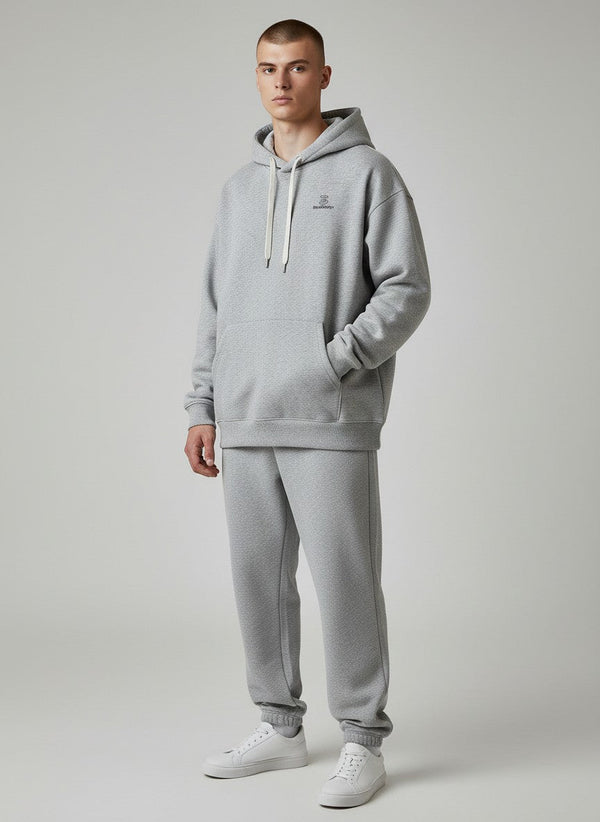
Beachbodyz processes embroidery where it makes the most sense: on hoodies, oversized sweatshirts, and jackets made of GOTS-certified organic cotton and recycled polyester. These cuts, often designed in an oversized style, offer enough surface area and fabric density for a stable embroidery image.
Every product is based on materials produced fairly in the EU with a focus on chemical safety in accordance with REACH requirements. GOTS certification covers both the cultivation of organic cotton and social criteria in processing, while criteria like the Blue Angel focus on fitness for use and freedom from harmful substances.
The process for individual embroidery follows clear steps:
- Upload logo or design, ideally as a vector file
- Digitization into an embroidery file with adjusted stitch density
- Production and quality control before shipping
Beachbodyz transparently states minimum quantities and delivery times for orders with personalization on the product page, so there are no surprises. An additional advantage over many standard providers: the combination of durable base textiles and permanent refinement extends the lifespan of the entire garment, not just the logo.
Brand perspective: Why we at Beachbodyz rely on embroidery
At Beachbodyz, we decided early on to offer personalization through embroidery instead of screen printing. The reason is simple: A hoodie made of GOTS-certified organic cotton should still look good after five years, not just after the first season. Our Streetwear Care Guide 2026 summarizes what we have learned about care and durability. Fairly produced in the EU, designed for longevity.
Ordering embroidered streetwear from Beachbodyz
Those who want to have their own logo embroidered will find a direct implementation at Beachbodyz without detours through third-party workshops. Specifically, the Identity Sweatpants made of 320 GSM organic cotton with GOTS certification are suitable for personalization because the dense fabric gives the embroidery pattern support and the certification combines chemical safety according to REACH standards with socially fair production.
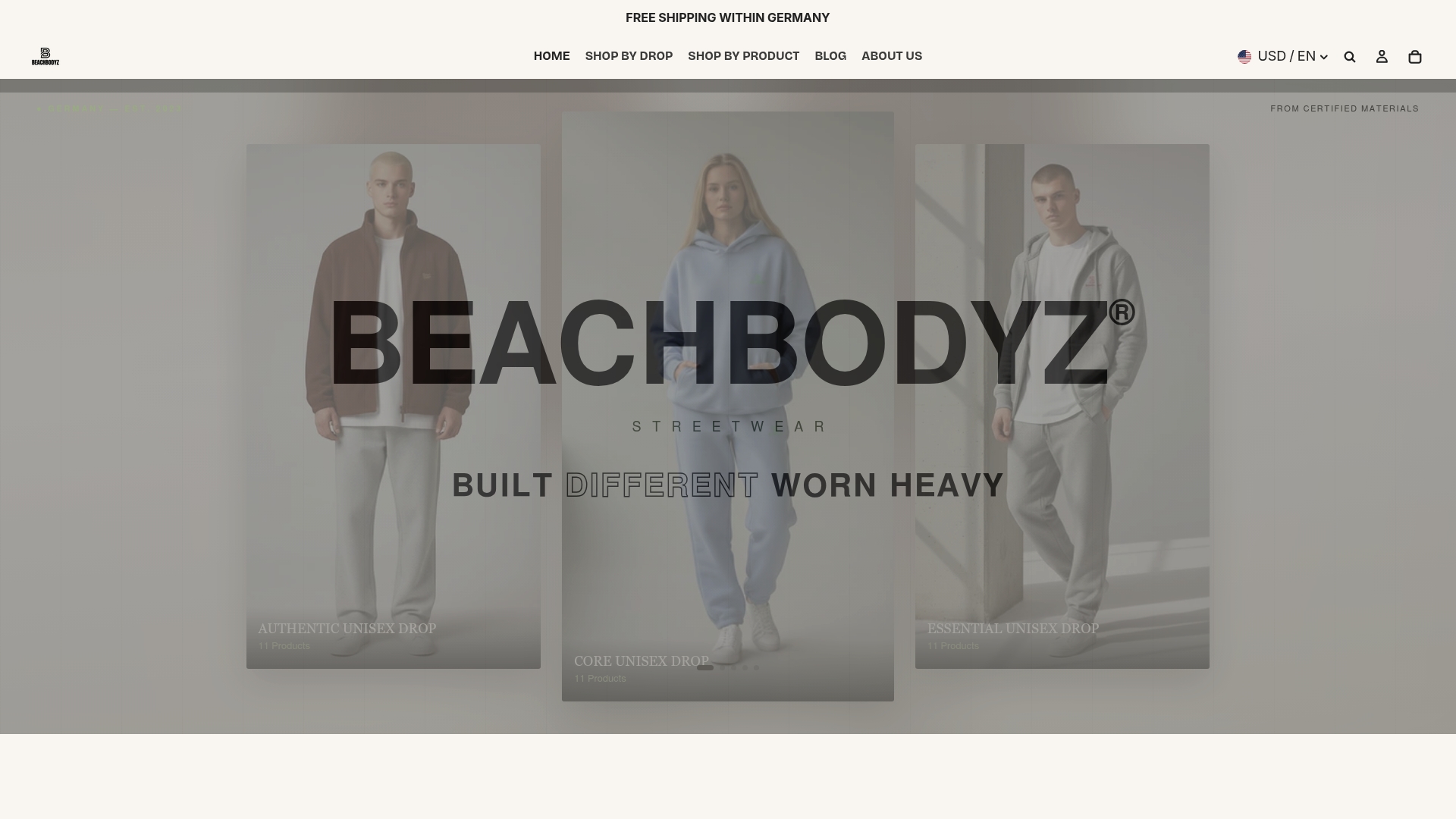
The process is straightforward: upload the logo, digitization is charged once, and then production takes place in the EU. Unlike classic advertising technology providers who often require high minimum quantities, the process at Beachbodyz remains designed for small quantities without compromising material quality. Those who would prefer to combine an already produced model with personalization will find additional variants such as the Standard Fluffy Sport Jogging Pants or the Authentic Sport Jogging Pants in the shop. Take a look at the product pages and start your individual order directly online.
Sources
FAQ
What does it cost to have your own logo embroidered?
The costs depend on the logo size, stitch density, and quantity; a one-time digitization fee is charged in addition to the unit costs.
Is embroidery better than printing for sustainable clothing?
For thicker fabrics like hoodies or jackets, embroidery is usually more durable because it works without printing chemicals and firmly anchors the thread in the fabric; for thin jerseys, printing or appliqué may be a better fit.
Which garments are best suited for an embroidered logo?
Hoodies, polo shirts, jackets, and caps with stable carrier material are best suited because thicker fabric gives the stitch pattern support.
How do I properly care for embroidered clothing?
Wash at a maximum of 30 degrees turned inside out, avoid fabric softener, and never iron directly over the embroidery.
Does Beachbodyz offer individual logo embroidery?
Yes, Beachbodyz offers embroidery on GOTS-certified hoodies, sweatshirts, and sweatpants, produced fairly in the EU with transparent delivery times.