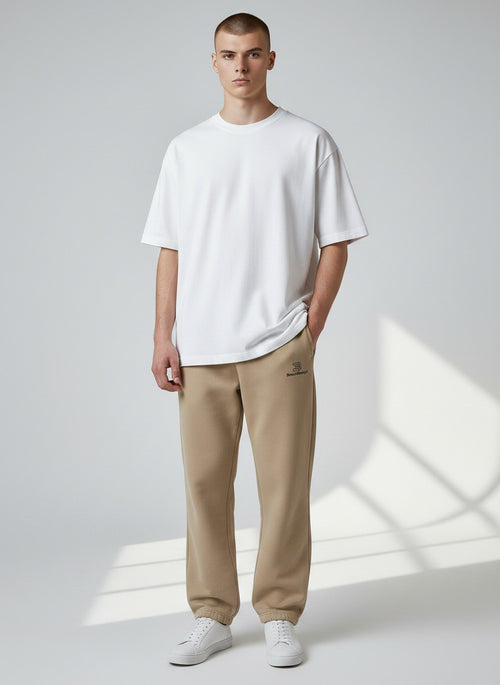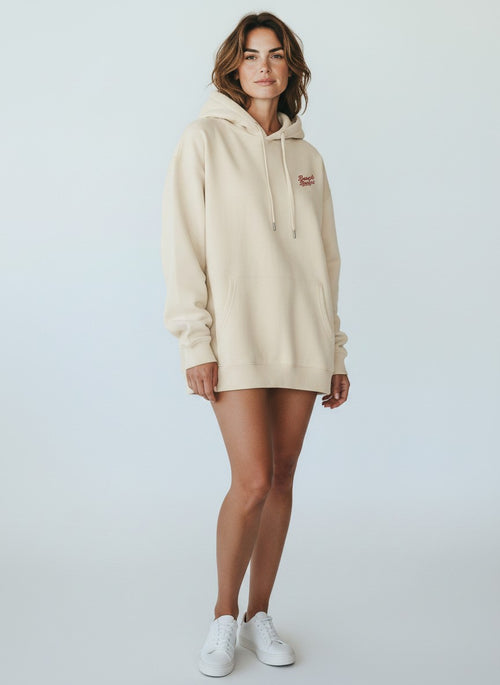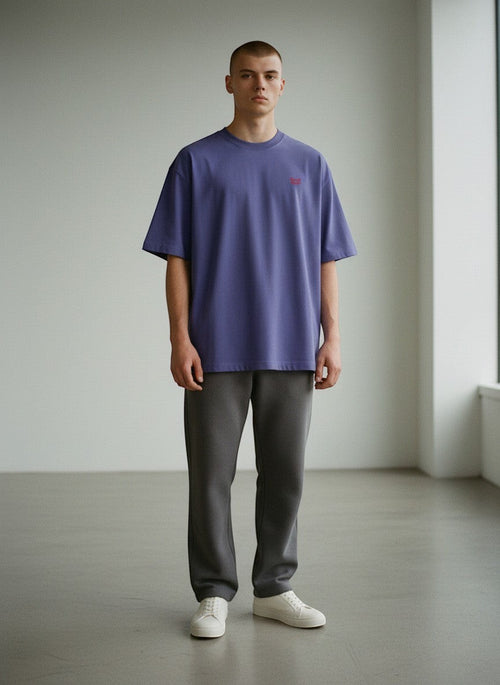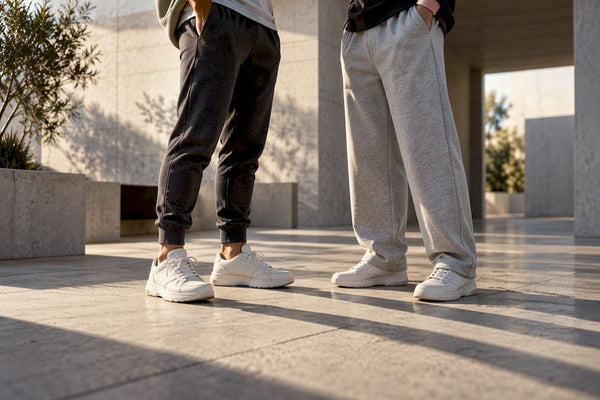
Layering Guide 2026: The right way to layer streetwear
Layering is the supreme discipline of streetwear. In 2026, layering garments will become even more important - for style, functionality, and individuality. Learn the art of perfect layering.
Why layering is so important in 2026
Layering offers more than just warmth: Versatility: One outfit for different temperatures Individuality: Personal style through combinations Functionality: Adapting to weather and activity Sustainability: Getting more out of fewer garments
The basics of layering
The 3-layer rule
1. Base layer (foundation layer) Function: Moisture management and comfort Materials: Cotton, merino, performance fibers Examples: T-shirt, tank top, long sleeve Tip: Should fit snugly, but not constrict
2. Mid layer (insulation layer) Function: Thermal insulation and style Materials: Fleece, wool, down Examples: Hoodie, sweatshirt, cardigan Tip: This is where you can play with colors and patterns
3. Outer layer (protective layer) Function: Protection against wind and weather Materials: Waterproof or wind-resistant fabrics Examples: Jacket, coat, windbreaker Tip: Should offer enough room for layers underneath
Streetwear layering combinations
1. The Classic Urban Look Base: White T-shirt Mid: Gray hoodie Outer: Black bomber jacket Bottom: Black joggers Shoes: White sneakers
2. The Sophisticated Street Look Base: Black long sleeve Mid: Beige sweatshirt Outer: Navy overshirt Bottom: Tapered joggers Shoes: Minimalist sneakers
3. The Experimental Layer Look Base: Striped long sleeve Mid: Oversized hoodie (half-open) Outer: Utility vest Bottom: Cargo pants Shoes: Chunky sneakers
Color coordination in layering
Monochrome looks Different shades of one color: Gray tones: Light gray, medium gray, anthracite Blue tones: Light blue, navy, dark blue Beige tones: Cream, sand, camel Contrast combinations Opposing colors for tension: Black + white: Classic and timeless Navy + beige: Elegant and relaxed Gray + orange: Modern and eye-catching
Proportions and fits
The silhouette rule Slim + oversized: Snug base, loose mid layer Oversized + slim: Loose base, snug outer layer Balanced: All layers similar in width Length play Staggered lengths: Each layer slightly longer Asymmetrical lengths: For experimental looks Uniform lengths: For clean silhouettes
Avoiding common layering mistakes
❌ Don'ts: Too many layers: Maximum 4 layers Wrong sizes: Each layer should have room Too many patterns: Maximum one patterned piece Poor material choice: No static or scratchy fabrics Ignored proportions: Consider body shape
✅ Do's: Quality over quantity: Few, but good pieces Consider functionality: Practicality is important Experiment: Try new combinations Use accessories: Caps, bags, jewelry Prioritize comfort: Maintain freedom of movement
Seasonal layering spring/summer
Layering Guide 2026 — expanded and deepened
This expanded guide builds on the basics. It is intended specifically for streetwear lovers. It takes into account trends for 2025 and 2026. It is both practical and inspiring. It respects sustainable production. All products mentioned are part of our philosophy: BUILT DIFFERENT and 📍MADE IN EU🇪🇺.
Why layering is so important in 2026 — deeper reasons
Layering is not just fashion. Layering is also technology. It combines materials science with aesthetic sensitivity. In 2026, we are seeing more transitional weather. This requires clever outfits. A well-planned layering strategy reduces bad purchases. It increases everyday comfort. It allows you to master spontaneous temperature extremes. It reduces energy consumption because you aren't constantly heating or cooling. It is an expression of personal style and responsibility. When you combine consciously, you achieve maximum impact with minimal consumption. Our collections support this principle. Many pieces are made from organic cotton. Jackets are made from recycled polyester. We use premium weights like 400gsm for hoodies, 320gsm for sweatshirts and joggers, as well as 180gsm for T-shirts. These values represent durability and feel. In 2026, the quality promise is more important than ever. It is part of our brand: BUILT DIFFERENT. All items come from EU production. This means short supply chains and controlled standards. That is why we carry the 📍MADE IN EU🇪🇺 label consciously and proudly.
The 3-layer rule — practically applied
Base layer. It forms the foundation. It regulates moisture. It is close-fitting. It should be breathable. GOTS-certified 180gsm T-shirts are ideal. They feel good. They hold their shape. They are durable.
Mid layer. It provides thermal insulation. It is the heart of the styling. 400gsm hoodies provide structure. 320gsm sweatshirts are flexible. Mid layers can be patterned. They can have a generous fit. They are often the statement in the look. A good example is an Authentic Oversize Hoodie. It is made from GOTS-certified organic cotton. It is thick enough to guarantee warmth. It is cut in an oversized fit to create air layers.
Outer layer. It protects against wind and rain. Jackets are often made of recycled polyester. The material is weather-resistant. It is lightweight. It is sustainable. A windbreaker made from recycled material blocks light spray. A bomber jacket offers urban flair. The Authentic Bomber Jacket is a classic. It is robust. It is designed to fit several layers underneath. For harsher weather, we recommend the Signature Bomber Jacket. It combines protection and style and is also made of recycled polyester.
Material guide: What really matters in 2026
Material choice determines comfort. Material choice determines durability. Here is an overview of materials and their properties.
GOTS-certified organic cotton
GOTS stands for ecological and social standards. All hoodies, T-shirts, and joggers in our collection are made of organic cotton. This offers transparency. It reduces environmental impact. GOTS cotton feels soft. It is breathable. It ages well. 400gsm hoodies retain their shape and warmth. 320gsm sweatshirts and joggers are versatile. They are suitable for layering. 180gsm T-shirts are ideal as a base layer.
Recycled polyester
Jackets and windbreakers use recycled polyester. It is lightweight. It dries quickly. It is wind- and water-resistant. This fabric is suitable as an outer layer. It protects reliably. It is a sustainable alternative to virgin materials. Our Authentic Windbreaker is an example. It is functional and fashionable. It fits into any urban wardrobe.
Fleece and technical inserts
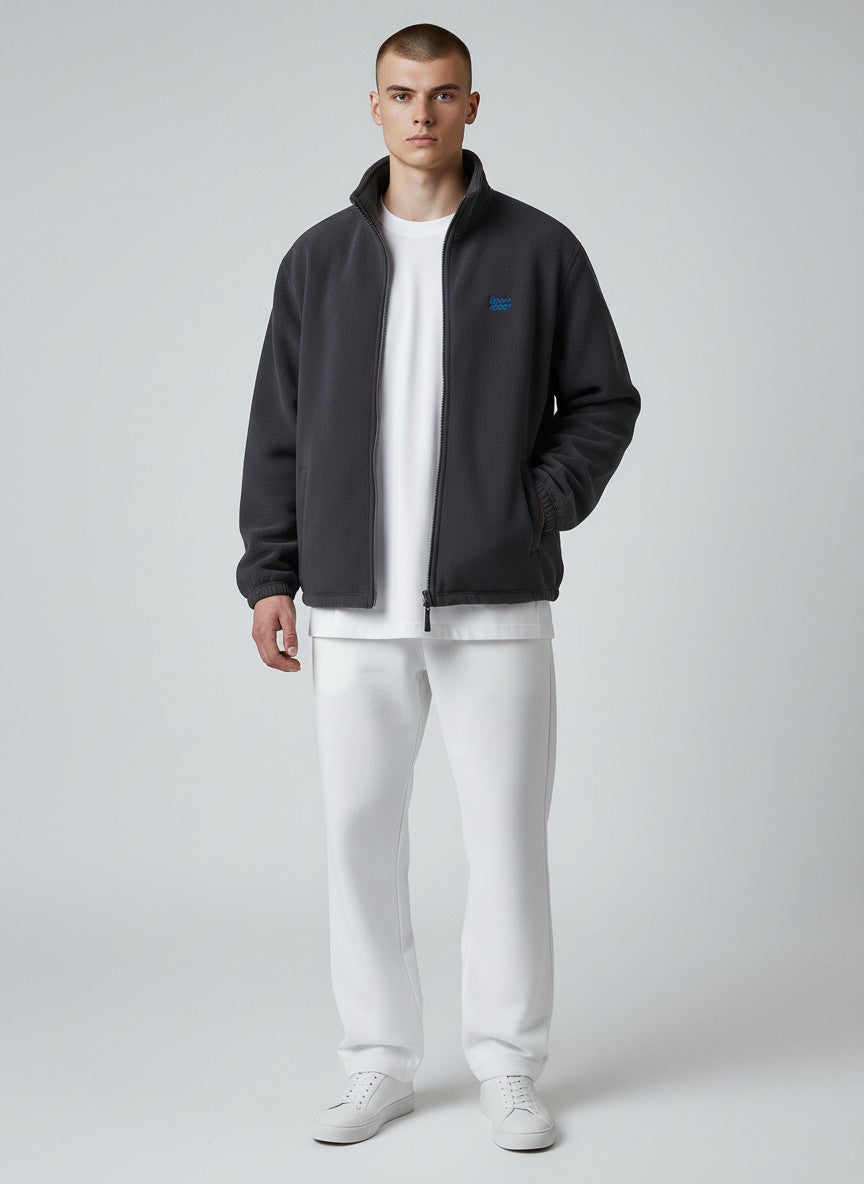
Fleece insulates very well. It is flexible and lightweight. Our fleece jackets like the Signature Fleece Jacket or the Authentic Fleece Jacket combine comfort with an urban look. They are perfect as a mid layer. They are breathable. They dry quickly. They can be worn well in a wide variety of silhouettes.
Fit, proportions, and silhouettes detailed
The right fit is essential. It influences the effect of every layer. Pay attention to shoulder lines. Pay attention to arm lengths. Pay attention to waistbands. An outer layer that is too tight ruins the look. Base layers that are too large look misshapen. Combine consciously. Slim base + oversized mid is a modern classic. Oversized base + slim outer looks intentionally edgy. Balanced silhouettes are minimalist. They work especially well in monochrome looks.
Color concepts and color combinations
Monochrome looks always work. They are easy to combine. Different shades of one color look sophisticated. Gray in several tones creates depth. Blue in different nuances looks urban. Contrasts create tension. Black/white remains timeless. Navy/beige looks understatedly elegant. Gray/orange is a modern accent. Color blocks can be large. Different textures reinforce the effect. A matte hoodie next to shiny nylon has depth.
Layering combinations with concrete products
Classic Urban reinterpreted: White T-shirt (180gsm) as base. Gray hoodie (400gsm) as mid. Black bomber jacket made of recycled polyester as outer. Combined with 320gsm black joggers. White sneakers complete the outfit. The bomber jacket could come from the Authentic Bomber Jacket collection.
Sophisticated Street Look: Black long sleeve (180gsm) as base. Beige sweatshirt (320gsm) as mid. Navy overshirt as outer. Tapered joggers from our Jogger Collection as bottom. Minimalist sneakers as a finish.
Experimental Layer: Striped long sleeve as base. Oversized hoodie half-open as mid. Utility vest or light windbreaker as outer. Cargo pants as bottom. Chunky sneakers as a conclusion. An Authentic Drop piece fits perfectly into this look.
Expert tips for perfect layering
1. Plan in layers. Think about which temperatures you might expect. Pack flexibly. A light mid layer can disappear into a backpack. An outer layer should always be weather-resistant.
2. Use textures. A smooth nylon jacket over a fleece hoodie creates contrast. Such contrasts look intentional and high-quality.
3. Invest in a few, but good pieces. Quality pays off in everyday life. Our premium weights guarantee durability.
4. Pay attention to seams and cuts. Neatly finished edges make layers sit better.
5. Think about freedom of movement. If a hoodie fits tightly under a jacket, the silhouette looks forced. Excess volume should be planned consciously.
6. Changeable accessories are crucial. Caps, beanies, scarves, and bags change an outfit instantly. Use them actively.
7. Use internal pockets. Internal pockets are practical for technical outer layers. They protect your smartphone or keys. This keeps the outfit clean.
8. Take care of your favorite pieces. Well-maintained garments retain their shape and color longer. Care instructions are important. They extend the life cycle.
9. Combine colors with intent. A targeted accent color can define a look. Use small pops of color instead of many patterns.
10. Try new silhouettes. 2026 is experimental. The courage to use oversize and tailoring rewards you with unique looks.
Styling tips — concrete and actionable
1. Collar play: A stacked collar shows depth. A turtleneck long sleeve under a hoodie looks elegant. An open hoodie over a T-shirt looks casual.
2. Neckline and chains: A deeper neckline creates space for necklaces. A simple chain brings focus to the upper body.
3. Emphasize the waist: With several layers, a belt can structure a silhouette. This works particularly well with oversized looks.
4. Trouser proportions: A tailored jogger balances out a voluminous top. Tapered cuts are versatile.
5. Pay attention to footwear: Thick socks and sneakers harmonize with heavy hoodies. Slim slip-ons work with clean, monochrome layering.
6. Courage to use asymmetrical lengths: A longer T-shirt under a short hoodie creates interesting lines.
7. Use patterns sparingly: A striped long sleeve under a solid-colored jacket looks fresh. More than one pattern can quickly look chaotic.
8. Mix materials: Cotton, nylon, wool, and leather can work together. Pay attention to weight and stretchability.
9. Functional details: Zippers, snaps, and reinforcements can be highlighted. They tell a story.
10. Seasonal swap: Swap light mid layers in the summer. Trade down for thin fleece for transitional days.
Comparisons — which combination suits you?
Minimalist vs. Experimental. The minimalist prefers few colors. They rely on high-quality basics. The experimental loves prints and unusual cuts. They combine opposites consciously. Both approaches are valid in 2026.
Urban Commuter vs. Weekend Explorer. The urban commuter needs clean lines and light protective layers. The weekend explorer prefers more function and robustness. A durable windbreaker suits the commuter. A robust fleece jacket accompanies the explorer.
Sporty vs. Tailored. The sporty look relies on joggers and technical jackets. Tailored combines narrower pants with more structured jackets. Both can be mixed.
Outfit combinations — 12 concrete looks for spring to winter
Look 1: Spring urban. Base: White 180gsm T-shirt. Mid: Light 320gsm sweatshirt. Outer: Thin windbreaker made of recycled polyester. Bottom: Tapered joggers. Shoes: Sneakers. Accessory: Cap. A piece from the Hoodie Collection complements the set.
Look 2: Cool summer evenings. Base: Tank top (180gsm). Mid: Thin oversize hoodie (400gsm) worn open. Outer: Utility vest. Bottom: Cargo shorts. Shoes: Low-sneakers.
Look 3: Office-friendly streetwear. Base: Black long sleeve. Mid: Beige sweatshirt. Outer: Navy overshirt. Bottom: Tapered joggers. Shoes: Clean leather sneakers.
Look 4: Fall layering. Base: Long-sleeved shirt. Mid: Fleece jacket (Signature Fleece Jacket). Outer: Bomber jacket made of recycled polyester. Bottom: Jeans or joggers.
Look 5: Rainproof urban. Base: Quick-drying T-shirt. Mid: Thin sweatshirt. Outer: Waterproof windbreaker. Bottom: Joggers with zipper detail.
Look 6: Minimalist monochrome. Base: Gray T-shirt. Mid: Light gray hoodie. Outer: Dark gray jacket. Bottom: Gray tone-on-tone joggers.
Look 7: Weekend Explorer. Base: Thermal shirt. Mid: Fleece jacket. Outer: Heavy-duty bomber jacket. Bottom: Cargo pants. Shoes: More robust sneakers.
Look 8: Evening out. Base: Simple T-shirt. Mid: Thin cardigan. Outer: Light jacket. Bottom: Slim joggers. Shoes: Minimalist sneakers.
Look 9: Layered tailoring. Base: Shirt as base layer. Mid: Structured sweatshirt. Outer: Overshirt or light jacket. Bottom: Tapered joggers or chinos.
Look 10: Street performance. Base: Performance shirt. Mid: Light hoodie. Outer: Windbreaker with reflective details. Bottom: Tech-joggers.
Look 11: Festival streetwear. Base: Graphic tee. Mid: Oversized hoodie open. Outer: Utility vest. Bottom: Cargo shorts. Shoes: Chunky sneakers.
Look 12: Winter layering. Base: Thermal long sleeve. Mid: Thick hoodie 400gsm. Outer: Weatherproof bomber jacket. Bottom: Lined joggers.
Care tips for long-lasting layers
1. Wash as needed. Don't over-wash. This preserves fibers.
2. Use gentle wash cycles. 30°C is often sufficient for cotton.
3. Avoid high spin cycles for bulky hoodies. This protects the structure.
4. Use liquid detergent. It dissolves better at low temperatures.
5. Close zippers. This protects delicate fabrics.
6. Wash prints and appliqués inside out. This keeps colors intense.
7. Air dry if possible. Direct sunlight can fade colors.
8. Recycled polyester jackets can often be machine dried. Check the care label.
9. Repair instead of throwing away. Renewing small seams extends the lifespan.
10. Store in breathable bags. Avoid plastic for long-term storage.
FAQ — frequently asked questions (2025/2026)
1. What does BUILT DIFFERENT mean?
BUILT DIFFERENT stands for our philosophy. It means conscious design. It means high quality. It means sustainable production. It means functionality and style combined. It is a promise to our community.
2. Are all hoodies and joggers really GOTS-certified?
Yes. Our hoodies, T-shirts, and joggers are made of organic cotton. This guarantees ecological and social standards in production. They are available in premium weights like 400gsm and 320gsm. This makes them robust and comfortable to wear.
3. What material are the jackets made of?
Our jackets and windbreakers are predominantly made of recycled polyester. This material is lightweight, weather-resistant, and sustainable. Examples are the Authentic Windbreaker and the bomber jackets.
4. How many layers are ideal?
A maximum of four layers is practical. In most situations, three layers are sufficient. The art is to balance warmth and freedom of movement. Use airy spaces for effective insulation.
5. How do you combine colors without errors?
Focus on a main theme. Choose a base color. Complement with a maximum of two accent colors. Use different textures for depth. Monochrome looks are easy and safe.
6. Which pieces are suitable as transitional jackets?
Light bomber jackets or windbreakers are ideal. Our Authentic Fleece Jacket is a good example. It fits over hoodies and sweatshirts. It is made of recycled material and is pragmatic in everyday life.
7. Where are the pieces produced?
Our products are made in the EU. This is part of our sustainability concept. That is why we proudly wear the 📍MADE IN EU🇪🇺 label. Short transport routes and audited production conditions are important to us.
Comparison: GOTS cotton vs. conventional cotton
GOTS cotton is organically grown. It uses no harmful pesticides. Conventional cotton often uses synthetic chemicals. GOTS guarantees better working conditions. Garments made from GOTS are often more durable. They protect the environment throughout their entire life cycle.
Comparison: Recycled Polyester vs. Virgin Material
Recycled polyester reduces waste. It saves crude oil as a resource. Virgin material often has a higher carbon footprint. Recycled materials often meet the same functional requirements. In outer layers, they are one of the best sustainable options.
Tips for Layering in Different Climates
Temperate climate. Rely on several thin layers. They can be flexibly put on and taken off. Cold climate. Rely on insulating mid layers and robust outer layers. Supplement with thermal base layers.
Humid climate. Use quick-drying materials on the inside. Avoid heavy, moisture-absorbing fabrics as an outer layer. Dry, cold climates. Warmth in the mid layer is crucial. Use fleece or wool as an insulator.
How to Plan the Perfect Purchase for Layering
Analyze your wardrobe. Which basics are missing? Invest in high-quality base layers first. Then mid layers. Finally, invest in a weatherproof outer layer. Look for neutral colors for maximum combinability. Use collections like the Signature Drop for special pieces.
Sustainability and Longevity in Practice
Buy fewer, but better items. Repair instead of replace. Upcycle sorted-out garments. Consciously integrate second-hand pieces. Pay attention to care labels. Conscious washing saves water and energy.
Internal Sources of Inspiration
Our collections are designed to make layering easier. Take a look at the Jacket Collection. Discover new hoodies in the Hoodie Collection. Find signature pieces in the Signature Drop. The Authentic Drop offers classic basics with a modern twist.
Conclusion — Your Layering in 2026
Layering in 2026 is more than just a fashion trend. It is a mindset. It combines style and function. It is sustainable when implemented consciously. Use high-quality basics and sustainable outer layers. Rely on GOTS-certified cotton and recycled polyester. Choose garments with a clean fit. Combine colors carefully. Experiment with textures. Think in layers. Think about movement and everyday suitability. Our collections support you in this. BUILT DIFFERENT is not just a slogan. It is a promise of quality. It is a promise of responsibility. And it is a promise of style. Every piece, whether hoodie, t-shirt, or jacket, reflects this. All hoodies and sweatpants offer 400gsm and 320gsm comfort respectively. T-shirts provide 180gsm as the perfect base. Jackets use recycled polyester for protection and lightness. Our production remains local in the EU. That is why we proudly carry the label 📍MADE IN EU🇪🇺.
Have fun trying out and layering. Your style can tell a lot. Layer intelligently. Layer sustainably. Layer so you feel good.