In a nutshell:
- Washing at 30°C instead of 40°C significantly reduces power consumption and extends the life of clothing. Proper sorting, dosing, and drying protects fibers, reduces microplastics, and promotes sustainable textile care. Sustainable streetwear should be washed at 30°C, air-dried, and fabric softener should be avoided.
Washing at 30°C instead of 40°C, filling the drum to about 80%, and airing clothes more often instead of washing: these are the three measures that have an immediate effect. The German Environment Agency confirms that power consumption per wash cycle drops significantly when the temperature is reduced from 40°C to 30°C. Those who also pay attention to care labels and opt for detergents with eco-labels protect both fibers and the environment. Beachbodyz products made from GOTS-certified organic cotton and recycled polyester directly benefit from these care habits.
Quick checklist:
- Reduce temperature to 30°C
- Fill drum to ~80%
- Separate hard and soft textiles
- Dose detergent correctly, check eco-label
- Air dry instead of tumble drying
Energy savings: According to the German Environment Agency, switching from 40°C to 30°C saves over 35% of electricity per wash cycle.
Table of Contents
- Why does incorrect washing harm the environment and clothing?
- How to wash sustainable streetwear correctly, step by step?
- How to properly care for organic cotton and recycled polyester?
- How to really reduce microplastics when washing?
- Air drying or tumble dryer: What protects fabric and the environment?
- How do temperature and program affect costs and time?
- Care instructions from Beachbodyz for GOTS cotton and recycled hoodies
- Key takeaways
- Why the topic of care is important to me
- Beachbodyz: Sustainable streetwear that lasts longer
- Further reliable sources
- FAQ
Why does incorrect washing harm the environment and clothing?
Every wash cycle consumes energy, water, and releases fibers. In the case of synthetic components such as recycled polyester, microfibers are released, which enter water bodies via wastewater. ÖKO-TEST identifies washing machine fiber abrasion as a significant source of microplastics and refers to Fraunhofer studies on this topic.
Excessively high temperatures put more strain on fibers, accelerate color loss, and shorten wear time. Wearing a garment longer means buying replacements less often. This is the most direct contribution to climate protection that care can make.
Motto: Proper care extends lifespan, reduces replacement purchases, and saves resources.
How to wash sustainable streetwear correctly, step by step?
A clear sequence prevents the most common mistakes when washing organic cotton and recycled materials.
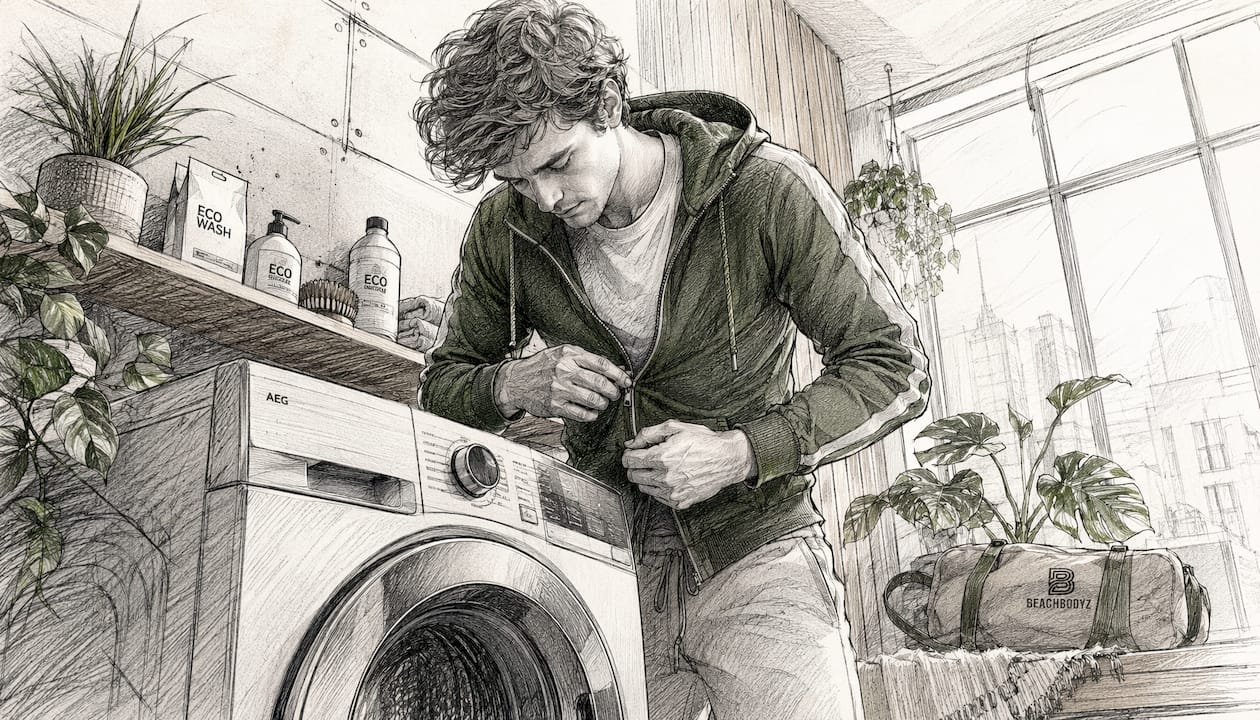
- Check care label. GOTS-labeled items bear care symbols: a tub with 30 means machine wash at a maximum of 30°C, a crossed-out tub means hand wash. Close zippers, empty pockets.
- Sort. Wash hard surfaces like jeans or items with rivets separately from soft items like hoodies and fleece. Wash dark colors separately.
- Fill drum. About 80% full, leaving about a hand's width of space. This reduces mechanical friction and fiber abrasion.
- Select program. 30°C for most colored and cotton items. Eco programs are more energy-efficient but take longer. Keep spin speed moderate.
- Dose detergent. Prefer concentrates or powders. Look for the Blue Angel or EU Ecolabel. Do not overdose.
- After-treatment. Leave the drum open after washing so that moisture can escape. Run a 60°C cleaning program without laundry once a month.
Pro tip: Open zippers and Velcro fasteners in the drum act like sandpaper. Always close them before putting laundry in the machine. And: the delicate wash cycle is not automatically more environmentally friendly. It often uses more water, which can increase fiber abrasion.
How to properly care for organic cotton and recycled polyester?
The two main materials of sustainable streetwear require different treatments.
Organic Cotton (GOTS-certified)
Wash at 30°C or colder, spin gently (maximum 800–1000 rpm), reshape when drying. Avoid fabric softener: it builds up in the fibers and impairs breathability. Treat stains locally with gall soap or baking soda instead of washing the entire load at a hot temperature.
Recycled Polyester Blends
Spin less, wash highly abrasive items separately. Synthetic fibers dry quickly, so choose short spin programs. Dose detergent sparingly, as polyester binds residues more strongly than cotton.
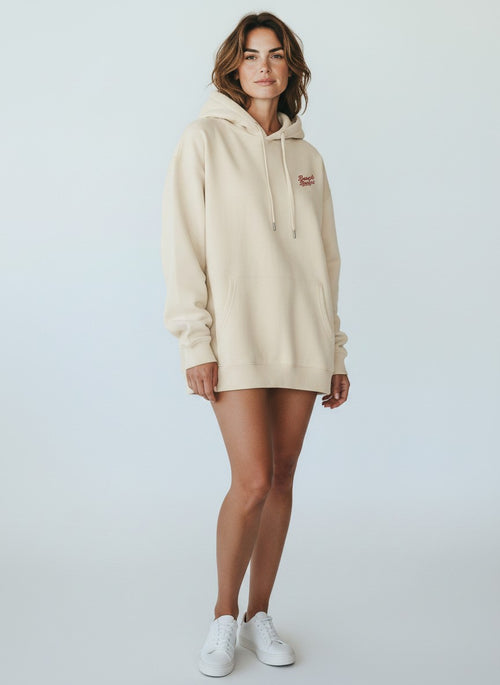
Pro tip: If you're caring for a Beachbodyz oversized hoodie made of organic cotton, choose 30°C, spin at a maximum of 800 rpm, and air dry flat or hung. No tumble dryer, no fabric softener.
Beachbodyz recommends for all products made of GOTS cotton: Wash at 30°C, prefer air drying, avoid fabric softener. These three points preserve color, shape, and fiber structure the longest.
How to really reduce microplastics when washing?
Synthetic fibers made from recycled polyester release microfibers during washing. Several measures help reduce this release.
- Sort by surface: Wash hard textiles (jeans, jackets with rivets) separately from soft items. Less friction means less fiber abrasion.
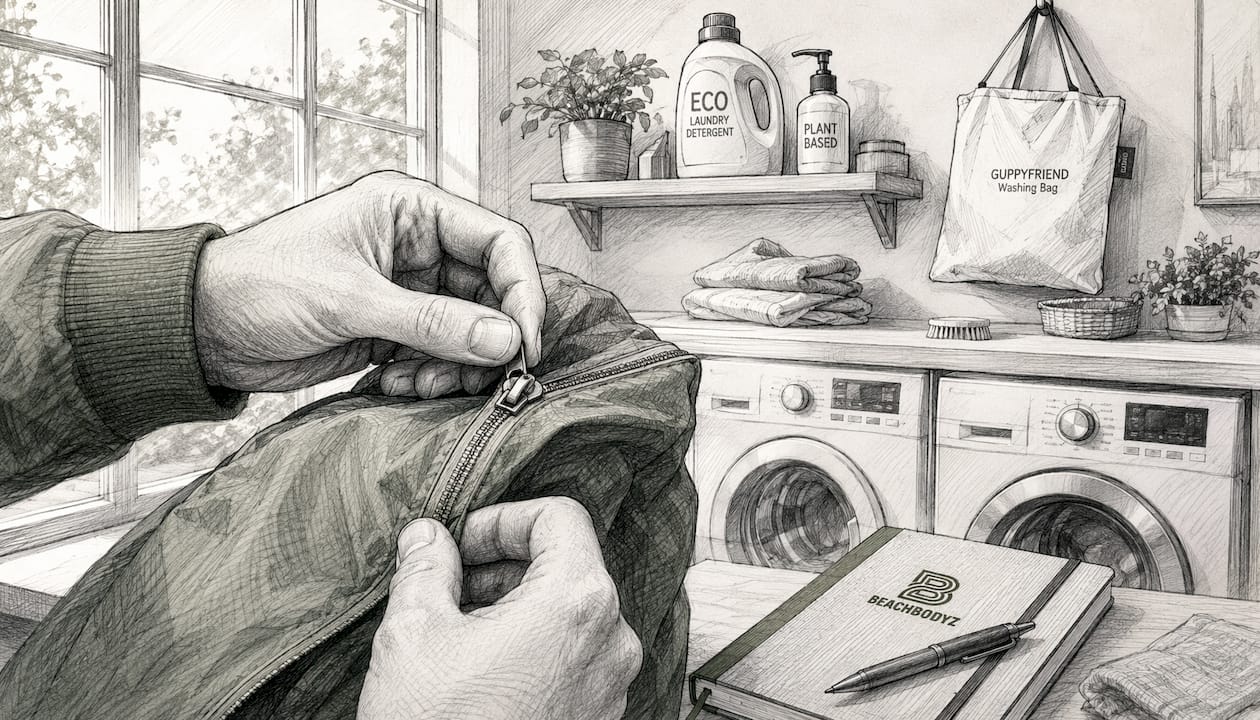
- Use wash bags: The Guppyfriend wash bag traps broken fibers before they enter the wastewater. External machine filters are another technical option.
- Eco program instead of delicate cycle: Delicate programs often use more water, which can increase fiber abrasion.
- Wash less often: Airing instead of washing is an underestimated lever for fiber protection.
- Clean the lint filter: Empty at least every three months so that fibers do not return to the laundry.
Pro tip: Closed zippers and Velcro fasteners significantly reduce the mechanical roughening of other textiles in the rotating drum. A simple measure with a direct effect.
Air drying or tumble dryer: What protects fabric and the environment?
Air drying is the clear first choice. It consumes no electricity, protects fibers, and reduces microfiber emissions. Tumble dryers put more strain on fibers and can exacerbate microplastic problems, as reports from 2025 show.
For synthetic fiber content: dry flat or hung, avoid direct sunlight for dark colors. If using a tumble dryer due to time constraints, select a low temperature and a short program.
Motto: Air drying extends shape and color, reduces pilling and fiber breakage.
How do temperature and program affect costs and time?
Lower temperatures save energy. Eco programs take longer but are more efficient per unit of energy. Washing less often reduces overall costs over the lifespan of clothing.
| Setting | Effect on Energy | Effect on Duration | Recommendation |
|---|---|---|---|
| 30°C instead of 40°C | Over 35% less electricity | Same or shorter | Standard choice for colored and cotton laundry |
| Eco program | Low consumption | Longer (often 2–3 hours) | For normal soiling |
| Drum ~80% full | More efficient per kg | No change | Always aim for this |
| Air drying | No electricity consumption | Longer | Prefer |
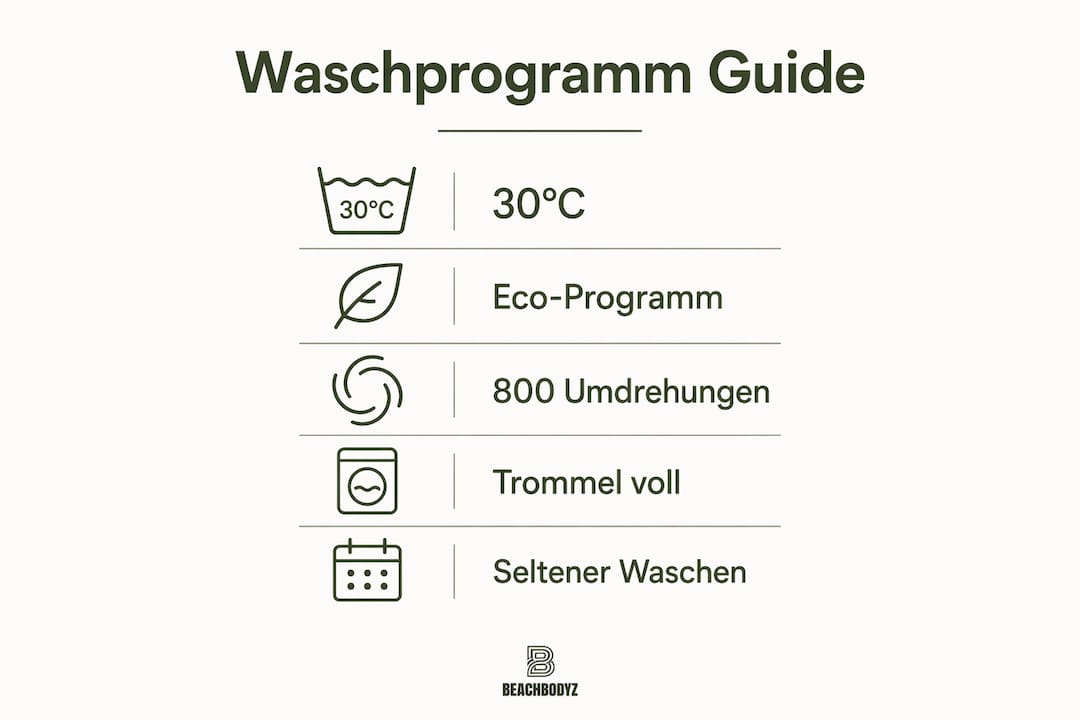
The German Environment Agency confirms: over 35% electricity savings when switching from 40°C to 30°C. Those who also fully utilize the drum save additional water and energy per kilogram of laundry.
Care instructions from Beachbodyz for GOTS cotton and recycled hoodies
Beachbodyz relies on GOTS-certified organic cotton and recycled polyester, produced fairly in the EU. The oversized cuts and dense knits of the hoodies and sweatshirts require specific care to maintain their shape and structure.
Do’s: Wash at 30°C, close zippers, pre-treat stains locally, air dry, observe care label.
Don’ts: Persistently high temperatures, fabric softener, high spin speeds for blended fabrics, tumble dryer for oversized organic cotton items.
Durable clothing starts not with purchase, but with care. Anyone who washes a Beachbodyz item made of GOTS cotton correctly will wear it for years longer and thus reduce their actual resource consumption.
The Streetwear Care Guide from Beachbodyz contains further material-specific information for all product groups.
Key takeaways
Washing clothes sustainably means: 30°C, full drum, wash less often, and check for eco-labels on detergent.
| Topic | Details |
|---|---|
| Reduce temperature | At 30°C instead of 40°C, power consumption drops by over 35%, according to the German Environment Agency. |
| Fill drum correctly | Approximately 80% fill level reduces friction and fiber abrasion with every wash cycle. |
| Reduce microplastics | Separate hard and soft textiles, use a Guppyfriend wash bag or machine filter. |
| Choose detergent | Look for the Blue Angel or EU Ecolabel, dose correctly, prefer powder. |
| Beachbodyz care | Wash GOTS hoodies at 30°C, prefer air drying, avoid fabric softener. |
Why the topic of care is important to me
Sustainability doesn't end with the purchase of a garment. Anyone who buys an item made of organic cotton or recycled polyester and then throws it into the dryer at 60°C loses a large part of the ecological benefit. This is the point that many brands don't emphasize enough.
Beachbodyz has decided to treat care instructions as an integral part of brand communication, not as fine print on the label. Because the lifespan of a garment is the strongest sustainability argument of all. A hoodie that lasts five years is ecologically more valuable than three hoodies that look worn out after one year.
The recommendations in this article are based on data from the German Environment Agency, consumer protection agencies, and ÖKO-TEST. Not theory, but proven practice.
Beachbodyz: Sustainable streetwear that lasts longer
Anyone who buys clothes that are built for durability from the start has a clear advantage when washing: fewer compromises, clearer care instructions, better materials.
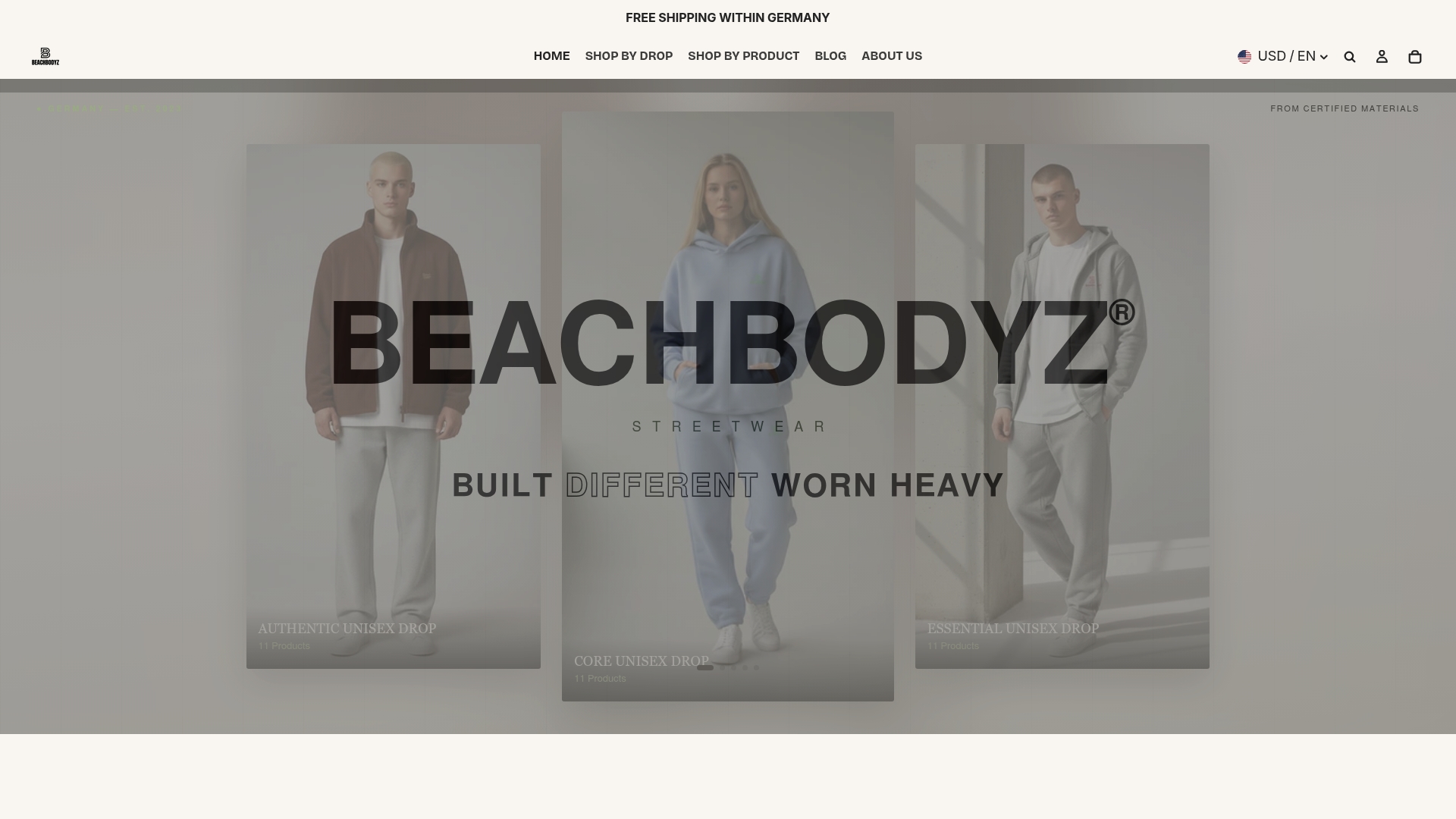
Beachbodyz offers GOTS-certified basics and recycled hoodies, produced fairly in the EU. The Identity Oversize Hoodie made of organic cotton and the GRN House Sigil Zip Jacket made of recycled material are two products that directly benefit from the care habits in this guide. Washed correctly, they last for years. All products are shipped climate-neutrally and are suitable for personalizations such as embroidery. The complete shop can be found at beachbodyz.de.
Further reliable sources
- German Environment Agency (umweltbundesamt.de): Energy questions, temperature recommendations, drum loading.
- Blue Angel (blauer-engel.de): Criteria for environmentally friendly detergents, product search.
- EU Ecolabel / Euroblume (Verbraucherzentrale Hamburg): Guidance on detergent selection, environmental and skin compatibility.
- Consumer Advice Centre (verbraucherzentrale.de): Airing instead of washing, detergent comparison.
- ÖKO-TEST (oekotest.de): Microplastic studies, wash bag tests, product reviews.
- Bavarian State Ministry (stmelf.bayern.de): Sorting rules for microplastic reduction.
FAQ
What temperature is right for sustainable washing?
30°C is sufficient for most colored and cotton items. The German Environment Agency confirms electricity savings of over 35% compared to 40°C.
How do I reduce microplastics when washing?
Separate hard and soft textiles, close zippers, use a Guppyfriend wash bag or machine filter, and wash less often.
Which detergent is environmentally friendly?
Detergents with the Blue Angel or EU Ecolabel meet tested environmental requirements. Powder is often more ecologically sensible than liquid detergent, as it does not contain preservatives.
How do I properly care for an organic cotton hoodie?
Wash at 30°C, spin at a maximum of 800–1000 rpm, air dry, and avoid fabric softener. Beachbodyz recommends this care for all GOTS products.
Is air drying really better than tumble drying?
Yes. Air drying consumes no electricity, is gentle on fibres and reduces microfibre emissions. Tumble dryers put more strain on textiles and can exacerbate microplastic problems.