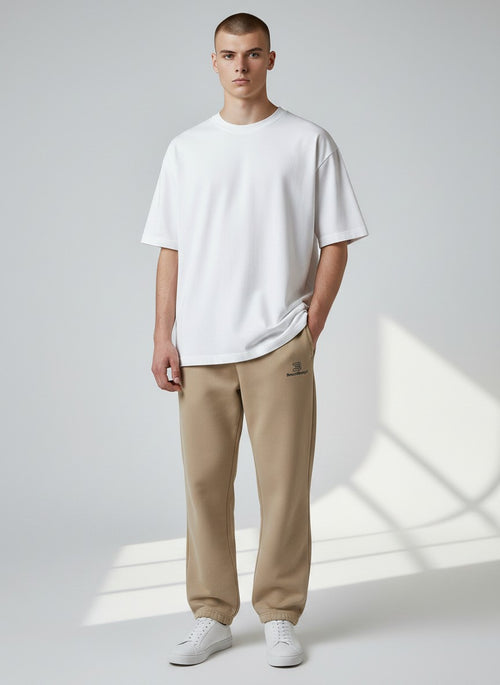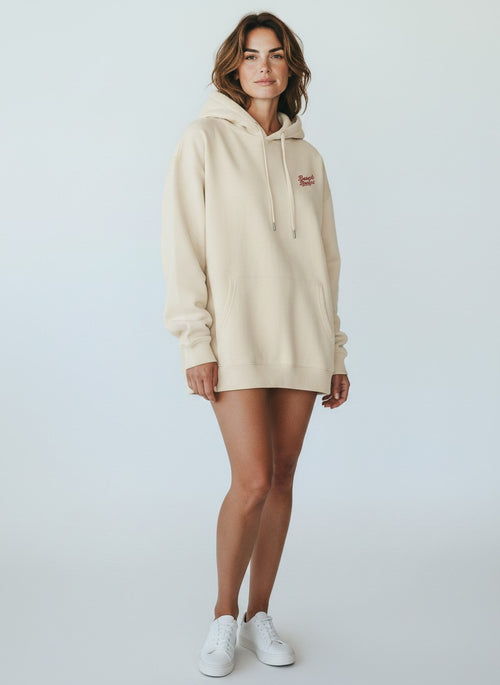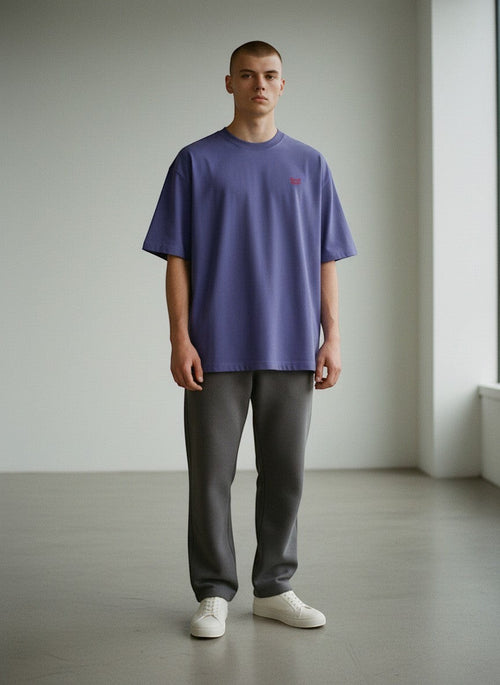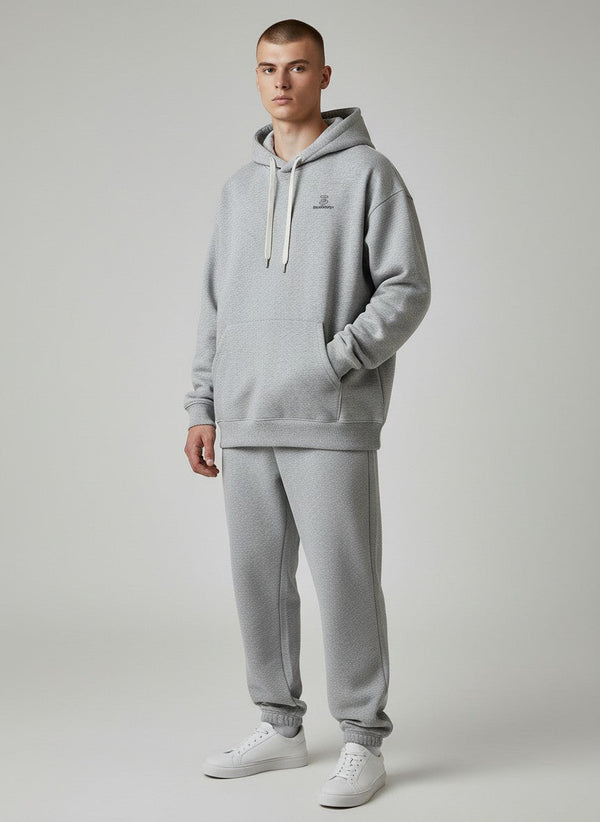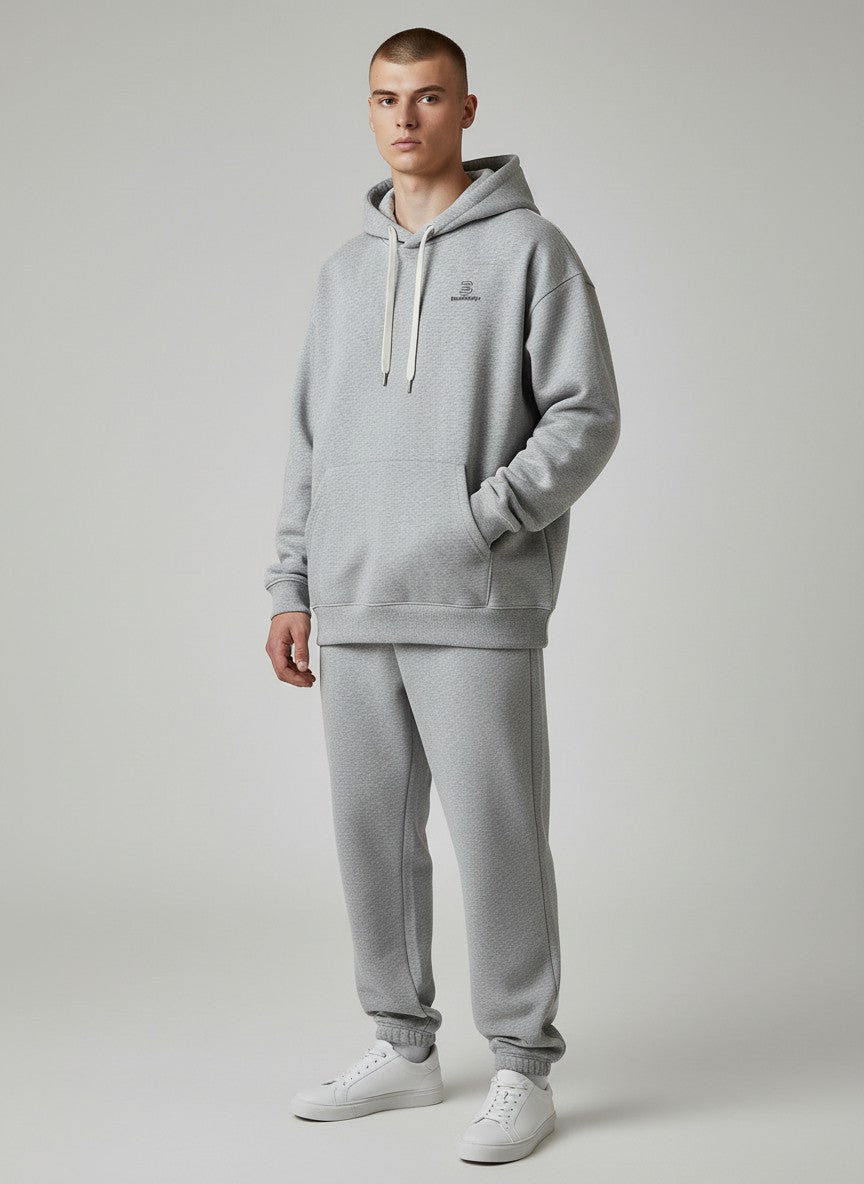
The heavyweight hoodie fit is key when oversize is meant to look intentional, bold, functional, and unisex. In this guide, you’ll learn how cut, fabric weight, and proportions work together, why the kangaroo pocket, hood, and ribbed cuffs shape your silhouette, and how to use a heavyweight hoodie fit to transition between sporty, smart casual, and creative office looks. BeachBodyz was founded in Germany in 2023 and focuses on fair production in Europe, substantial fabric weights, and durable embroidery—exactly the ingredients you need to confidently master the heavyweight hoodie fit. We translate technical details into clear decisions: Which size? Which length? How to style it with a jacket, T-shirt, sweatpants, or denim? How do the shape and feel hold up after many washes? And where do the boundaries of the dress code lie? Here you’ll find concrete formulas, error checklists, and care instructions—step by step for your everyday life, where the heavyweight hoodie fit looks not only comfortable but also present and precise. The key is the interplay between real body measurements, fabric weight, freedom of movement, and the environment in which the outfit is worn.
Ready to turn theory into practice? Start with bold oversize silhouettes that fit: Get your hands on the styles from our Oversize Hoodie Men & Women Collection. For clean, versatile style, we recommend the Standard Oversize Hoodie 350 g/m² – Organic Cotton, Black Embroidery, while the Signature Oversize Hoodie 350 g/m² – Organic Cotton, White Embroidery or the clean Identity Oversize Hoodie 350 g/m² – Organic Cotton, White Embroidery make a statement. Choose your favorite base and put your heavyweight hoodie fit into action.
Understanding the Heavyweight Hoodie Fit: Silhouette, Measurements & Balance
The heavyweight hoodie fit starts with three building blocks: width, length, and depth. Width refers to the shoulder and chest width, length affects the torso and sleeves, and depth describes the volume created by fabric weight and construction. A clear heavyweight hoodie fit relies on intentional width at the shoulders and chest, which drapes loosely without looking “baggy.” The drop-shoulder effect can be visible, but the shoulder seam should reach your upper arm, not end at your elbow. Too-long sleeves are balanced by solid ribbed cuffs that pull the volume back.
How do you find your balance? Measure a T-shirt you love and add 8–14 cm to your desired width, depending on how bold you want your heavyweight hoodie fit to look. 8–10 cm create a reserved, relaxed contour, while 12–14 cm create a distinct oversize silhouette. Fabric weight creates drape: At 300–350 g/m², the hoodie rests noticeably but controlled against the body. This dampens wrinkles and gives the hem weight. This is exactly where a heavyweight hoodie fit shows its strength: structure without stiffness.
Pay attention to the back length. A hoodie that covers about half the seat remains practical for everyday wear and makes the legs look longer. If the heavyweight hoodie fit is too long, the proportions shift downward. One trick: Play with layering lengths, such as a longer T-shirt underneath, to break up the vertical line. This draws the eye and keeps the silhouette streamlined. For a unisex fit: The key is not “men’s” or “women’s,” but shoulder width, chest depth, and arm length. Rely on a measuring tape and mirror, not just the label size.
Production and workmanship contribute to the effect. MADE IN EU means, in this context: consistent sizing, reliable seams, and neatly set ribbed cuffs. This makes the heavyweight hoodie fit reproducible—you know what you get and can consciously choose between moderate and pronounced oversize. Always think of the fit as a tool: A heavyweight hoodie fit should make you look taller, calmer, and more confident—never accidental or sloppy.
The Dress Code Spectrum and the Heavyweight Hoodie Fit in Everyday Life
Streetwear is context-sensitive. The same heavyweight hoodie fit can look effortless in a startup but may only work in a corporate environment with precise styling. The key is the silhouette, the feel of the material, and the accompanying pieces. The more structured the environment, the calmer the colors and the more defined the proportions. Smart rules help you translate your heavyweight hoodie fit into different work environments—without a clash of styles.
Orientation by Environment
In creative fields, your heavyweight hoodie fit can be more voluminous; for client meetings, a defined cut under a coat or a clean workwear jacket is recommended. Pay attention to tonal looks, high-quality sneakers, or simple Derbys. In conservative settings: keep the hood subtle, prints minimal, and embroidery fine. Tailored, dark trousers balance volume on the upper body.
| Workplace Type | Outfit Formula | Allowed Streetwear Elements | Cautions |
|---|---|---|---|
| Startup / Tech | Heavyweight Hoodie Fit + Wide Denim + Minimal Sneakers | Drop Shoulder, Tone-on-Tone, Subtle Embroidery | Too-Long Sleeves; Conspicuous Logos During Pitches |
| Creative Agency | Heavyweight Hoodie Fit + Wool Coat + Leather Sneakers | Layering with T-Shirt Hem, Substantial Fabric Feel | Bright Color-Blocking During Client Meetings |
| Corporate Casual | Heavyweight Hoodie Fit + Chinos + Simple Derbys | Dark, Calm Tones; Fine Embroidery | Too Oversized Under Blazers; Tie Hoodie Drawstrings |
| Production / Logistics | Heavyweight Hoodie Fit + Rugged Cargo + Work Sneakers | Function Over Decoration; Sturdy Ribbed Cuffs | Secure the Hood; No Wide Drawstrings |
| Government / Bank (Strict) | Heavyweight Hoodie Fit Under a Coat, Very Subtle | Monochrome, Clean Edges | Hoodie Often Inappropriate—Check in Advance |
| Remote / Video | Heavyweight Hoodie Fit + Smooth T-Shirt, Calm Color | Clean Shoulder Line for the Camera | Too-Bright White Tones, Overexposure on Screen |
Remember: The heavyweight hoodie fit works when it shows intention. Use clear contrasts (voluminous upper body, slim legs) or orchestrate tonality (dark hoodie, dark trousers, light sneakers). Where streetwear is not appropriate—such as at formal pitches, job interviews in conservative industries, or representative client events—revert to a shirt, knitwear, or a suit. Your heavyweight hoodie fit can then be reserved for the commute, breaks, or the creative part of the day.
Materials, Construction, and the Heavyweight Hoodie Fit
Fabric weight and knit type are the hidden architects of your silhouette. Between 300 and 350 g/m², a heavy, defined drape is created that keeps the heavyweight hoodie fit clean. Lining, rib quality, and drawstring casing determine how the hoodie behaves after washing and whether the cuffs pull the volume back. Organic cotton—as indicated in the model name—delivers a soft feel with a robust structure. Durable embroidery creates clear brand accents without looking stiff.
Workmanship That Supports
Clean seams at the shoulder and side seam stabilize the line. Dense ribbed cuffs form a counterweight to the boxy body, preventing the heavyweight hoodie fit from “running out” at the bottom. A double-fabric hood construction provides shape, while the drawstring remains functional but subtle. For zip-ups, the casing along the zipper is important so that the front looks structured even when open.
Models with 350 g/m² emphasize the heavyweight hoodie fit in everyday wear—one reason many opt for heavier oversize hoodies. Those who need flexibility for temperature management choose 300 g/m² zip-up variants: open layering, airflow, and variable depth. For care, stick to low spin speeds, wash inside out, and gently shape the garment while damp. This keeps your heavyweight hoodie fit consistent—even after many rounds in everyday life.
Practical: Organic cotton, where indicated, and EU production mean reliable sizing consistency across batches. This gives you planning security when you want to build out the same heavyweight hoodie fit in multiple colors or variants—such as a hoodie, sweatshirt, and zip-up hoodie as a coordinated system for the week, office, and weekend.
Shape, Layering, Everyday Life: Put your looks together modularly now. Start with light bases from the Oversize T-Shirt Men & Women Collection, combine with clean trousers from the Oversize Sweatpants Men & Women Collection, and add structure from the Oversize Sweatshirt Men & Women Collection. For precise temperature management, we recommend the zip-ups: Essential Zip Hoodie 350 g/m² – Organic Cotton, Red Embroidery, Motion Zip Hoodie 350 g/m² – Organic Cotton, Blue Embroidery, and Identity Zip Hoodie 350 g/m² – Organic Cotton, White Embroidery. For dense texture: Authentic Oversize Sweatshirt 350 g/m² – Organic Cotton, Gold Embroidery and Silence Oversize Sweatshirt 350 g/m² – Organic Cotton, Gold Embroidery. This keeps the heavyweight hoodie fit on point every season.
Colors, Layering, and the Heavyweight Hoodie Fit in Styling
Color controls the perception of shape. Dark tones bundle volume, while light tones open up the surface. A tonal combination—such as an anthracite hoodie, dark gray trousers, and white sneakers—makes the heavyweight hoodie fit look calm but present. Contrasts work when they are deliberately dosed: a light hoodie with black trousers, or a subtle color accent through socks or a cap. Keep embroidery minimal so the material and silhouette can speak.
Layering Strategies
Base layer: A smooth oversize T-shirt with a slightly longer hem frames the hoodie; it creates depth without adding bulk. Over it: A structured jacket tightens the line. For transitional weather and winter, a clean outerwear layer works well—for example, a field jacket, a workwear jacket, or a straight coat. Layered over a bold heavyweight hoodie fit, the outer layer brings structure to the look, making streetwear office-appropriate.
Choose outerwear that carries volume rather than fighting it. Broader shoulders, sufficient armhole width, and a straight front allow the hood and kangaroo pocket to look natural under the jacket. You can find inspiration in the Streetwear Jackets Men & Women collection; it shows how cuts with drop shoulders and bold hoodies work together. Complete the set with clean trouser shapes—slim tapered or straight—to focus the heavyweight hoodie fit.
Fine details sharpen the look: Slightly roll up the sleeves to make a watch or bracelet visible; tie the drawstrings so they do not distract; press the hood edge flat. Those who make the heavyweight hoodie fit smart pay attention to the neckline: An open zip-up creates a V-shape that elongates; a pulled-up hood creates a frame for the face and glasses. Both ways work—the key is to control the look consciously.
Avoiding Mistakes, Care & Longevity for the Heavyweight Hoodie Fit
The most common mistake is the wrong length. A very long heavyweight hoodie fit bunches; too-short sleeves make oversize look accidental. Also avoid armholes that are cut too wide: They look sloppy and lose the defined shoulder. Pay attention to cuffs that are tight enough to pull the volume back. Another point: too many contrasts. If the hood, drawstring, embroidery, and socks all demand attention, the look loses focus.
Care Basics
Turn hoodies and sweatshirts inside out, use low spin speeds, wash at moderate temperatures, and dry flat. This keeps the heavyweight hoodie fit stable, ribbed cuffs elastic, and embroidery rich. Gently shape the hood while damp. Avoid ironing hot on embroidery; if necessary, place a cloth between the iron and the garment. Store folded, not hanging—this prevents the garment's own weight from stretching out the shoulders.
Longevity starts with material and production. Substantial fabric weights, robust seams, and durable embroidery ensure that the heavyweight hoodie fit retains its structure. BeachBodyz stands for fair production in Europe and clear material specifications—a chain that protects quality from design to delivery. This attitude is BUILT DIFFERENT: visible in fit fidelity, feel, and everyday practicality.
When is streetwear not appropriate? Always where formal representation is central: board meetings, traditional industries, and official ceremonies. Use the heavyweight hoodie fit as a reliable everyday base—and as a style tool that you use consciously, not universally. Where uncertainty exists, ask in advance or choose dress codes that are unmistakably appropriate.
Decision Framework for Fit, Quality, and Everyday Use
The 3-Step Decision Framework: Body, Context, Construction
Instead of relying on a gut feeling, build a reliable choice on three pillars. Step one: your body. Measure the shoulder width, chest width, back length, and arm length of a top you love, and note your preferred additions. For a clean but not sloppy silhouette, you need defined shoulders, sufficient upper arm width, and a back length that does not shorten the leg line. Decide whether you want a reservedly relaxed contour or intentional volume—both are valid; intention is what matters.
Step two: the context. Ask yourself where the hoodie will be worn. Three axes help: movement profile (lots of sitting, lots of carrying, lots of cycling), dress code (from creatively relaxed to professionally calm), and layering system (worn alone, under a jacket, or under a coat). The more formal the environment, the more structured the shoulders, sleeves, and hem must look; the more mobile the day, the more you need a functional armhole, durable ribbed cuffs, and a hood that does not feel intrusive.
Step three: the construction. Heavy sweatshirt material creates depth and drape, but only in combination with dense ribbed cuffs, neatly set shoulder seams, and a double-fabric hood does the line remain confident. Pullover or zip-up? Boxy or slightly longer? Deep or high kangaroo pocket? Every decision has an effect: Zip-ups offer temperature flexibility and open the neckline; a compact, slightly cropped body sharpens the proportions under jackets; a higher-set pocket prevents the stomach from being emphasized.
Mini-formula for sizing: Width is a statement, length is control. If you are torn between two sizes, decide in front of the mirror: Does the shoulder line look calm and end the back length around half the seat height? If so, the frame fits. If you want more presence, create it through width and depth, not excessive length.
Quality and Fit Checks You Can Repeat at Home
A good look starts with good mechanics. With a few rituals, you can check whether the material, cut, and workmanship hold together. Important: perform all checks on a smooth T-shirt first, then repeat with a jacket or coat. Always pay attention to the “snap-back”: What stretches, and what returns to shape in a controlled way?
- Mirror profile test: Stand sideways. The hem should bundle the upper body, not fold down. The length looks ideal when the seat is covered about halfway and the T-shirt hem underneath remains deliberately visible.
- Shoulder seam check: The seam may fall at the upper arm, but it should not slide toward the elbow. Raise your arms horizontally—if the seam stays in position, the armhole is well-guided.
- Arm length control: Let your arms hang loosely. Ribbed cuffs should neatly encase the wrist; when bending the arm slightly, the watch should become visible again.
- Doorframe reach test: Reach up with both hands in the doorway. The hem should not pull up significantly or expose the stomach. If it moves with you moderately and quickly settles back, the volume and rib density are correct.
- Cuff snap-back: Pull the cuff slightly over the back of your hand, count to five, and let go. A good cuff returns elastically without cutting into the skin.
- Hood balance: Put on the hood, move your head forward and to the side. A successful hood frames the face without falling into it or pulling tight at the neck. Without the hood, the collar should lie flat.
- Kangaroo pocket fit: Put your smartphone and one hand inside. If the front does not bulge and the seam edges remain flat, the fabric weight and pocket placement are successful.
- Fit test: Sit on a chair, lean forward, and stand up again. The hem should not “hang loose,” and the sleeves should not creep excessively toward the back.
- Moisture-steam shape test: Hang the garment in the bathroom during a warm shower. After lightly steaming it with your hand, smooth the edges and hood into shape. If it dries evenly and the shoulders and hem remain stable, the knit construction is consistent.
- Under-jacket check: Put your most frequently worn jacket over it. Nothing should bunch: The upper arm needs room, the hood should lie neatly under the collar, and the front area should remain structured whether open or closed.
If two checks don't pass, consider which effect you prioritize. An oversized armhole feels soft but loses precision under jackets. A very tight cuff controls length but can dig in at the desk. Choose deliberately instead of randomly.
Realistic Use Cases and Conscious Trade-offs
Everyday life is not a runway—it demands decisions. For remote days with video calls, a clean shoulder and a calm neckline matter. Here, a compact, medium-fit cut with a defined hood edge works. If you opt for tonal styling, the upper body mass looks cohesive and the camera doesn't swallow details.
For the bike commute to the office, you need freedom of movement in the arms, non-slip cuffs, and a hood that doesn't press against the helmet. A slightly higher armhole with good upper arm volume and dense ribbed cuffs keeps the line even in motion. Pay attention to pockets that stay flat so nothing presses against the belt.
In a creative office, volume can show presence. You achieve this through width and a heavy material with a stable drape. Trade-off: More depth means more warmth. If your day runs between the studio and coffee, choose a zip-up version—opened, it creates a V that elongates and buffers temperature.
For travel days, you organize by pack size and wrinkle behavior. Denser, heavier fabric wrinkles less visibly but dries more slowly. If you're going out for dinner in the evening, you benefit from a slightly shorter body that shows smooth edges under a coat or field jacket. Pay attention to a double-fabric hood construction—it holds its shape after unpacking.
Weekends and leisure: On a walk, at the market, or at the playground, functional sleeve ends and a pocket that isn't too deep are worth their weight in gold. Hands find space without pulling out the front. Compromise: A very soft, open rib feels cozy but gives back less shape—perfect for the couch, less ideal under structured outerwear.
A simple weekly formula that looks reproducible: Start with a smooth T-shirt whose hem remains just visible. Over that, a hoodie whose back length marks about the middle of the buttocks. Add a jacket with a straight front and enough armhole width if needed. This keeps the silhouette tidy—from the Monday appointment to the Sunday coffee.
Remember the mechanism behind every choice: width communicates strength, length controls proportion, depth provides calm. Who consciously operates these three sliders uses heavyweight hoodies not randomly, but purposefully—day after day, setting after setting.
Conclusion: Use the Heavyweight Hoodie Fit Confidently
The Heavyweight Hoodie Fit is no coincidence, but a set of decisions: proportion, material, layering, and context. Who understands it builds outfits that work unisex and across seasons. Take a measuring tape and an honest inventory: Which shoulder width do you feel, which back length makes your legs look effective, which sleeve height shows the watch or bracelet without slipping? This foundation allows you to dose the Heavyweight Hoodie Fit precisely—between relaxed everyday life, focused work, and appearance.
Start with a clear core piece that carries your silhouette. A heavy hoodie shapes the line, a zip-hoodie controls climate and depth, a sweatshirt structures under jackets. Then orchestrate color. Tone-on-tone slims and calms; a controlled contrast sets accents. Where necessary, outerwear tames the volume. A field jacket or a straight coat bundles contours without hiding the Heavyweight Hoodie Fit. For meetings: tie the drawstrings, smooth the hood flat, define the sleeves—small gestures, big impact.
Care is style care. Wash inside out, gently, flat dry—and briefly reshape. Do not iron directly on embroidery if necessary, use a cloth. Avoid hanging storage so as not to stretch the shoulders. This keeps the silhouette stable, colors last longer, and the material feel develops a pleasant patina. Use systems thinking: Hoodie + T-shirt + Pants + Outerwear as a repeatable formula that you vary in colors, fabric densities, and lengths. Material specifications give you certainty: 300–350 g/m² deliver the drape that a good Heavyweight Hoodie Fit needs; organic cotton, where indicated, ensures comfort with substance. MADE IN EU is not on the label to decorate, but to ensure fit, longevity, and fair production—building blocks you feel while wearing.
Set boundaries and rules. Where streetwear doesn't fit, respect the frame. Where it fits, play it out—but consciously. The Heavyweight Hoodie Fit can make you look bigger, calmer, more centered. When cut, fabric, and context come together, the hoodie carries you through days, meetings, and weekends without you having to compromise on comfort and expression. This is the point where function and attitude merge—and where streetwear BUILT DIFFERENT works: resilient, precise, clear. This creates a wardrobe that is not loud, but logical; that gives you certainty instead of renegotiating every morning; and that shows that a good fit is no coincidence, but a choice. Make it—and let your Heavyweight Hoodie Fit work.
Want to put the theory into practice immediately? Choose a strong base and build your everyday formula: Rediscover the Oversize Hoodie Men & Women Collection and set a clear focus with the Standard Oversize Hoodie 350 g/m² – Organic Cotton. This way, your Heavyweight Hoodie Fit sits right from the first use—precise, durable, suitable for everyday life.
FAQ on Heavyweight Hoodie Fit Guide
How do I determine my size for a Heavyweight Hoodie Fit without exchange risk?
Measure a well-fitting T-shirt: chest width flat under the armpits, shoulder width from seam to seam, back length from collar to hem. Add 8–10 cm to the chest width for a calm oversize silhouette, 12–14 cm for a more striking one. Also check the outer sleeve length. Pay attention to proportionally fitting pants (slim or straight fit), so that the overall line remains clear.
What role does fabric weight really play in the Heavyweight Hoodie Fit?
300–350 g/m² ensures substance in the drape: The hoodie lies heavy enough to dampen wrinkles, but remains mobile. This keeps the silhouette defined, cuffs work against and for volume, and the hood retains its shape. Lighter fabrics look sportier, heavier ones more compact. Decisive is the balance of feel, drape, and your desired degree of oversize.
How do I style a Heavyweight Hoodie Fit for a Corporate-Casual Office?
Opt for calm colors, a defined oversize (approx. +8–10 cm chest width), and clean companions: Chino or dark denim, simple Derbys or minimalist sneakers. Base layer with a smooth T-shirt, over that a straight coat or a structured jacket. Tie the drawstrings, carry the sleeves in a controlled manner. Avoid prints and strong contrasts, keep embroidery subtle.
What care keeps the shape of my Heavyweight Hoodie Fit the longest?
Always wash inside out, moderate temperature, low spin cycle. Dry flat, gently shape the hood and cuffs while damp. Do not iron directly on embroidery, use a cloth if necessary. Avoid hanging storage so as not to stretch the shoulders. This keeps the silhouette stable, colors last longer, and the material feel develops a pleasant patina.
When is a Heavyweight Hoodie Fit unsuitable for appointments?
For strictly formal occasions: Boards, classic banks/authorities, ceremonies, conservative client appointments. If unclear, ask about the dress code beforehand. For hybrid days: Hoodie for the commute and desk time, change to a shirt/knit for the meeting. Principle: Context beats preference. A conscious restraint protects your appearance without making you give up comfort.
How do I prevent oversize from looking sloppy instead of structured?
Pay attention to a defined shoulder line (drop at the upper arm, not down to the elbow), stable ribbed cuffs, and sufficient back length (half butt height). Keep colors tonal or with a targeted contrast. Combine with straight or slim pants so that the volume is focused. A T-shirt layer under the hoodie structures vertically and visually increases the structure.