6 Steps to a Sustainable Capsule Wardrobe and Capsule Collection
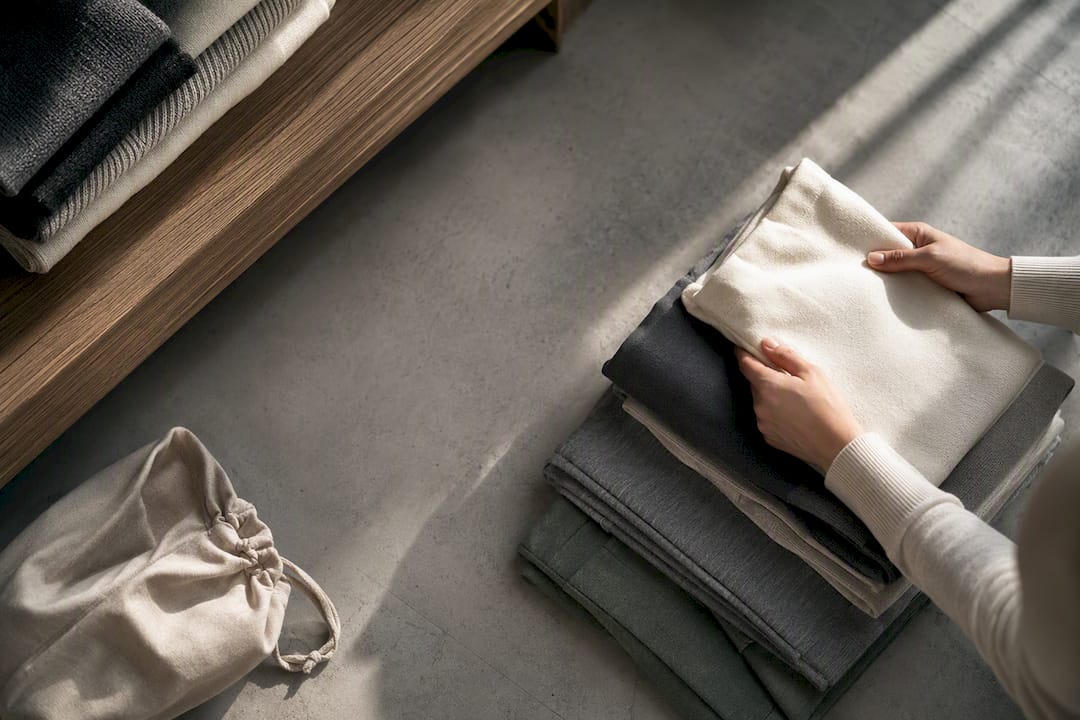
A capsule collection is a small, specifically curated collection by a brand, usually a small number of pieces that combines timeless basics with seasonal accents. A capsule wardrobe, on the other hand, is the personal counterpart: one's own, radically reduced wardrobe consisting of a few items that can all be combined with one another. Both follow the same principle of reduction but pursue different goals, and at their core, both stand for conscious, sustainable consumer behavior rather than fast fashion consumption.
In short:
- A personal capsule wardrobe is based on a few versatile basics to reduce decision fatigue in everyday life.
- Building one requires thorough decluttering, clear style and color choices, and at least four weeks of trial time before buying new pieces.
- For sustainable clothing, garments should be chosen from organic or recycled materials that can be worn for at least several years.
- For seasonal use, it is recommended to add 5 to 8 complementary pieces per season to meaningfully expand the capsule.
- The biggest challenge lies in taking an honest look at unworn "favorites" and consciously investing in quality over quantity.
Table of Contents
- Capsule Wardrobe and Capsule Collection explained in detail: Origin, definitions, differences
- How do I build my own capsule wardrobe step by step?
- Which items of clothing belong in a capsule wardrobe?
- How do I adapt my capsule to the season?
- Which color rules make a capsule truly combinable?
- What are the real benefits of a capsule wardrobe, and where are its limits?
- How do brands use the capsule collection as a strategy?
- Which materials make a capsule truly sustainable?
- What should you do now, specifically?
- Why do most people underestimate the real challenge of a capsule?
- Sources
- FAQ
Capsule Wardrobe and Capsule Collection explained in detail: Origin, definitions, differences
The term dates back to London boutique owner Susie Faux, who coined it in 1973 to describe a small, carefully selected basic wardrobe consisting of timeless, combinable garments. Later, designer Donna Karan picked up the principle and transferred it to the fashion industry, where it became the brand capsule collection.
The two terms are often used synonymously today, but they mean fundamentally different things. A capsule wardrobe is your personal system: the clothes you own, reduced to a set that can be combined with one another at will. A capsule collection, on the other hand, is a commercial product that a brand sells, often as a limited collection with its own storytelling.
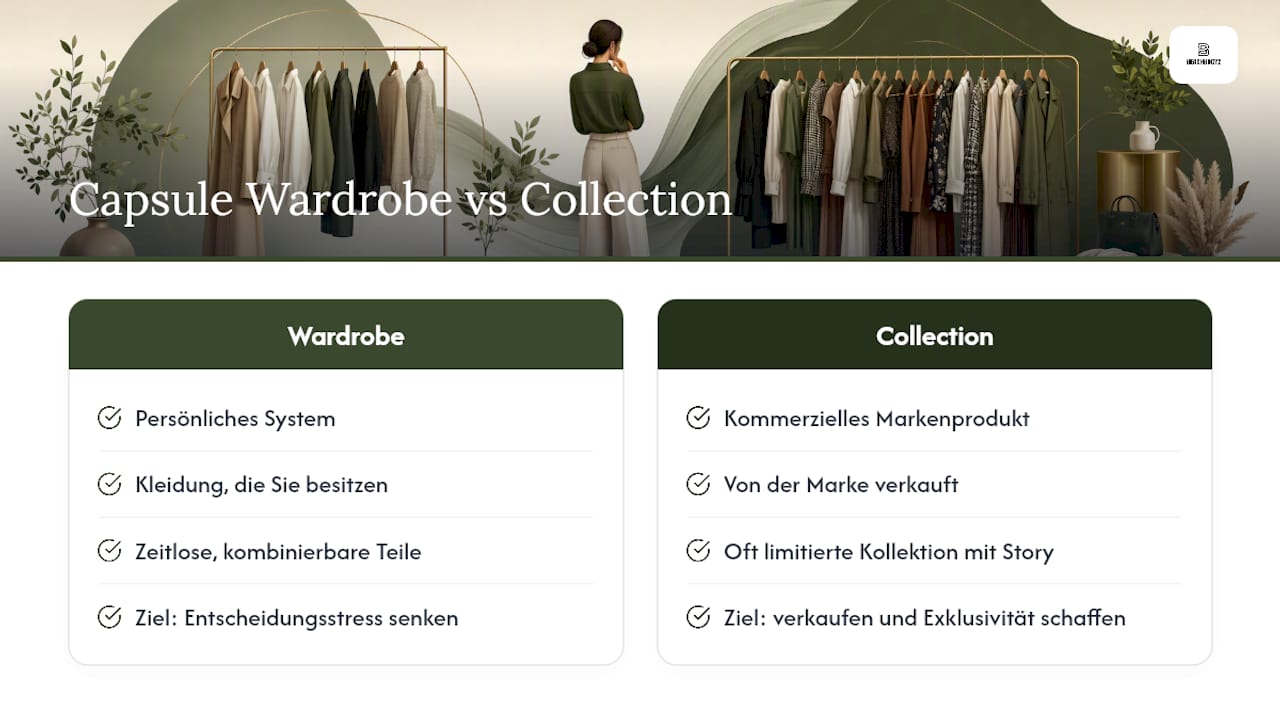
Both concepts share the same basic idea: fewer pieces, but better combinability. The difference lies in the objective: your private wardrobe is meant to reduce decision fatigue in everyday life. The brand collection is meant to sell, create exclusivity, and provide operational advantages in production and warehousing. Anyone who confuses the two quickly understands neither one nor the other correctly.
How do I build my own capsule wardrobe step by step?
Building one does not follow a random principle, but a clear sequence. Those who skip these steps usually end up with a wardrobe that is smaller, but not truly more functional.
- Inventory with the hanger trick. Turn all the hangers in your closet the wrong way. Every time you wear an item, hang it back the normal way. After six months, you will see in black and white what you actually wear and what is just taking up space.
- Decluttering based on clear criteria. Part with everything that has remained unworn for over a year, no longer fits, or cannot be combined with any other piece.
- Analyze lifestyle and requirements. Count how many days you spend at the office, working from home, exercising, or at events. Your capsule must cover this reality, not an idealized lifestyle.
- Define color palette and silhouettes. Decide on three to four base colors plus one accent color before you buy new items. This alone prevents most bad purchases.
- Select core pieces and check combinability. Each piece should be combinable with at least three other items in the capsule. If a garment only fits one single outfit, it does not belong in the capsule.
- Plan a trial period instead of immediate replacement. Wear the new selection for at least four to six weeks before filling gaps with new purchases. Often, you only notice what is really missing after that.
Pro tip: After decluttering, wait at least two weeks before buying anything new. This break reliably shows you whether a gap is real or just a spontaneous desire.
Anyone who is unsure how many pieces make sense during the first pass can find concrete guidelines in the next section. A practical start with a streetwear focus can also be understood based on a concrete ten-piece system that applies the same logic to a more casual style of dress.
Which items of clothing belong in a capsule wardrobe?
The specific item list depends on your personal style but always follows the same structure: a few basic pieces per category, but each one highly versatile.
- Tops (6 to 10 items): white and dark blue shirt, two to three solid-colored T-shirts, one turtleneck, one to two knit sweaters.
- Bottoms (4 to 6 items): dark blue jeans, black trousers, a skirt or shorts depending on preference, sweatpants for casual days.
- Jackets and coats (2 to 4 items): a mid-coat in beige or camel, a denim jacket, a light blazer, and a warmer winter jacket if needed.
- Shoes (3 to 5 pairs): white sneakers, a pair of classic ankle boots, elegant shoes for special occasions, comfortable sandals for the summer.
- Accessories (5 to 8 items): a leather belt, a scarf, a shoulder bag, understated jewelry, a cap or beanie depending on the season.
If you want to keep it minimalist, stick to the lower limit of each category and end up with about 25 items in total. If you need more variety, for example due to office dress codes or regular sports, expand individual categories specifically. Someone in an office environment will invest more in additional shirts and blazers, while someone with an active lifestyle will invest more in functional sweatpants and sneakers. Streetwear fans can find practical examples with a clear focus on oversized cuts and casual combinations for this layout.
How do I adapt my capsule to the season?
A capsule wardrobe is not a rigid system that is built once and never touched again. It shifts with the seasons without having to completely replace the core pieces.
For spring and summer, light cotton shirts, linen pants, short skirts, and a light trench coat are typical additions. For autumn and winter, wool sweaters, a thicker coat, lined boots, and a warm scarf are added.
- Materials for warm months: Linen, light organic cotton, viscose from responsible forestry.
- Materials for cold months: Wool, denser organic cotton, recycled polyester in linings and fleece.
- Care instructions for longer durability: Wash cold, air dry instead of using a dryer, store wool items flat instead of hanging them up.
As a rule of thumb, about five to eight additional pieces per season are enough to meaningfully complement the capsule without the total number getting out of hand. Those who buy a completely new wardrobe every season end up not with a capsule, but with a full closet of redundant functions.
Which color rules make a capsule truly combinable?
Combinability does not happen by accident, but through three simple rules that can be consistently applied.
- Limit the color palette. Three to four base colors like black, white, beige, and navy blue form the framework; an accent color like burgundy or olive green provides variety.
- Keep silhouettes consistent. Anyone who chooses wide, casual cuts should maintain that across pants, tops, and jackets instead of mixing tight and wide shapes.
- Vary textures instead of colors. A knit sweater next to a smooth shirt, corduroy pants next to jeans: texture creates variety without disrupting the color order.
Tone-on-tone combinations, such as beige on beige with different textures, appear calm and high-quality. Contrast combinations, such as black with the accent color, make deliberate statements without disturbing the rest of the system. This exact reduction to a few color families is the reason why a well-planned capsule ends up providing more outfits than a packed but uncoordinated wardrobe.
What are the real benefits of a capsule wardrobe, and where are its limits?
The most obvious advantage is time: choosing from 30 items instead of 150 every morning makes decisions faster. The financial benefit is evident in the "cost-per-wear" value. A high-quality basic item that is worn 100 times is ultimately cheaper than five cheap items that are discarded after three washes.
Nevertheless, there are limits. Anyone who needs a specific dress code for work, such as uniforms or evening wear, cannot get by with a pure basic capsule. Those who engage in intense sports need additional functional pieces that are rarely timelessly combinable.
Typical mistakes when starting:
- Incorporating too many statement pieces at once, causing nothing to match.
- Choosing a color that fits the mood but not the rest of the closet.
- Refilling immediately after decluttering instead of feeling the real gap first.
The countermeasure is simple: wear first, buy later, and check every new purchase against the existing color palette.
How do brands use the capsule collection as a strategy?
In retail, a capsule collection is rarely just a fashion statement, but primarily an economic tool. Typical sizes are between ten and forty pieces—small enough to appear exclusive, large enough to enable a complete outfit.
The marketing effect is created through scarcity: a limited drop strategy generates attention that a permanent collection rarely achieves. At the same time, the small quantity brings operational advantages. Fewer unique stock-keeping units (SKUs) mean simpler logistics, lower storage costs, and faster production cycles.
The critical side must also be noted: not every capsule collection is automatically sustainable just because it is small. Some brands use the term for pure greenwashing without changing anything regarding materials or production conditions. A genuine sustainability impact only arises when the reduced quantity is accompanied by better materials and fairer production, not just a smaller assortment.
Which materials make a capsule truly sustainable?
Quality over quantity is more than a slogan; it is the actual foundation of a functioning capsule. GOTS-certified organic cotton and recycled polyester significantly reduce the ecological footprint compared to conventional fibers, as neither large-scale pesticides nor new oil resources are necessary.

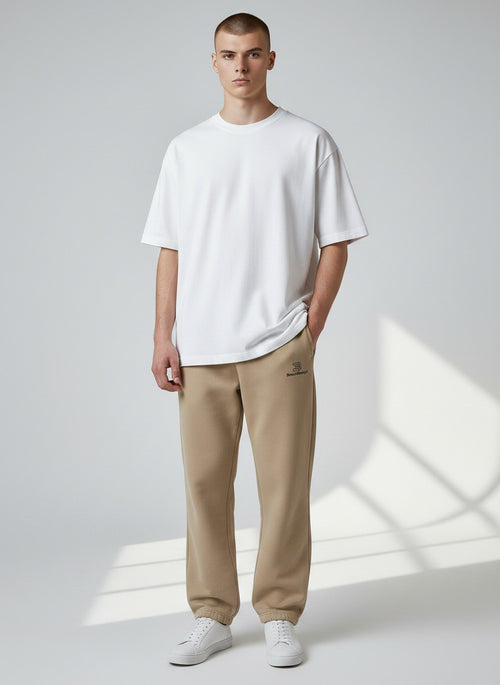
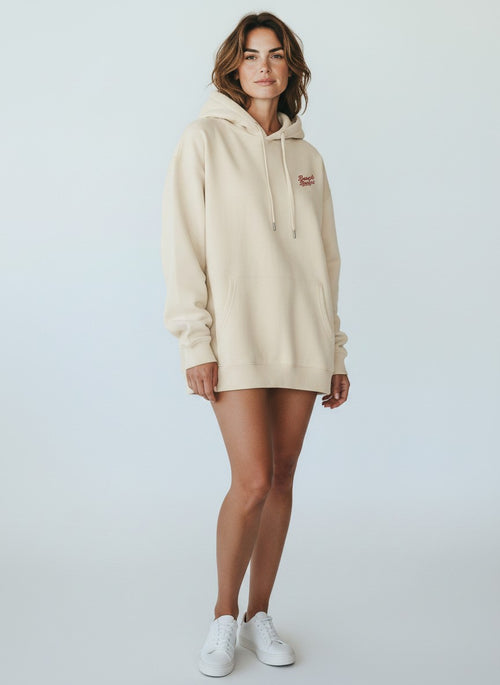
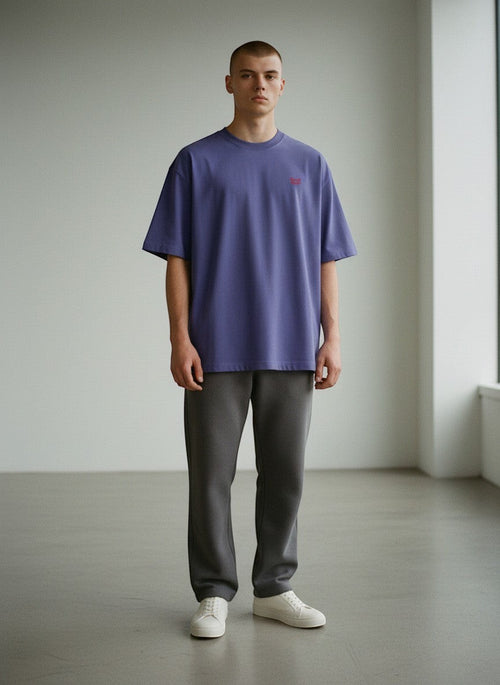
The cost-per-wear idea applies doubly here: an item that lasts for years and is properly cared for not only saves money but also resources. An example of how streetwear basics can be thought of as both durable and ethical are oversized T-shirts, hoodies, and jackets made from certified organic cotton and recycled polyester, produced fairly in the EU and shipped climate-neutrally.
A practical shopping list for durable basics:
- an oversized hoodie made of organic cotton as a core piece for cool days
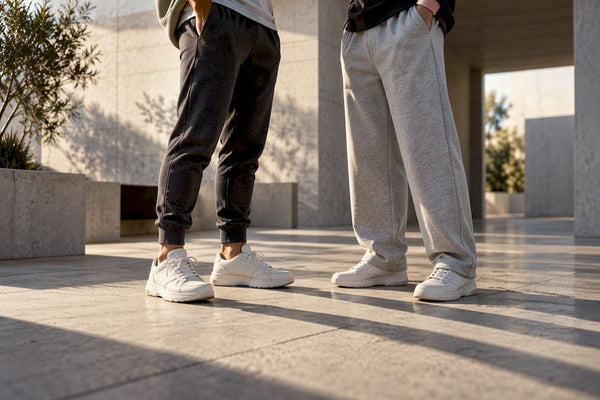
- sweatpants made from recycled material for casual everyday life
- a plain basic shirt in organic quality for daily use
Pro tip: Always check the label for material composition and certification on every new item before looking at the cut or color. The material determines the lifespan, while the cut only determines the look. For those who want to delve deeper into recycled fibers, you can find more background on how sustainable materials actually function in streetwear production.
What should you do now, specifically?
Three things remain: a capsule wardrobe is your personal system, a capsule collection is a brand's product, and both thrive on combinability rather than volume. Start with a manageable number of items, test this selection over several weeks, and only then fill specific gaps. Every conscious purchase that relies on material quality rather than fleeting trends is a small step away from fast fashion and toward a wardrobe that truly suits you.
Why do most people underestimate the real challenge of a capsule?
The biggest hurdle in building a streetwear capsule was not the decluttering, but decluttering with an honest look at unworn "favorites." The hanger trick showed how many pieces had just filled space for years without ever really being worn.
What helped afterward was radical reduction in the color palette and the conscious decision to invest in a few high-quality basics instead of many cheap pieces. Brands like Beachbodyz show that oversized streetwear and sustainable materials are not mutually exclusive. Anyone who starts small and consistently puts quality before quantity will quickly realize: less clothing does not mean less style, but more clarity.
— Ahmed
Sources
- Capsule Collections: A Timeless Concept Or Marketing Gimmick?
- Why are capsule collections so successful?
- Sustainable wardrobe essentials: Own less, wear more - Südstern Berlin
FAQ
What does "capsule" mean in German?
“Capsule” literally means “capsule” and, in a fashion context, represents a compact, self-contained selection of clothing items that all go well together.
Which clothing items belong in a capsule wardrobe?
This typically includes basics such as white and dark shirts, dark blue jeans, a mid-length coat, a few pairs of shoes like white sneakers and ankle boots, as well as complementary accessories like belts and scarves.
How many pairs of jeans should I have in a capsule wardrobe?
Two to three pairs of jeans are usually sufficient—for example, one dark blue pair for more formal occasions and one lighter or casual pair for everyday wear, as long as both go with the other pieces.
What is Amazon Capsule?
This term is not an established, generally defined fashion concept, but rather a product-specific name used by individual sellers or collections. It is not relevant to the meaning of capsule wardrobe and capsule collection in the context of fashion.