How to Style a Zipper Jacket: Versatile Outfit Ideas for 2026
Styling a zipper jacket—hardly any topic in 2026 streetwear is as relevant, because the zipper is not just practical; it combines style, function, and flexibility in a single piece. Whether you use your zipper jacket as a light layer, rugged outerwear, or an urban statement piece: anyone looking to style a zipper jacket should understand silhouettes, materials, and color concepts. In this guide, we will show you how to style a zipper jacket—from daily fits, campus, and office looks to travel and athleisure. With proven layering formulas, proportion hacks, and concrete outfit examples, you can take your zipper style to the next level. In addition to seasonal essentials, we provide care tips so your favorite piece stays fresh for a long time. And because quality matters—especially in streetwear—you will find selected pieces that perform functionally, look aesthetically pleasing, and are manufactured responsibly. That is how styling a zipper jacket becomes a style upgrade with attitude.
Your Layering Starter for Zipper Looks
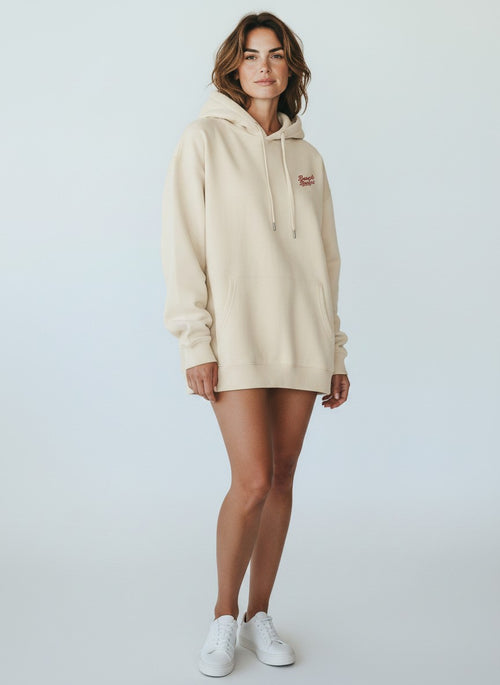
A heavy hoodie unfolds its full potential under a zipper jacket: volume, structure, drip. Try it with organic cotton—warm, soft, durable.
Discover NowHow to Style a Zipper Jacket: Streetwear Basics for 2026
Anyone looking to style a zipper jacket starts with the basics: fit, materials, and layering logic. 2026 is dominated by clean silhouettes—from cropped, boxy cuts to relaxed oversize fits. The zipper is practical and adds rhythm to the look: open for loose draping, half-closed for structure, or fully zipped for a clean, compact impression. Styling a zipper jacket also means controlling the context: tech textures make it look progressive, cotton feels cozy, and nylon/bomber styles look urban. The JACKET collection gives you an overview of lengths, collar shapes, and fabrics—a solid foundation to anchor your style.
Silhouette & Fit: Cropped vs. Oversize
When styling a zipper jacket, the silhouette determines the overall impact. Cropped models emphasize the torso and make high-waisted bottoms or baggy joggers look great. Oversize zippers create volume, which you can balance with slimmer pants or intentionally match with wide silhouettes (wide leg, relaxed joggers) to create a modern, airy profile. Unzip to create vertical lines—this elongates the frame and makes even heavy layers look dynamic. Observe how your look changes when you zip the jacket only to chest height: the shape becomes more defined, the hood or collar lies more compactly, and the shoulders look sharper. The interplay between hem length, chest width, and sleeve width is key: slim sleeves modernize oversize zippers, while wide sleeves emphasize vintage vibes.
Colors & Materials That Work
Neutrals like black, gray, navy, and earth tones are ideal starting points when you want to style a zipper jacket. They are more forgiving, go well with prints, and enhance texture contrasts. Tech materials (e.g., softshell) add performance, fleece provides warmth, and bomber textures make a street statement. For wind and light rain, a light, sporty option is ideal—as an inspiration, take a look at the Silence Softshell Jacket. For more attitude with a focus on the zipper, an iconic bomber delivers energy—the Monster Bomber Jacket offers a voluminous silhouette and striking presence. Pay attention to material mixes: matte fleece plus shiny nylon zippers creates depth, while tonal cotton allows for a calm, minimalist interpretation.
Zipper Details: 2-Way Zip, Tape & Hardware
Small zipper details influence how you should style a zipper jacket. A 2-way zipper allows you to open it from the bottom to create freedom of movement—ideal while cycling or sitting. Wide zipper tapes emphasize the front line and look sportier; narrow, concealed zippers are quieter and make looks look smarter. Metal zippers provide weight and a heritage feel, while plastic zippers often run more quietly and blend more cleanly into the overall picture. If you like layering, choose soft yarns along the zipper tape to ensure your T-shirts don't get frayed.
Collar Shapes & Finishes
Stand-up collar, hood, baseball collar—each shape changes the flow of the look. A stand-up collar looks technical and sleek; it pairs perfectly with mock-neck sweats. Hooded zippers are cozy and layering-friendly because you can stack hood over hood (hoodie). A baseball collar (ribbed collar) on a bomber zipper shifts your look toward varsity. Hems with drawstrings allow you to cinch the silhouette—drawn in, the jacket becomes bubblier and emphasizes the waist; left open, it falls more relaxed. The tightness of the cuffs determines the sleeve shape: firm ribs hold volume, while softer ones give way and let sleeves "pool" in a relaxed manner.
When choosing, focus on quality manufacturing: precise seams, cleanly set zippers, strong ribs. 📍MADE IN EU🇪🇺 means short routes and consistent standards; this pays off in comfort and durability. Combined with consciously selected fabric weights, you are wearing a piece that is BUILT DIFFERENT and performs cleanly in every layering combination.
Styling a Zipper Jacket for Everyday Life: Office, Campus, City
To style a zipper jacket that confidently handles everyday situations, you need flexible formulas: a smart, minimal office approach; a cozy yet balanced campus style; and a fast-paced city fit that is easily adaptable. It is not just about the jacket, but also about what is worn underneath: fabric weight, collar shapes, jewelry details, and accessories. The art lies in balancing temperature, movement, and dress code in one look.
Smart-Casual Office
To style a zipper jacket for office-ready looks: opt for monochrome palettes (e.g., anthracite + black + off-white). A compact sweatshirt as a mid-layer, a textured T-shirt as a base, plus a clean zipper. Wear the jacket half-closed to use the zipper as a vertical element. Combine with leather sneakers or minimalist boots. Important: reduce contrasts, keep logos small, and rely on texture instead of color to look professional. A fine watch, subtle necklace, clean bag—accessories complement without degrading the zipper to a sportswear-only piece.
An office setup that works reliably: smooth, heavier T-shirt in off-white, worn with a medium sweatshirt in anthracite, a simple black zipper jacket, straight chinos in dark gray, black leather sneakers. Zip it up to just below the breastbone. Roll the sleeves slightly to make cuffs visible. This keeps the look calm but gives it structure.
Campus & Co-Working
Styling a zipper jacket on campus means comfort + structure. Choose a soft mid-layer that looks good even without the jacket, and combine it with relaxed sweatpants. A practical setup: bomber-style zipper, heavy sweat, wide sweatpants, retro-inspired runners. This gets you through long days, the library, the canteen, and evening hangouts—casual, but not sloppy. Here, sweatpants with volume and a soft feel, like the Standard Oversize Fluffy Sweatpants, ground your layering comfortably. Increase functionality with a crossbody bag and beanie; both keep your hands free and set subtle accents.
Timing hack: When going into meetings, zip up and tuck your hoodie hood inside—it looks more focused. In breaks, open the zipper to relax the look. Campus style thrives on rotation: a T-shirt with some collar structure, a sweatshirt with a firm exterior, and a zipper jacket that can withstand the abrasion from backpack straps.
City Errands & Weekend
If you want to style a zipper jacket for quick errands: use zippers and pockets as functional assets. Crossbody bags and beanies add accents without getting in the way. Choose sneakers with grip if it’s wet. For the weekender look: zipper open, hoodie-hood layered over, T-shirt longer—this creates three-dimensional depth. A little trick: roll the sleeves once to show your wrists—this loosens up even dense silhouettes. For quick temperature changes, keep a compact T-shirt in your backpack as a backup—this allows you to spontaneously switch from an indoor café to an outdoor event without sweating or freezing.
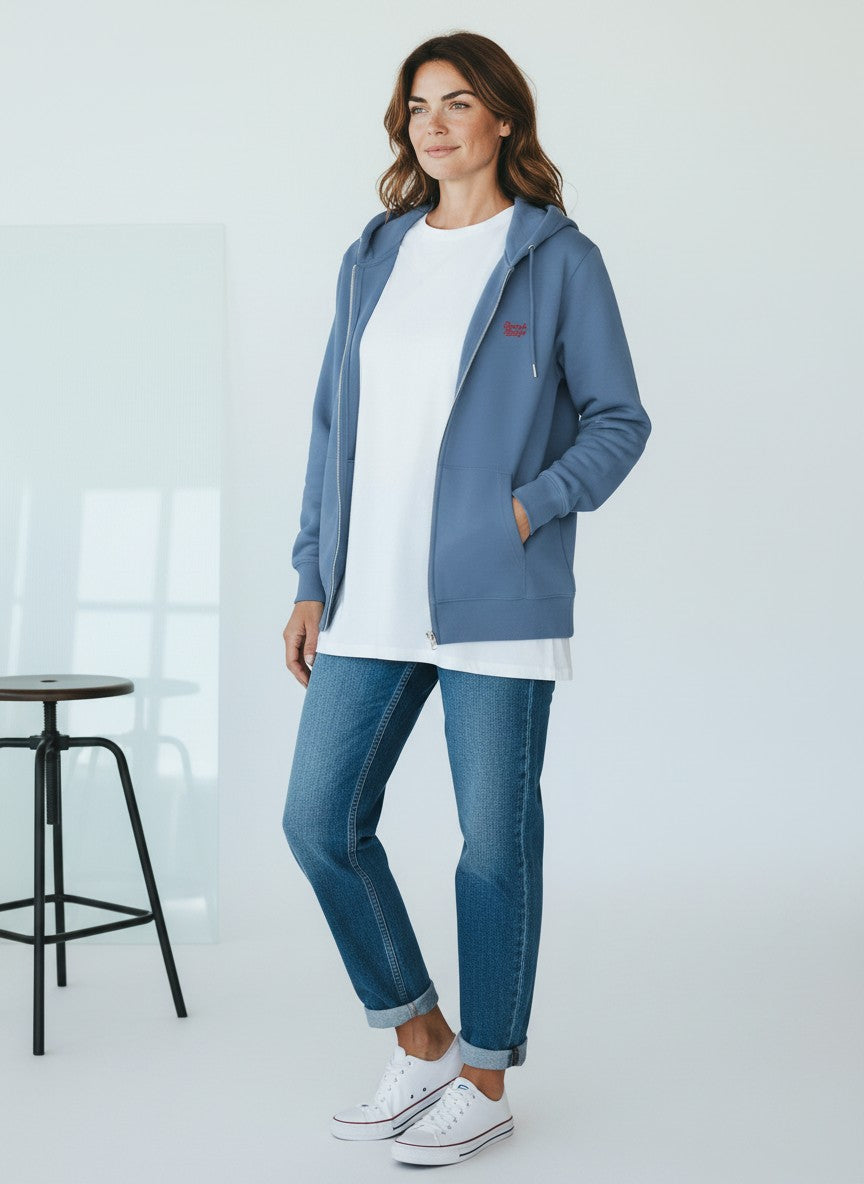
Avoid overloading: if your jacket, hoodie, and T-shirt are all voluminous, your pants and shoes should stay simpler. Straight joggers or denim bring the calm that your zipper setup needs. And if it rains: zip up slightly, pull the hood over, hands free—the zipper is your temperature regulator.
Styling a Zipper Jacket with Hoodies, Sweatshirts & T-Shirts
The ultimate discipline when you want to style a zipper jacket: the interaction with hoodies, sweatshirts, and T-shirts. The order determines temperature management; the fabric weights determine proportions. Plan with clear roles: the T-shirt as a breathable base, the sweatshirt as a volume and structure provider, the zipper jacket as a shape and weather layer. The key is the balance of fabric weights—this way, you get depth without weighing yourself down.
Hoodie Under the Zipper Jacket
A hoodie under a zipper jacket bundles volume and energy. Important when styling a zipper jacket: pay attention to how the hood stands—it should fall cleanly under the collar. Choose a hood with a stable edge so it doesn't collapse at the neck. The HOODIE collection provides a good orientation: heavier qualities visually support the zipper jacket and prevent the look from appearing flat. Play with the zipper position: quarter-open so the drawstrings are visible; completely open for maximum looseness. If you are wearing a bomber-style zipper, the hood can be slightly wider to fill the shoulder line—for softshell, opt for something more compact so the collar closes properly.
For broader chests, a 2-way zipper works especially well: open slightly from the bottom, the hoodie can "breathe," and the front remains structured. For real cold, layer hoodie + fleece zipper + shell; just ensure the hoods fit over each other so the collar doesn't press against your neck.
The Sweatshirt as a Mid Layer
To style a zipper jacket for structured looks, use sweatshirts. The sweatshirt acts as a mid-layer that shapes the zipper front and looks clean due to flush hem finishes. Crewneck sweats keep collar shapes neutral, while mock-neck sweats add extra edge. A medium fabric weight is ideal if you also want to close the jacket—too thick and you create bulk; too thin and it falls flat. The selection in SWEATSHIRT shows you variants for every season. If you want more stability, choose a sweat with a firm exterior (compact fleece) that doesn't sag under zippers, and a soft inner fleece for comfort.
Detail hack: sleeve stacking. If you let the sweat-sleeves peek out slightly further than the zipper cuffs, you create a subtle layered edge that adds depth. Alternatively, push the sweatshirt sleeves up slightly and pull the zipper cuffs over them—this creates structure at the wrist and shifts the focus to your watch/jewelry.
T-Shirt as a Base Layer
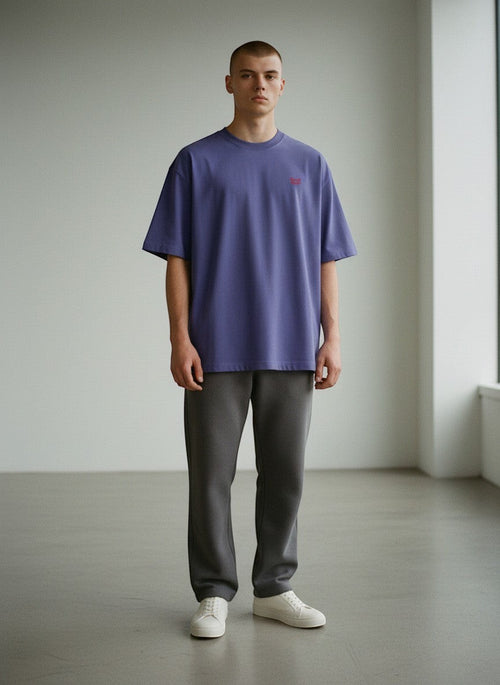
The T-shirt is the foundation when you want to style a zipper jacket. Pay attention to length and hem: minimally longer than the sweat, creating a subtle layer shadow. Colors: tone-on-tone for calm looks, contrast for focus. A solid foundation is provided by the T-SHIRT collection. Tip: choose a T-shirt with some collar structure (thicker rib) so the zipper edges do not dominate everything. A higher fabric weight prevents the mid-layer seams from showing through and makes the front look clean.
Fabric Weights & Drape
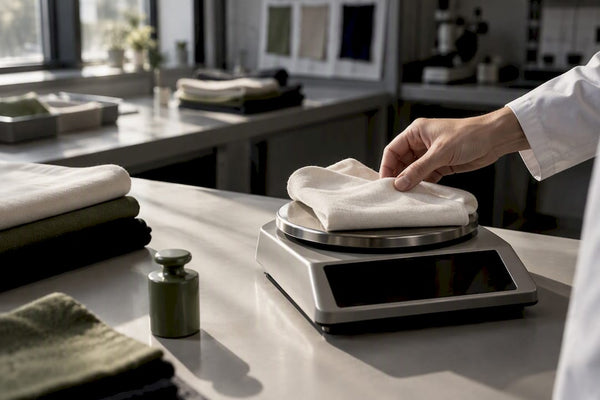
When styling a zipper jacket, weight is crucial: 180 gsm for airy summer tees, 320 gsm for solid sweats, 400 gsm for hoodies with presence. The weight determines how the fabric drapes: heavier fabrics hold shape and carry the zipper front; lighter fabrics flow and make the look softer. Combine contrasting weights to create depth—a heavy hoodie + a light zipper looks modern; a heavy zipper + a light T-shirt provides clarity.
Mid-Layer That Supports Any Zipper Setup
A premium sweatshirt gives your zipper jacket shape and volume. Soft, robust, clean—perfect for the office, campus, and city. Styling a zipper jacket has never been easier.
Discover NowStyling a Zipper Jacket for Sport, Travel & Weather Changes
In athleisure and travel contexts, you need to style a zipper jacket that breathes, protects, and reacts quickly. Think in modules: base layers that manage moisture, a mid-layer with thermal insulation, and a zipper jacket that protects you from the wind. Zippers allow for micro-adjustments—open, closed, half-closed—without having to take the piece off. This keeps your core temperature stable while you move.
Athleisure: Function Meets Form
For training and urban commuting, fleece works excellently as a mid/shell hybrid. If you want to style a zipper jacket that feels fast, opt for fleece textures with a soft feel and clean drape. As an example, a Silence Fleece Jacket elevates the balance of warmth and lightness—ideal between the gym and the street. Pay attention to smooth inner surfaces on the zipper jacket so it doesn't rub against the hoodie. For intense intervals, open it from the top or bottom to vent heat—that keeps your heart rate up and the look in shape.
Travel: Packable Layers and Clean Lines
When traveling, styling a zipper jacket means setting priorities: pocket management, collar shape (standing vs. flat), and packability. A light shell-zipper with a smooth finish can be quickly stuffed into a bag and wrinkles less. On the go, a structured mid-layer helps ensure your silhouette looks fresh even after hours on the train. Pack monochromatically—that way, everything can be rotated without having to think. Use rolling methods instead of folding to avoid creases in the collar area; this way, the zipper sits cleanly later.
Mastering Weather Changes
Spring and autumn demand flexibility. When styling a zipper jacket, taking a look at material composition is crucial: fleece for dry cool, softshell for windy days, bomber for an urban vibe. Use zippers for temperature control and hoods/beanies for head climate. The table below helps you choose based on the situation.
| Style | Warmth | Weather Suitability | Fit/Impression | Best Season | Layering Partner |
|---|---|---|---|---|---|
| Softshell Zipper | Medium | Wind-resistant, light rain-friendly | Tech-clean, sporty | Spring, Autumn | Mid: Sweat; Base: T-shirt |
| Fleece Zipper | Medium to high | Dry, cool days | Soft, cozy, textured | Autumn, Winter (under shell) | Mid: Fleece/Sweat; Shell: light jacket |
| Bomber Zipper | Medium | Urban, wind-stable depending on fabric | Volume, street statement | Spring, Autumn, mild winter | Mid: Hoodie; Base: T-shirt |
Use this matrix to style your zipper jacket: choose the appropriate fabric family for the day and adjust your zipper position to fine-tune your temperature and look. Don't forget: gloves and beanies harmonize better with fleece and softshell zippers, while bomber zippers maintain their profile with caps and wool scarves.
Pack Lists & Setups
For a weekend trip: 2 × T-shirts (one light, one dark), 1 × mid-layer (sweat), 1 × zipper jacket (softshell or fleece depending on weather), 1 × joggers, 1 × denim, 1 × sneakers. This covers three complete outfits: Travel (T-shirt + sweat + softshell), Dinner casual (dark T-shirt + denim + zipper half-closed), Sightseeing (light T-shirt + joggers + fleece open). Styling a zipper jacket becomes successful with minimal luggage.
Styling a Zipper Jacket with Pants & Shoes: Proportions & Textures
Styling a zipper jacket doesn't end with tops—the best silhouette emerges when pants and shoes speak the same language. Think in proportions: voluminous zipper jacket with relaxed, straight pants or wide zippers with wide pants (wide-on-wide) for a modern, airy overall picture. Alternatively, balance a heavy jacket with a slimmer bottom to gain structure. Use texture contrasts to build depth: tech zipper + brushed cotton; fleece zipper + smooth denim; bomber zipper + robust chino.
Sweatpants & Zipper
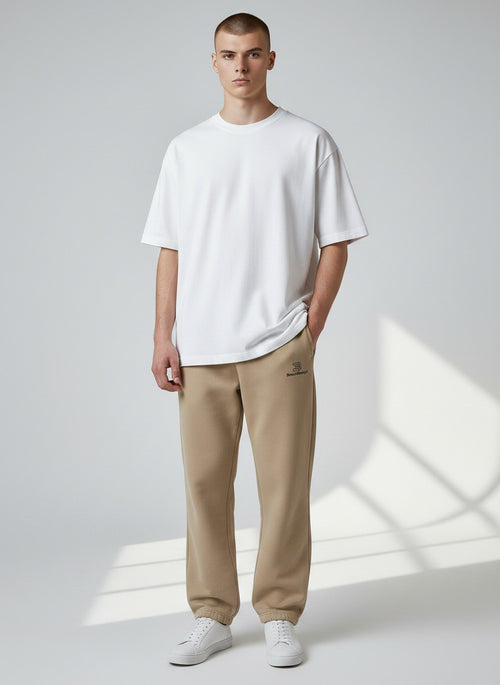
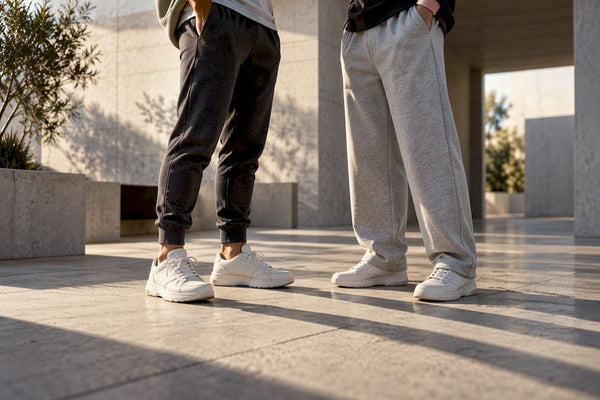
The comfort equation: style a zipper jacket with fluffy yet stable joggers. Pay attention to cuffs: tight cuffs focus on the shoe, open legs (straight) lengthen the line. If you work a lot with oversize jackets, a structured jogger provides stability—e.g., the Core Oversize Sweatpants. For more variety in fit, weight, and color: the SWEATPANTS collection. With fleece zippers, choose joggers with some weight so the front doesn't look too soft; with softshell, you can be looser because the shell fabric carries the look visually.
Denim/Chino & Zipper
For clean everyday outfits, combine a zip-up jacket with straight denim or relaxed chinos. A firm waistband and some weight balance out volume in the upper body. Play with hem lengths: cropped zip-up + high-waist denim = visual waistline; oversized zip-up + loose-fitting chinos = relaxed modern. Keep the color scheme calm so that the zipper line can stand out. If you wear raw denim, be aware that dark indigo colors can stain light-colored zip-ups – test before you layer.
Sneakers & Boots
Shoes frame your zip-up look. Chunky sneakers dampen volume and look sporty, retro runners make it lighter, leather sneakers make outfits smarter. For autumn, workwear boots with a heel pull work well, providing enough weight to ground bomber or fleece zip-ups. Rule: Choose shoes with a similar textural energy – techy sneakers with softshell, vintage runners with fleece, clean leather sneakers with minimalist zip-ups. Pay attention to your sock game: visible, structured socks emphasize retro vibes; no-shows make the line calmer. Combining a zip-up jacket gains coherence if the sock color picks up an "echo" tone from a hoodie or T-shirt.
Fit & Freedom of Movement
Your daily life defines your choice of fit: If you sit a lot, choose trousers with slight stretch in the waistband; this prevents the zip-up from colliding with the belt. For bike commuting, a 2-way zip makes sense to relieve pressure at the bottom. Pay attention to the jacket’s back length: too short and your back is exposed, too long and the proportions are off. Ideally, the zip-up should end just above the middle of the buttocks when worn open – this allows it to drape elegantly.
Combining a zip-up jacket: colors, prints & care tips
If you want to combine a zip-up jacket that works for a long time, rely on color concepts that are rotatable, on restrained prints, and on care that protects the fabric and shape. In 2026, the motto remains: quality, consistency, clarity. Create a small palette for yourself and stick to it; this way, you avoid frantic decisions in the morning while still achieving varied looks.
Color palettes that last
Start with two neutrals plus an accent: black + gray + olive, navy + off-white + sand, earth tone + black + red. When combining a zip-up jacket, such palettes make the daily decision easier. You can set accents via beanies, caps, or sneakers, not necessarily via the jacket – this keeps the outfits more durable. If you like prints, choose tonal graphics that only have an effect up close; open zip-ups frame the motif subtly, while closed ones remain smartly neutral.
Logo placement & prints
Minimally placed logos, embroidery details, or tonal appliqués look smartest in 2026. Combining a zip-up jacket with subtle graphics allows for more rotation. If you want prints, place them on the base layer (T-shirt) so that the zip-up doses them as needed – half-open for a teaser, fully open for a statement. Pay attention to proportion: large front prints harmonize with open zip-ups; small, left-chest embroideries support closed fronts.
Care & quality: durability first
Care determines how well a zip-up jacket can be combined – because only dimensionally stable, clean pieces layer well. Machine wash cold, low spin speed, inside out, zipper closed, similar colors. Air dry to protect the fibers. For fleece: no fabric softener so the surface doesn't mat. For tech fabrics: delicate detergent to preserve the membrane/finish. Keep metal zippers smooth occasionally with a silicone care stick or wax; keep plastic zippers clean so that sand/dust doesn't cause friction. Store zip-ups hanging so the collar doesn't crease – especially with stand-up collars. This keeps the drape clean and the front line clear.
Quality is no coincidence: robust yarns, heavy ribs, stable zippers. 📍MADE IN EU🇪🇺 stands for reliable workmanship; with BUILT DIFFERENT, BeachBodyz pursues an approach that shows in the fabrics, cuts, and details. The result: zip-up jackets that perform not only today, but also two seasons from now – in everyday life, while traveling, and during training.
Conclusion
Combining a zip-up jacket means more than just throwing on a jacket: you control proportions, temperature, textures, and the readability of your outfit. With thoughtful layers – T-shirt as a base, sweat/hoodie as volume, the zip-up jacket as a frame – you create depth and adaptability. Tech-heavy zip-ups look progressive, fleece is cozy, bombers bring street attitude. Small adjustments are decisive: zipper position, hem lengths, collar stands. With the tips from this guide and reliable qualities made 📍MADE IN EU🇪🇺, combining a zip-up jacket becomes an easy routine. Choose colors that rotate, take care of your pieces, keep the silhouettes clear – then your fits will reliably carry you through the office, campus, city, sports, and travel. And don't forget: an exciting look starts with a strong base or mid-layer – be it a hoodie, sweat, or T-shirt – and ends with the awareness of details that make you BUILT DIFFERENT.
Base layer for every zip-up look
A precisely cut T-shirt structures your layering and keeps the fit clean. Soft, breathable, rotatable – the foundation that connects everything.
Discover nowFAQ: Combining a zip-up jacket – frequently asked questions
How can I combine a zip-up jacket without the look appearing too sporty?
Choose reduced colors, a cleaner fit, and textured fabrics. A minimalist T-shirt as a base, a structured sweat as a mid-layer, and a zip-up jacket with a calm finish result in smart-casual. Keep logos small, opt for leather or simple canvas sneakers, and add straight trousers. Close the zipper halfway – this adds shape without screaming sporty.
Which zip-up jacket is suitable for summer – and what do I wear underneath?
For summer, choose lightweight, breathable zip-ups with smooth surfaces. Underneath: airy T-shirt, optionally a thin sweat for the evenings. Choose light colors (off-white, sand, light gray) for less heat absorption. Wearing the zip-up open provides ventilation; roll up the sleeves to add extra light to the outfit.
Combining a zip-up jacket: which trousers harmonize best?
Straight or relaxed trousers go well with voluminous zip-ups; narrower bottoms work for more compact jackets. Joggers provide cozy balance, denim/chinos provide structure. Pay attention to the hem length: slightly cropped legs open up the silhouette and emphasize the shoe.
How do I properly wash and care for a zip-up jacket so it lasts a long time?
Wash cold inside out, close the zipper, low spin speed, similar colors. Air dry. Fleece without fabric softener, tech fabrics with delicate detergent. Treat stains early, keep metal zippers functional occasionally with a little silicone care stick. This preserves the shape, hand-feel, and zipper function.
Can I wear a zip-up jacket in the office? How to combine in 2026
Yes – focus on monochrome palettes, clean surfaces, and reduced contrasts. T-shirt in solid rib, mid-layer as a compact sweat, zip-up half-closed. Combine with straight trousers and clean leather sneakers or minimalist boots. Use accessories sparingly so the look remains simple.
Combining a zip-up jacket: which colors and prints are timeless?
Black, gray, navy, earth tones, and off-white are rotatable and durable. Keep prints subtle: tone-on-tone, small embroidery details, or micro-logos. Set accents via accessories or shoes, not necessarily via the jacket – this extends the life of your look.