The first: too much warmth and too little wind protection. Then you sweat on the bus and freeze outside. The second: incorrect sizing logic. Oversize does not mean arbitrarily large; lines must remain controlled. The third: ignoring care until pilling, odors, or distorted cuffs become noticeable. The fourth: confusing rain with cold. Wetness requires protection, cold requires insulation. Weather-resistant streetwear becomes more durable when you separate functions, air out outfits, rotate heavily used pieces, and do not force every garment for every weather condition.
Conclusion: Weather-resistant streetwear without arbitrary compromises
Weather-resistant streetwear thrives on clear roles within the outfit. A base layer provides comfort, a midlayer delivers warmth and shape, and the outer layer protects against wind and light moisture. Once you separate these tasks, you no longer have to improvise in the morning. You combine according to the weather: a windbreaker for gusts, fleece for cool walks, softshell for more rugged days, and a hoodie or sweatshirt for volume and warmth. This creates a system that grows with the seasons without looking like pure functional clothing.
The practical comparison shows: No material always wins. Cotton impresses with its feel, weight, and silhouette, but needs protection from moisture. Fleece warms efficiently, but can be bulky. Smooth jackets are easy to care for and highly wind-resistant, but do not automatically replace insulation. Weather-resistant streetwear is therefore a matter of balance. Pay attention to fit, hem length, hood volume, freedom of movement, and the care label. Do not buy individual pieces just because of a buzzword, but check what gap they fill in your everyday life. A piece that you wear often, combine correctly, and care for properly is more valuable than a rarely used specialty item.
If you want to test your look, ask yourself three questions: Do I stay warm in the wind? Can I regulate quickly in the heat? Does the outfit dry or air out well enough by the next use? If you can say yes three times, weather-resistant streetwear is not just a seasonal trend, but a reliable part of your wardrobe. The best look is not the most complicated one, but the one you like wearing in changeable weather, can easily adapt, and care for over the long term.
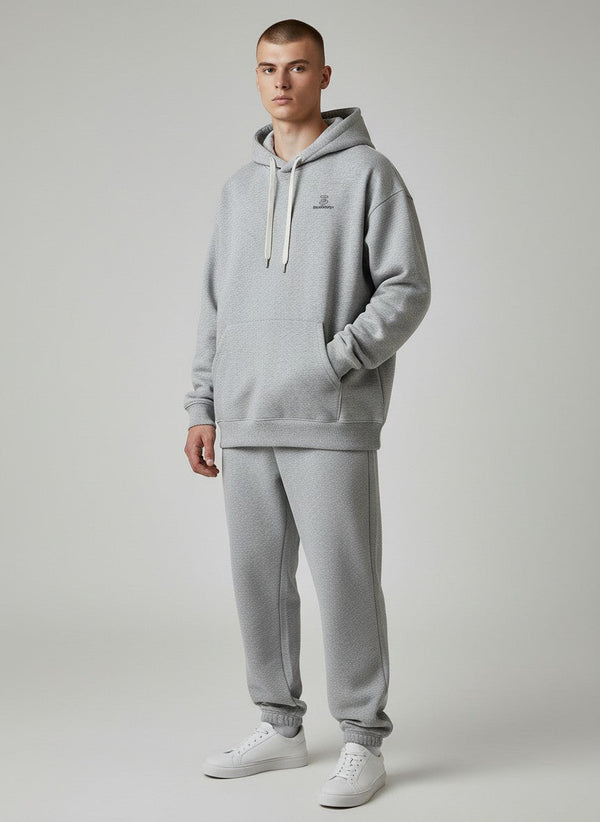
Finish for weather-resistant streetwear: Add warmth and comfort for off-duty looks.
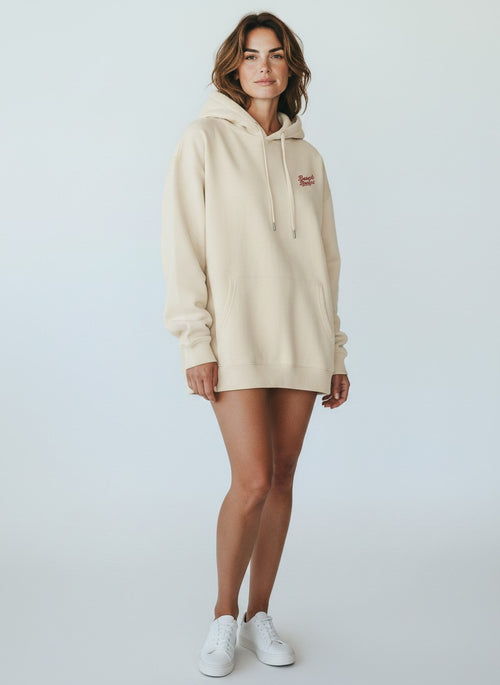
- Authentic Oversize Sweatshirt 350 g/m² – Organic Cotton, Gold Embroidery as a warm streetwear midlayer.
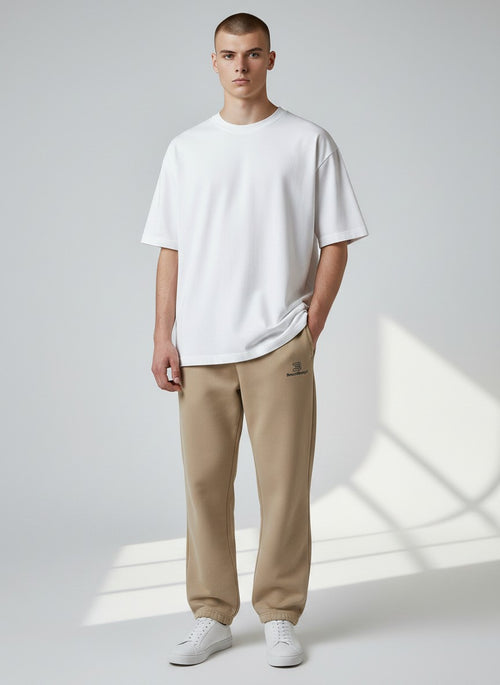
- Authentic Jogging Pants – Gold Embroidery for comfort, clean lines, and everyday wear.
FAQ: Weather-resistant streetwear
What weather-resistant streetwear is suitable for bike commuters in autumn?
For bike commuters, a regulatable system is more important than maximum thickness. Start with a comfortable shirt, add a zip-up hoodie or fleece layer, and wear a wind-resistant jacket on top. On the bike, your chest, arms, and neck cool down quickly, while you can overheat quickly at traffic lights or on the train. This is why zippers, hoods, and accessible pockets are practical. Pay attention to sleeves that do not ride up and a hem that does not become too short when sitting. Weather-resistant streetwear should enable freedom of movement, everyday practicality, and quick airing out after the ride.
Is a windbreaker enough for wet routes, or do I need an additional midlayer?
A windbreaker helps primarily against gusts and short, light moisture. It usually provides limited warmth because thin outer layers insulate very little. If you walk slowly, wait for a long time, or have low temperatures in the morning, a midlayer makes sense. This can be a hoodie, sweatshirt, or fleece, depending on whether feel, warmth weight, or streetwear look is more important to you. In mild weather, a shirt underneath may be enough. The key is the combination: smooth and wind-resistant on the outside, as warm as necessary underneath. After drizzle, you should let the jacket dry open before putting it back in your backpack.
How do I combine oversized hoodies with jackets without looking bulky?
Work with controlled volume. The hoodie can fit loosely, but should not have sleeves that are too long or a hem that is so wide that fabric bunches up under the jacket. The jacket needs enough room at the chest, back, and upper arm, but the hem should not hang completely open. Pay special attention to the hood: If it presses under the collar, the look immediately appears messy. Test the combination with movement, not just in front of the mirror. Lifting your arms, zipping up, and sitting down quickly show whether the proportions are right. Weather-resistant streetwear looks its best when volume is consciously managed.
What care mistakes damage weather-oriented streetwear faster?
The biggest mistakes are washing too often, using too much detergent, drying incorrectly, and leaving zippers open in the machine. Many items only need to be aired out after short periods of wear. When washing, follow the label, turn delicate surfaces inside out, and close zippers. Too much detergent can leave residues that make fabrics stiff or trap odors. You should not hang heavy cotton items dripping wet on narrow hangers, as they can stretch out of shape. Fabric softener is often unsuitable for more technical outerwear. Careful care helps preserve fit, surface quality, and comfort for longer.
Can weather-resistant streetwear replace a classic winter jacket?
That depends on the temperature, how long you’ll be outside, and your activity. For mild winter days, short trips, and moving between indoor spaces, a layering system of a shirt, warm midlayer, and windproof outer layer can work well. If you’ll be outside for a long time, expect frost, or face heavy precipitation, you’ll usually need more insulation or a jacket with better weather protection. The advantage of layering is flexibility: you can add warmth, open up layers, and wear individual items more often. A thick winter jacket is more practical in extreme conditions, while an urban layering system is particularly effective in changing everyday situations.
How can I tell online if an item will fit into my layering system?
Read the product information with its role in the outfit in mind. Is the item meant to provide warmth, protect against the wind, serve as a base layer, or complement comfortable bottoms? Check the material, weight, cut, closure, and care instructions. Photos are also helpful: How long is the hem, how wide are the sleeves, and how voluminous does the hood look? Compare the measurements with clothes you already own that fit well, rather than just choosing your standard size. A heavy hoodie needs room under the jacket, while a lightweight jacket needs a warm companion. You’ll make a safer purchase of weather-resistant streetwear if you first define the function and then choose the look.