Unisex Streetwear fit is more than a fashion buzzword: It determines how confidently you move, how credible your look appears, and how versatile your styling options are. When unisex streetwear fit works, freedom of movement meets clean contours—regardless of body shape or gender. In this guide, we break down unisex streetwear fit into measurable elements: shoulder point, chest width, hem length, rise, and taper. We show why robust materials stabilize the silhouette, how layering refines proportions, and where streetwear remains appropriate in professional contexts. You’ll get outfit formulas for different dress codes, typical pitfalls, and care tips for a long product lifecycle. We also offer recommendations with a distinct edge: MADE IN EU, heavyweight fabric, precise embroidery, and durable construction. The goal is for you to choose your unisex streetwear fit consciously—sometimes relaxed, sometimes structured—without complicating your attitude or daily life. In short: a toolkit for style, comfort, and respect for the setting and the fabric. The key is the interplay between real body measurements, fabric weight, freedom of movement, and the environment in which the outfit is worn.
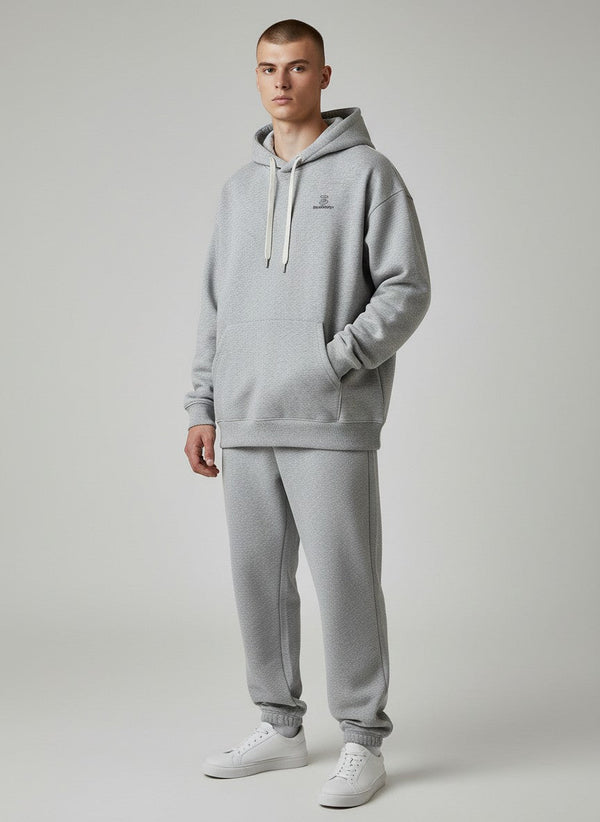
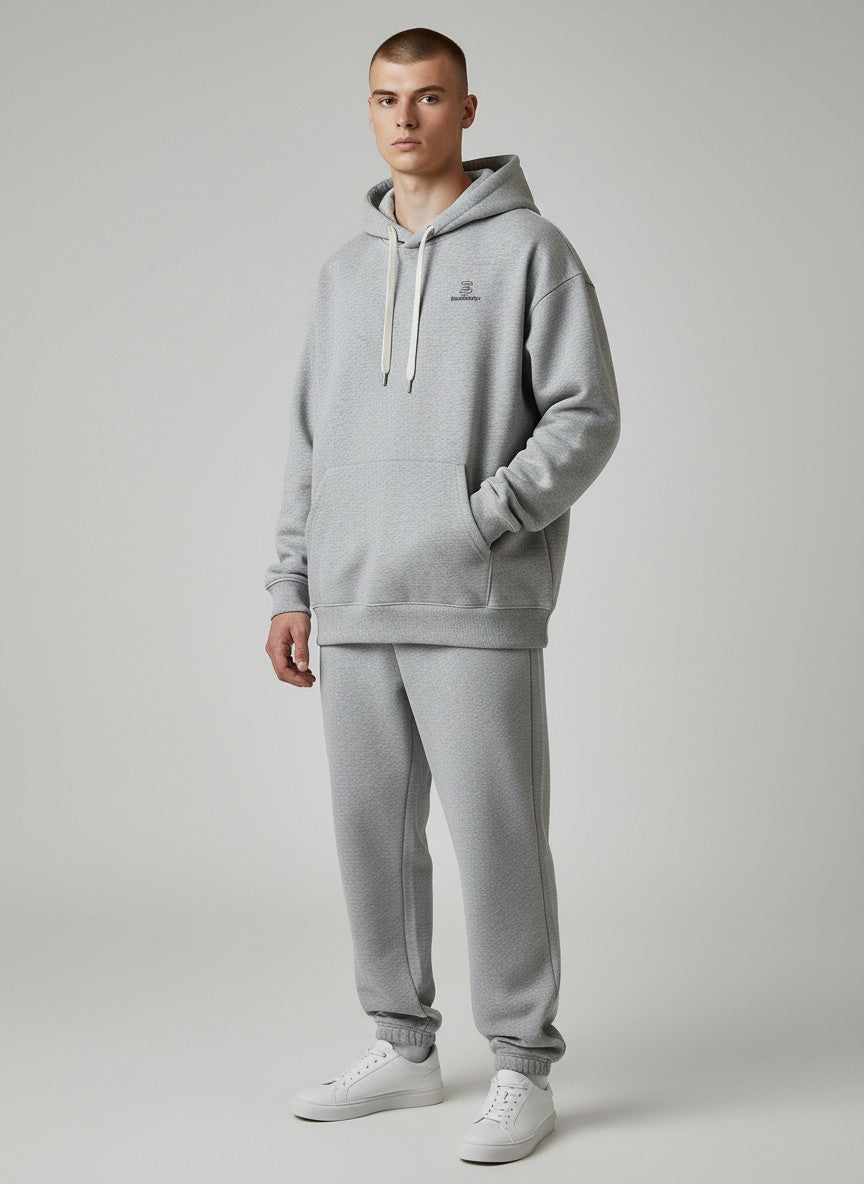
Start smart: Try heavyweight layers for cleaner contours. Pair the Standard Oversize Hoodie 350 g/m² with black embroidery with the Authentic Fluffy Jogginghose or the Authentic Oversize Sweatshirt 350 g/m². MADE IN EU, consciously heavyweight, comfortable—ideal for measuring your own fit.
Unisex Streetwear Fit in Everyday Life: System Instead of Chance
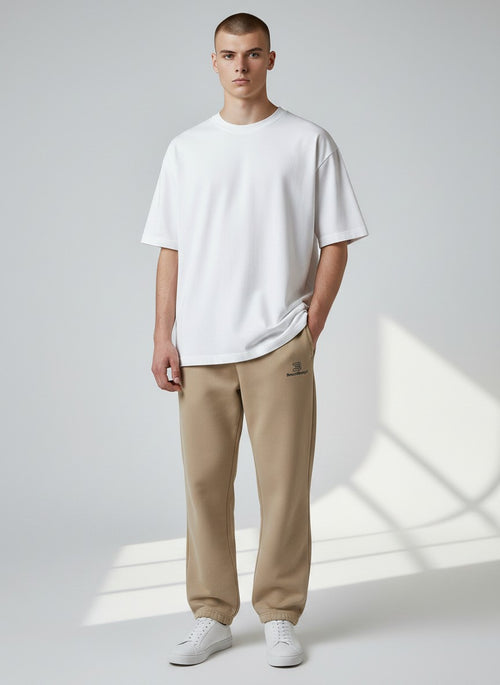
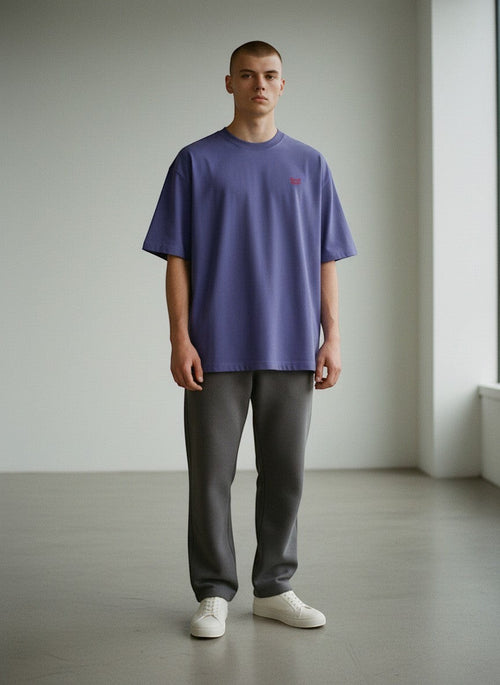
To ensure that unisex streetwear fit sits reliably, it pays to take a systematic look at four zones: shoulders, torso, hips, and legs. At the shoulders, the point where the sleeve seam rests is decisive. In an oversized fit, it may fall one to three centimeters beyond the natural shoulder bone; in a relaxed fit, it sits just above; regular fits exactly on the point. This way, unisex streetwear fit retains its structure—even when the silhouette remains loose.
Torso: Width, Length, Balance
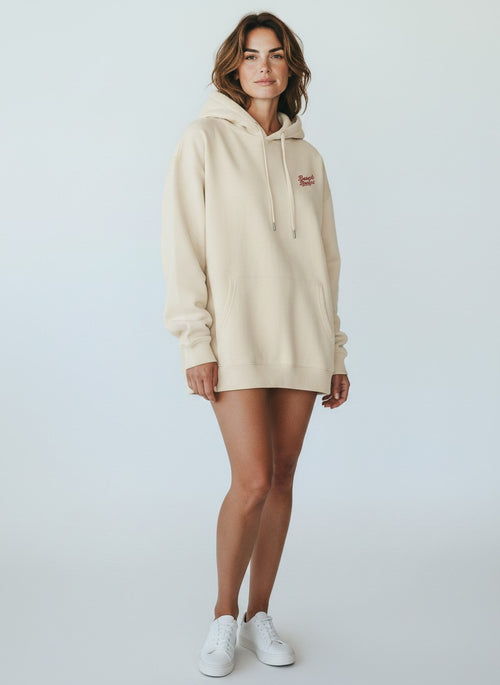
The torso width determines how airy your top falls. A successful unisex streetwear fit leaves at least a hand’s width of room to move at the sides without the fabric bunching at the back. The length ends between the hip bones and the middle of the zipper. Shorter tops emphasize long legs; longer ones conceal the hips and stomach. The key is the balance with the bottom.
Hips and Rise
On pants, the rise (the distance from the crotch to the waist) defines how naturally you walk and sit. A stable unisex streetwear fit shows no pulling creases at the crotch and remains covering when squatting. Oversized sweats and joggers often require a mid-to-high rise so that the top does not “tip” into the pants.
Leg and Taper
The leg shape controls the silhouette: tapered (narrowing toward the ankle) provides structure, straight looks casual, and wide makes a statement. A controlled unisex streetwear fit ends at the shoe with a maximum of one clean break. Too many creases make the legs look heavy; too short visually shortens them.
Tip for the practical test: Stand sideways in front of the mirror, raise your arms, sit down, and walk a few steps. Assess whether the unisex streetwear fit remains stable in motion: no visible pulling creases, no gaps forming at the back or waistband.
Materials, Construction, and Unisex Streetwear Fit
Fabric weight, construction details, and finishing shape the silhouette. A hoodie with 350 g/m² falls denser, pulls less, and retains its edges longer than a lightweight French terry. This stabilizes the unisex streetwear fit, especially in the shoulder and chest area. Knitted cuffs prevent stretching at the hem and sleeves; double seams contribute to durability and secure the shape.
The Right Weight
Heavyweight cotton weighing 320–380 g/m² has enough body to ground an oversized fit. That is why pieces like the Authentic Oversize Sweatshirt 350 g/m² or the Silence Zip Hoodie 350 g/m² look calm and even. The unisex streetwear fit remains defined in the shoulders, even though the width is relaxed.
Structure Through Layering
Structured outerwear like a softshell tames volume on the upper body and provides clean lines. A jacket with a clean hem and collar like the Core Softshell Jacket keeps the unisex streetwear fit stable under stress (wind, backpack, bicycle). It frames oversized sweats without “swallowing” them.
Details That Count
High-quality embroidery and sturdy drawstrings add minimal weight to the hem areas—good for a calm front. Here the rule is: subtle finishing instead of bulky front prints. A subtle chest embroidery keeps the unisex streetwear fit in balance. BeachBodyz emphasizes robust construction, MADE IN EU, and carbon-neutral shipping—factors that serve not only the conscience but also shape retention.
Shoes complete the line: flat silhouettes like the Simplicity Canvas Sneakers – Unisex visually elongate without bunching up the hem. This way, the unisex streetwear fit remains cleanly readable from the collar to the ankle.
Dress Code Spectrum: Where Unisex Streetwear Fit Works
Between a creative agency and a conservative client meeting, the tolerance for streetwear varies. A practical unisex streetwear fit respects the setting without watering down your style. Think about three levels: base (T-shirt/sweatshirt), midlayer (hoodie/sweatshirt), and top layer (jacket). The more formal the occasion, the more structured the top layer and the more neutral the palette.
Outfit Formulas by Environment
| Work Environment | Outfit Formula | Permissible Streetwear Elements | Caution With |
|---|---|---|---|
| Creative Office | Oversized Sweatshirt + Tapered Joggers + Softshell | Subtle Embroidery, Neutral Colors, Canvas Sneakers | Crotch Too Low, Overly Long Hem |
| Tech/Startup | Zip Hoodie Over Regular T-Shirt + Straight-Leg Pants | Hood Cords, Tone-on-Tone Logos | Large Prints, Loud Contrasts |
| Agency Pitch | Heavyweight Sweatshirt + Dark Chinos + Softshell | Monochrome Look, Clean Edges | Visible Jogger Waistband, Wrinkled Layers |
| Education/University | Oversized Hoodie + Relaxed Joggers | Visible Layering T-Shirt, Sneakers | Hoodie Too Long, Sleeves Too Wide |
| Corporate Casual Friday | Closed Zip Hoodie + Shirt Collar | Fine Texture, Reduced Colors | Hood Under Blazer, Obtrusive Patches |
Use collections to calibrate quickly: For tops in a modern width, the overview page Oversized Hoodies for Men & Women helps. You can find T-shirts for clean layering under Oversized T-Shirts for Men & Women. For structured bottoms, the overview Oversized Joggers for Men & Women is suitable; jacket options are available in Streetwear Jackets for Men & Women. Sweatshirts for more formal textures: Oversized Sweatshirts for Men & Women.
When Streetwear Doesn't Fit
At funerals, court dates, or strictly formal client meetings, streetwear is out of place. The unisex streetwear fit may be correct—the setting still requires a suit, blazer, or dress. Respect the context; use streetwear for commuting, but change before arriving.
Upgrade your midlayer, clarify your silhouette: Reach for the Authentic Zip Hoodie 350 g/m² or the finely tuned Silence Zip Hoodie 350 g/m²—heavyweight, shape-retaining, with durable embroidery. Add structure with the Core Softshell Jacket and test your unisex streetwear fit in everyday office life.
Proportions, Silhouettes, and Unisex Streetwear Fit in Detail
Proportion is the hidden grammar of your outfit. Unisex streetwear fit becomes readable when the top and bottom form a clear hierarchy: either volume on top, slim on the bottom—or vice versa. If you mix volume with volume, you need structure at the hem or shoulders, otherwise the contours will look undefined.
Loose on Top, Precise on the Bottom
A heavyweight oversized sweatshirt like the Monster Oversize Sweatshirt 350 g/m² pairs perfectly with a tapered leg. The unisex streetwear fit remains relaxed on the upper body but clear on the leg. Finish with the Simplicity Canvas Sneakers – Unisex: flat, understated, forming a clean ankle finish.
Loose on the Bottom, Precise on Top
If you choose the Authentic Fluffy Jogginghose on the bottom, keep the top more compact—for example, the Authentic Oversize Sweatshirt 350 g/m². The unisex streetwear fit remains flowing on the leg, but the shoulder defines the silhouette. Complemented by the Core Softshell Jacket, a clear frame is created.
The Golden Ratio in Everyday Life
Mentally divide the body into thirds. Many looks with unisex streetwear fit work harmoniously when the top makes up approximately one-third and the bottom two-thirds of the total length. Cropped looks (front tuck or shortened hem) draw the eye upward—practical for short legs or long torsos.
A brand manifesto like BUILT DIFFERENT helps translate design decisions into form: more robust fabrics, clean shoulders, clear hems. This way, unisex streetwear fit fulfills its purpose—visible, tangible, reproducible.
Colors, Layering, and Care: How to Maintain Shape
Color consolidates volume. Monochrome outfits streamline, while contrasts emphasize transitions. A homogeneous, dark palette slims; light layers draw the eye. The right unisex streetwear fit benefits from this: tone-on-tone conceals small creases, while high-contrast combinations require more precise hems and lengths.
Layering That Builds Lines
For a tidy layered look, wear a regular T-shirt on the bottom, a heavyweight sweatshirt over it, and a softshell on top. This way, unisex streetwear fit withstands cold, movement, and backpack contents. Do not zip the zippers too high, otherwise the look will pull upward. The collar of the Core Softshell Jacket cleanly frames the hood of a Standard Oversize Hoodie 350 g/m².
Care for Stable Contours
Wash heavyweight cotton in cold to lukewarm water, tumble dry on low, and lay flat to dry. This keeps the unisex streetwear fit stable; cuffs stretch less, and shoulders remain defined. Embroidery benefits from a gentle cycle. Smooth the hems by hand after washing—a few seconds of effort, a long-lasting effect.
Planning for Longevity
A few heavyweight core pieces are often more sustainable than many lightweight ones. BeachBodyz was founded in Germany in 2023 and uses certified/organic materials where indicated in the product name, fair production in the EU, and durable embroidery. These factors extend the product lifecycle and preserve the unisex streetwear fit for years.
Typical Mistakes and How to Avoid Them with Unisex Streetwear Fit
The most common mistake: uncontrolled length. A hoodie that reaches far past the crotch pulls the silhouette downward. Correct this with the hem length or a front tuck. Unisex streetwear fit thrives on defined shoulders and a clear finish above the waistband.
Too Much Volume at Once
- Oversized on top + wide leg on the bottom looks unfocused without a structured top layer.
- Solution: Close the softshell or zip hoodie; turn up the pant leg.
Fabric Too Light
Lightweight jerseys lose their shape quickly. A 350 g/m² sweatshirt like the Standard Oversize Hoodie 350 g/m² retains the unisex streetwear fit longer, especially in the shoulder area.
Clashing Colors
Many harsh contrasts break up lines. Tonal variations make unisex streetwear fit look calmer. Pair the Authentic Oversize Sweatshirt 350 g/m² with the Authentic Fluffy Jogginghose in similar tones, rounded off by the Simplicity Canvas Sneakers – Unisex.
Particularly tricky: hoods that sit awkwardly under jackets. Here, a robust softshell like the Core Softshell Jacket smooths the contours and protects the unisex streetwear fit from the elements and backpack straps.
Decision Framework for Unisex Streetwear: From Measurement Points to Reliable Outfits
The 5-Step Framework: Context, Body, Contour, Comfort, Control
Reliable streetwear in unisex silhouettes is not a matter of chance, but of a clear process. Start with the context: Where will you wear the piece—commuting, the office, a fitting room, or a weekend trip? Every setting has different requirements for range of motion, durability, and visual sharpness. In the second step, focus on the body: Measure real reference points (shoulder bone to shoulder bone, chest circumference at its fullest point, back length from the highest point of the neck to the hip bone, and inseam from the crotch to the ankle). These numbers provide the basis for not just reading, but interpreting manufacturer specifications.
Thirdly, consider the contour: Consciously choose the volume distribution. Loose on top and precise on the bottom, or vice versa—both work as long as a hierarchy is recognizable. Fourthly, consider comfort: A piece may look calm while standing, but it must breathe in motion. Test raising your arms, sitting, and climbing stairs. And finally, control: Create a personal testing protocol that you repeat with every purchase. Same measurement points, same process—this way you can compare collections and keep your line stable across seasons.
The advantage of this framework: It combines style and technique. Those who know which lengths work in which setting do not longer reach “by feel,” but reproduce good results. You will immediately recognize when a hoodie is too long, when joggers fall too softly, or when a top layer saves the edges. This saves returns, saves time, and sharpens your eye.
Quality and Fit Checks You Can Feel
Material and construction determine whether a loose silhouette remains structured. First, pay attention to the hand feel: Heavier sweatshirt qualities lie denser in the hand and spring back in a controlled manner after being squeezed. This indicates stable recovery—important so that the shoulders and hem do not stretch out. Examine the seams from the inside: Double or cleanly covered seams distribute tension better than simple chain stitches, especially at the armpit, side seam, and crotch.
The shoulder seam and sleeve attachment set the pace for the top. In a relaxed fit, the seam may fall slightly beyond the shoulder bone without making the upper arm look constricted at the biceps. Run your hand along the fabric from the neckline to the seam: If you feel a continuous, slightly taut line without dents or bulges, the construction is correct. On the torso, at least one hand should fit upright between the fabric and the body at the sides; more room is okay as long as the fabric does not bunch at the back. Pants need a crease-free zone at the crotch—even a slight lunge indicates that too much pulling suggests a problematic rise.
Top layers organize volume. An unlined, shape-retaining jacket with a clean hem does not create unruly waves in the hoodie underneath. Check whether the zipper line remains straight when you put your hands in the midlayer pockets. If the zipper visibly pulls crookedly, the upper volume is too uncontrolled or the upper body is too long for the planned jacket length. Reading such signals is the difference between “somewhat oversized” and “consciously proportioned.”
- Shoulder seam check: Stand sideways to the mirror and lower your arm loosely. The seam may be at most two fingers’ width behind the bone; more makes the upper arm look wide but undefined.
- Hem calm: Pull the top slightly downward and let go. If the hem springs back evenly and forms no diagonal creases, the balance is good.
- Back tension: Raise both arms to shoulder height. If strong V-creases form from the neck to the armpit, there is not enough width; if crease ridges form on the lower back, the length is too high or the volume is poorly distributed.
- Rise control: Sit on a chair, lean forward, and then back. No gap at the back, no uncomfortable pressure at the crotch—otherwise the waistband height does not match the upper volume.
- Ankle finish: Stand barefoot. The hem may touch the ankle once and then fall freely. Multiple breaks make legs look heavy; a completely free ankle looks sportier but visually shortens the leg.
The 10-minute home test: reproducible and honest
A quick, repeatable home test separates the dream image from reality. Prepare a measuring tape, clothespins or binder clips, a timer and a full-length mirror. Step 1 (minutes 1–2): Measure shoulder width, chest, back length, inseam and write down the numbers. Step 2 (minute 3): Put on the top, pin the hem at two points in the front and back to the desired length (e.g. just above the hips). Watch the front line: If it stays straight, the piece can handle the shortening; if it tilts, it lacks weight or the side seam is pulling.
Step 3 (minutes 4–5): Dynamic test. Raise your arms, bend forward, sit down, stand up again. Pay attention to back coverage, underarm feel and hem migration. Write down a traffic light rating for each movement: green (stays still), yellow (noticeable movement, still wearable), red (slips/extremely tight). Step 4 (minutes 6–7): Pair the top and bottom. If volume dominates on top, choose tapered or straight on the bottom; for wide legs, focus on clearly defined shoulders on top. Check the side profile to see if the waist and hips remain visually readable.
Step 5 (minutes 8–9): Put a jacket over it, zip it halfway. Try to pull the jacket length up by 1–2 cm (using clips), watch if the volume underneath looks tamed or squashed. Step 6 (minute 10): Walk up a few steps. Stairs are an honest gauge for step comfort and hem behavior – more than walking on flat ground. If you don't need a correction here, the combination is suitable for everyday wear.
Tip for repetition: Keep a fit protocol with five fields (setting, measurements, top length, trouser shape, top layer). Add three keywords about feelings in movement ("still at the shoulder", "tight in the crotch", "hem jumps"). After three to four runs, you will recognize patterns: which top length gives you confidence in the office in the morning, which rise digests bike rides, which jacket length frames hoodies instead of swallowing them.
Trade-offs are part of it. More volume lends nonchalance, but requires a clear frame at the shoulder and hem. A very heavy sweatshirt stabilizes edges, but heats up – ideal for cool rooms, too much on warm days. A high waistband organizes the upper volume, but visually shortens the upper body if the top is also long. Find your tipping point: Where does freedom of movement win without losing the silhouette?
Realistic use cases help with classification: For the office with a creative touch, relaxed on top with a clear shoulder, tapered on the bottom, and a calm jacket over it works. For commutes with a backpack, you need abrasion-resistant shoulder seams and cuffs that hold their shape. For rehearsals, skate or bike sessions, prioritize a mid-to-high rise, fold-free crotch zones and sleeve cuffs that do not slide over the hand. In any case: Check in movement, not just standing in front of the mirror. This keeps your fit decision wearable – day after day.