What T-Shirt Fits Are There and How Do They Differ?
T-shirt fits can be categorized into five main types: Slim Fit, Regular Fit, Oversized, Boxy, and Dropshoulder. Each fit follows its own cut logic and creates a different silhouette.
- Slim Fit: body-hugging, follows the body line, emphasizes shoulders and waist
- Regular Fit: straight cut, falls loosely without being bulky, universally applicable
- Oversized: significantly wider than the actual clothing size, casual streetwear look
- Boxy Fit: box-shaped, short sleeves, angular shoulder area without tapering
- Dropshoulder: shoulder seam sits lower than the natural shoulder, increases freedom of movement
Necklines complement every fit and influence the overall impression. Crew neck and V-neck are the most common variations, while Henley and polo collars add fashionable accents. A V-neck visually elongates, a crew neck looks classic and suits all five cuts.
## 1. Slim Fit: body-hugging and sporty
Slim Fit is cut to be body-hugging and emphasizes the figure. The shoulder seam sits precisely on the shoulder, and the fabric lies close to the upper body. This cut works particularly well for athletic or slender figures because it highlights proportions.

Styling: Slim Fit pairs well with slim chinos or jeans. For a structured look, wear a slim-fit shirt under an unstructured blazer.
Pro Tip: If the fabric pulls under your arms in a Slim Fit, always try one size larger. Freedom of movement comes before aesthetics.
## 2. Regular Fit: the universal classic
Regular Fit offers a relaxed fit with a wide shoulder and back area. The shirt falls straight down and hardly conforms to the body shape. A wide target audience wears Regular Fit because it works for various body types.
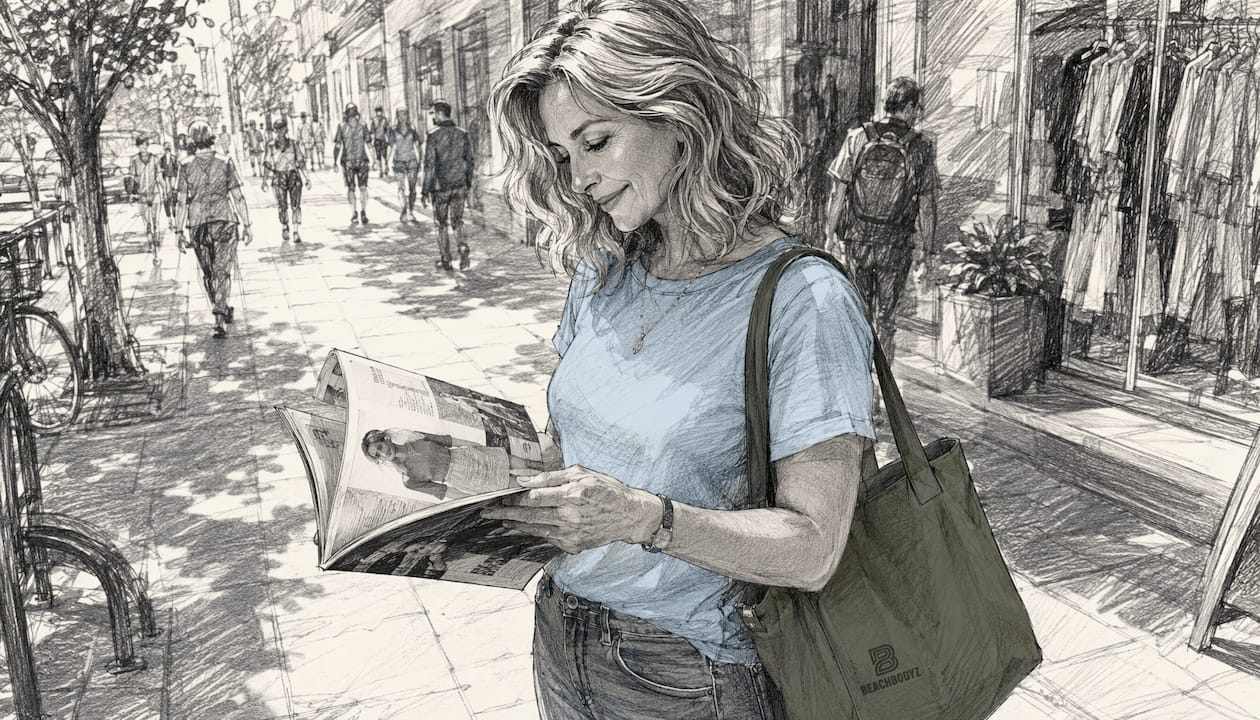
Slender figures should wear Regular Fit more for casual occasions. For broader builds, it is always appropriate in the right size. This cut allows for high freedom of movement without being bulky.
Styling: Regular Fit goes with shorts, jeans, and cargo pants. Tucking it into pants creates a clean everyday look.
## 3. Oversized: casual and fashionable
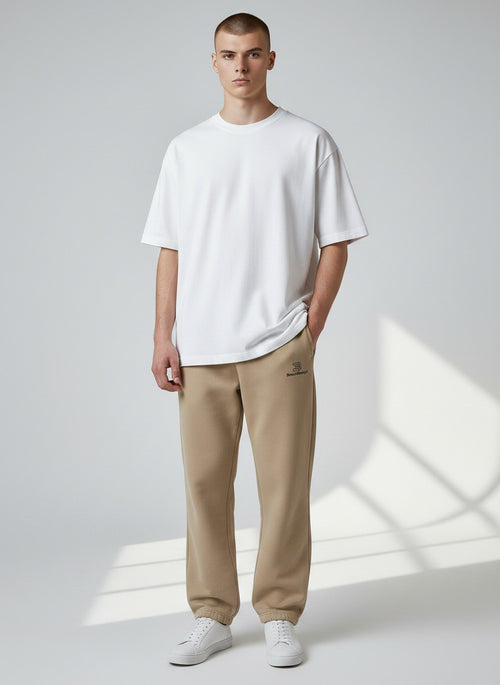
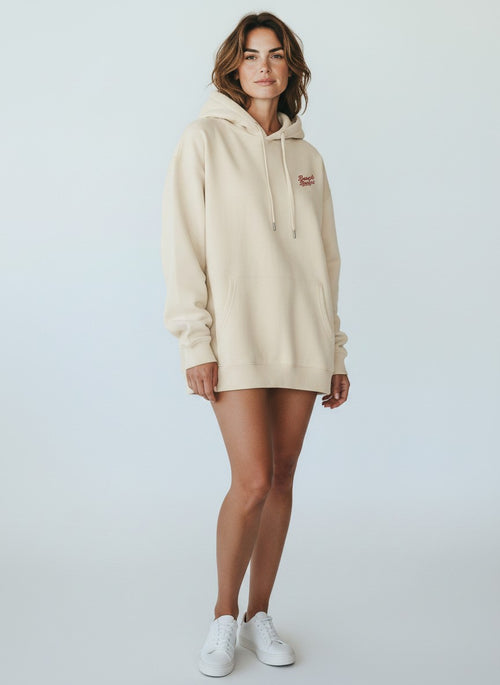
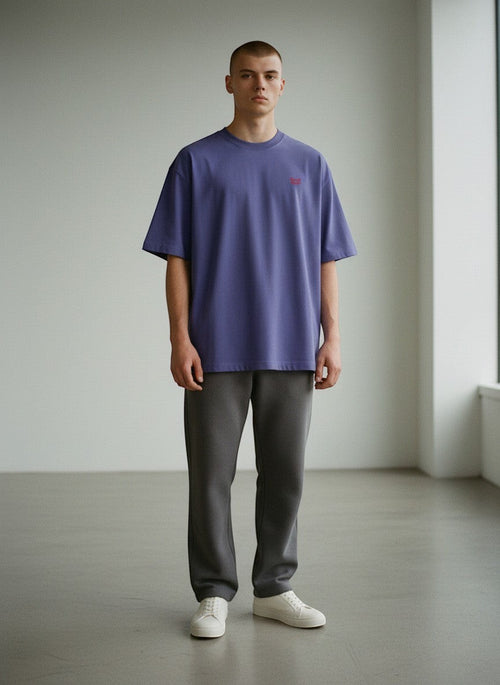
Oversized T-shirts are significantly wider than the actual clothing size. The cut is deliberately chosen to be large, with the shoulder seam often falling onto the upper arm. This cut has dominated the streetwear scene for years.
Styling: Oversized shirts look best with tight-fitting pants like slim jeans or leggings. Wearing both wide loses the silhouette. An Oversized look benefits from layering, such as an open shirt over it.
| Fit | Shoulder Seam | Body Relation | Style Effect |
|---|---|---|---|
| Slim Fit | on the shoulder | tight-fitting | sporty, structured |
| Regular Fit | on the shoulder | loose, straight | classic, versatile |
| Oversized | on the upper arm | very wide | casual, streetwear |
| Boxy Fit | on the shoulder | box-shaped | angular, distinctive |
| Dropshoulder | lower than shoulder | wide, comfortable | relaxed, modern |
## 4. Boxy Fit: angular silhouette with character
Boxy Fit is characterized by a straight, box-shaped cut. The sleeves are often shorter, and the shoulder area is wide and without tapering. This cut has a distinctive look and is suitable for brands with a clear visual identity.
A boxy shirt needs a sturdy fabric. Light material makes the shape soft, heavier jersey keeps the lines clean. When combining Boxy Fit with wide pants, pay attention to clear proportions so that the look doesn't appear shapeless.
## 5. Dropshoulder: comfort through offset cut
The Dropshoulder cut places the shoulder seam lower than the natural shoulder. This gives the shirt a casual fit and increases freedom of movement in the shoulder area. This cut is particularly common in oversized designs.
Styling: Dropshoulder pairs well with jogging pants or wide cargo pants. The cut suits the relaxed streetwear look and appears less formal than set-in sleeves.
Which fit suits which body type?
Choosing the right fit is a conscious style decision that reflects identity and current trends, as also described in the article on Jacket Fit and Modern Style: How You Make the Difference. Body shape provides guidance, but no fixed rule.
Slender figure:
- Slim Fit emphasizes existing proportions
- Regular Fit appears balanced in the right size
- Oversized can visually create volume
Athletic figure:
- Slim Fit shows shoulder width
- Regular Fit sits comfortably without restricting
- Boxy Fit can be bulky with broad shoulders
Broad or strong figure:
- Regular Fit offers the most freedom of movement
- Oversized and Dropshoulder conceal and look casual
- Slim Fit is often too tight in the shoulder and chest area
Short figure:
- Boxy Fit and very long oversized shirts can visually shorten
- Regular Fit in the right length is the safest choice
- Slim Fit elongates through the clear line
What influence does the fabric have on the fit?
Single Jersey is light and stretchy. The fabric adapts to the body shape, which benefits Slim Fit and Regular Fit. Heavy Cotton is heavier and more durable. It stabilizes the cut and holds its shape better even after frequent washing.
- Single Jersey: soft, stretchy, ideal for close-fitting cuts
- Heavy Cotton: dimensionally stable, structured, good for Boxy and Oversized
- Care instructions: Wash shirts at 30 °C and do not tumble dry to avoid shrinkage
- Sustainability: GOTS-certified organic cotton guarantees fair production and conserves resources
Material stretch influences how long a shirt retains its shape. High-quality fabrics with controlled elasticity ensure that the cut remains even after many washes.
How do fits specifically differ?
The main difference lies in shoulder width, body width, and length. Slim Fit is tighter at the chest, waist, and hips than Regular Fit. Boxy Fit has the same shoulder width as Regular Fit, but no waist tapering. Oversized is larger in all dimensions than the regular clothing size. Dropshoulder differs in the position of the shoulder seam, not necessarily in overall width.
For a size comparison, it is worth checking the size chart of the respective manufacturer. Because oversized from one brand can correspond to regular fit from another.
How do cutting techniques influence freedom of movement?
Raglan sleeves extend from the collar to the armpit without a shoulder seam. This provides more room for arm movement and makes them the preferred choice for athletic T-shirts. Set-in sleeves have a clearly defined shoulder seam, which creates a structured silhouette but slightly restricts freedom of movement.
Dropshoulder cuts combine a set-in construction with a lower shoulder seam, achieving a compromise between structure and comfort. If you need a lot of freedom of movement, choose raglan or dropshoulder. If you prefer a formal look, opt for set-in.
How have T-shirt fits evolved in recent years?
Oversized and Boxy Fit have gained significant importance in recent years, driven by streetwear influences from South Korea and the USA. Regular Fit remains the best-selling cut because it works for a wide target audience. Slim Fit has lost dominance in men's fashion but remains strong in women's fashion.
Sustainability is becoming increasingly important in the choice of fit. The trend towards durable cuts made from organic certified materials is growing because consumers want to wear clothes longer. Fits like oversized and regular fit made from heavier fabric last longer and align with the "less, but better" principle.
Beachbodyz: sustainable fits from Germany
Beachbodyz produces streetwear from GOTS-certified organic cotton and recycled polyester, ethically manufactured in the EU and shipped climate-neutrally. The focus is on oversized cuts and regular fit, which remain durable due to high-quality materials.
- Oversized T-shirts made from heavy organic jersey maintain their shape even after many washes
- Regular-Fit cuts for a broad target audience, combinable with the Essential Oversize Sweatshirt
- All products suitable for personalization such as embroidery
- Fair working conditions in the EU, no fast fashion production
Pro-Tip: If you want to combine fit and sustainability, look for the GOTS seal and choose cuts that will still fit after a year. Oversized in heavy cotton is the most reliable choice for this.
Those who want to delve deeper into styling combinations can find specific recommendations for 2026 in the Beachbodyz styling guide.
Key Takeaways
The choice of T-shirt fit depends on body type, occasion, and material quality. Oversized and Regular Fit made from dimensionally stable fabric offer the greatest everyday usability.
| Topic | Details |
|---|---|
| Slim Fit | Body-hugging, ideal for slender and athletic figures, less freedom of movement |
| Regular Fit | Universally applicable, straight cut, high freedom of movement for various body types |
| Oversized and Boxy | Casual streetwear cuts, require dimensionally stable fabric for a clean silhouette |
| Fabric Choice | Heavy Cotton stabilizes the cut, Single Jersey adapts to the body shape |
| Sustainability | GOTS-certified organic cotton ensures fair production and durable fit |
FAQ
What T-shirt fits are there?
The five main fits are Slim Fit, Regular Fit, Oversized, Boxy, and Dropshoulder. Each follows a different cutting logic and creates its own silhouette.
What do Regular Fit and Slim Fit mean?
Regular Fit falls straight and loose, without conforming to the body shape. Slim Fit is body-hugging and follows the body line through tapering at side or back seams.
What T-shirt sizes are there?
Common clothing sizes range from XS to 3XL. For oversized cuts, it is often recommended to choose one size smaller than usual, as the cut is already wider.
Which fit suits which figure?
Slim Fit suits slender and athletic figures. Regular Fit works for most body types. Oversized and Dropshoulder are suitable for stronger figures or those who deliberately want to create volume.
What is the difference between raglan and set-in sleeves?
Raglan sleeves extend from the collar to the armpit without a shoulder seam and offer more freedom of movement. Set-in sleeves have a defined shoulder seam and appear more structured and formal.