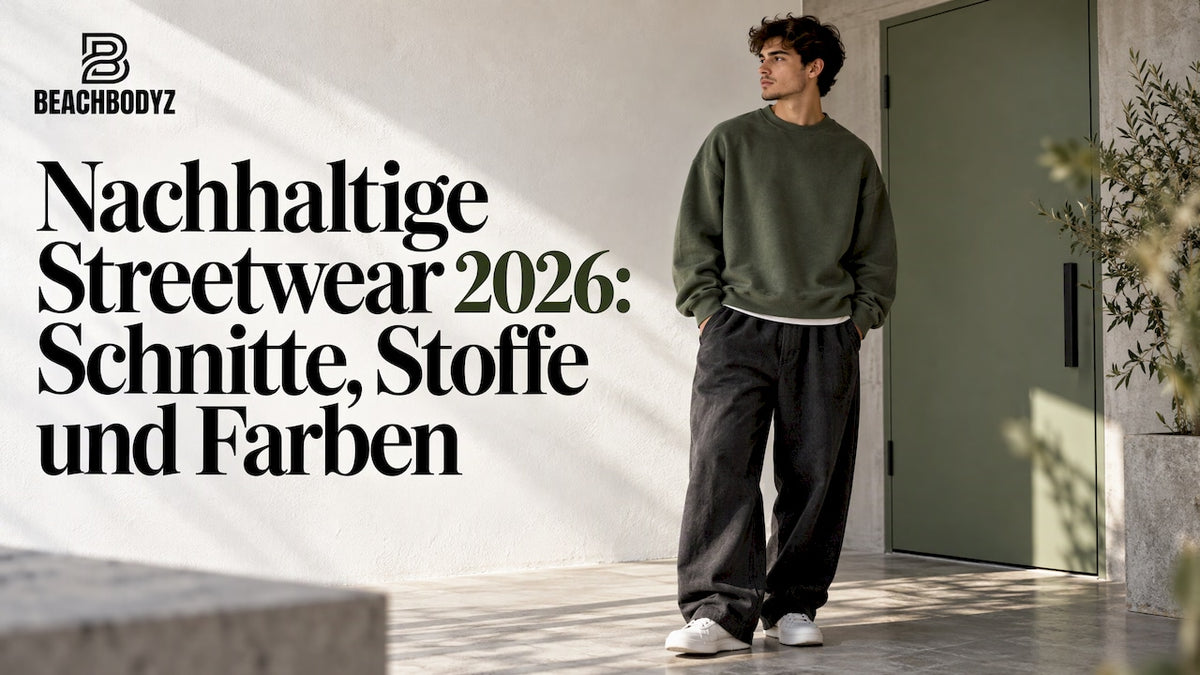
Sustainable streetwear in 2026 focuses on wide oversized and boxy cuts, heavy, tactile fabrics, certified organic cotton and recycled fibers, understated designs with targeted graphics, and durable pieces that can be worn for many years. Vintage influences, earth tones alongside bold accent colors, and stricter requirements for fair production are also part of the trend. This overview categorizes the trends by cut, material, color, design, and use, with tips for plus sizes and sporty wear.
Key Insights
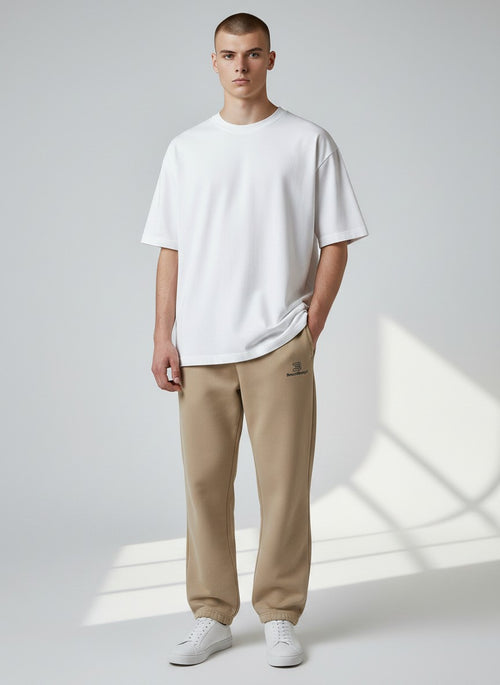
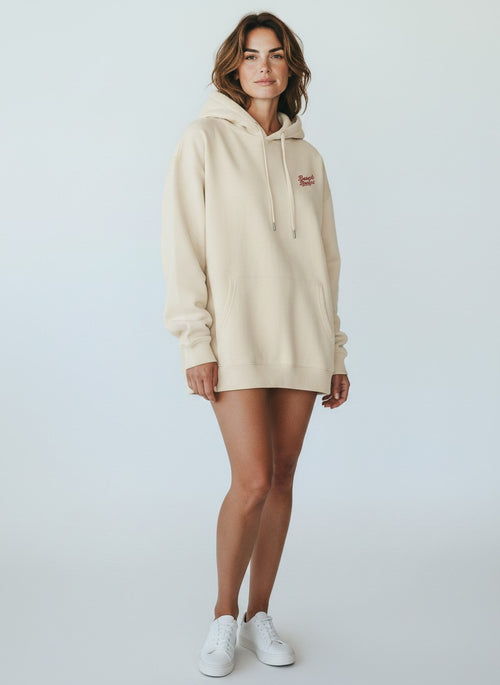
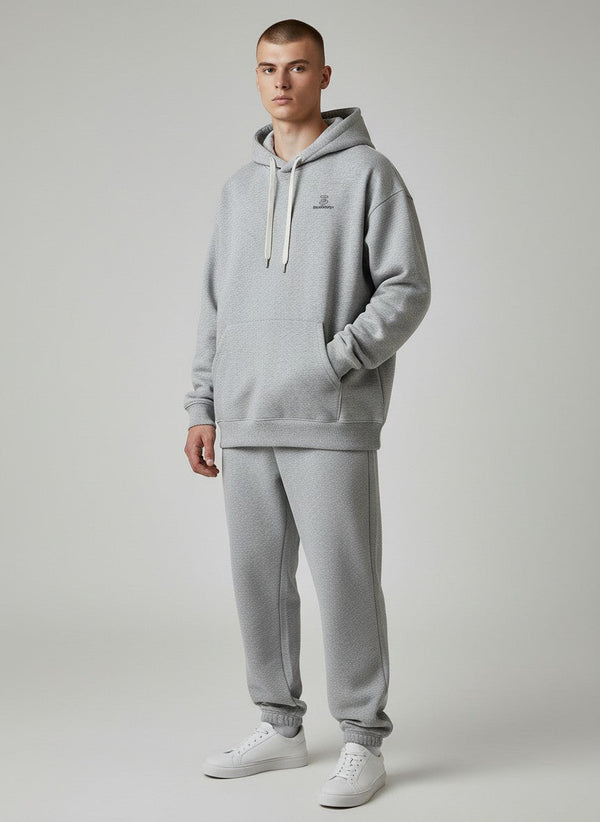
- Silhouette: Oversized and boxy are replacing slim fit. Oversized features dropped shoulders, a longer body, and wide sleeves, while boxy is similarly wide but shorter and more square.
- Material: Heavy, dense fabrics give structure to wide cuts, resist losing their shape, and withstand more washes. Organic cotton and recycled polyester remain the foundation of sustainable collections.
- Production: The new Fairtrade Textile Factory Standard has applied to the sewing stage since September 1, 2026, and regulates working hours, contracts, and basic wages.
- Design: Understated fronts, large back graphics, embroidery instead of short-lived effects. Colors ranging from earth tones to bold accents.
- Use: Longevity is the real sustainability trend. Cost per wear matters more than the purchase price.
Table of Contents
- 2026 Trends at a Glance
- Oversized and Boxy: The Cuts of the Year
- Heavyweight: Heavy, Tactile Fabrics
- Materials and Certifications: What Makes Sustainable Streetwear
- Design 2026: Quiet Streetwear, Back Graphics, Embroidery
- Colors and Prints 2026
- Vintage, Upcycling, and Long-Term Use
- Streetwear in Plus Sizes: Fit and Selection
- Streetwear Meets Gymwear: Requirements for Athletes
- Layering for Fall and Winter 2026
- 2026 Trends at BeachBodyz
- Frequently Asked Questions
- Sources
2026 Trends at a Glance
The following table summarizes the most important sustainable streetwear trends for 2026. It shows the feature, its connection to sustainability, and suitable garments.
| Trend | Feature | Connection to Sustainability | Typical Pieces |
|---|---|---|---|
| Oversized Silhouette | Dropped shoulders, longer body, wide sleeves | Timeless cut, long-lasting, size-flexible | T-shirts, hoodies, zip-ups |
| Boxy Fit | Wide, short, boxy | Can be combined with many trouser styles | T-shirts, sweatshirts |
| Heavyweight Fabrics | Dense, heavy qualities | Shape-retaining, less shrinkage, more washes | Hoodies, sweatshirts, shirts |
| Certified Fibers | Organic cotton, recycled polyester | Fewer virgin resources, traceable supply chain | Entire collection |
| Fair Production | Standards for wages and working hours | Social responsibility in the sewing stage | Entire collection |
| Quiet Streetwear | Minimal logos, clean fronts | Less trend-dependent, stays relevant longer | Basics, hoodies |
| Back Graphics | Large motifs on the back | Distinctive pieces with a long lifespan | Hoodies, jackets |
| Vintage and Upcycling | Classics with modern elements | Longer use of existing pieces | Jackets, denim, sweatshirts |
| Earth Tones and Accents | Natural colors, plus neon, purple, green | Versatile wardrobe staples | Basics, accessories |
| Streetwear Meets Gymwear | Freedom of movement, durable fabrics | One piece for everyday wear and training | Joggers, shorts, shirts |
Oversized and Boxy: The Cuts of the Year
The narrow slim fit is losing further importance in 2026. Wide cuts dominate the look, both in everyday wear and on the runway. Vogue Germany describes the combination of streetwear and couture at a Berlin label: oversized silhouettes, heavy leather, and sturdy denim meet precise tailoring, craftsmanship, and layering. The collections of this label are made from deadstock materials and are exclusively designed and produced in Germany.
Difference Between Oversized and Boxy
Both terms describe loose fits, but the silhouette differs significantly.
| Feature | Oversized | Boxy |
|---|---|---|
| Shoulder | Dropped shoulder, seam sits low on the upper arm | Usually also dropped |
| Body Length | Longer, falls over the waistband | Shorter, ends around the waistband |
| Sleeves | Wide and often longer | Wide, rather short |
| Effect | Casual, flowing | Boxy, structured |
| Combination | Narrow or straight trousers, shorts | Wide trousers, high rise |
Why Wide Cuts Can Be Sustainable
- Long-Term Wearability: Wide cuts are less tied to short-term fit trends.
- Size Flexibility: Minor changes in body shape matter less with a loose fit. A piece stays fitting longer.
- Layering: Wide tops leave room for layers underneath. The same piece works in early fall, winter, and spring.
- Gender Neutrality: Wide, straight cuts are worn by many people regardless of gender. Find out more in the post about buying sustainable gender-neutral streetwear.
Getting the Proportions Right
Wide on top calls for a conscious choice on the bottom. Proven combinations:
- Oversized hoodie with straight or slightly slim joggers.
- Boxy shirt with wide trousers and a high rise.
- Oversized shirt with shorts and chunky sneakers.
- Short jacket over a longer oversized shirt for visible layers.
More on lengths and balance: Mastering Streetwear Proportions.
Heavyweight: Heavy, Tactile Fabrics
The second major trend concerns the material itself. In 2026, buyers pay closer attention to labels, fabric weight, and feel. Dense cotton qualities, textured surfaces, and fabrics that convey quality to the touch are in demand.
Why Heavyweight Belongs with the Oversized Cut
- Structure: Heavy, dense fabrics give wide cuts their shape. Lightweight fabrics tend to hang limply in oversized shapes.
- Shape Retention: Good heavyweight qualities hardly lose their shape and shrink very little.
- Durability: Dense qualities withstand significantly more washes than thin goods.
- Drape: Heavy fabrics fall straight and smoothly, while hems and collars retain their shape.
Features of Good Heavyweight Quality
| Check Point | Feature of High-Quality Goods |
|---|---|
| Feel | Dense, firm, not see-through |
| Collar | Wide ribbed band, lying flat |
| Seams | Straight, double-stitched at the hem and sleeves |
| Surface | Uniform, without early pilling |
| After Washing | Shape and length remain largely intact |
Design houses are also embracing the focus on materials. According to Vogue, they are returning to natural materials and vintage-inspired silhouettes in the 2026 trouser trends, while classic tailoring remains present with a modern twist.
Materials and Certifications: What Makes Sustainable Streetwear
Sustainability begins with the fiber and extends to the sewing stage. Three levels are relevant for streetwear.
Fiber
- Organic Cotton: Grown without synthetic pesticides and fertilizers. Certifications such as GOTS (Global Organic Textile Standard) audit the chain from fiber to finished product.
- Recycled Polyester: Made from existing plastic instead of new crude oil. Often used in blended fabrics for sportswear and leisurewear.
- Deadstock and Remnants: Surplus fabrics from production are repurposed, as with the Berlin label mentioned above.
Production
Social criteria are gaining weight in 2026. Fairtrade Deutschland lists the following points for the new textile standard:
| Criterion | Content According to Fairtrade |
|---|---|
| Effective Date | September 1, 2026 |
| Stage | Cut-Make-Trim, i.e., the sewing stage |
| Working Hours and Contracts | Regulated working hours, written employment contracts |
| Basic Wage | At least 55 percent of the regional living wage benchmark or 10 percent above the statutory minimum wage |
| Equality | Measures against gender-based discrimination |
| Occupational Safety | Criteria for safe workplaces and the handling of chemicals |
Source: Fairtrade Deutschland, Sustainable Fashion & Textile Products.
Origin and Transparency
Production in the EU means shorter routes between brand and manufacturing, as well as work under European labor law. Transparent information about the country of production, material, and certification is becoming standard for reputable brands in 2026. Detailed audit criteria are included in the post recognizing sustainable streetwear.
Checklist for Reliable Sustainability Claims
- Specific Certification: The name of the certification instead of general terms like "environmentally friendly".
- Material Composition in Percentages: Composition on the label and product page.
- Country of Production: Clear indication of where the garment is sewn.
- Care Instructions: Instructions that enable long-term use.
- Consistency: Information on the website, label, and packaging matches.
Design 2026: Quiet Streetwear, Back Graphics, Embroidery
Conspicuous logos across the entire chest are taking a back seat. The trend is called Quiet Streetwear: clean fronts, small details, high-quality finish.
Minimalist Front, Maximalist Back
A common pattern in 2026: The front remains understated, with a small chest motif or no print at all. The back features a large graphic. The piece appears understated in everyday wear and striking from behind.

Embroidery Instead of Short-Lived Effects
Embroidery is increasingly replacing large-scale prints, which can tear or fade after many washes. Embroidered motifs are three-dimensional, robust, and look high-quality. They are also suitable for personalization, such as initials, team names, or dates. For more on this, see sustainable embroidery.
Open Hem
Another change is visible in joggers: alongside the classic ribbed cuff, straight, open hems are emerging. They fall over the sneaker and look closer to trouser fabric. Both variants remain wearable in 2026, and the choice depends on the shoe and the use.
Colors and Prints 2026
The color palette of sustainable streetwear moves between two poles.
| Group | Colors | Use |
|---|---|---|
| Earth Tones | Sand, olive, brown, cream, slate | Basics, hoodies, joggers |
| Neutral Classics | Black, white, gray, navy | Wardrobe staples, layering |
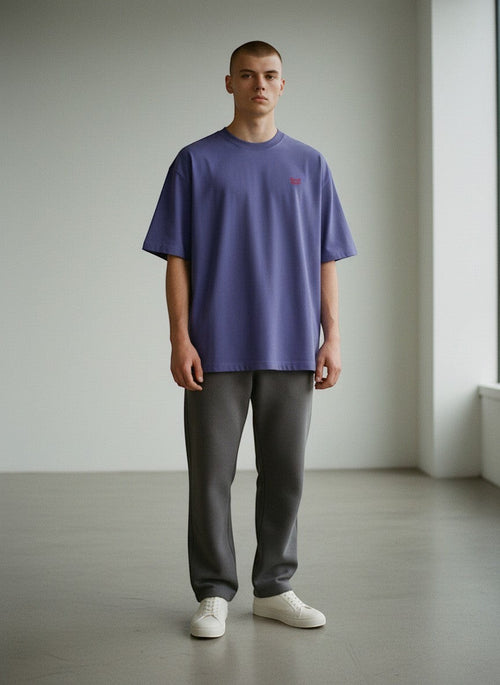
| Accent Colors | Neon tones, bold purple, bright green | Individual pieces, graphics, accessories |
| Patterns | Geometric, patchwork, subtle animal prints | Back graphics, details |
Trend reports such as the Urban Streetwear Trends 2026 in Mirabeau Magazine call neon tones, bold purple and bright green as well as geometric patterns, patchwork and more subtle animal prints as accents.
Color strategy for a long-lasting wardrobe
- Base in neutral and earthy tones: These colors can be combined for years.
- Use accents deliberately: One bold color per outfit, such as a hoodie or a shirt.
- Tone-on-tone: An oversized shirt, hoodie and sweatpants in graduated earthy tones create a calm overall look.
- Graphics as an accent: Colorful motifs on a neutral background instead of completely colorful pieces.
Vintage, upcycling and long-term use
Vintage influences shape streetwear in 2026, from washed-out looks to classic college cuts. According to Mirabeau, upcycling 2026 is the new normal, classic pieces are combined with modern elements.
Longevity as the core of the trend
FashionUnited describes for the Fall/Winter 2026/27 season that long-lasting pieces can even increase their perceived value with use. This leads to a clear criterion for new purchases: pieces that age well stay in the wardrobe.
Politics is also focusing on longer use. The Dutch Policy Programme for Circular Textile 2025–2030 focuses on repair, reuse and second-hand. The vision for 2050 includes clothing libraries, repair shops and a transparent textile chain.
Cost per wear
The purchase price alone says little about the value of a garment. The price per wear is more meaningful.
| Example | Purchase price | Number of wears | Cost per wear |
|---|---|---|---|
| Hoodie, 3 seasons, 1 time per week | 70 € | 120 | approx. 0.58 € |
| Hoodie, 5 seasons, 1 time per week | 70 € | 200 | 0.35 € |
| Oversized shirt, 2 times per week, 3 years | 45 € | 300 | 0.15 € |
Calculation example with assumed values. The method in detail: Honestly calculate clothing per wear.
Care for a long lifespan
- Follow the care label, do not exceed the specified temperature.
- Wash pieces with prints or embroidery inside out.
- Full drum, but do not overload.
- Air dry instead of using a dryer, if possible.
- Have small damages repaired early.
Streetwear in plus sizes: Fit and selection
Wide cuts make streetwear 2026 more accessible for larger sizes. The key is a fit that looks intentionally wide and not like a too large standard size.
Checkpoints for the fit
| Area | What to look for |
|---|---|
| Shoulder | Drop shoulder sits deliberately low, without being too tight |
| Chest and stomach | Straight fall, no pulling at the button placket or zipper |
| Length | Top covers the waistband even when moving |
| Sleeves | Wide enough at the upper arm, cuffs not too tight |
| Pants | Elastic waistband with drawstring, enough width at the thigh and buttocks |
| Fabric | Heavy quality for a calm fall, without visible contours |
Use the size chart correctly
- Lay your own well-fitting piece flat.
- Measure the chest width (armpit to armpit) and length (shoulder to hem).
- Compare the values with the product size chart.
- For oversize cuts, note that the width is already planned.
- For heavyweight cotton, pay attention to shrinkage information.
Styling principles
- Heavy fabrics fall straight and calm.
- Tone-on-tone outfits visually elongate.
- Open zippers or jackets create vertical lines.
- Back graphics set accents without emphasizing the front.
More outfits and cut variants: Styling streetwear in large sizes as well as Combining oversized zippers.
Streetwear meets gymwear: Requirements for athletes
The boundary between training clothes and everyday fashion is blurring further. Sweatpants, shorts and oversized shirts are worn directly from the gym to the city. For athletes, other criteria count than for pure everyday wear.
Criteria at a glance
| Criterion | Meaning | Note |
|---|---|---|
| Freedom of movement | Width at shoulder, back and thigh | Oversize cuts offer room for squats and overhead exercises |
| Durability | Resistant seams, dense fabric | Heavyweight qualities withstand friction and frequent washing better |
| Material | Cotton for comfort, recycled polyester for sports parts | Blends combine feel and function |
| Waistband | Elastic, with drawstring | Fits during movement, without cutting in |
| Care | Frequent washing | Follow the care label, wash inside out |
| Everyday suitability | Cut and color can be worn outside of training | One piece instead of two saves resources |
Use by training type
- Strength training: Oversized shirt made of heavy cotton, shorts or sweatpants with freedom of movement.
- Warm-up and way home: Hoodie or sweatshirt over the training shirt.
- Rest days and everyday: The same sweatpants with sneakers and a jacket.
Layering for fall and winter 2026
Layers are the practical answer to changeable weather and a core element of wide silhouettes. A proven order:
- Base: Heavyweight oversized shirt.
- Middle layer: Sweatshirt or hoodie, one size larger or in an oversize cut.
- Outer layer: Jacket that has room over the hoodie.
- Bottom: Sweatpants with open hem or cuffs.
Further combinations: Layering with streetwear, Layering with oversized hoodies and Streetwear layering in early fall.
The trends 2026 at BeachBodyz
BeachBodyz is a streetwear brand from Bremen with a focus on sustainable materials and streetwear with gymwear influence. According to the brand, the products consist of GOTS-certified organic cotton and recycled polyester, are produced fairly in the EU and shipped climate neutrally. Many cuts are available in an oversize style, the pieces are suitable for personalizations like embroidery.

| Product line | Price | Trend connection |
|---|---|---|
| Oversized T-Shirts | 45 € | Oversize, Heavyweight, Layering base |
| Hoodies | 66–78 € | Oversize, Embroidery, Middle layer |
| Sweatshirts | 71 € | Quiet Streetwear, Layering |
| Sweatpants | 59 € | Gym and everyday |
| Jackets | 58–68 € | Outer layer |
| Shorts | 50 € | Training, Summer |
| Shoes | 65 € | Complete look |
The entire assortment and limited drops in the BeachBodyz Online Shop.
Frequently Asked Questions
What is the most important sustainable streetwear trend 2026?
The central trend is longevity: heavy, shape-stable fabrics, timeless oversize and boxy cuts as well as certified materials. In addition, fair production standards like the Fairtrade Textile Factory Standard, which has been valid since September 1, 2026.
How do Oversized and Boxy differ?
Oversized pieces have a low-sitting shoulder, a longer body and wide sleeves. Boxy pieces are similarly wide, but end shorter and look more boxy. Oversized fits well with straight or narrow pants, Boxy with wide pants with a high rise.
Why are Heavyweight fabrics considered more sustainable?
Dense, heavy qualities hardly deform, shrink little and withstand more wash cycles. A piece thus remains wearable longer, which lowers the cost per wear and reduces new purchases.
Which colors are in demand in streetwear 2026?
Earthy tones like sand, olive and brown form the base, neutral classics like black, gray and white remain set. As accents appear neon tones, bold purple and bright green as well as patchwork and geometric patterns.
Is streetwear also suitable for training?
Wide cuts offer freedom of movement, robust fabrics withstand frequent washing. Sweatpants, shorts and oversized shirts can be worn in the gym and in everyday life, thus one piece fulfills two purposes.
Sources
- Fairtrade Germany: Sustainable Fashion & Textile Products
- Vogue Germany: Pants Trends 2026
- Vogue Germany: Style from here, avant-garde Eveningwear from Berlin
- FashionUnited: Secondhand Trends for Fall/Winter 2026/27
- Government of the Netherlands: Policy Programme for Circular Textile 2025–2030
- Mirabeau Magazine: The coolest Urban Streetwear Trends for 2026