Pre-workout snacks: timing, selection, and practical solutions
Pre-workout snacks are the small lever for many recreational athletes that elegantly combines motivation, stomach comfort, and energy. At the same time, they are not a must: your last main meal, training duration and intensity, and your current feeling of hunger are the deciding factors. In this guide, you will receive reliable, practical guidelines to help you decide if you even need pre-workout snacks, how large the portion can be, and when no additional snack is necessary. We cover the fundamental principles emphasized by the DGE (German Nutrition Society) regarding nutrition and sports (requirements depending on duration/intensity, carbohydrates for high exertion, "food first," supplements not generally necessary) and supplement them with practical examples, as also described by the Austrian portal Nutrition & Endurance Sports. You will find simple recipes, flexible time windows instead of rigid rules, advice on digestion and hydration, and safety limits. This way, you can test what fits your everyday life without complicated rules, but with a system – and start training in the future feeling more relaxed, satiated, and light.
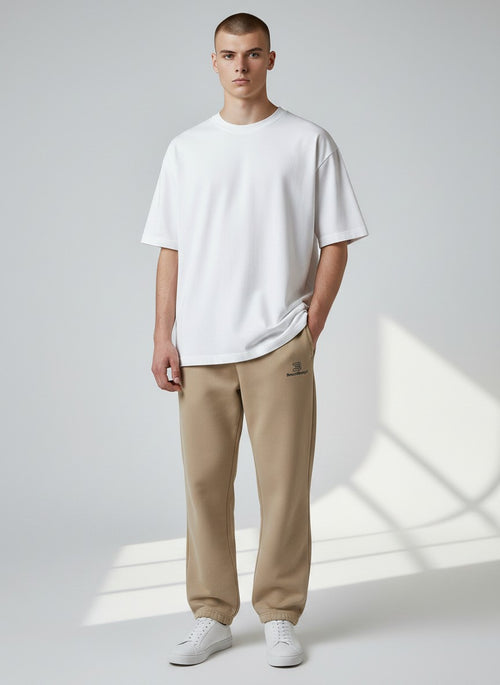
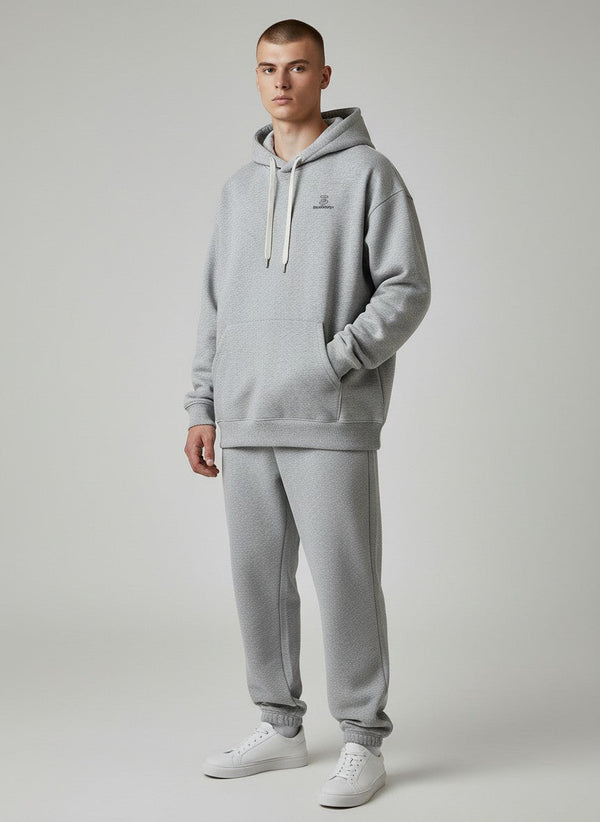
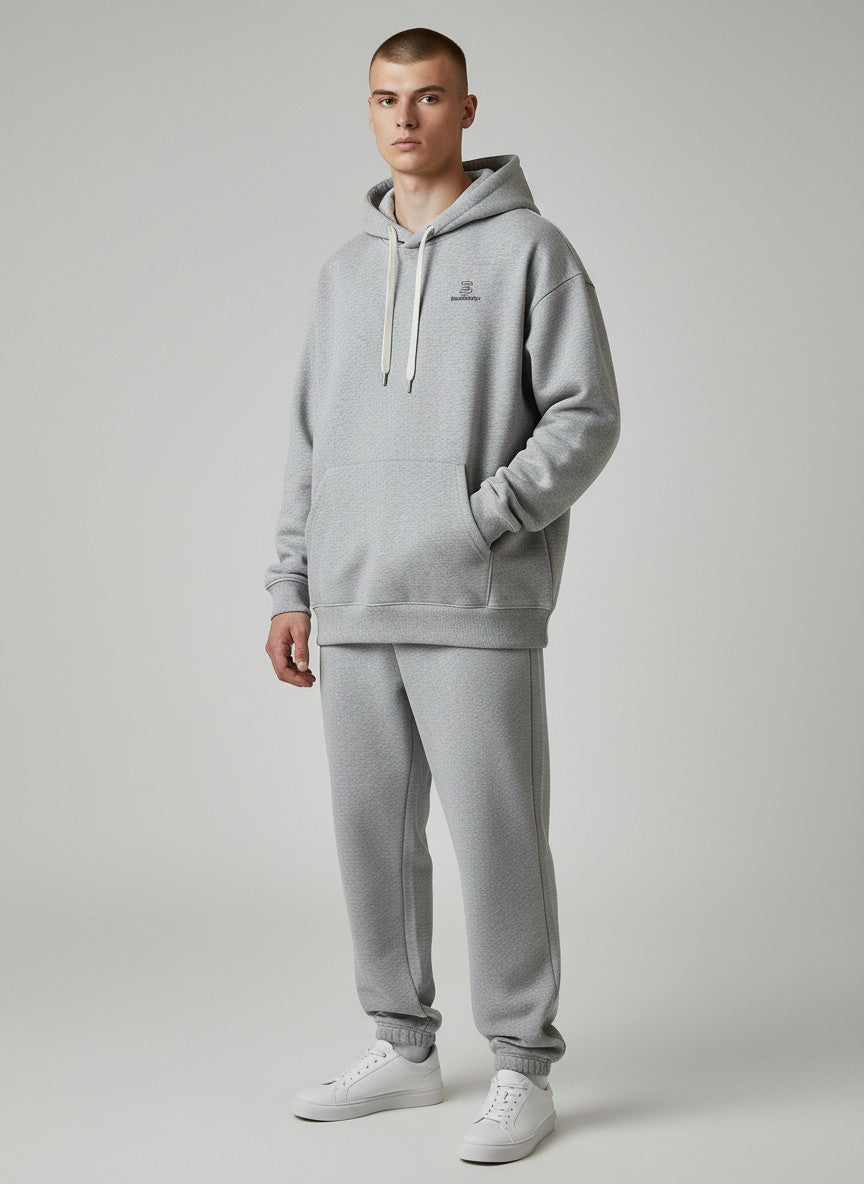
Wear what you have – comfort counts on the way to the gym and during breaks, not for the effect of your snacks. Optionally, you can find cozy pieces, MADE IN EU and BUILT DIFFERENT: Standard Oversize Hoodie – organic cotton, black embroidery, Core Oversize Hoodie – organic cotton, green embroidery, Silence Oversize Sweatshirt – organic cotton, gold embroidery, as well as the collections Oversize Hoodie Men & Women and Oversize Sweatshirt Men & Women.
Do I need pre-workout snacks? How to make the choice
Time since the last meal
Start with the simplest question: When and how much did you last eat? A sufficient, well-tolerated meal can still be enough even after several hours. If you ate only one or two hours ago and are pleasantly full, additional pre-workout snacks are usually unnecessary. If your meal was much longer ago, was small, or you feel hunger, consider a familiar bite. The time is not the only deciding factor: pre-workout snacks supplement your daily nutrition as needed, rather than becoming a duty regardless of hunger.
Realistically assessing duration and intensity
The DGE emphasizes that requirements and tolerance depend on training duration and intensity. For short, light sessions, you usually do not need pre-workout snacks; for long intervals, HIIT, or brisk endurance units, a carbohydrate-focused bite can make sense. The Austrian portal Nutrition & Endurance Sports lists easily digestible carbohydrates – such as a banana, white bread, or a small oat base – as proven examples. These are not dogmas, but proven starting points: decide based on your daily form and routine whether pre-workout snacks really add value.
When a snack is unnecessary
If you are full, feel good, and the training remains moderate, you usually do not need additional pre-workout snacks. Even very early in the morning, the decision is individual: hunger, habit, and exertion count for more than a rigid rule. A snack can bridge a long food gap but is not a treatment for dizziness. In case of discomfort, interrupt the unit; recurring or severe symptoms should be clarified medically. Pre-workout snacks are a nutritional option, not a substitute for this clarification.
Pragmatic decision support
Start with three questions: How large was your last balanced meal, how does your stomach feel, and how do you plan the exertion? Answer them honestly and decide in stages: If you feel full and light, go without anything extra. If you feel slight hunger or an intense unit is coming up, consider a small option. If your stomach sounds empty and you get jittery, then pre-workout snacks will help you more than a strict rule.
Practical examples make the choice easier: After a long day of meetings without a proper lunch, a familiar carbohydrate-containing bite can bridge the hunger. After a late Sunday brunch, no addition may be necessary. Early commuters benefit from portable solutions, as long as perishable items remain cooled until consumption and package instructions are followed. Do not wait for hours out of principle if you are noticeably hungry. However, if proper meals are regularly skipped, it is worth improving their organization first, rather than improvising the whole day with smaller and smaller snacks.
A small plan helps: Have two familiar options ready and roughly categorize them by training duration. This allows you to react flexibly without pondering. If discomfort occurs regularly, pause the experiment and get individual advice. Feel free to decide calmly, not dogmatically – pre-workout snacks are a tool, not a dispute over principles.
Timing and portions for pre-workout snacks
Flexible time windows instead of rigid rules
Use time bands as a guide, not a stopwatch. With a few hours in between, a mixed meal often fits; about an hour before, more of a compact bite; right before the start, at most a small, familiar option if you need it and tolerate it. Pre-workout snacks are a buffer, not a substitute for regular main meals. Feeling full or belching can be related to quantity, composition, and timing, but also have other causes. Test one change at a time without deriving an intolerance from a single symptom. All table information are flexible starting points, not fixed requirements.
Comparison: Timing, examples, and limits
The following table compares typical options for pre-workout snacks. It does not provide nutritional values but shows application scenarios and tolerance so you can quickly weigh your options.
| Time until training | Snack example | Application scenario | Tolerance and limits |
|---|---|---|---|
| 2–3 hours | Small bowl of oatmeal with yogurt/alternative, little fruit | Moderate to intense training in the evening | More satiety; takes longer to settle in the stomach |
| 60–90 minutes | Banana + toast (thinly topped, e.g., honey or plant-based spread) | Short strength or running training after work | Easily digestible; low fat/fiber facilitates the start |
| 30–45 minutes | Rice cake with a little banana; small smoothie (without many seeds) | Spontaneous workout, hunger noticeable | Quickly available; too large quantities can "bounce" in the stomach |
| 15–20 minutes | Half a banana; a small piece of white bread | Very short impulse, little time | Very small portion; only if needed and with known tolerance |
Reading signals correctly
Pre-workout snacks are sensible when there is actually a food gap or hunger. Fatigue, nervousness, and concentration problems, on the other hand, do not prove a lack of energy; sleep, stress, or health factors can also play a role. Plan food and drink with foresight without automatically responding to every discomfort with more food. If you feel full and well, no addition is necessary. If discomfort persists, clarification should come before the next nutritional experiment.
Fine-tuning without a stopwatch
Work with buffer zones: If your commute is unpredictable, pre-workout snacks in two small stages can be practical. Eat a part earlier and keep the rest as an option, not a duty. An example is a piece of toast in the office and later, if hunger continues, some banana. If hunger does not return, you do not need to consume the reserve. With a spontaneous change to a significantly more intense unit, you can also postpone the start instead of hastily eating more immediately before.
Practical suitability also depends on transport and preparation: A banana can be eaten without cutlery, a yogurt needs cooling and a spoon. Therefore, do not choose only based on a supposedly perfect time. For late units, a planned afternoon snack may be easier than a hectic solution in the changing room. Pre-workout snacks support the flow; they do not replace regular meals. Test a variant several times under similar conditions before you evaluate it, and keep perishables cooled until consumption.
Everyday pre-workout snacks: ideas, preparation, alternatives
Quickly at home
When time is tight, rely on simple, proven pre-workout snacks: banana with thinly spread toast; oatmeal with milk or a plant-based alternative (small portion); plain yogurt or soy yogurt with little ripe fruit; rice cakes with applesauce. Keep fat and fiber quantities rather low to maintain stomach calm. A tiny spoonful of nut butter can help with taste – but don't overdo it. Prepare ingredients ready to go: fruit washed, bread frozen in slices, oats measured in a small glass.
On the go without a kitchen
On the way to work or before the gym, pre-workout snacks are ideal if they are robust: a banana in a case, individual slices of white bread in a bag, small rice cake packs. Liquid options like a simple, finely pureed smoothie (without seeds/peels) go well if cooled. Keep perishables cooled in a small cooler bag and follow the instructions on the packaging. If cooling is uncertain, prefer a suitable shelf-stable food.
Vegetarian, vegan, lactose-free
Many pre-workout snacks can be easily adapted: replace yogurt with soy yogurt or lactose-free yogurt, milk with oat or rice milk, honey with maple syrup. If gluten is an issue, use rice cakes or gluten-free bread. Important: A carbohydrate-focused snack shortly before sports does not demonize fiber or fats in general – it only shifts the focus in terms of time. The balanced basis of your diet remains decisive and acts throughout the entire day.
Combining building blocks smartly
Plan in modules instead of recipes. Have a basis of bread, rice cakes, or small oat portions ready and combine them with a mild topping depending on your daily form: a little applesauce, fine banana slices, thinly applied spread. This creates everyday pre-workout snacks in minutes that neither block the kitchen nor require many tools. If you don't have a blender, mash fruit with a fork; if you eat on the go, pack a soft component separately so that nothing gets soggy.
Fine-tuning succeeds via consistency and seasoning. Very coarse seeds, hard crusts, or spicy seasonings can sit heavier shortly before the start than gentle variants. Mini amounts of nut butter round off the taste without burdening the portion. For lactose-free or vegan options, soy yogurt, oat drinks, and plant-based spreads work well; for gluten issues, rice cakes or suitable bread help. Ensure clean working, wash fruit, and keep perishables cooled until consumption, ideally with a cooling pack or in the office refrigerator. The information on the packaging provides guidance.
If you need variety, rotate structurally: once soft and mild, once a bit more chew-intensive, once liquid and finely pureed. This is how you recognize what reliably brings you into focus mentally and physically. Stick to familiar brands if you have a sensitive stomach and test new things with a time buffer. Pre-workout snacks are then not a creative burden, but a small, reliable ritual.
Food remains food – clothing changes nothing about that. If you want a comfortable layer for your trip there and back or for your break, optionally try: Standard Oversize Sweatshirt – organic cotton, black embroidery, Authentic Fleece Jacket – gold embroidery, Essential Oversize Hoodie – organic cotton, red embroidery. Additionally, discover the collections Oversize T-Shirt Men & Women and Streetwear Jackets Men & Women – but use what you already own first.
Pre-workout snacks: strength vs. endurance, morning vs. evening, fasted?
Strength training: stable and light
With strength exercises, a comfortable stomach feeling is important. If you need pre-workout snacks, you can start with a familiar carbohydrate-containing bite and sufficient time; 60–90 minutes is a possible test period, not a duty. Banana with toast, rice cakes, or a small oat portion are possible depending on tolerance. Protein is relevant for your overall diet, but does not have to be packed into every snack eaten immediately before training. For muscle building, a suitable training stimulus, sufficient total nutrition, and recovery also count – not a single food item.
Endurance: steady and stomach-friendly
For brisk runs, intervals on the bike, or longer cardio workouts, pre-workout snacks are particularly useful if the last meal was a long time ago. Easily digestible carbohydrates – as mentioned in the examples by the Austrian portal Nutrition & Endurance Sports – are a good start. Pay attention to manageable quantities shortly before the start and test how you react during climbs or speed increases. Drink in moderate quantities beforehand, then according to thirst – both too little and too much are unfavorable.
Morning, evening, and fasted training
In the morning, pre-workout snacks are smaller for some people, such as some banana or white bread. In the evening, the need depends more on how previous meals turned out. Fasted training does not automatically lead to higher fat loss in the long term and is not a necessary prerequisite for progress. If you feel dizzy, have a racing heart, or significant pain, interrupt training; severe, persistent, or recurring complaints require medical help. A snack is not a blanket solution for this. For diabetes or blood-sugar-affecting medications, you need an individually coordinated strategy.
Fine-tuning by training type and time of day
Training types differ not only in energy requirements but also in the process. During strength training, there are usually set breaks; when running, the body moves continuously. Therefore, a well-tolerated eating routine cannot automatically be transferred from one sport to another. In your trials, compare similar units instead of equating a quiet technique day with an exhausting interval training. Pre-workout snacks can bridge a food gap, but for long endurance exertion, they do not replace separate planning of supply during the unit. For this, individual sports nutrition-related recommendations can make sense.
Those with little appetite in the morning can try a small familiar option with some distance or adjust the unit in terms of time. In the evening, you should also plan the meal after sports so that the snack does not accidentally become dinner. Adjust quantity and distance to your habits and tolerance. There is no generally optimal flow that works for everyone regardless of work, sleep, and training duration.
Training fasted remains a personal option, not a performance record. If you want to try it out and there are no health reasons against it, start with a familiar, easy unit instead of a long or very intense workout. If you are hungry, you can eat or postpone the start. Pre-workout snacks do not contradict any sensible fitness routine. You should not normalize recurring dizziness by continuing to test, but have it clarified professionally.
Digestion, drinking, intolerances: safe guardrails
Gastrointestinal: dosing fiber and fat tactically
Pre-workout snacks should contain fewer fibers, less fat, and moderate sweetness close to the start – not because these nutrients would be "bad," but because they can increase gastric residence time. Many tolerate banana, white bread, rice cakes, or a small, finely pureed smoothie portion better in the hour before the workout than raw food, nuts, or heavily seasoned options. If a feeling of pressure occurs, reduce portion size or increase the distance. If complaints remain regular, get medical advice – self-diagnoses rarely help.
Hydration: enough, not too much
Drink appropriately around pre-workout snacks according to thirst, weather, exertion, and your previous fluid intake. The DGE points out that both fluid deficiency and excessive drinking can be problematic. A fixed rule like "a few sips are always enough" therefore does not fit everyone. For short recreational workouts, water is often sufficient; longer or highly sweat-inducing units may require separate planning. Start as well-supplied as possible, have a drink available if needed, and do not force yourself to large quantities shortly before the start.
Allergies, intolerances, and supplements
If you are intolerant to lactose, gluten, or certain fruits, choose alternatives: lactose-free or plant-based yogurts, gluten-free bread/rice cakes, or fruits that you know you tolerate well. According to the German Nutrition Society (DGE), supplements are not automatic; a balanced everyday diet remains the foundation. Pre-workout snacks do not replace meal planning and do not solve medical issues. If you have diabetes, recurring dizziness, GI discomfort, or a prescribed diet, you need personal advice. Do not exceed safety thresholds: no "dares" with unknown foods shortly before starting.
Interpret subtle signs, use flexibility
Distinguish between observation and diagnosis: burping or an uncomfortable feeling of fullness after a large portion are indicators to check your routine, but they do not prove a specific cause or an intolerance. Note down objectively what you ate and when symptoms occurred. Initially, only change one thing, such as the portion size or the timing interval. Persistent pain, recurring dizziness, or other clear discomfort should not be part of an independent snack experiment, but rather a matter for medical clarification. This guide provides general information and does not replace individual advice.
For intolerances, a simple log over a few weeks helps: note the food, preparation, time, stomach feeling, and how training felt. This helps you identify patterns without getting lost in details. Also check the influence of preparation: finely puréed versus chunky, toast instead of bread crust, ripe versus unripe banana. Pre-workout snacks should be kept consciously minimalist here, while you maintain variety outside of your training sessions.
Hygiene protects the stomach just as much as food choices do. Wash your hands, use clean cutlery, keep perishable products like yogurt or fresh smoothies chilled until consumption, and follow the packaging instructions. When traveling, opt for robust, shelf-stable options that do not require refrigeration. If discomfort occurs regularly despite caution, stop experimenting and have it checked medically. In other cases, the rule is: pre-workout snacks are designed to support you, not occupy your thoughts.
Organizing pre-workout snacks realistically: Prep, budget, transport, hygiene
Meal prep without over-engineering
Plan pre-workout snacks like tools: simple, available, familiar. Keep "modular" ingredients ready (toast, rice cakes, banana, yogurt/alternative, oats). Portion them in small amounts – jars or containers with measurement marks help avoid having to calculate. Time zones instead of magic: larger snacks with a longer interval, tiny bites close to the start. This avoids stress and aligns with the DGE's statement that a balanced everyday diet is the foundation.
Budget, transport, and storage
Inexpensive often means pragmatic: seasonal fruit, simple slices of bread, oats, yogurt/alternatives. For on-the-go, pack pre-workout snacks so they don't get crushed and – for perishables – keep them chilled. Use a cooler bag, ice pack, or the office fridge. Always follow the packaging instructions regarding storage and consumption; do not "estimate" shelf life. For smoothies, the main factors are portion size, cooling, and your personal tolerance.
Individual testing without pressure
Test without an elaborate plan: choose two familiar pre-workout snacks and start with a suitable, easily manageable interval for each. If necessary, only note down stomach feeling, hunger, and practical feasibility. Afterward, change one thing instead of weighing every portion or testing every time window. If logs cause you stress, you can skip them. Timing is not a magic "anabolic window." If a simple routine works well, that is enough; daily nutrition, training, sleep, and recovery remain more important than minute-by-minute fine-tuning.
System instead of effort
Build a small routine that works without calculation. On Sundays, create a "snack basket": bread in slices in the freezer, a jar of pre-measured oats, rice cakes, long-lasting fruit. Label containers with two marks for larger and smaller portions; this way, you can spontaneously adjust to the time window. Do not cook anything in advance that spoils easily if you cannot keep it reliably cool. For the office, a spoon, napkins, and a compact box have proven effective as a set – packed once, always ready to hand.
Budget-friendly means: buy basic ingredients in bulk, portion them at home into small, reusable containers, and only take what you will use that day. Avoid waste by combining neutral building blocks flexibly. Also, plan two reserve variants in case appointments shift: one option that is completely unrefrigerated in your backpack and one you can get spontaneously at a kiosk. It is crucial that pre-workout snacks remain familiar and do not create additional puzzles.
Transport and hygiene are teamwork. Use an ice pack or cooler bag for perishables and keep them cold at your destination. Wash your hands before preparing and eating, and use clean containers. Before packing, check the packaging instructions for storage and consumption, and note the date on products that are already opened. In hot weather, a second small ice pack just for sensitive components is worth it. When on the move, the rule is: better to stop briefly and eat calmly than to chew hastily while walking. This way, pre-workout snacks work as planned – as a reliable metronome between everyday life and physical exertion.
Conclusion
Pre-workout snacks are a flexible tool: they fill gaps between everyday life and physical exertion without becoming a chore. With time zones, small portions, and familiar foods, you will quickly find out what works for strength and endurance sessions. DGE principles provide orientation ("food first," carbohydrates for high intensity, cautious hydration) as well as tried-and-tested examples like banana, toast, or a small oat base. Test calmly, pay attention to hygiene and individual tolerance – and use pre-workout snacks for what they are: simple, reliable helpers.
For your commute, lounging, or rest days, you can optionally choose soft layers – regardless of your snack strategy: Identity Zip Hoodie – organic cotton, white embroidery and Signature Oversize Sweatshirt – organic cotton, white embroidery. Additionally: Oversize Joggers for Men & Women. Use what is already in your closet first – purchases are optional.
FAQ: Healthy pre-workout snacks
Which pre-workout snacks do I need for a short workout?
First, check the interval and size of your last meal, your hunger level, and the planned intensity. If you are pleasantly full and have a short, light session ahead, you often don't need anything extra. If you are hungry or it has been a long time since you last ate, you can try a small, familiar bite with sufficient lead time. Pre-workout snacks are not mandatory. Repeat a routine that works well instead of looking for new rules every time. If you have discomfort, the priority is to clarify the cause.
What should I eat early in the morning if I have little appetite but don't want to train on an empty stomach?
If you have little appetite but want to eat something, try a small, familiar option like some banana or light bread with an appropriate interval. A small portion of yogurt or a tolerable alternative may also be an option. Adjust the start of your training if necessary. Pre-workout snacks don't have to be a full meal; a normal breakfast can be planned for afterward. You shouldn't simply respond to recurring nausea or dizziness with less food, but have it clarified professionally.
How do I avoid stomach problems if I need something shortly before the workout?
First, choose a small portion of a well-known food and give yourself as much of an interval as possible. Some people tolerate less fat, fiber, or very large amounts shortly before exertion; this does not mean that these components are generally unhealthy. Banana, light bread, or rice cakes are possible starting points, not a guarantee against discomfort. Only change one thing at a time. Recurring stomach problems should be professionally clarified instead of constantly restricting pre-workout snacks further.
Are energy bars or gels necessary for recreational training?
For many short recreational workouts, you don't need bars or gels. Regular food can well cover the requirements around the session. For long endurance efforts or difficult nutrition logistics, special products can be practical; that is a different situation than a short session after a normal meal. Do not test new products for the first time during a competition. Pre-workout snacks and nutrition during very long efforts should be viewed separately; for ambitious goals, qualified advice helps.
How do I combine drinking and eating sensibly before the session?
Start as well-hydrated as possible and base your drinking on thirst, weather, exertion, and your previous intake. Do not drink very large quantities as a precaution right before the start; too much can be just as problematic as too little. A fixed number of sips does not work for everyone. For short recreational sessions, water is often enough. For longer or intense sweat-inducing efforts, plan your intake separately. Pre-workout snacks do not replace a drink or a suitable overall plan.
I train late in the evening – what is a sensible routine?
First, consider when and how much you have eaten throughout the day. If there is a long gap or you are hungry, small, familiar pre-workout snacks can be sensible; if you are still full, nothing extra is needed. Choose an interval that has proven to be practical instead of forcing a fixed time. Also, plan a suitable meal after sports. Observe your sleep and stomach feeling without generally avoiding food for fear of the late hour.