What distinguishes Slow Fashion from Fast Fashion?
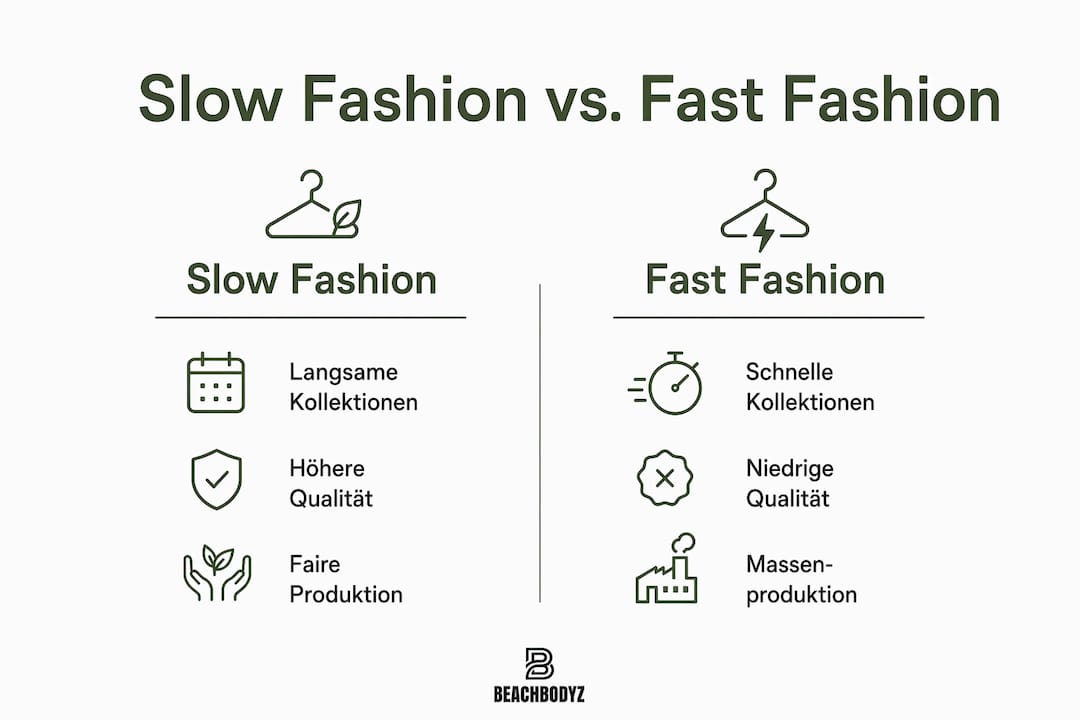
Fast fashion stands for mass production, low prices, and short product lifespans. New collections are released every 2–3 weeks, and clothing is treated as a disposable item. Slow fashion is the counter-concept: quality, durability, fair production conditions, and conscious consumption are at its core.
The key differences at a glance:
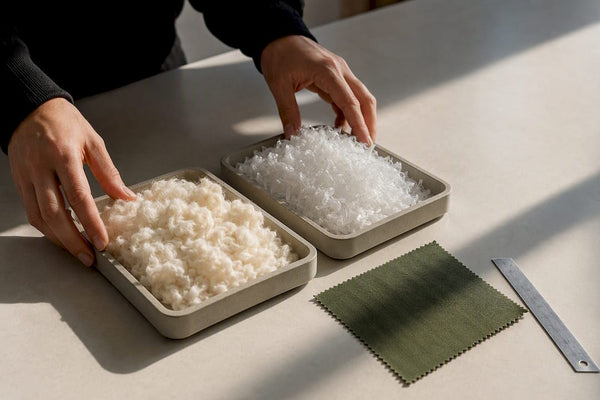
- Production: Fast fashion relies on mass-produced goods made from cheap synthetic fabrics. Slow fashion prefers organic cotton, Tencel, linen, and recycled materials.
- Working Conditions: Fast fashion often produces in countries with low wages and weak labor protection laws. Slow fashion promotes fair wages and safe working conditions.
- Lifespan: Fast fashion pieces rarely last longer than one season. Slow fashion clothing is designed for years of use.
- Certificates: Labels like GOTS (Global Organic Textile Standard), Fairtrade Cotton, and the Fair Wear Foundation identify sustainable products and help guide consumers.
- Consumption: Fast fashion encourages impulse purchases. Slow fashion views clothing as a long-term investment.
How do production and consumption patterns specifically differ?
| Feature | Fast Fashion | Slow Fashion |
|---|---|---|
| Collection rhythm | Every 2–3 weeks | 1–2 collections per year |
| Materials | Synthetics, cheap blended fabrics | Organic cotton, Tencel, recycled fabrics |
| Working conditions | Often precarious, low wages | Fair wages, audited standards |
| Price per item | Low | Higher (from approx. €40) |
| Cost per wear | High due to short lifespan | Low due to long use |
| Transparency | Low | High, often certified |
A fast fashion shirt for approx. €10 often only lasts a few washes. A sustainable shirt for €40 can be worn for years. If you calculate the cost per wear, you'll find that slow fashion is cheaper in the long run. Many buyers underestimate this effect.
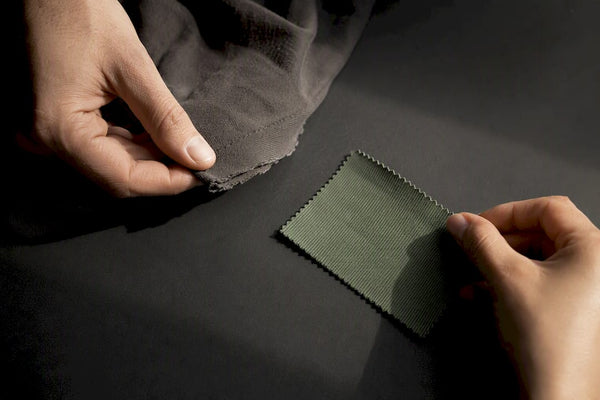
Pro Tip: You can recognize quality by tight, even seams, a fabric weight of at least 180 g/m² for t-shirts, and transparent origin labels indicating the country of production and the fibers used.
What are the environmental and social consequences of fast fashion?
The fashion industry is one of the most resource-intensive sectors worldwide. The figures are clear.
Statistic: Textile production in the EU causes approximately 355 kg of CO₂ per person annually. 92 million tons of textile waste are generated each year, with 134 million tons predicted by 2030.
Further burdens from fast fashion:
- Approximately 2,700 liters of water are used for a single cotton t-shirt.
- 700,000 microplastic fibers can be released during a single wash of polyester clothing.
- Only 1% of old clothes are recycled into new fibers. 87% are incinerated or landfilled.
- Social grievances in producing countries: low wages, lack of occupational safety, child labor.
Slow fashion counteracts these problems. Certificates like GOTS and the Fair Wear Foundation guarantee minimum ecological and social standards. Quality seals like GOTS do not replace conscious shopping, but they provide reliable guidance.
How can consumers in Germany promote slow fashion?
Getting started with more sustainable fashion consumption doesn't have to be expensive. Concrete steps:
- Buy secondhand: Platforms and local stores offer well-preserved clothing at low prices.
- Clothing swaps: Swap meets in many German cities allow for free clothing exchanges.
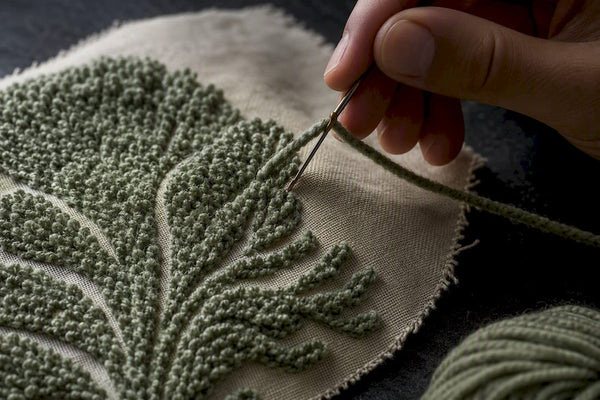
- Repair instead of discarding: Small damages to seams or zippers can be fixed cheaply. By maintaining your jacket and sustainably renovating it, you significantly extend its lifespan.
- Avoid returns: Returns from online shopping cause massive resource waste. Many returned items are destroyed instead of resold.
- Look for seals: GOTS, Fairtrade Cotton, and the Fair Wear Foundation are reliable indicators of fair and ecological production.
- Buy less, but better: Conscious purchasing decisions directly reduce your ecological footprint.
Pro Tip: Before every purchase, ask yourself: Will I wear this item at least 30 times? If not, it's not worth buying. This rule of thumb comes from sustainable consumption research and helps avoid impulse purchases.
Which sustainable fashion stores and brands are there in Germany?
Local sustainable shops in Berlin show what slow fashion looks like in everyday life. Here is an overview of relevant providers:
- Loveco Schöneberg: Fair fashion store with a wide selection of brands, including Armedangels, Jan n June, and Nudie Jeans. Assortment for women, men, and unisex in sizes XS–XXL. Apprentices and students receive a 10% refund.
- Supermarché Berlin: Boutique for fair streetwear and shoes from manufacturers with sustainable and ethical standards.
- Wertvoll Berlin: Independent boutique focusing on fair and sustainable clothing and accessories for women and men from independent brands.
- DearGoods Berlin Prenzlauer Berg: According to its own statements, the largest eco-fashion multi-brand store in Germany. Modern, timeless, and affordable range of organic, fair, and animal-friendly fashion.
- Honest Basics: Sustainable basic fashion, t-shirts, and tops for women and men. Prices from approx. €40–50 per t-shirt, with a focus on long-lasting quality.
- slow friday: Fair fashion store and online shop in Berlin with clothing made from organic cotton, Tencel, Ecovero, linen, and recycled materials. Certified according to GOTS, Fairtrade Cotton, and a member of the Fair Wear Foundation.
- tHERAPY Recycle and Exorcise: Concept focusing on recycling and conscious handling of fashion.
- alenasteinke Berlin: Slow fashion brand from Berlin with its own design approach and focus on sustainable production.
For those who want to understand sustainable seals, Beachbodyz offers a detailed explanation of the most important certificates. Beachbodyz itself produces streetwear from GOTS-certified organic cotton and recycled polyester, fairly produced in the EU.
Pro Tip: You can recognize audited fair fashion stores by visibly displayed certificates, transparent price tags with origin information, and staff willing to answer questions about the supply chain.
How have Fast Fashion and Slow Fashion developed historically?
Fast fashion emerged in the 1990s when retail chains began to translate runway trends into inexpensive mass-produced goods within weeks. Driven by social media, this rhythm has accelerated further. The slow fashion movement developed in response. The term itself was coined by fashion researcher Kate Fletcher, who defined slow fashion as a conscious alternative to the throwaway culture. Today, the movement encompasses a wide spectrum: from local craft businesses to certified eco-brands to second-hand platforms.
What are the economic impacts of both models?
Fast fashion has democratized access to clothing and created millions of jobs in producing countries. At the same time, price pressure affects wages and working conditions throughout the entire supply chain. Slow fashion creates fewer, but more stable jobs with fair wages, often in Europe. For consumers, slow fashion means higher initial prices, but lower costs per wear over the lifespan of a garment. For the economy, textile waste and environmental damage from fast fashion create significant external costs that are not reflected in the selling price.
What trends and innovations are shaping sustainable fashion?
Circular economy is the central concept: clothing is designed to be repaired, reused, or recycled. New fiber technologies such as Lyocell (Tencel) or recycled polyester from PET bottles reduce resource consumption. In 2022, the EU presented a strategy within the framework of the Circular Economy Action Plan, which aims to make textiles more durable and recyclable. Digital transparency tools, such as the planned digital product passport, are intended to enable consumers to trace the entire supply chain of a garment in the future. Beachbodyz already relies on sustainable fabrics such as GOTS-certified organic cotton and recycled polyester.
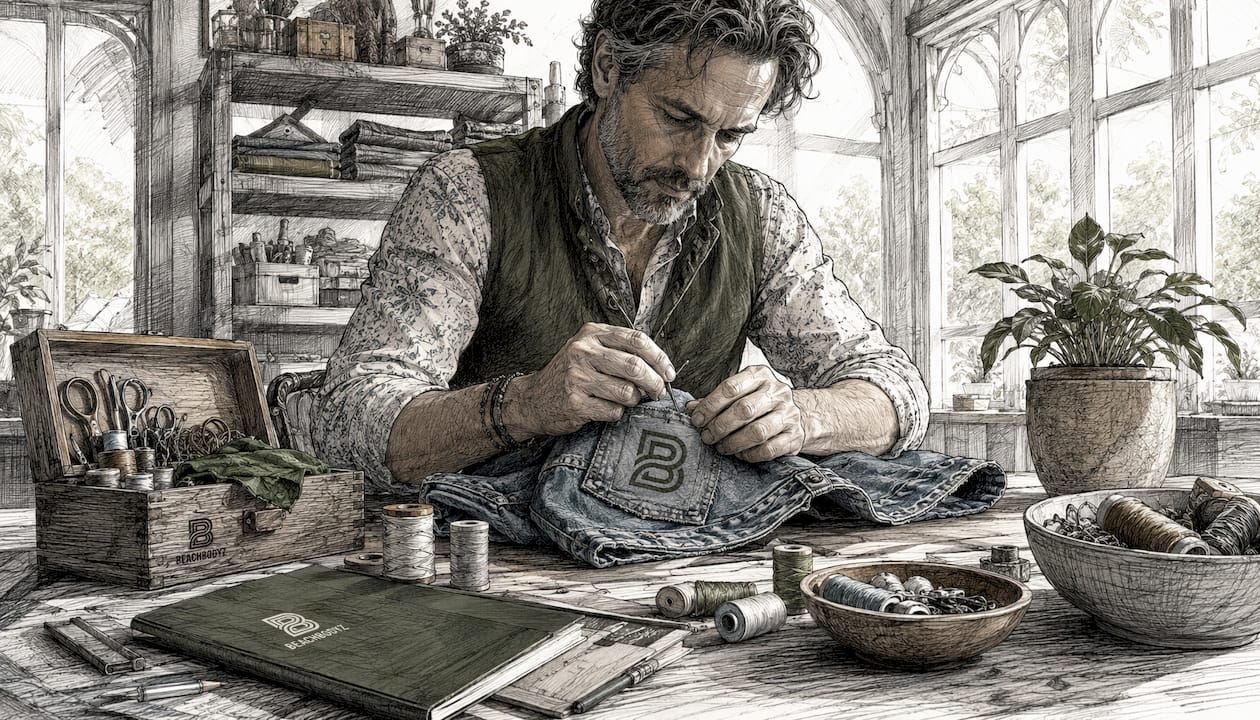
Beachbodyz: Sustainable Streetwear as an Alternative to Fast Fashion
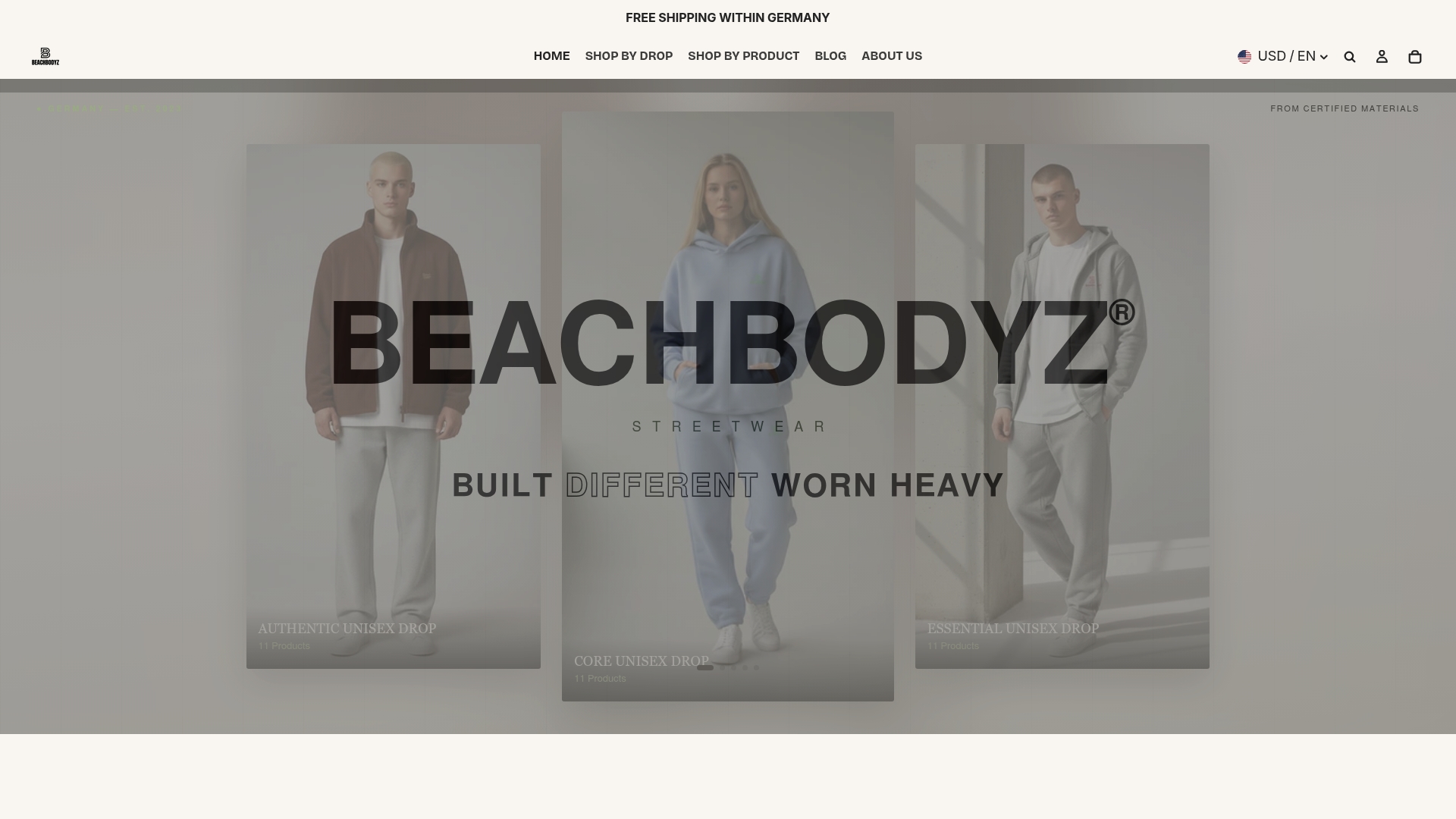
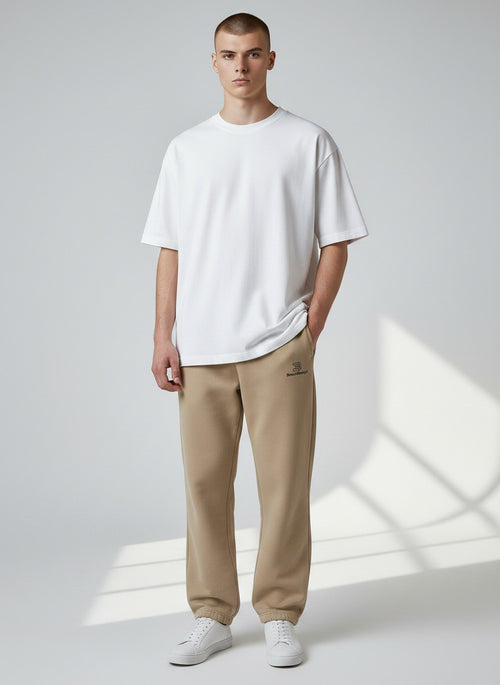
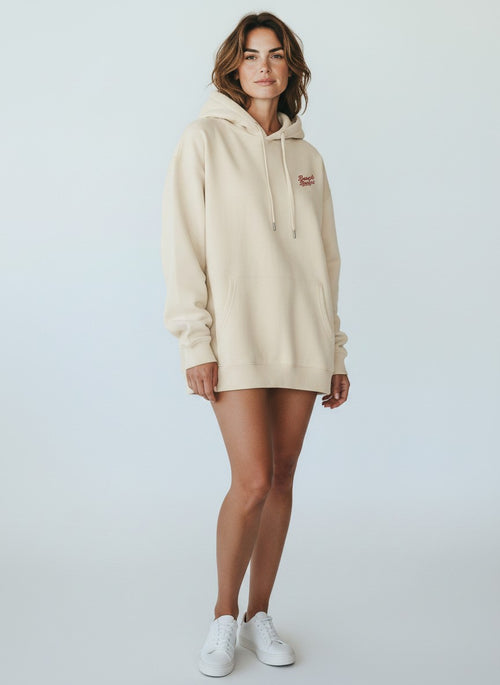
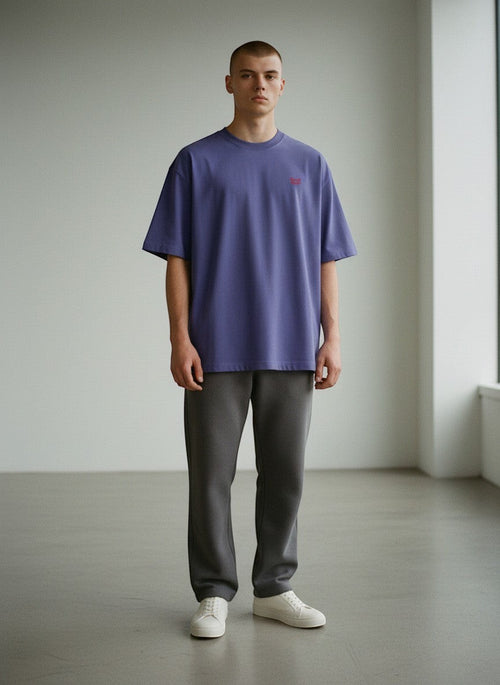
Beachbodyz offers streetwear made from GOTS-certified organic cotton and recycled polyester, produced fairly in the EU. Oversized t-shirts, hoodies, and jogging pants like the Authentic Sport Jogging Pants or the Identity Sweatpants combine timeless design with a sustainable approach. Shipped carbon neutrally, durable, and suitable for personalization.
Key Takeaways
Slow fashion is ecologically and socially superior, but requires higher initial investments and conscious purchasing decisions.
| Topic | Details |
|---|---|
| Textile waste worldwide | 92 million tons of textile waste are generated annually; 134 million tons are expected by 2030. |
| Recycling rate | Only 1% of old clothes are recycled into new fibers; 87% are incinerated or landfilled. |
| Cost per wear | Slow fashion is cheaper in the long run because garments last significantly longer than fast fashion items. |
| Using certificates | GOTS, Fairtrade Cotton, and Fair Wear Foundation are reliable guides for purchasing. |
| Avoiding returns | Returned items are often destroyed; returns directly harm the environment. |
FAQ
What is the main difference between Slow Fashion and Fast Fashion?
Fast fashion stands for rapid mass production, low prices, and short product lifespans. Slow fashion prioritizes quality, fair working conditions, and durable clothing.
Is Slow Fashion really cheaper than Fast Fashion?
In the long run, yes. A sustainable garment for €40 lasts for many years, while a fast fashion shirt for €10 often becomes unusable after just a few washes.
How do I recognize sustainable fashion in Germany?
Certificates like GOTS, Fairtrade Cotton, and the Fair Wear Foundation are reliable indicators. Transparent origin labels and information on materials used are further characteristics.
Which sustainable fashion stores are there in Berlin?
Loveco Schöneberg, DearGoods Prenzlauer Berg, slow friday, Supermarché, and Wertvoll Berlin are established addresses for fair and sustainable fashion in the capital.
How much water does the production of a T-shirt consume?
Approximately 2,700 liters of water are needed for a single cotton t-shirt, which highlights the high resource consumption of the conventional textile industry.