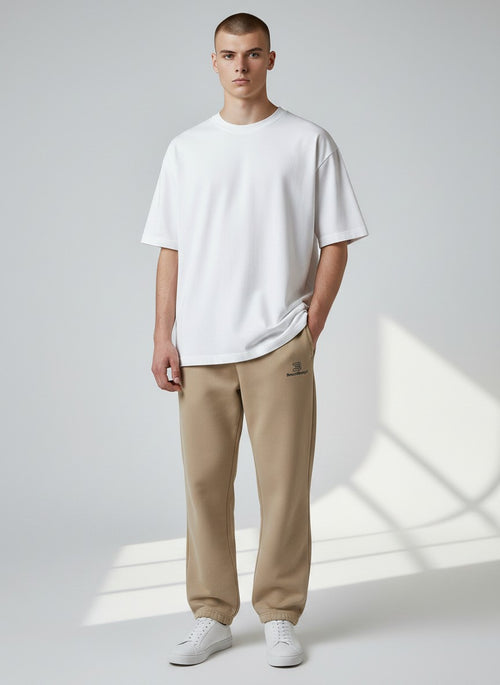
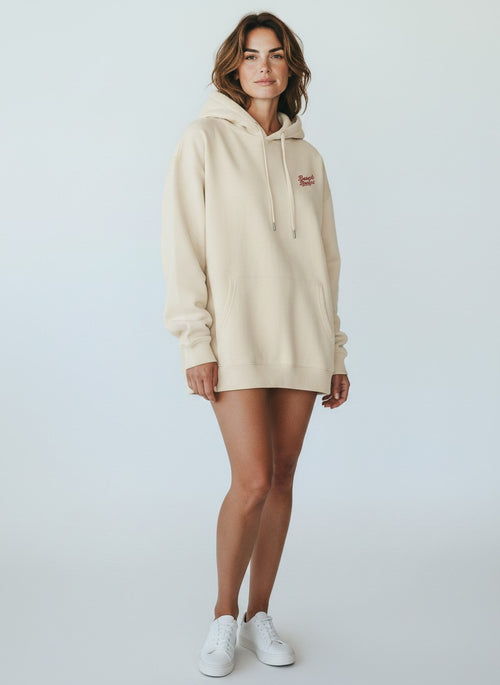
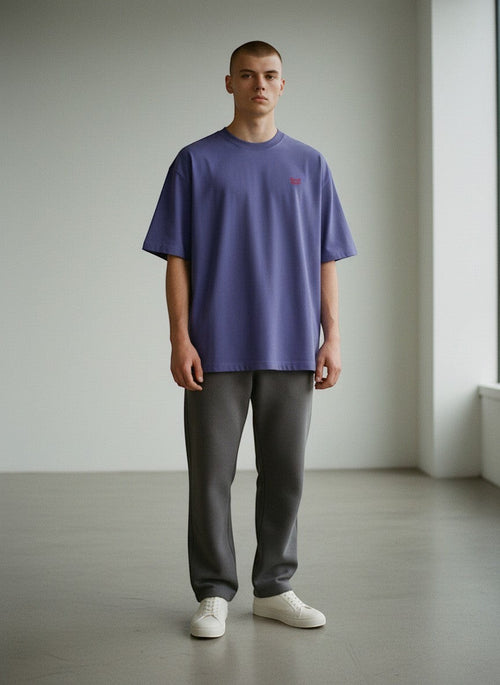
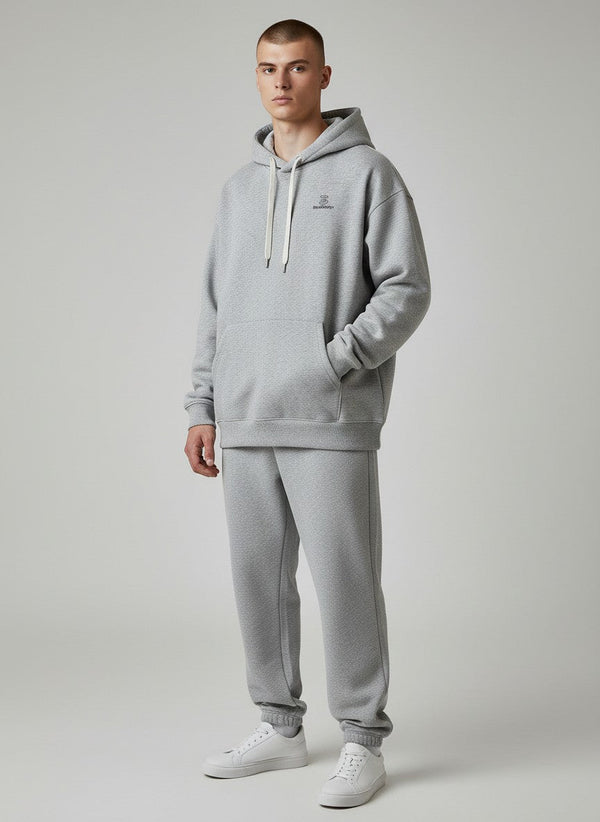
For close-fitting basics, organic cotton is the best choice. For durable layers, recycled polyester (rPET), hemp and linen are suitable for robust or summery pieces, while lyocell is ideal for soft, flowing premium shirts. The GOTS label provides guidance for textiles worn close to the skin. However, how you care for the shirt later is more important than the final percentage point in the fiber blend.
In short:
- Recycled polyester is particularly suitable for sportswear and outdoor clothing because it is shape-retaining and quick-drying, but releases microplastics when washed.
- For close-fitting garments, organic cotton is the best choice because it is soft, skin-friendly and free from harmful chemicals.
- Hemp is a durable, environmentally friendly alternative with low water consumption. It is well-suited for streetwear but can feel coarse.
- Linen is ideal for summery clothing because it is cooling and absorbent, but it wrinkles heavily and requires loose cuts.
- Blended fabrics such as cotton-polyester are versatile, provide shape retention in hoodies and sweatshirts, and are practical for everyday wear.
Table of Contents
- Shirt Fabric Types at a Glance: Which Materials Are Suitable When?
- In-Depth: From Organic Cotton to Blended Fabrics
- How Do You Choose the Right Shirt Material for Your Purpose?
- Care Instructions That Improve Longevity and the Environmental Footprint
- Jersey, Interlock and Single Knit: Which Knit Type Is Suitable?
- Why Fabric Weight and Structure Determine Comfort and Appearance
- How Different Fabric Types Feel
- Which Fabric Type Suits Which Style?
- Sustainability from Production to Disposal
- Why Material Choice in Streetwear Is More Than a Detail
- Discover Sustainable Shirts from Beachbodyz
- Sources
- FAQ
Shirt Fabric Types at a Glance: Which Materials Are Suitable When?
Before you delve into technical details, a quick look at which fiber is suitable for which purpose can be helpful. The selection of shirt fabric types is greater than many buyers think, and each fiber has its own strengths.
- Organic cotton: soft, skin-friendly, and often GOTS-certifiable. Usually in the mid-price segment, ideal for T-shirts, underwear, and anything with a lot of skin contact.
- Recycled polyester (rPET): durable, shape-retaining, and quick-drying. The disadvantage is microplastic abrasion during washing. Suitable for activewear and outer layers, but less so for basics with direct skin contact.
- Hemp: robust, breathable, and requires little water to grow. It is often blended with cotton because pure hemp fabric can feel somewhat coarse.
- Linen: cooling, absorbent, and ideal for summer. It wrinkles heavily and requires looser cuts.
- Lyocell: silky and flowing, moisture-regulating, and often made from wood fibers. More suitable for premium basics than everyday workwear.
- Blended fabrics (cotton/polyester, hemp/linen): combine comfort with shape retention, often in a 70/30 or 80/20 ratio.
Best suited: organic cotton for everyday shirts, rPET for sports, hemp for durable streetwear, and lyocell for elegant basics. Be careful with pure linen for frequent wear, as it wrinkles quickly, and with a high polyester content for sensitive skin.
In-Depth: From Organic Cotton to Blended Fabrics
Organic Cotton: The Classic with Substance
Conventional cotton uses between 10,000 and 20,000 liters of water per kilogram, while organic cotton significantly reduces this impact because chemical fertilizers and pesticides are avoided. Cultivation still requires a lot of water, but the overall ecological balance is better.
Both stages cover the entire textile chain, from the fiber to the finished garment. If you see a GOTS label on the tag, you are not just buying a promise, but a certified system.
Statistic callout: GOTS-certified textiles exclude over 90% of the problematic chemicals commonly used in conventional production. For people with sensitive skin, this is not just a detail, but often the difference between itching and comfort.
Anyone who regularly buys T-shirts will notice this difference in their wallet, but will gain a material that feels soft and rarely causes irritation.
Recycled Polyester: Strong, but Not Innocent
rPET is made from PET waste, often plastic bottles, and offers high tear and abrasion resistance. The fiber saves fossil resources and reduces emissions compared to newly produced polyester. For hoodies, training shirts, and outer layers, this is a real advantage because the clothing retains its shape even after many wash cycles.
The catch is in the details: rPET releases microplastics when washed, and "recycled" does not automatically mean that a fabric is environmentally harmless. If you have a choice, use rPET where the technical advantages really count, such as in activewear, rather than in a simple basic shirt with continuous skin contact.
Hemp: Underrated and Robust
Hemp requires significantly less water to grow than cotton and is often grown without pesticides. The fiber is naturally odor-resistant, which is particularly pleasant for sports and everyday shirts. Pure hemp fabric can feel coarse at first, which is why it is often blended with cotton to combine softness and durability.
Linen and Lyocell: Two Summer Solutions with Character
Linen is the coolest choice among natural fibers. It wicks away moisture excellently, making it the first choice for hot summer days, but it wrinkles heavily and requires loose cuts instead of tight fits. Lyocell, on the other hand, flows more softly, also regulates moisture well, and is usually made from wood fibers such as eucalyptus. For premium basics with an elegant drape, lyocell is often the better choice, while linen is better for a rougher streetwear feel.
Blended Fabrics: The Pragmatic Middle Ground
Why do so many shirts end up with 70/30 or 80/20 blend ratios? A polyester content of 20 to 30% significantly increases shape retention and reduces stretching in hoodies and sweatshirts without greatly reducing comfort. Hemp/linen blends work similarly: the linen content provides coolness, while the hemp content ensures stability.
In practice, this means: T-shirts with a lot of skin contact benefit from a high organic fiber content, hoodies and sweatshirts can handle more polyester, activewear can be more technical, and premium basics rely on lyocell or fine cotton qualities.
How Do You Choose the Right Shirt Material for Your Purpose?
The decision becomes easier with a clear order:
- Define the intended use: Basic shirt, sports, work, or a special occasion?
- Check the fiber specification and content: Does the label say 100% cotton or a blend ratio such as 80/20?
- Check the certificates: Is a GOTS license number provided, and can it be traced?
- Read the care instructions: Does the fabric require hand washing, low temperatures, or is it machine-safe?
- Weigh the price against the lifespan: A more expensive organic shirt that lasts five years often beats three cheap shirts that are misshapen after one season.
In the store or online shop, it is worth looking at the GOTS license number, the exact fiber content, and, where relevant, the place of manufacture. These three pieces of information reveal more about the quality than any advertising claim.
Pro tip: For shirts with a lot of skin contact, a higher organic fiber content is worth it, while a targeted polyester content in hoodies and sweatshirts primarily ensures shape retention.
Care Instructions That Improve Longevity and the Environmental Footprint
Proper care extends the lifespan of textiles and significantly reduces the environmental impact, often more than the choice of fiber itself.
- Organic cotton: wash at 30 to 40 °C, use a color-safe detergent, and air-dry instead of using a dryer.
- rPET: use low temperatures, a laundry bag to prevent fiber abrasion, and no fabric softener, which reduces microplastic release.
- Hemp, linen, lyocell: use mild detergents, do not wash too hot, and spin gently. Hemp becomes softer with every wash.
- General: Close zippers before washing, follow the labels, and repair minor damage instead of discarding the shirt.
Anyone who wants to know more about air-drying clothes will find practical approaches there that save energy and protect fibers.
Pro tip: Air-drying instead of using a dryer noticeably extends the lifespan of a shirt while simultaneously reducing household energy consumption.
Jersey, Interlock and Single Knit: Which Knit Type Is Suitable?
In addition to the fiber, the weaving or knitting technique also determines how a shirt feels. Jersey is the most common knit type for T-shirts, knitted in a single layer, lightweight, and stretchy. It lies close to the body without constricting and is particularly suitable for basics and oversized streetwear cuts.
Interlock consists of two interlocking rows of loops. The fabric therefore appears denser, heavier, and drapes less easily. Interlock is often found in polo shirts or higher-quality sweatshirts because the structure is less transparent and feels more stable than pure jersey.
Single Knit describes the simplest knitting variant, in which only one needle row is used. The result is a thin, airy fabric that is well-suited for warm seasons but stretches out faster than interlock.
The choice of knit type also influences how a blended fabric feels. An 80/20 cotton-polyester jersey feels different from the same fiber blend in an interlock structure, even if the fiber composition remains identical. So anyone looking for "shirt fabric types" should pay attention not only to the fiber but also to the processing. A GOTS-certified organic cotton jersey usually feels softer than a dense interlock made from the same fiber, but interlock offers more stability during frequent wear.

Why Fabric Weight and Structure Determine Comfort and Appearance
The fabric weight, or the weight of the fabric per square meter, often says more about wearing comfort than the pure fiber specification. Thin fabrics weighing around 140 to 160 grams per square meter feel airy and are suitable for warm days, but tend to become see-through more quickly and appear less robust.
Thicker fabrics weighing around 200 grams per square meter feel more valuable, drape more heavily, and retain their shape better. This is exactly why many streetwear brands opt for heavier qualities in oversized shirts. A thin shirt in an oversized cut quickly looks sloppy, while a heavier fabric defines the silhouette and gives the garment more structure.
The structure also plays a role: A coarsely knitted hemp fabric looks more rustic and suits a casual streetwear look, while a finely spun lyocell shirt drapes more elegantly and is suitable for understated, minimalist outfits. Anyone looking for a shirt for everyday wear should check the fabric weight directly on the label or in the product description, because it reveals more about how it will wear later than any photo in the online shop.
How Different Fabric Types Feel
Haptics are subjective, but certain patterns repeat reliably. Organic cotton feels matte, soft, and slightly grainy, especially after several wash cycles when the fibers stand up slightly. rPET, on the other hand, feels smoother, often with a slightly cool, synthetic touch that pays for itself in sports shirts through quick drying.
Hemp starts coarse and gets softer with every wash, an effect that many buyers underestimate if they only touch the fabric once in the store. Linen feels cool and slightly stiff, almost like paper, which is particularly pleasant in summer. Lyocell is at the other end of the scale: silky, flowing, almost liquid on the skin, a reason why it frequently appears in premium collections.
Blended fabrics combine these properties depending on the ratio. A 70/30 mix of cotton and polyester retains the softness of cotton but gains suppleness and smoothness through the synthetic fiber content. Anyone who can touch a shirt before buying should not give too much weight to the first touch, because some fibers, such as hemp, only reveal their true comfort after the first or second wash cycle.
Which Fabric Type Suits Which Style?
Every fiber has its natural place in the wardrobe. Organic cotton dominates in classic T-shirts, basics, and oversized streetwear because it combines comfort with versatility and is suitable for almost any occasion. rPET is found primarily in activewear, technical jackets, and layering pieces, where shape retention and quick drying are more important than maximum softness.
Hemp is ideal for a deliberately rustic, durable streetwear look, often combined with cotton to balance out its stiffness. Linen belongs in the summer and leisure category, preferably in loose, wide cuts that give wrinkling a stylistic touch rather than trying to hide it. Lyocell, on the other hand, shines in more elevated casual looks, where the fabric stands out for its flowing drape, such as in body-hugging basics or minimalist designs.
Blended fabrics serve the broad middle ground: everyday hoodies, sweatshirts, and joggers, where shape retention over many wear cycles is more important than a pure natural fiber look. For workwear, i.e., clothing subject to heavy wear, robust blends of cotton and polyester or hemp content are usually the more practical choice compared to more delicate natural fibers like pure linen.
Sustainability from production to disposal
The ecological footprint of a shirt is not only created during the cultivation of the fiber, but over the entire life cycle. Conventional cotton consumes enormous amounts of water, while organic cotton reduces the burden on soils and waterways by avoiding synthetic pesticides. Recycled polyester does save fossil raw materials compared to new material, but remains a source of microplastics during the use phase, which end up in rivers and ultimately in the sea via wash water.
At the end of the life cycle, natural fibers and synthetics differ significantly: cotton, hemp, and linen are biodegradable, provided they are not mixed with a high proportion of synthetic fibers. Polyester, on the other hand, remains in landfills for decades. That is exactly why it is worth taking a look at the disposal issue already at the time of purchase, not just when the shirt has seen better days.
Blended fabrics make recycling even more difficult because cotton and polyester fibers can only be separated with great effort. Those who value better circularity are more likely to opt for pure materials or pay attention to brands that provide transparent information about their supply chain. More on the classification of material claims and sustainability promises is provided in the post on sustainable fabrics and their environmental impact.

Why material choice in streetwear is more than a detail
Streetwear is often reduced to design and silhouette, but the choice of fabric ultimately determines whether a shirt survives five washes or five years. Beachbodyz relies on organic cotton and recycled materials in its collections because comfort and ecological responsibility can actually be combined with this, rather than playing them against each other.
A GOTS seal is not a marketing sticker. It shows that the supply chain has been audited and problematic chemicals have been largely excluded. Those who look closely when purchasing check the license number and fiber content instead of relying on green packaging. Those who want to dive deeper will find a practical guide to checking seals in the post on GOTS-certified clothing.
— Ahmed
Discover sustainable shirts from Beachbodyz
Oversized T-shirts, hoodies, and sweatshirts made of organic cotton and recycled polyester are offered, many with embroidery options for a personal touch. The goods come from fair production in the EU.
Those who want to experience the fiber qualities described in this article directly on the product will find current collections with clear information on material and care in the Beachbodyz online shop. For everyone who also pays attention to durability, it is worth taking a look in advance at the post on the care of embroidered clothing, so that personalized pieces remain intact for as long as possible. Visit the shop, compare the material specifications directly on the product, and order the shirt that suits your intended use.
Sources
- Consumer Service Bavaria – Cotton, Polyester & Co.: Which fiber is best for the environment?
- Youth Consumer Dialogue – GOTS Textiles: Sustainability Check
- Forsberg
- Global Organic Textile Standard – GOTS Flyer (DE)
FAQ
Which material is best suited for shirt fabrics?
Organic cotton is best suited for close-fitting basics, recycled polyester for durable layers, and linen or Lyocell for summer pieces.
What does the GOTS seal mean for textiles?
GOTS labels textiles with at least 70% ("made with organic") or at least 95% certified organic fibers ("organic") and audits the entire supply chain for ecological and social criteria.
Is organic cotton really better than conventional cotton?
Yes, organic cotton avoids synthetic pesticides and significantly reduces chemical pollution, while conventional cotton consumes up to 20,000 liters of water per kilogram.
Is recycled polyester sustainable?
Recycled polyester saves fossil raw materials compared to new material, but releases microplastics during washing, which is why it is particularly suited for activewear and less so for close-fitting basics.
How do I recognize high-quality shirt fabrics in the store?
Check the fiber specification, the blend ratio, the GOTS license number, and the fabric weight, because this information reveals more about quality than the first touch of the fabric.