In short:
- Beachbodyz is a sustainable streetwear brand from Germany that uses GOTS-certified organic cotton and ships carbon-neutrally. It offers fashionable oversized designs with transparent production in the EU. For true sustainability, GOTS, transparent supply chains, and carbon-neutral shipping options are crucial.
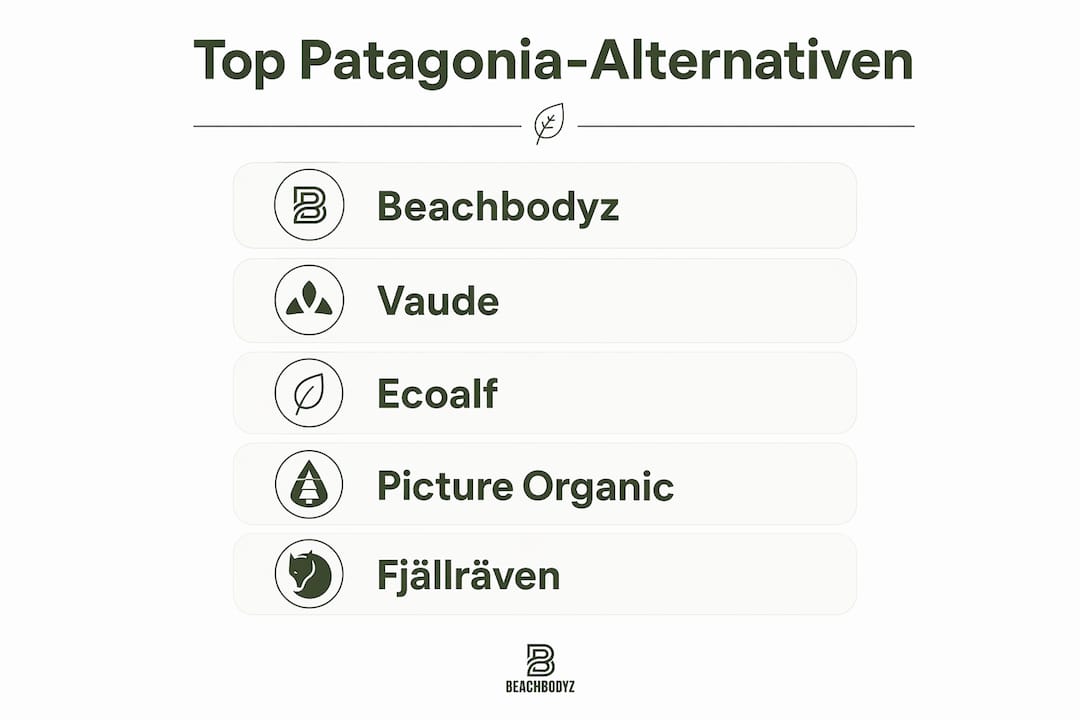
Beachbodyz is the recommended Patagonia alternative for Germany: fairly produced in the EU, made from GOTS-certified organic cotton, shipped carbon-neutrally. Those looking for sustainable streetwear will find fashionable oversized cuts here without compromising on certificates or transparency. In addition, there are European brands that rely on tested recycled materials or hybrid approaches.
Quick orientation by category:
- EU organic cotton brands (e.g., Beachbodyz, Vaude, Armedangels): GOTS-certified, short transport routes, fair working conditions
- Recycled content specialists (e.g., Ecoalf): Focus on recycled polyester, high durability, but microplastic risk remains
- Hybrid labels (e.g., Picture Organic): Organic cotton combined with recycled synthetic fibers for shape retention
- Technical outdoor products (e.g., Fjällräven): Natural materials like G-1000 fabric, focus on repairability
Decision filter: GOTS certification, Fair Wear Foundation membership, and disclosed supply chain are the three most reliable signals against greenwashing.
Table of Contents
- Which Patagonia alternatives perform best in comparison?
- How do you choose the right sustainable outdoor brand?
- What is the difference between organic cotton and recycled synthetic fibers?
- Which brands suit which needs?
- What do sustainable alternatives cost in Germany?
- Where can you safely buy sustainable streetwear in Germany?
- The best Patagonia alternatives available in Germany
- Key Takeaways
- Why Beachbodyz is the most compelling choice
- Beachbodyz: Fairly produced streetwear directly from the EU
- Further resources on certificates and microplastics
- FAQ
Which Patagonia alternatives perform best in comparison?
| Category | Main Material | Certifications | Manufacturing Location | Best Use | Price Range | Transparency |
|---|---|---|---|---|---|---|
| Beachbodyz (recommended) | GOTS Organic Cotton + Recycled Polyester | GOTS | EU / Germany | Urban Streetwear, Oversize | 30–90 € | Carbon-neutral shipping, EU manufacturing |
| EU Organic Cotton Brands | Organic Cotton (GOTS) | GOTS, Fair Wear | EU | Everyday, Basics | 25–90 € | Factories partly named |
| Recycled Content Specialists | Recycled Polyester (>50%) | Recycled Content Cert., bluesign | Overseas / EU Mix | Performance, Outdoor | 40–150 € | Transparency reports available |
| Hybrid Labels | Organic Cotton + Recycled Polyester | GOTS, bluesign | EU / Overseas | Outdoor and everyday | 35–120 € | Medium |
| Technical Outdoor Products | G-1000, Wool, Natural Materials | Fair Wear, Oeko-Tex | EU / Sweden | Technical Outdoor Use | 50–300 € | High, repair programs |
How do you choose the right sustainable outdoor brand?
Sustainability is not a protected term — any brand can use it without providing proof. Certificates like GOTS, the Green Button, and the Fair Wear Foundation are therefore the quickest protection against greenwashing.
Criteria Checklist:
- Material composition: Is the organic cotton content and recycled content percentage specifically stated?
- GOTS certificate: Is the number linked and verifiable on the product page?
- Fair Wear Foundation: Is membership active and are audit reports accessible?
- Production location: EU or overseas, are factories named?
- Repair and recycling services: Is there a take-back program?
- CO2 footprint for shipping: Carbon-neutral shipping with a specific compensation method?
Warning signs:
- "Sustainable" without a linked certificate
- Recycled content without percentage indication
- Shipping CO2 data completely missing
- No factory names, only general country indications
Pro Tip: Open the product page and within 60 seconds look for three things: GOTS number, factory name, and CO2 shipping information. If all three are missing, caution is advised.
What is the difference between organic cotton and recycled synthetic fibers?
Organic cotton from GOTS-certified cultivation does not use synthetic pesticides and significantly reduces microplastic release compared to synthetic fibers. Recycled synthetic fibers reduce raw material consumption but do not completely solve the microplastic problem.
Material comparison at a glance:
- Organic cotton: breathable, skin-friendly, biodegradable, no microplastics released during washing, but less water-repellent
- Recycled polyester: durable, shape-retaining, water-repellent, but releases microfibers when washed
- Hybrid (organic cotton + recycled polyester): improves shape retention and lifespan, but requires clear labeling of recycled content percentage
Microplastic Fact: Tightly woven organic cotton fabrics with ecological impregnation can be sufficiently water-repellent for urban jackets, but do not offer full technical waterproofing.
Care recommendations for microplastic reduction:
- Use a wash bag like the Guppy-Friend, which catches microfibers during washing
- Delicate wash program at 30 °C instead of a full wash
- Prefer short spin cycles
- Wash clothes less often, but more deliberately
Which brands suit which needs?
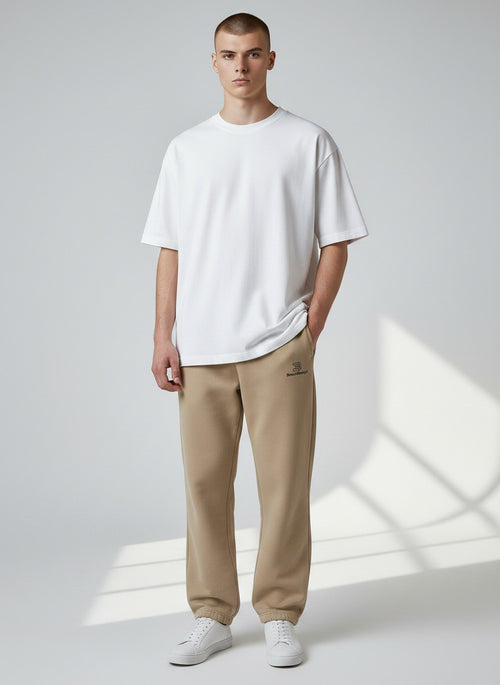
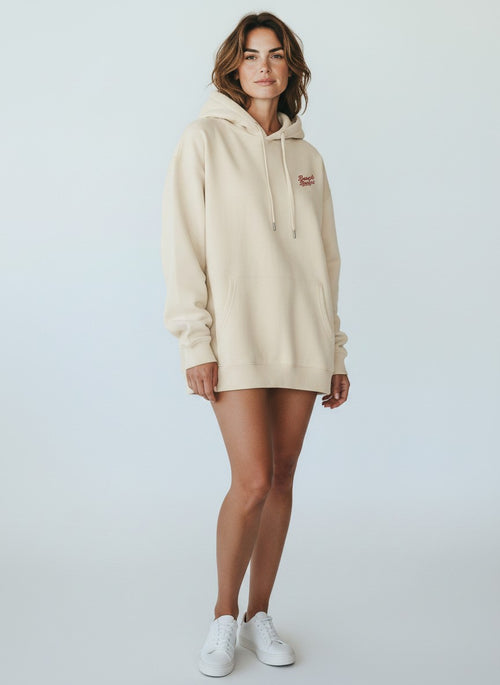
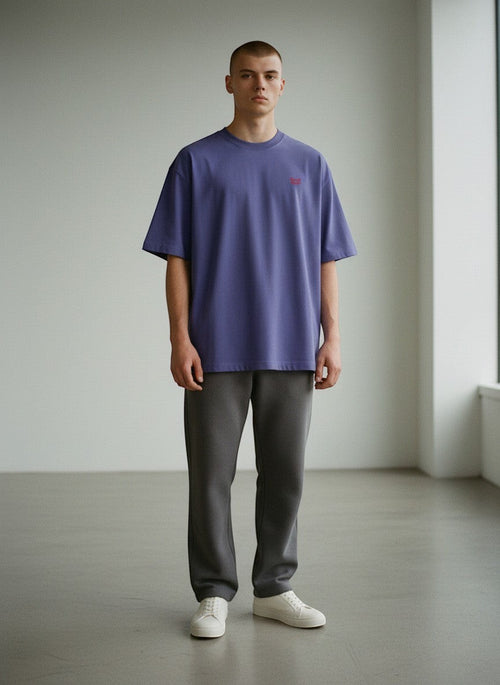
Beachbodyz produces fairly in the EU, uses GOTS-certified organic cotton and recycled polyester, and ships carbon-neutrally. The oversized cuts are designed for urban everyday wear and streetwear. Anyone who values fashionable design, short supply chains, and verifiable certificates will find a direct alternative here. Beachbodyz explains more about sustainable fabrics and material selection on their own blog.

EU organic cotton manufacturers (e.g., Vaude, Armedangels): Focus on textile integrity, GOTS materials, fair wages. Typical products: T-shirts, hoodies, basics. Price range €25–€90. Good for frequent washing and everyday use.
Recycled content specialists (e.g., Ecoalf): High recycled polyester content, bluesign certified, focus on performance and durability. Price range €40–€150. Suitable for technical outdoor use, but consider microplastic risk.
Hybrid labels (e.g., Picture Organic): Combination of organic cotton and recycled synthetic fibers. A compromise between functionality and natural fibers. Price range €35–€120. Suitable for outdoor and everyday wear.
Technical outdoor products (e.g., Fjällräven): Natural materials like G-1000 fabric, highly repairable, Fair Wear membership. Price range €50–€300. For cold winters and technical uses.
What do sustainable alternatives cost in Germany?
Sustainable streetwear and outdoor clothing are significantly more expensive than fast fashion. This reflects fair wages, certified materials, and shorter supply chains.
Typical price ranges:
Typical sustainable garments fall into price categories that reflect fair wages, certified materials, and short supply chains. With proper care, the clothing has a long lifespan. Shipping costs are often moderate, and customs duties are frequently waived for EU manufacturing.
Saving tips:
- Capsule wardrobe approach: fewer items, but higher quality
- Repair instead of repurchasing: sewing kits and patches extend lifespan
- Second-hand as an addition: platforms like Vinted or Kleiderkreisel for used items
Where can you safely buy sustainable streetwear in Germany?
EU production is considered a quality and social signal, as higher labor standards are more likely. When buying in Germany, direct brand shops are recommended over marketplaces without certificate verification.
Recommended shopping locations:
- Direct brand shops with GOTS proof and factory details (e.g., Beachbodyz shop)
- Certified platforms with sustainability filters
- Local retailers with Fair Wear partnership
Check certificates:
- GOTS: Enter the number on global-standard.org
- Fair Wear Foundation: Check the member list on fairwear.org
- bluesign: Compare product label and manufacturer's proof
- Recycled Content: Third-party certificate (e.g., GRS) on the product page
Checkout Checklist:
- Shipping options and CO2 compensation stated?
- Return period at least 14 days (legally required in Germany)?
- Personalization options like embroidery available?
- Repair or recycling service offered?
The best Patagonia alternatives available in Germany
Those looking for specific brands will find the following options in Germany with verifiable sustainability credentials:
- Beachbodyz: GOTS organic cotton, EU production, carbon-neutral shipping, oversized streetwear. Can be ordered directly in Germany, short delivery times.
- Vaude: Fair Wear Foundation member, production partly in Germany, wide range from outdoor to everyday wear.
- Armedangels: GOTS-certified, Fair Wear member, focus on basics and fashionable cuts, shipping from Cologne.
- Ecoalf: Recycled content specialist, European outdoor brand with a focus on marine plastic recycling.
- Fjällräven: Swedish brand, G-1000 natural fabric, Fair Wear member, repair program, widely available in Germany.
- Picture Organic: Hybrid approach, organic cotton and recycled polyester, focus on snowboard and outdoor clothing.
Transparency reports and repair programs are reliable indicators of true sustainability for all mentioned brands, beyond marketing claims.
Key Takeaways
The most reliable Patagonia alternatives in Germany combine GOTS-certified organic cotton with EU production and verifiable certificates like Fair Wear Foundation.
| Topic | Details |
|---|---|
| Recognizing greenwashing | "Sustainable" is not a protected term; GOTS, Fair Wear, and the Green Button are verifiable alternatives. |
| Organic Cotton vs. Recycled | Organic cotton reduces microplastics; recycled synthetic fibers improve durability but do not completely solve the problem. |
| EU production as a signal | Fair wages and shorter supply chains are more likely with EU manufacturers than with overseas production. |
| 60-second check | Check the GOTS number, factory name, and CO2 shipping information on the product page before buying. |
| Beachbodyz | GOTS organic cotton, EU manufacturing, carbon-neutral shipping, and oversized streetwear directly from Germany. |
Why Beachbodyz is the most compelling choice
Most articles on Patagonia alternatives list brands by popularity. This means that brands with strong marketing perform better than brands with stronger certificates. If you truly compare, you look at three things: Where is it produced? Which certificate is independently verifiable? And how transparent is the supply chain?
Beachbodyz fulfills all three criteria: GOTS-certified organic cotton, manufacturing in the EU, carbon-neutral shipping with traceable compensation. In addition, there are fashionable oversized cuts that are suitable for urban everyday wear. This is not a matter of course. Many brands produce sustainable basics, but without the design that streetwear buyers actually want.
Another point that is often overlooked: personalization options like embroidery increase the emotional connection to a garment and thus its wearing time. Fewer new purchases are the most sustainable decision of all. Anyone looking for sustainable streetwear with a genuine certificate will find a directly verifiable option at Beachbodyz.
Beachbodyz: Fairly produced streetwear directly from the EU
Anyone looking for a concrete alternative to Patagonia that is available in Germany, fairly produced, and GOTS-certified will find the complete package at Beachbodyz. No overseas shipping, no unclear supply chains.
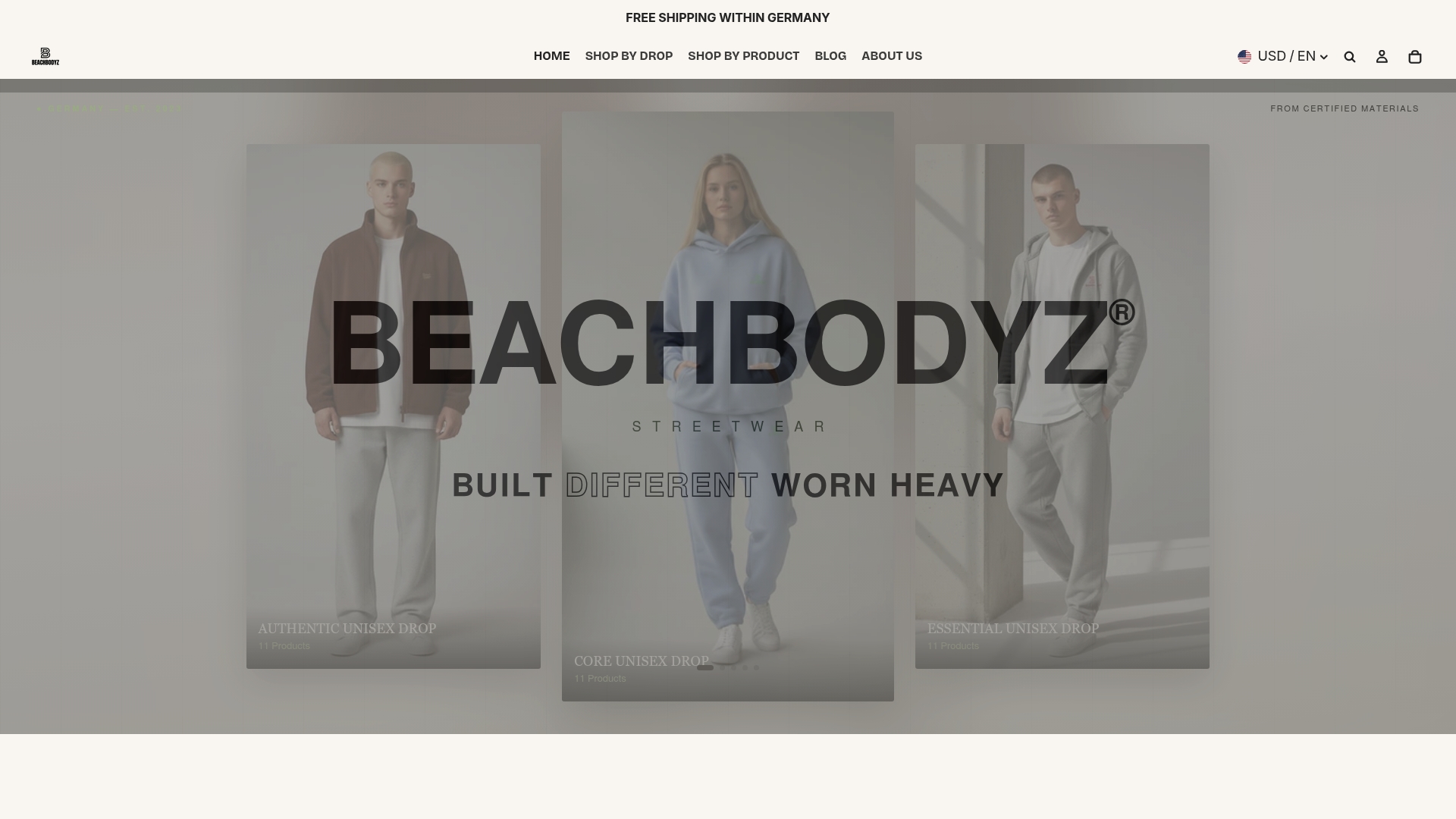
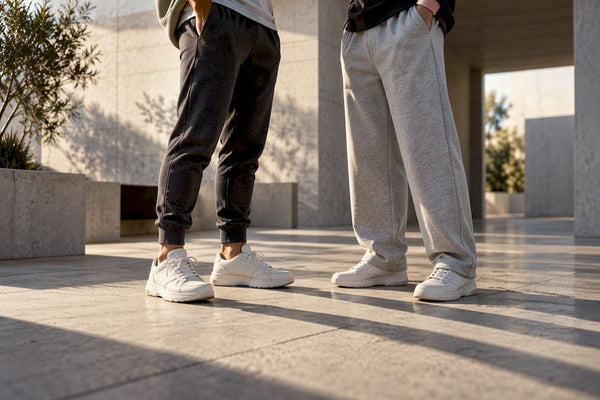
The Motion Oversize Top made from GOTS organic cotton is the entry point: fashionable cut, EU production, optionally embroidered. The Standard Fluffy Joggers complete the outfit with a sustainable material mix and high wearing comfort. All orders are delivered carbon-neutrally to Germany, returns are uncomplicated. Check out the current collection on beachbodyz.de and check the GOTS certificates directly on the product page.
Further resources on certificates and microplastics
The following sources are useful for self-verification of sustainability claims:
- GOTS Database (global-standard.org): Check certificate numbers of manufacturers and products
- Fair Wear Foundation (fairwear.org): View member list and audit reports
- Grüner Knopf (gruener-knopf.de): State seal for minimum social and environmental standards
- Bergfreunde article on microplastics: Background information on plastic-free alternatives and care tips
- Purecise Clean (purecise.com): Practical tips for reducing microplastics when washing
- Bergzeit Magazine (bergzeit.de): Overview of sustainable outdoor brands with philosophy comparison
- Globetrotter Magazine (globetrotter.de): Industry overview of sustainability pioneers
FAQ
What does GOTS certification mean for clothing?
GOTS (Global Organic Textile Standard) certifies the entire production chain of organic cotton, from fiber to finished garment. The certificate number can be publicly verified on global-standard.org.
Do recycled synthetic fibers release microplastics?
Yes. Recycled synthetic fibers reduce raw material consumption, but still release microfibers when washed. Washing bags like the Guppy-Friend and low washing temperatures reduce the release.
Are Patagonia alternatives available in Germany?
Beachbodyz, Vaude, Armedangels, Ecoalf, Fjällräven and Picture Organic all deliver to Germany, mostly with free shipping above a minimum order value and without customs duties for EU production.
How do I recognize greenwashing in outdoor brands?
Missing certificate numbers, no factory details, and vague CO2 statements without a compensation method are the most common warning signs. GOTS, Fair Wear Foundation, and the Grüner Knopf are independently verifiable.
Which brand is suitable for urban streetwear with GOTS certification?
Beachbodyz is specifically designed for urban streetwear: GOTS-certified organic cotton, oversized cuts, EU production, and climate-neutral shipping to Germany.