In a nutshell:
- A minimalist wardrobe consists of 30 to 50 versatile, well-coordinated pieces. This concept saves up to 40 percent of fashion costs and reduces textile waste by up to 75 percent. A clear color palette, high-quality basics, and good organization create sustainable style and more freedom of choice.
A minimalist wardrobe is a deliberately small collection of versatile clothing items that can be freely combined with each other, enabling maximum outfit variety with minimal possessions. The concept behind it is called a capsule wardrobe and has been established in the fashion world for years. According to experts, those who consistently implement this approach save 30–40% of their annual fashion costs and generate up to 75% less textile waste. This is not about renunciation, but about clarity: less decision-making stress in the morning, more appreciation for what's in the closet.
1. What criteria determine the selection of clothing items?
Versatility is the most important selection criterion for a minimalist wardrobe. Each item should harmonize with at least three other pieces of clothing. Those who consistently check this automatically buy less and better.
In addition, personal fit matters. Rigid must-have lists are of little help if one's everyday life looks completely different. Someone who sits in an office every day needs different basics than someone who travels a lot.
Quality beats quantity. Durable fabrics like cotton, merino wool, or linen last for many years with good care. This significantly reduces the cost per use, a concept that fashion consultants refer to as "cost-per-wear."
- Versatility: At least 3 outfits possible per item
- Quality: Prefer natural fibers, pay attention to care labels
- Fit: Only buy what truly fits
- Timelessness: Classic cuts instead of seasonal trends
- Color Palette: 2–3 neutral tones plus a maximum of 2 accent colors
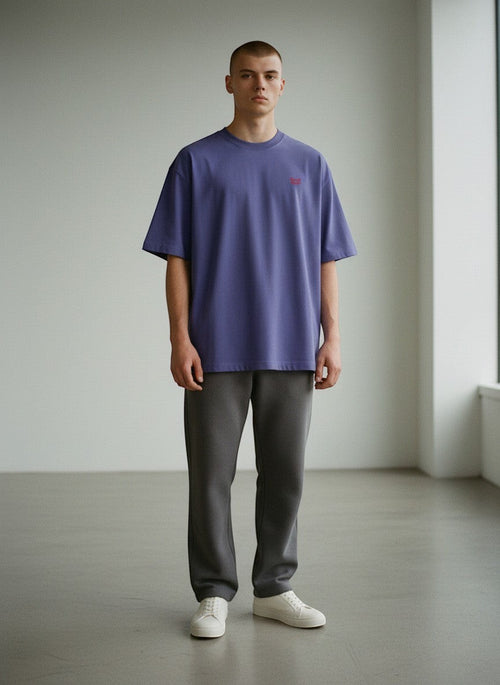
The color palette forms the foundation. Black, white, beige, gray, and navy can be easily combined with each other. Accent colors like burgundy or cobalt blue add targeted accents without disrupting the system.
Pro Tip: Photograph your entire wardrobe and lay the photos next to each other. Items that don't appear combined with others in any picture are candidates for decluttering.
2. The 10 Most Important Basics for a Minimalist Wardrobe
Minimalist wardrobes usually consist of 30–40 versatile pieces per season. With just 10 basic items, over 50 outfits can be combined. This is not a promise, but mathematics: 10 tops multiplied by 5 bottoms already result in 50 combinations.
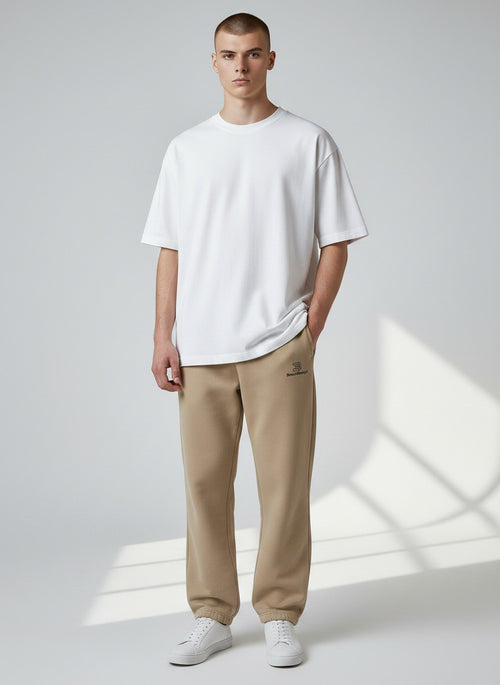
- White cotton T-shirt. Goes equally well with jeans, blazers, and chinos. Two are enough.
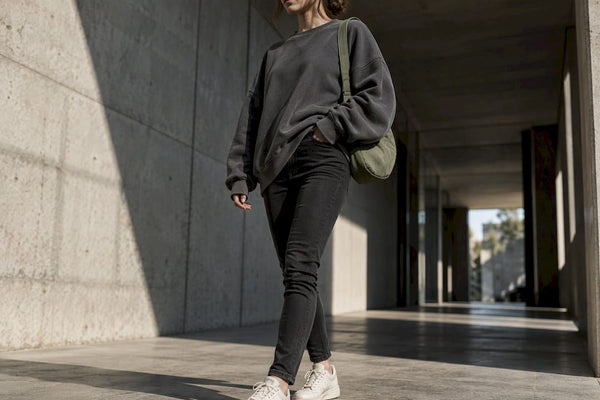
- Dark jeans with a good fit. The cut makes all the difference. Slim fit or straight leg work most versatilely.
- Black trousers. For the office, dinner, and everyday wear. Fabric and cut determine the occasion.
- White shirt or white blouse. Open over a T-shirt or buttoned up with a blazer. Two looks, one item.
- Trench coat in beige or camel. The most classic coat of all. Works just as well over jeans as over a dress.
- Black dress or midi dress. For women, the most versatile single item in the wardrobe. With sneakers or pumps, it creates completely different effects.
- Fine knit sweater in gray or beige. Over a shirt, under a coat, or on its own. Merino wool is worth it here.
- White sneakers. The universal shoe. Goes with almost everything and remains timeless.
- Simple pumps or loafers. One pair of elegant shoes is enough. Black or nude cover most occasions.
- Light jacket or blazer. In dark blue or black. Instantly elevates any look.
Pro Tip: Always buy basics in the same color family. If you started with black, white, and beige, stick with it. Every new tone increases complexity.
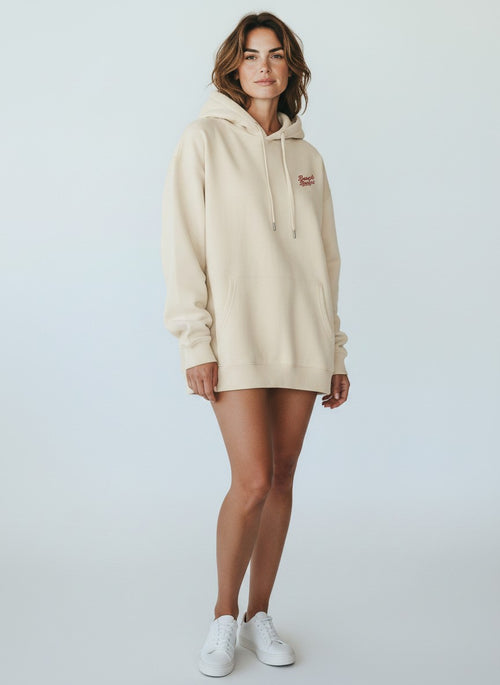
Seasonal additions are included but deliberately kept small. A warm wool coat in winter, a light linen shirt in summer. Accessories like scarves, belts, and simple jewelry multiply outfit possibilities without taking up space. Integrating streetwear basics into the wardrobe adds additional everyday usability.
3. Physically Plan and Organize the Wardrobe
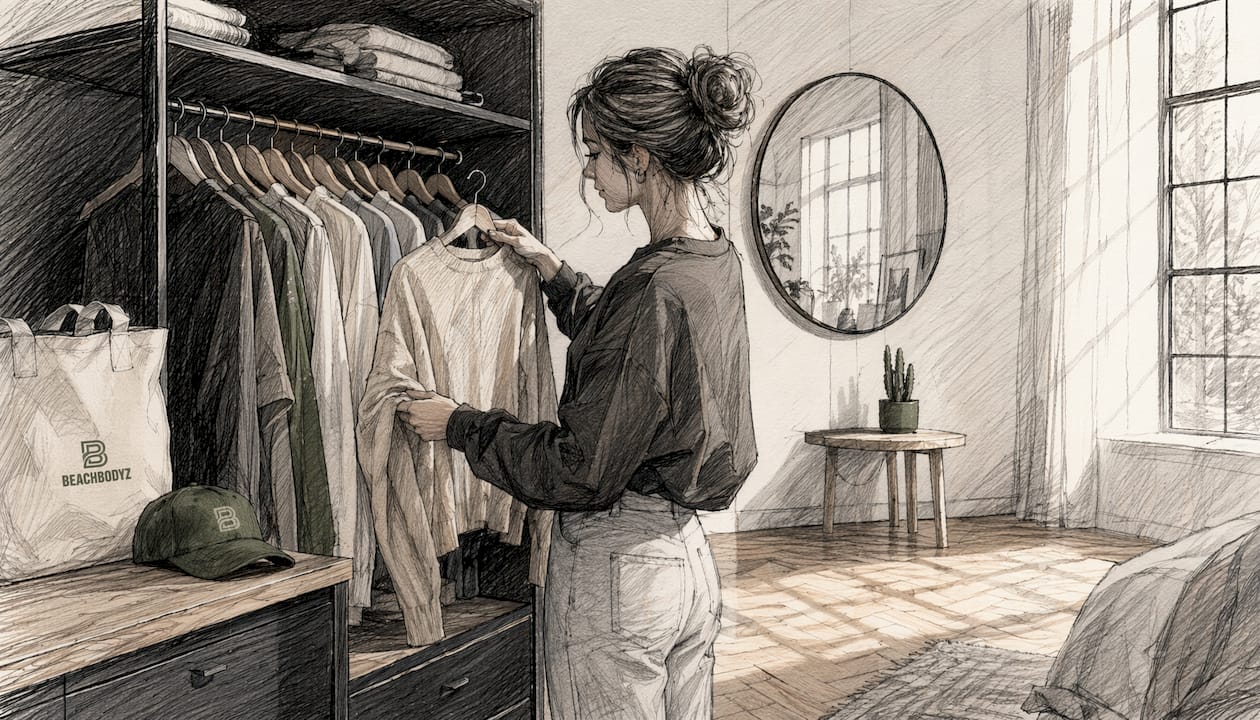
A well-organized wardrobe is a prerequisite for minimalism to work in everyday life. Those who search every morning lose track and buy duplicates. Order in the wardrobe begins with the right structure.
The Association of the German Furniture Industry recommends at least 4 m² of floor space for a walk-in closet. Those with less space can still create a lot of storage with floor-to-ceiling wardrobes and sliding doors.
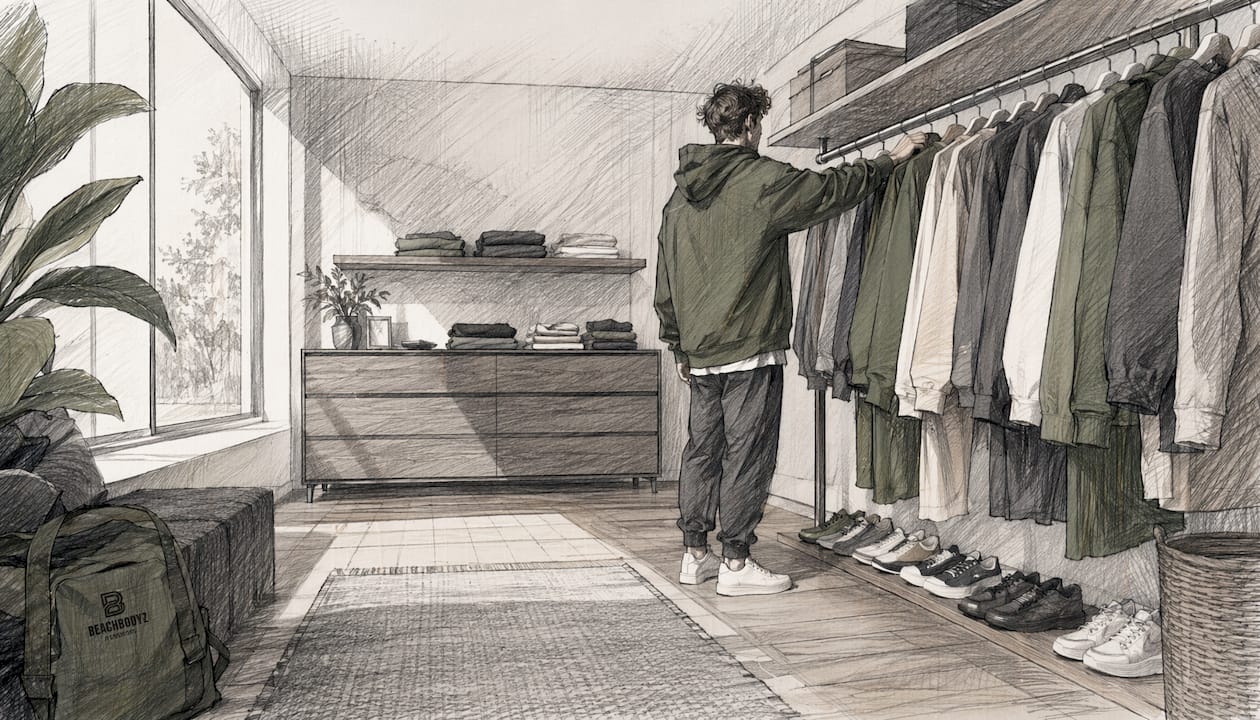
- Prioritize hanging rails: Hanging clothes are easier to oversee and wrinkle less than stacked items on shelves.
- Maintain color order: Sorting items by color makes the closet appear larger and simplifies outfit planning.
- Maximize visibility: What isn't seen isn't worn. Open hanging rails or glass doors help.
- Seasonal separation: Store summer clothes in winter, for example, in vacuum bags under the bed.
| Area | Recommendation |
|---|---|
| Hanging rails | Prefer for coats, shirts, dresses, and trousers |
| Shelves | Only for folded items like sweaters and T-shirts |
| Drawers | Underwear, socks, accessories |
| Shoe storage | Shoe boxes with photos or transparent boxes |
| Lighting | Bright light, ideally LED strips inside |
Lighting plays an underestimated role. A dark closet appears cluttered, even if it's tidy. LED strips inside cost little and significantly change the effect. Minimalism in the bedroom also means that the closet itself appears calm and tidy, not just its contents.
Those looking for wardrobe ideas for small spaces will find surprisingly much storage with clever planning. Room dividers, clothing lifts, and modular systems solve space problems without overcrowding the room.
4. Maintain and Refresh the Capsule Wardrobe Seasonally
A curated mini-wardrobe includes 30–50 items, including shoes and accessories, excluding underwear and sportswear. That sounds like little, but it's enough for a complete everyday life. The prerequisite is that the items are regularly checked.
- Schedule a wardrobe check every 3 months. Seasonal changes are the natural occasion. What hasn't been worn in the last three months has a reason.
- Apply the three-pile method. Keep, Maybe, Give Away. The "Maybe" pile goes into a box. If you don't miss anything after 30 days, give it away.
- Consciously repurchase. Only replace what is truly missing. No impulse purchases, no trend items without a combination partner.
- Calculate cost per use. A T-shirt for €60, worn 200 times, costs €0.30 per use. A trend item for €20, worn three times, costs €6.67. The math speaks for itself.
- Care extends lifespan. Wash wool at 30 °C, wash jeans rarely and air dry, iron shirts and store them hanging.
Pro Tip: Keep a short list of items you want to repurchase. Those who shop with a list buy more targeted and spend less on unnecessary items.
Trends can appear in a minimalist wardrobe, but only as an accent. A trendy accessory or a seasonal accent color is enough. The basic structure of neutral tones remains stable. Those who know seasonal layering concepts can create varied outfits with few items even in autumn and winter.
Sustainable capsule wardrobes reduce textile waste by up to 75% and save about 30–40% of fashion costs annually. This is not a side effect, but the direct result of buying less, but better.
Key Takeaways
A minimalist wardrobe with 30–50 high-quality pieces, a clear color palette, and consistent combinability saves up to 40% of fashion costs and reduces textile waste by up to 75%.
| Topic | Details |
|---|---|
| Combinability | Each piece must harmonize with at least 3 others, otherwise it doesn't belong in the closet. |
| Color Palette | 2–3 neutral tones plus a maximum of 2 accent colors form the foundation for maximum outfit variety. |
| Wardrobe Organization | Prioritize hanging rails, sort by color, and install good lighting. |
| Seasonal Check | A check every 3 months with the three-pile method keeps the wardrobe current. |
| Sustainability | Quality items with a long lifespan reduce cost per use and protect the environment. |
What I've Learned After Years with Minimalist Wardrobes
I've seen many wardrobes described as "minimalist" that actually just looked empty. The difference isn't in the quantity, but in the selection. A closet with 35 pieces that all go together feels richer than a closet with 80 pieces, half of which are never worn.
What surprised me most: creativity increases when the selection gets smaller. Those who have only 10 pieces think more intensely about how to combine them. That sounds counterintuitive but is real. Minimalism fosters creativity and personal style, instead of making the wardrobe appear monotonous.
The most common mistake is buying items that "might fit someday." That phrase is expensive. Those who only buy what fits today and is combinable today build a functional wardrobe faster than someone who speculates on future occasions.
Sustainability is not a bonus, but the logical consequence. Those who buy less and buy better automatically buy more sustainably. Brands like Beachbodyz, which focus on certified organic cotton and fair production in the EU, fit well into this concept. Not because they are expensive, but because their pieces last a long time and can be combined in many ways.
My practical advice: Don't start by buying. Start by decluttering. What remains after decluttering shows you what you truly wear and what you truly need.
— Ahmed
Beachbodyz: Sustainable Basics for the Minimalist Wardrobe
Those who want to lay the foundation for a minimalist wardrobe need pieces that work daily and last for years. Beachbodyz produces exactly that: streetwear made from certified organic cotton, fairly produced in the EU, with cuts that fit into any minimalist everyday life.
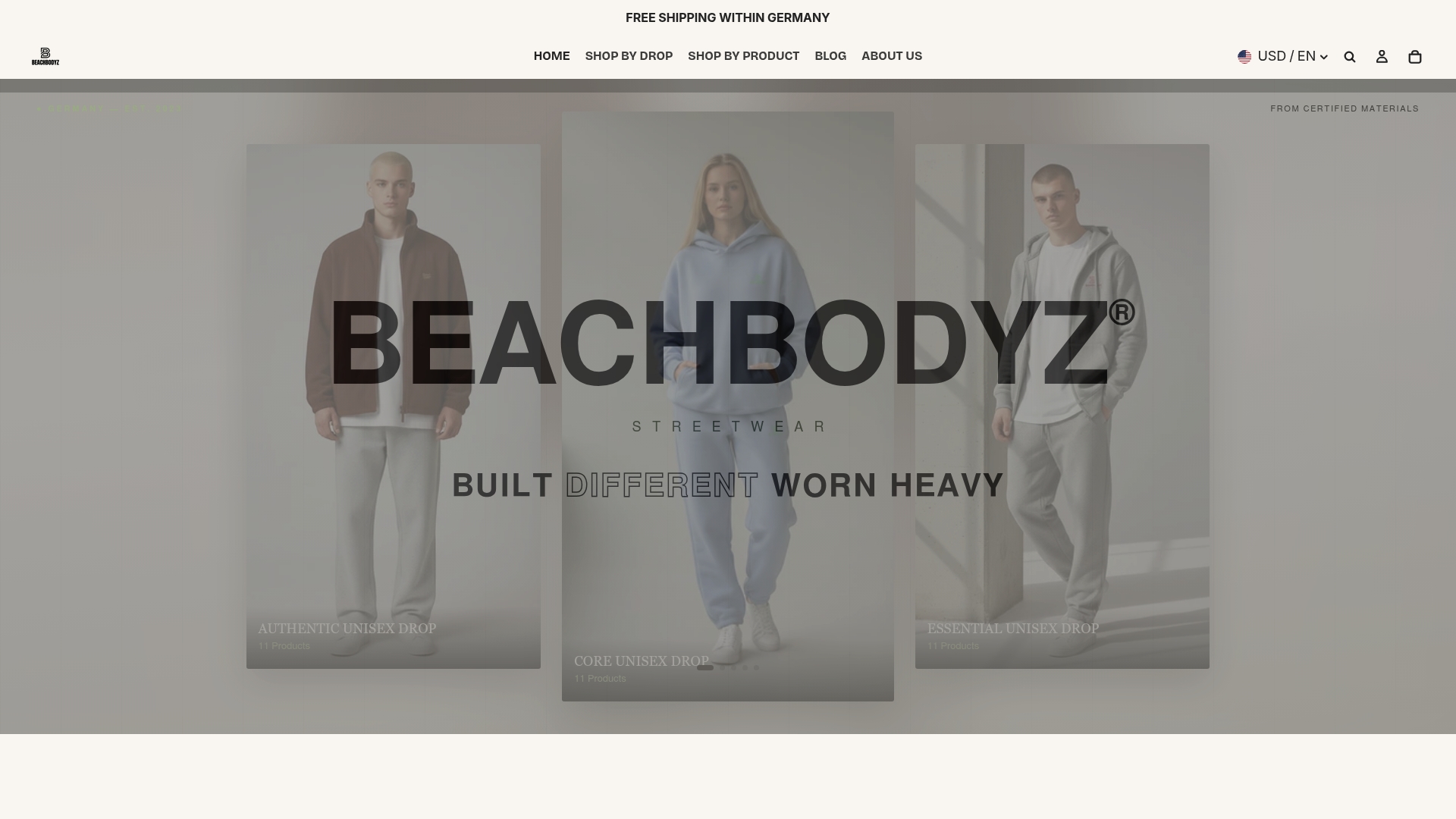
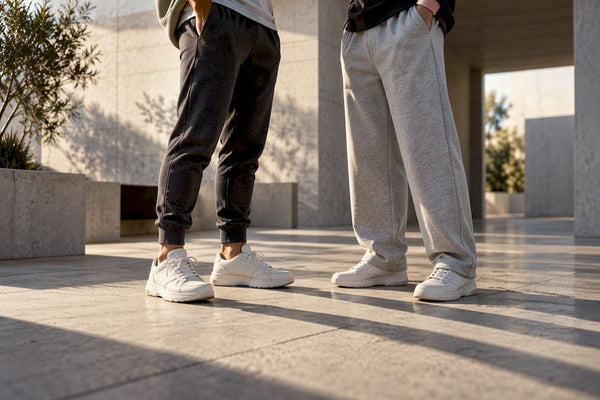
The Authentic Sport Jogginghose from Beachbodyz is an example of how comfort and durability go together. It is made from organic materials, fits well, and can be combined with a T-shirt, hoodie, or sweatshirt. For a minimalist wardrobe, this means: one item, many uses. Those looking for sustainable basics that are truly worn will find a clear selection at Beachbodyz without compromising on quality or style.
FAQ
What is a capsule wardrobe?
A capsule wardrobe is a small, curated collection of 30 to 50 clothing items that can all be combined with each other, enabling maximum outfit variety with minimal possessions.
How many items belong in a minimalist wardrobe?
Experts recommend 30–40 items per season. With 10 well-chosen basic items, over 50 different outfits can already be created.
What colors are best suited for a minimalist wardrobe?
The best foundation consists of 2–3 neutral tones like black, white, and beige, supplemented by a maximum of 1–2 accent colors like burgundy or cobalt blue for visual variety.
How often should you declutter your wardrobe?
A seasonal check every 3 months keeps the wardrobe current. The three-pile method (Keep, Maybe, Give Away) helps to make decisions consistently.
Does a minimalist wardrobe really save money?
Yes. Those who buy consciously and focus on quality save 30–40% of fashion costs annually and simultaneously generate up to 75% less textile waste, according to experts.