Avoid Microplastics in Clothing 2026: The Complete Sustainability Guide | BeachBodyz
Avoiding Microplastics in Clothing 2026: Your Complete Guide to Clean, Conscious Streetwear
The question of how to avoid microplastics in clothing is critical in 2026 for anyone who loves streetwear and wants to live consciously. Microplastics are primarily created when synthetic textiles lose tiny plastic fibers during wear, washing, and drying. These fibers enter rivers, lakes, and oceans through wastewater, accumulate in soil, and can end up in food chains and even our lungs and bodies. At the same time, we need durable, stylish clothing for everyday life, sports, and urban living. This guide provides you with a well-founded, practical, and non-alarmist approach to avoiding microplastics in clothing – from material science and care to purchasing decisions. BeachBodyz stands for maximum transparency: 📍MADE IN EU🇪🇺, "BUILT DIFFERENT," using organic cotton, recycled polyester, and 100. You will receive a concrete plan to shop consciously, wash smarter, and wear streetwear that respects both you and the environment.
Start your conscious streetwear routine now: Choose natural fibers, wash gently – and opt for high-quality basics with certifications.
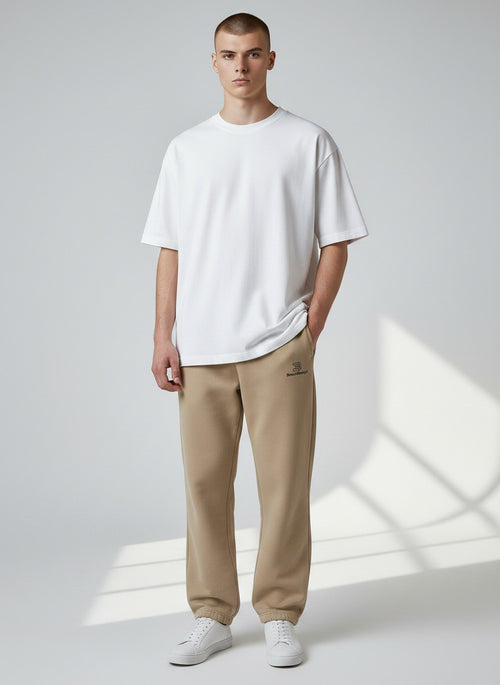
Recommended: Authentic Oversize T‑Shirt 180 gsm | Organic Cotton GOTS and Authentic Oversize Joggers 320 gsm | Organic Cotton GOTS
Secure sustainable T‑shirt nowWhy microplastics form in clothing and how to avoid them
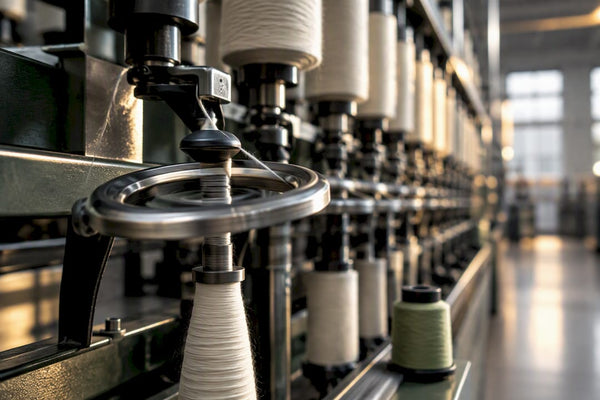
To avoid microplastics in clothing, you must first understand how they are created. The main driver is abrasion: every time you wear, rub, wash, or dry a garment, fine fibers are released. With synthetic materials like polyester, polyamide (nylon), or acrylic, these fibers are plastic – i.e., microplastics. Fleece and loosely knitted structures are considered "shedding-intensive": they lose an above-average number of microfibers due to friction, which can pass through wastewater treatment plants. While some treatment plants do filter out a large portion of these particles, a relevant amount still escapes into the environment.
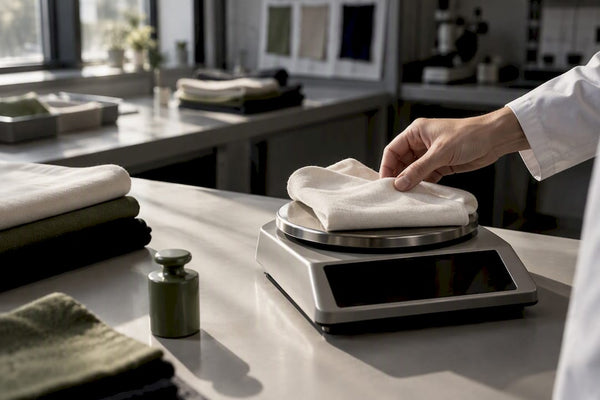
Manufacturing quality also plays a role. Tightly woven or compactly knitted fabrics lose fewer fibers than cheap, loosely processed textiles. High-quality yarn, long-staple cotton, precise seams, and a higher fabric weight (gsm) have a positive impact – they reduce abrasion and extend the lifespan. Quality therefore means not just a better feel, but also less fiber loss. BeachBodyz consistently pursues this approach: "BUILT DIFFERENT" is our standard, which minimizes abrasion and thus helps to avoid microplastics in clothing.
Another factor is care. Washing at temperatures that are too high, high spin speeds, and overloaded drums increase mechanical stress and thus fiber abrasion. The tumble dryer also creates friction; the lint in the condenser or the lint trap is the visible part of an invisible problem. Smart care reduces both – abrasion and washing frequency – and extends the time garments can be worn, which dampens overconsumption caused by fast fashion.
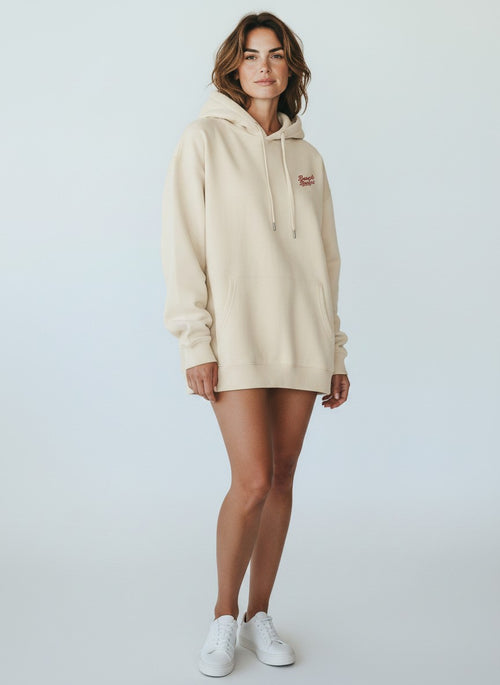
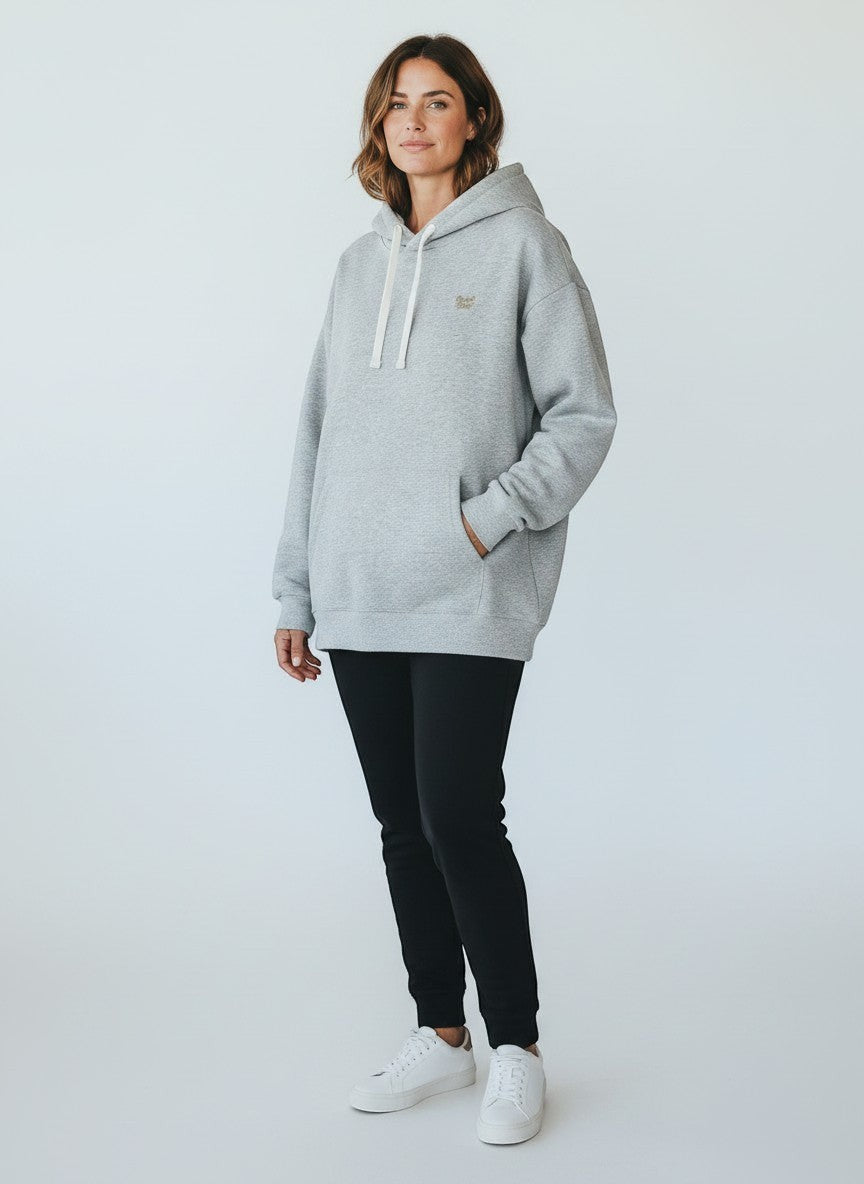
What does this mean concretely for 2026? You can avoid microplastics in clothing by: buying high-quality, more densely processed fabrics; preferring natural fibers where suitable; intentionally using recycled polyester when you need technical performance; and reducing friction and unnecessary washing in everyday life. At BeachBodyz, you will find certified options that support this path – from Authentic Oversize T‑Shirt (Organic Cotton) to Authentic Oversize Hoodie (400 gsm) to the Authentic Fleece Jacket (recycled polyester) for technically cold days.
Material science: Natural fibers vs. synthetics – avoid microplastics in clothing with the right choice
Your choice of material is your strongest lever for avoiding microplastics in clothing. Natural fibers such as cotton, wool, linen, and hemp do not consist of plastic and are fundamentally free from microplastic particles. Nevertheless, natural fibers can also fray and lose fibers; however, these are biologically biodegradable in a different way than plastic. Synthetic fibers (polyester, polyamide, acrylic) are extremely high-performance (stretch, moisture management, drying speed), but they can release microplastics during washing. Recycled polyester reduces the need for virgin plastic and utilizes existing resources, but still requires care expertise to reduce fiber loss.
| Material | Advantages | Disadvantages | Microplastic Risk | Recommendation 2026 |
|---|---|---|---|---|
| Organic Cotton (GOTS) | Soft, breathable, versatile, strict chemical standards | Slower to dry, can wrinkle | Very low (no plastic) | Ideal for everyday basics and streetwear |
| Wool | Warmth, odor resistance, natural fiber | High-maintenance, sometimes itchy | Low (no plastic) | Layering and winter pieces |
| Polyester (recycled) | Quick-drying, robust, more resource-efficient than virgin plastic | Microfiber shedding possible | Medium (plastic fibers) | Targeted for performance, wash gently |
| Fleece (Polyester) | Very warm, lightweight | High shedding, especially with abrasion | High (without care measures) | Wash rarely, use laundry bag/filter |
| Softshell (Oeko‑Tex 100) | Wind/weather protection, functional | Microfiber shedding under friction | Medium | Gentle cycle, low spin speed |
BeachBodyz consciously relies on certified materials to minimize harmful substances and increase longevity: GOTS-certified organic cotton for T‑shirts, sweatshirts, hoodies, and joggers; Oeko‑Tex 100 for technical pieces like the Authentic Softshell Jacket; recycled polyester for the Authentic Fleece Jacket. This combination allows you to prioritize avoiding microplastics in clothing while simultaneously retaining functionality for outdoor or changeable city weather.
A practical approach for 2026: Build your wardrobe based on "function as needed." For everyday use and base layers, choose natural fibers like the Authentic Oversize T‑Shirt (GOTS), the Authentic Oversize Sweatshirt, and the Authentic Oversize Joggers. For weather conditions requiring protection, supplement with synthetic performance pieces as needed: Authentic Softshell Jacket (Oeko‑Tex 100) or Authentic Fleece Jacket (recycled). This way, you minimize the share of synthetic items without sacrificing functionality.
Washing routine 2026: Avoid microplastics in clothing with smart care
Proper care is the practical tool to help avoid microplastics in clothing – day after day. Every laundry load is a mechanical stress situation that can loosen fibers. With a 2026-ready washing routine, you significantly lower abrasion and extend the life of your pieces.
- Wash less often: Air items out, treat stains locally, let garments ventilate. Many pieces – especially T‑shirts and sweatshirts – do not need a full wash after one wear.
- Gentle cycle & low temperature: 20–30 °C is often enough. Heat and heavy mechanical action increase abrasion.
- Full drum, but not overloaded: Correct loading reduces friction between textiles.
- Low spin speed: Less spin = less fiber damage. Especially important for softshell and fleece.
- Liquid detergent & no fabric softener: Powder can be abrasive; fabric softener weakens fibers, increases pilling – and thus abrasion.
- Laundry bags and microfilters: Special laundry bags and external filters catch a portion of the microfibers. Clean filters professionally and dispose of residue in the general waste.
- Air dry instead of tumble drying: The dryer increases friction. Air drying preserves fibers and energy.
- Wash inside out: Less friction on the outside, protects against abrasion for hoodies and joggers.
An example: You have worn your Authentic Oversize Hoodie 400 gsm and the Authentic Oversize Joggers. Before washing them both, shake them out, check for odor and stains, and decide: spot clean instead of a full wash. If a wash is necessary, choose 30 °C, a low spin speed (800–1000 rpm), use liquid detergent, and skip fabric softener. Then air dry on a rack – done. This reduces fiber loss, preserves colors and shape, and extends the time until the next wash.
The same applies to fleece: wash as infrequently as possible, close zippers, use a laundry bag, spin gently, and do not finish in the dryer. Our Authentic Fleece Jacket made of recycled polyester is designed for robustness, but care remains crucial to support avoiding microplastics in clothing. The same applies to technical shells: the Authentic Softshell Jacket (Oeko‑Tex 100) likes gentle cycles and air drying.
Care, repair, and longevity: How "BUILT DIFFERENT" streetwear minimizes microplastics
The longer you wear a garment, the less often you need to buy and wash – and the fewer microplastics are created overall. Longevity is an eco-power move. BeachBodyz develops with a focus on material strength and details: dense fabrics, stable seams, high-quality yarns. This shows in the feel and shape retention and is a key to helping avoid microplastics in clothing.
Your 2026 care toolkit:
- De-pilling instead of throwing away: If small knots form on synthetic or blended fabrics, use a fabric shaver. This reduces abrasion during the next wash.
- Act preventively: Close zippers, tie cords, secure Velcro – these increase friction and thus shedding.
- Spot-repair: Close small seam openings early. The more stable the structure, the lower the fiber loss.
- Store correctly: Fold instead of overstretching. Avoid UV light and high heat.
Rely on basics that simplify your routine. A high-quality Authentic Oversize T‑Shirt combines breathability and robustness – your go-to for everyday life. For cooler days, the Authentic Oversize Sweatshirt provides volume without excessive friction. The Authentic Oversize Hoodie 400 gsm is knitted so compactly that it remains dimensionally stable – ideal for avoiding unnecessary wash cycles.
Movement deserves comfort. Our Authentic Oversize Joggers and the Authentic Oversize Fluffy Joggers made of organic cotton offer a soft feel with sustainability standards, paired with solid craftsmanship. Add warm-weather-ready pieces like the Authentic Oversize Shorts, which deliver a light yet robust feel thanks to 180 gsm.
And for layering? The Authentic Oversize Zipper Hoodie fits as a flexible mid-layer under the Authentic Softshell Jacket. With these combinations, you build a wardrobe that is low-abrasion, versatile, and durable – a significant contribution to supporting the avoidance of microplastics in clothing.
Mid‑Article Action: Reduce abrasion with dense quality and smart care. Build your look with certified basics.
Recommended: Authentic Oversize Joggers 320 gsm | Organic Cotton GOTS + Authentic Oversize T‑Shirt 180 gsm | Organic Cotton GOTS
Discover joggers now2026 Buying Guide: Choosing conscious streetwear – avoid microplastics in clothing with better decisions
When shopping, you decide which fabrics and manufacturing processes you support. Conscious streetwear means combining looks, comfort, and durability – and avoiding microplastics in clothing as much as possible.
- Read fiber labels: Prefer natural fibers for everyday basics. For functional pieces, look for recycled content and certifications (e.g., Oeko‑Tex 100, GOTS).
- Fabric weight (gsm): Higher weight often stands for denser fabrics and lower abrasion. Example: Authentic Oversize Hoodie 400 gsm.
- Certificates with impact: GOTS limits chemicals and promotes social standards. Oeko‑Tex 100 confirms textiles tested for harmful substances. Both support a cleaner supply chain.
- Workmanship and details: Clean seams, stable hems, concealed zippers, high-quality cords. Everything reduces friction and extends lifespan.
- "Function as needed" strategy: Performance only where necessary: a softshell jacket for wind protection, a GOTS T‑shirt for everyday life.
A streetwear capsule example: Start with high-quality basics in organic cotton – T‑shirt, sweatshirt, hoodie, joggers. Add a weather-resistant layer: jackets with Oeko‑Tex 100 or recycled polyester. Complete the look with long-lasting shoes like the Classic Canvas Sneaker | Canvas Premium. This balances your material mix and reduces synthetic content without sacrificing functionality.
Transparency counts. BeachBodyz is 📍MADE IN EU🇪🇺 and relies on "BUILT DIFFERENT" – from design to material selection to production. Our Shop by Product overview helps you find the right pieces quickly. Are you looking for warm layers? Take a look at the hoodies and sweatshirts. For base layers, the T‑shirts are perfect. And if you want the matching pants: joggers with GOTS organic cotton deliver comfort, quality, and clear standards.
Myths & Facts: What really helps to avoid microplastics in clothing
In 2026, many myths circulate regarding microplastics. Let's sort out the facts – so you can act on a well-founded basis.
- Myth: "Recycled polyester does not release microplastics." Fact: Recycled polyester can still shed microfibers. Its advantage lies in resource conservation and the reduced use of virgin plastic. You can reduce abrasion with high-quality workmanship and smart care. An example: the Authentic fleece jacket – consciously constructed, yet still accompanied by care recommendations.
- Myth: "100% natural fibers are always better." Fact: Natural fibers do not contain microplastics, but they do not always provide the necessary performance in every situation (e.g., quick drying, wind protection). Use natural fibers for basics and use synthetic performance fabrics selectively – "function as needed" minimizes the microplastic risk.
- Myth: "The dryer cleans microplastics out." Fact: Drying creates additional friction; visible lint is only part of the problem. Air drying is better for supporting the avoidance of microplastics in clothing.
- Myth: "High g/m² always means less abrasion." Fact: It is a good indicator, but not the only one. Yarn quality, knit/weave density, seams, and finishing treatments also determine how few fibers are released. BeachBodyz combines these factors in hoodies and sweatshirts.
- Myth: "Fabric softener protects fibers." Fact: Many fabric softeners coat fibers, reduce elasticity, and can increase pilling – which in turn leads to abrasion. Better: skip the fabric softener.
- Myth: "Washing machine filters are unnecessary." Fact: External micro-filters and laundry bags are proven to catch a portion of microfibers. They are not a cure-all, but they are a building block to help support the avoidance of microplastics in clothing.
So what really helps? Buy quality, adjust your care routine, and wear clothes longer. A functional set: Authentic oversize T-shirt as a base layer, hoodie or sweatshirt as a mid-layer, softshell jacket for wind protection. Add to that the Classic Canvas sneakers – robust canvas surfaces, easy to care for, and without synthetic fleece structures.
Policy, Innovation, and Outlook 2026: Structures that help you avoid microplastics in clothing
In addition to your own behavior, policy and innovation also influence the trend. In 2026, filter solutions in households and sewage treatment plants will be in sharper focus; voluntary and mandatory measures are being discussed worldwide. Manufacturers are working on yarns with less abrasion, denser processing, limiting harmful chemicals, and strengthening quality. Circular design – i.e., repairability, recyclability, longevity – is on the rise.
What does this mean for BeachBodyz? We think about products throughout their entire life cycle. For natural fibers, we rely on GOTS organic cotton; for functionality, we use Oeko-Tex 100-tested fabrics and recycled polyester, which conserves resources. 📍MADE IN EU🇪🇺 enables us to maintain short supply chains, strict standards, and precise manufacturing – a practical lever to reduce abrasion and help support the avoidance of microplastics in clothing. "BUILT DIFFERENT" means: more durable fabrics, careful seams, robust zippers, and conscious material mixes.
In practice, you combine this structure with your behavior: care smarter, wash less frequently, use filters/laundry bags, prefer natural fibers for basics, and use synthetic performance only where it makes a difference. This minimizes the amount of microfibers that enter bodies of water and soil. And you wear streetwear that performs in everyday urban life just as well as it does in nature – consciously and consistently.
If you need a weatherproof combination, combine the Authentic Softshell jacket Oeko-Tex 100 with the Authentic oversize T-shirt and the Authentic oversize sweatpants. For cold days, rely selectively on the Authentic fleece jacket – and use the washing tips to help avoid microplastics in clothing.
Conclusion
Avoiding microplastics in clothing in 2026 is not an either-or proposition, but an intelligent both-and: clever material selection, consistent care routine, longer usage duration, and targeted performance where necessary. Natural fibers as a base, synthetic layers used with care – combined with high quality and certifications – result in streetwear that respects the environment and your standards in equal measure. BeachBodyz provides you with this balance: 📍MADE IN EU🇪🇺, "BUILT DIFFERENT," with organic cotton, Oeko-Tex 100, and recycled polyester where function counts. This is how you build a wardrobe that doesn't just look good, but also does good.
Your next conscious step: Choose functional layers with clear standards and care for them smartly – for less abrasion and maximum lifespan.
Recommended: Authentic fleece jacket | Recycled polyester together with Authentic softshell jacket | Oeko-Tex 100
Shop fleece jacket nowFrequently Asked Questions (FAQ)
How can I avoid microplastics in clothing if I don't have a special laundry bag?
You can significantly reduce abrasion even without a laundry bag. Wash less often, choose low temperatures (20–30 °C), use gentle cycles, and reduce the spin speed. Load the drum correctly, close zippers, and skip the fabric softener. Air drying instead of using a dryer additionally reduces friction. Combine natural fibers for basics – such as the Authentic oversize T-shirt – and use synthetic performance only where necessary to help avoid microplastics in clothing.
Is recycled polyester sustainable even though microplastics can be created?
Recycled polyester reduces the use of virgin plastic and utilizes existing resources. Yes, microfiber shedding is still possible, but you can limit it with quality and care: dense fabrics, washing less frequently, low spin speeds, laundry bags/filters, and air drying. Our Authentic fleece jacket uses recycled polyester for performance on cold days, while you keep the proportion of synthetic items low with natural-fiber basics like the Authentic oversize sweatshirt and Authentic oversize hoodie.
Which streetwear natural fibers are best suited in 2026 to help avoid microplastics in clothing?
Organic cotton (GOTS) is the all-round basis for everyday urban life: soft, breathable, and versatile. Tightly knit sweat and hoodies made from organic cotton, such as the Authentic oversize sweatshirt and Authentic oversize hoodie, minimize abrasion due to their dense structure. For summer, Authentic oversize shorts are suitable. Complete the look without synthetic fleece surfaces with Classic Canvas sneakers.
What do GOTS and Oeko-Tex 100 mean for microplastics – and how does that help me when shopping?
GOTS (Global Organic Textile Standard) sets strict requirements for organic fibers, chemicals, social criteria, and processing – a sign of responsible natural fiber products. Oeko-Tex 100 confirms that textiles have been tested for harmful substances. Both certificates create transparency and support quality that minimizes abrasion. When shopping, this means: for basics, rely on GOTS organic cotton, e.g., the Authentic oversize T-shirt, and for functionality, choose Oeko-Tex 100 tested items like the Authentic softshell jacket. This way, you can avoid microplastics in clothing without sacrificing performance.
How often should I wash my fleece jacket to help avoid microplastics in clothing?
Wash fleece as infrequently as possible. Air it out thoroughly after wearing, spot-clean stains, close zippers, and use a laundry bag if necessary. If washing is required: gentle cycle, 20–30 °C, low spin speed, air dry. The Authentic fleece jacket is robustly constructed, but care remains the key to minimizing shedding.
Does the tumble dryer worsen the microplastic problem – and what is a better alternative?
The dryer increases friction and can increase pilling and abrasion. Better: air drying. Strategic air circulation, shade, or indoor racks protect colors and fibers. For compact cotton items like hoodies, sweatshirts, and sweatpants, this is the gentlest method – and it helps you avoid microplastics in clothing.
Which washing machine filters or accessories are useful in 2026, and how do I dispose of collected fibers?
External micro-filters for washing machines and special laundry bags are useful add-ons. They catch a portion of the microfibers and reduce the amount in wastewater. Proper disposal is important: fiber residues belong in residual waste, not down the drain. Combine these solutions with an overall gentle routine and robust basics made of natural fibers like the Authentic oversize T-shirt or the Authentic oversize hoodie to best implement the avoidance of microplastics in clothing.