In a nutshell:
- "Made in Germany" for clothing means that the most important manufacturing steps have taken place in Germany. Consumers should check specific information on the production location, certificates, and supply chains to confirm authenticity. Serial producers like Beachbodyz rely on transparent, verifiable information and sustainable, European manufacturing.
"Made in Germany" for clothing means: The essential manufacturing steps that give the product its distinctive characteristics have taken place in Germany. Not the design, not the quality control, not the repackaging. The manufacturing itself.
Three quick questions to get started:
- Does the label state a specific production location in Germany?
- Does the brand describe on its website which manufacturing steps take place where?
- Are there certificates like GOTS or OEKO-TEX with verifiable test numbers?
If you can answer all three with yes, you're on the right track. If you only find "Designed in Germany," you don't have an answer yet.
Pro-Tip: For clothing items over €80, it's worth directly asking for factory photos, a supply chain overview, or production numbers. Reputable brands will respond specifically.
Table of Contents
- What "Made in Germany" means legally and practically for clothing
- Why genuine domestic production is relevant today
- How to check if a garment was really manufactured in Germany
- Common marketing tricks and what they really mean
- Case Study Beachbodyz: Fair EU production with verifiable proofs
- What genuine domestic production costs and how long it takes
- How you should shop now
- Key Takeaways
- Transparency and regionality as a long-term necessity
- Beachbodyz: Sustainable streetwear with verifiable production proofs
- Useful sources and further links
- FAQ
What "Made in Germany" means legally and practically for clothing
In Germany and the EU, there is no legal obligation to indicate the origin of fashion. However, anyone who voluntarily uses the label must adhere to clear standards: The decisive manufacturing process, in which the goods acquire their essential, value-determining characteristics, must have taken place in Germany.
The IHK Bonn documents this: BGH rulings and OLG decisions are based on common perception. Consumers understand "Made in Germany" as a statement about the production location, not about the company's headquarters or design office. Anyone who uses the label misleadingly risks competition law warnings under § 5 UWG.
According to Noerr Insights, there are no fixed percentage hurdles, such as "at least 45% of the value creation in Germany," as a generally valid criterion. The decisive factor remains whether the production steps essential for public perception took place domestically. Multi-stage production, where fabrics come from Portugal, are cut in Romania, and then only sewn in Germany, moves in a gray area.
Why genuine domestic production is relevant today
Shorter supply routes are the most obvious argument. Less transport means less CO₂. But the real advantage lies deeper: Anyone who produces in Germany, or at least in Europe, can personally control their supply chain. Child labor or exploitative conditions are much harder to hide in a German factory than in a factory on another continent.

Local production also allows for smaller batch sizes and quick replenishment. This reduces overproduction, one of the biggest cost drivers in the fashion industry. Those who produce according to demand produce less waste and fewer returns.
DBU-funded Eco-Shoring projects show that digital manufacturing techniques and virtual try-ons via avatars can significantly reduce returns and improve the ecological balance. The German Federal Environmental Foundation has documented a demonstrator platform for this, which proves concrete savings potential in the CO₂ footprint through regional production. Also, IDW reports on sustainable textile production in Europe confirm: Eco-shoring and on-demand manufacturing are practical ways for brands to reduce waste and emissions.
Durability is another factor. Tighter process control in German production facilities tends to lead to more consistent workmanship. A hoodie that lasts five years has a better eco-balance than three cheap ones that end up in the trash after two years.
How to check if a garment was really manufactured in Germany
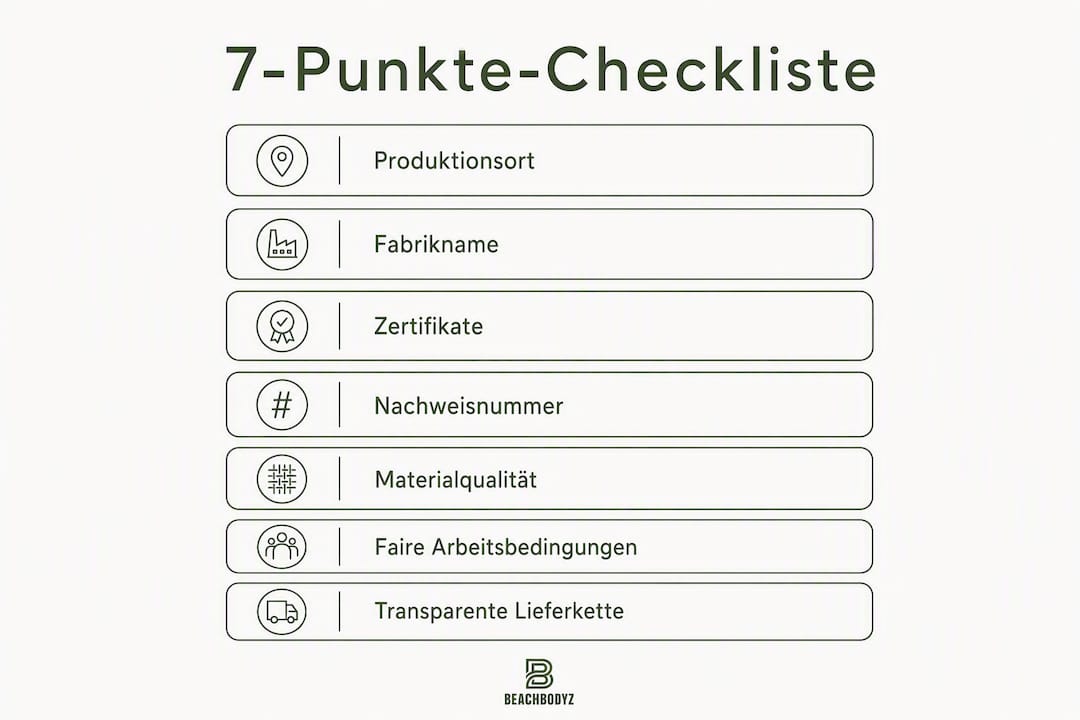
The 7-Point Checklist
- Read the label: Does it state a specific location in Germany or just "EU"?
- Check the product description: Does the brand name the factory, city, or region of manufacturing?
- Inquire about the factory address: Reputable manufacturers will provide this upon request.
- Distinguish material origin from processing: Organic cotton from Turkey, sewn in Bavaria, is not the same as a completely German product.
- Inquire about working conditions: Is there information on wages, working hours, safety standards?
- Check certificates: Verify GOTS number on the GOTS website; compare OEKO-TEX certificate with test number; look up Fair Wear membership in the public register.
- Photos and transparency: Does the brand show factory pictures, production videos, or a sustainability report?
Warning signs include phrases like "Designed in Germany," "Engineered in Germany," or "German Quality." These describe the origin of design or quality standards, not manufacturing. "Made in EU" is broader than "Made in Germany" and says nothing about the specific production location.
Satisfactory answers to inquiries include: Factory name, location, details of certifications with test numbers, and a clear statement of which manufacturing steps take place where.
Pro-Tip: GOTS certificates can be publicly verified at gots.org using the license number. Anyone who states a number that doesn't appear there has a problem.
Common marketing tricks and what they really mean
An overview of the most common misleading phrases:
- "Designed in Germany": Describes the location of the design office, not the factory.
- "German Engineering": Marketing term without production reference.
- "Inspired by German craftsmanship": Purely associative, no proof of origin.
- Partial production: If only one manufacturing step takes place in Germany and is not value-determining, this is not sufficient for the label.
- Repackaging: Goods from Asia, repackaged and labeled in Germany, may not be sold as "Made in Germany."
Anyone making misleading statements risks warnings and lawsuits under § 5 UWG. The seal is not state-protected but is relevant under competition law. Brands act on their own responsibility.
A typical example: A brand produces in Bangladesh, has the goods quality-controlled in Hamburg, and prints "Made in Germany" on the label. This is not permissible under BGH standards. Quality control is not a value-determining manufacturing step.
Case Study Beachbodyz: Fair EU production with verifiable proofs
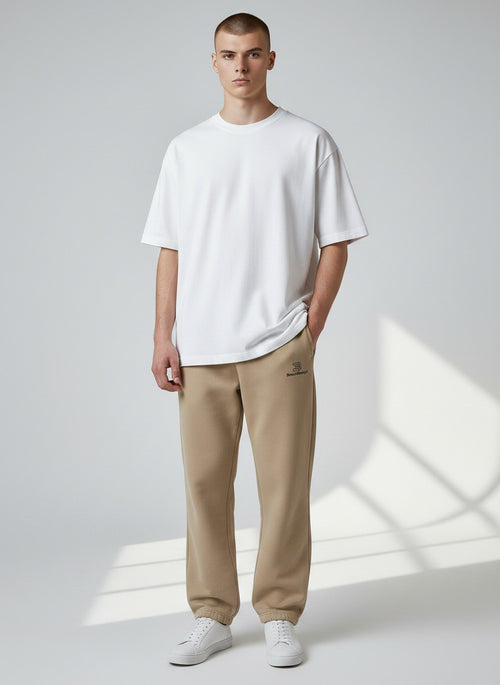
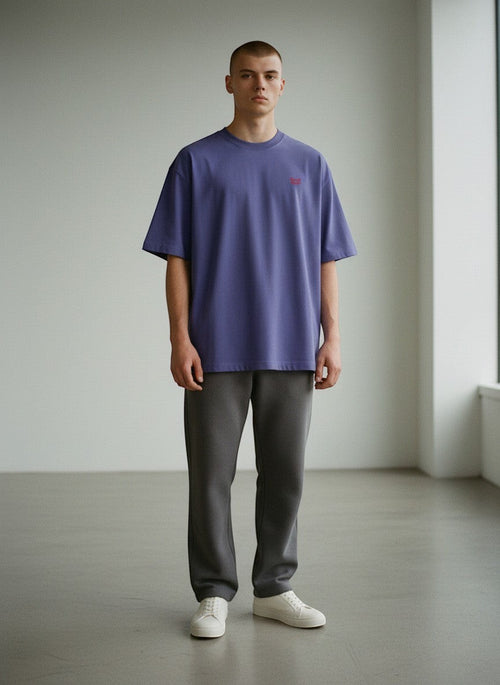
Beachbodyz is a German streetwear brand focusing on sustainable materials and fair production in the EU. The product range includes oversized T-shirts, hoodies, sweatshirts, jogging pants, jackets, and accessories, made from GOTS-certified organic cotton and recycled materials.
The brand publishes information about its "Made in Europe" practice, thereby demonstrating traceability in the supply chain. Shipping is climate-neutral. Personalizations such as embroidery are possible.
| Product | Material | Production Region | Certificate | Personalization |
|---|---|---|---|---|
| Oversize Top | GOTS Organic Cotton | EU | GOTS | Embroidery possible |
| Jogging Pants | Recycled Polyester / Organic Cotton | EU | GOTS / OEKO-TEX | Embroidery possible |
| Hoodie | GOTS Organic Cotton | EU | GOTS | Embroidery possible |
Why this is relevant for buyers: Beachbodyz fulfills several of the seven checkpoints from the checklist above. GOTS certification is publicly verifiable. The production region EU is indicated. Materials are specifically named. This is more transparency than most fast-fashion providers offer.
What genuine domestic production costs and how long it takes
Higher prices for "Made in Germany" fashion have concrete reasons:
- Wages: German minimum wages and collective agreements are significantly higher than Asian production costs.
- Smaller batch sizes: Producing 200 instead of 20,000 units costs more per piece.
- Certified materials: GOTS organic cotton costs more than conventional goods.
- Transparency costs: Audits, certifications, and documentation are cost factors.
For a simple T-shirt manufactured in Germany, prices from €40–60 are realistic. Limited collections or personalized items are higher. Imported goods from Asia are cheaper, but the overall calculation changes when durability is considered: A garment that lasts ten years is often cheaper per year of wear than three cheap alternatives.
Production times in Germany are shorter for standard goods than for imported goods because sea freight is eliminated. Reproduction for local manufacturing takes weeks instead of months. This reduces overproduction and storage costs.
How you should shop now
Clothing with the "Made in Germany" label is credible if the production location, certificates, and supply chain information are publicly accessible and verifiable. Caution is advised if only design origin or quality standards are communicated.
Concrete shopping steps:
- Step 1: Apply the checklist from section 4 before you buy.
- Step 2: If in doubt, ask the brand directly. No answer or vague formulations are a warning sign.
- Step 3: Verify certificates with test numbers on the respective certification websites.
- Step 4: Buy from trustworthy brands that communicate production, materials, and certificates transparently.
Beachbodyz meets these criteria with GOTS-certified products, fair EU production, and verifiable material specifications. The oversize top with embroidery is a concrete example of a product with verifiable proofs.
Pro-Tip: Compare the price per year of wear, not the purchase price. A €60 hoodie that lasts five years costs €12 per year. A €25 hoodie that fades after one year costs twice as much.

Key Takeaways
Genuine "Made in Germany" fashion requires verifiable domestic manufacturing, verifiable certificates, and transparent supply chain information, not just a label on the tag.
| Topic | Details |
|---|---|
| Legal Basis | Voluntary use of the label obliges factual correctness; value-determining manufacturing steps must have taken place in Germany. |
| Most Important Check Questions | Production location on label, GOTS/OEKO-TEX number verifiable, factory address available upon request. |
| Advantage of Regional Manufacturing | Shorter supply routes, smaller batch sizes, less overproduction, and better control of working conditions. |
| Marketing Traps | "Designed in Germany" and similar phrases are not proof of manufacturing and do not replace "Made in Germany." |
| Beachbodyz as an Option | GOTS-certified products from fair EU production with verifiable material specifications and climate-neutral shipping. |
Transparency and regionality as a long-term necessity
A complete relocation of the entire textile value chain back to Germany is unrealistic in the short term. The infrastructure is lacking, costs are high, and many raw materials simply don't grow in Germany. Anyone who claims otherwise simplifies things.
But the middle ground is feasible and already practiced by brands like Beachbodyz: EU manufacturing with controlled supply chains, certified materials, and genuine transparency. This is not a compromise but a pragmatic approach that works. Consumers who consciously buy from such brands send a clear signal to the industry. Not through renunciation, but through choice.
The fashion industry does not change through appeals. It changes through purchasing decisions.
Beachbodyz: Sustainable streetwear with verifiable production proofs
If you're looking for clothing that meets the criteria in this article, Beachbodyz offers a concrete option. The brand produces fairly in the EU, uses GOTS-certified organic cotton and recycled polyester, and transparently communicates materials and production region on its product pages.
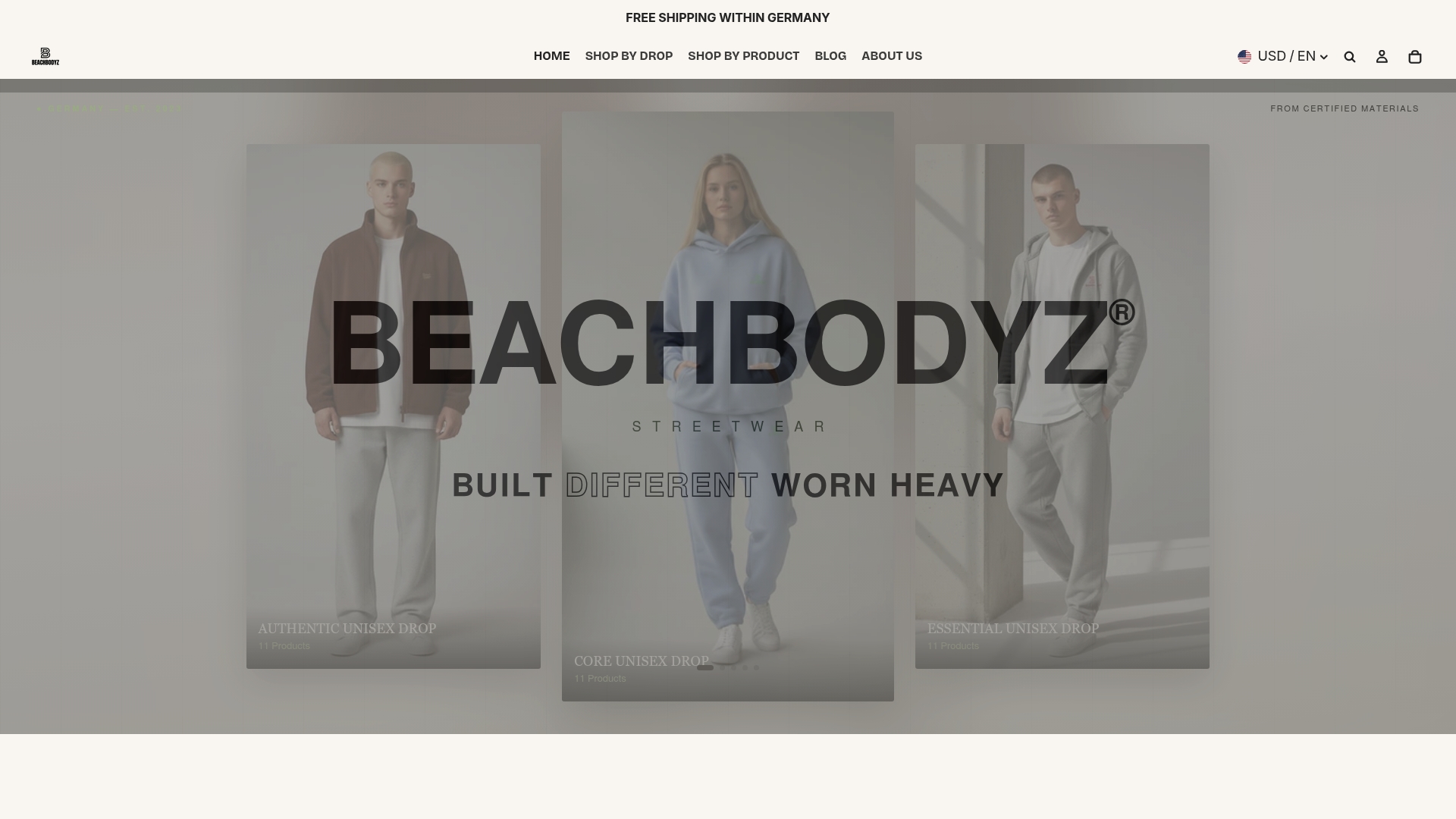
The assortment includes oversized T-shirts, hoodies, sweatshirts, jogging pants, jackets, and accessories, all available in an oversized cut and suitable for embroidery. Shipping is climate-neutral. Limited drops ensure small batch sizes instead of mass production.
If you want to create the checklist from this article, you can start directly on the Beachbodyz shop page: material specifications, certificate numbers and production information are available there. The oversized top with embroidery is a good start.
Useful sources and further links
| Source | Brief description | Relevance for buyers |
|---|---|---|
| WD 7-080-25, Bundestag | Scientific analysis of the legal situation regarding "Made in Germany" | Legal basis, BGH standards |
| IHK Bonn: Origin information | Practical guide to origin labeling and competition law | Warning risks, practical examples |
| Noerr Insights: Fashion "Made in Germany" | Legal classification by specialist lawyers | Marketing terms vs. manufacturing proof |
| DBU Eco-Shoring Study | DBU research project on regional production and CO₂ savings | Sustainability arguments, production advantages |
| IDW: Sustainable textile production | Report on Eco-Shoring and digital manufacturing techniques in Europe | Practical examples, environmental impact |
| Beachbodyz: Made in Europe | Brand guide to distinguishing between EU and German production | Specific purchase option with transparency proof |
Further reading:
- Slow Fashion vs. Fast Fashion: Comparison of production models with a focus on overproduction and resource consumption.
- Sustainable fabrics at Beachbodyz: Guide to GOTS, recycled fibers and material selection.
FAQ
Which brands really produce in Germany?
Few brands manufacture entirely in Germany. Beachbodyz produces fairly in the EU with GOTS-certified materials and transparent supply chain information. If you are looking for specific manufacturing proofs, you should ask the manufacturer directly for certificate numbers and factory details.
What does "Made in Germany" mean legally for clothing?
The label is not legally protected. Those who use it voluntarily must ensure that the value-determining manufacturing steps took place in Germany. Misleading use is subject to warning under § 5 UWG.
Which German fashion labels produce in Germany or the EU?
Beachbodyz is an example of a brand with fair EU production and verifiable certificates. In general: brands that publish specific production locations, GOTS numbers and factory details are more credible than those that only make general sustainability promises.
What is the difference between "Made in Germany" and "Designed in Germany"?
"Made in Germany" refers to the place of manufacture. "Designed in Germany" only describes where the product was designed. The latter is not proof of origin for production and does not replace the former.
How do I recognize if a GOTS certificate is genuine?
GOTS certificates can be publicly verified on gots.org with the license number. Every brand that claims GOTS certification must be verifiable there. If the entry is missing, the statement is not proven.