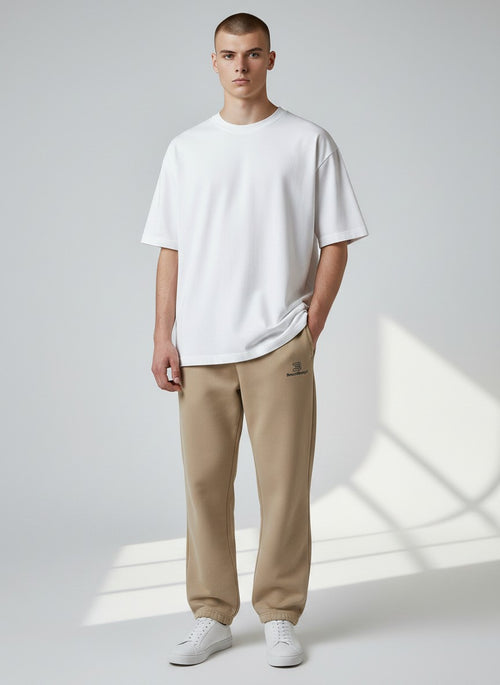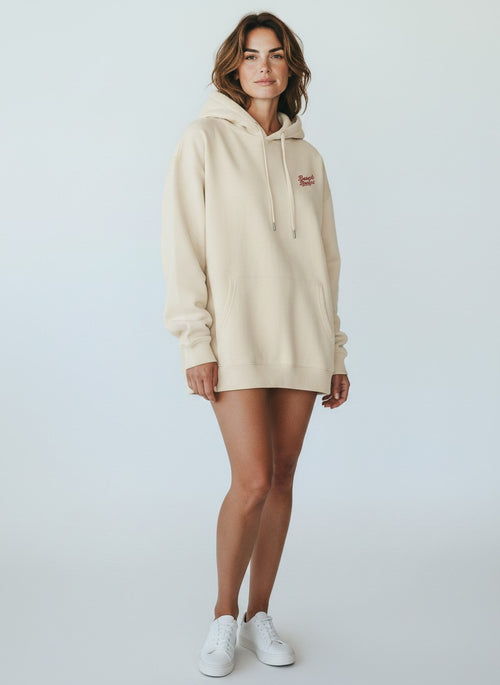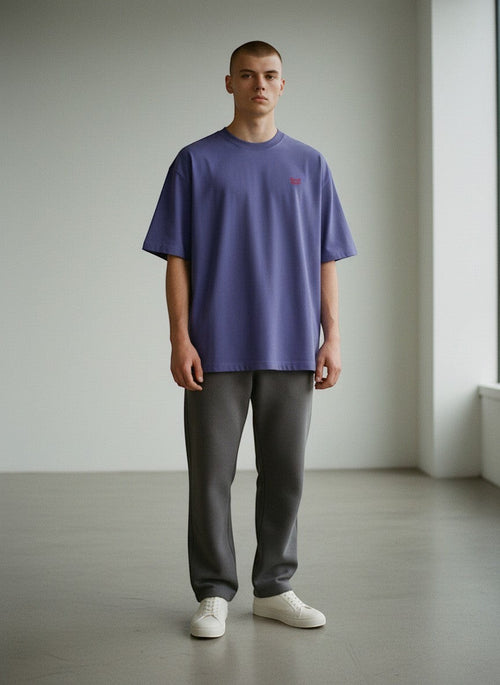
Choose your hoodie according to this GSM guide: 180 to 280 g/m² for lightweight styles, 280 to 320 g/m² for everyday wear, 350 to 400 g/m² for warmth and durability, and over 400 g/m² for a heavyweight look. However, GSM alone does not determine quality. Material and fabric construction also play a role.
Key Findings
The choice of hoodie depends largely on the fabric weight, while material, workmanship, and intended use are crucial for quality and comfort.
| Topic | Details |
|---|---|
| GSM Categories | Hoodies differ broadly by GSM between lightweight, everyday, heavyweight, and ultra-heavyweight, with higher values offering more warmth. |
| Material and Construction Factors | Fiber quality, yarn thickness, knit type, and finish affect the feel and durability of the hoodie regardless of weight. |
| Care Instructions | Proper washing and drying methods extend the life of a hoodie, especially for heavier fabrics from 350 g/m². |
| Comparability and Certifications | Transparent material specifications and certifications such as GOTS make it easier to choose high-quality, sustainable hoodies. |
| BeachBodyz Collection | BeachBodyz offers 400 gsm hoodies made from GOTS-certified organic cotton, with clearly declared material specifications. |
Table of Contents
- What fabric weight means and how it is measured
- GSM categories for hoodies: ranges and uses
- How fabric weight affects comfort, warmth, and durability
- Material and construction: Why GSM alone is not enough
- Practical checklist: How to choose the right hoodie fabric weight
- Brand example: BeachBodyz’ 400gsm hoodies as a practical reference
- Personal preference when choosing fabric weight
- BeachBodyz collection as the next step
- FAQ
- Sources
What fabric weight means and how it is measured
Fabric weight describes the weight of a fabric in grams per square meter. The common abbreviation for this is GSM, from the English "grams per square meter". One square meter of fabric is weighed, and the value is calculated from this. In the USA, the unit oz/yd² is occasionally used, which only serves as a rough guide and is not directly comparable.

Two hoodies with the same fabric weight can still feel completely different. The reason lies in the yarn thickness, knit style, and finishing. An industry glossary on textile finishing classifies typical values as follows: standard hoodies are usually around 280 to 320 g/m², while heavyweight styles start at around 350 g/m².
The following factors change the feel of the same fabric weight:
- Yarn density determines how dense the fabric feels.
- The knit type (loopback, French terry, single jersey) affects stretch and drape.
- Finishing treatments such as brushing or pre-washing noticeably change the feel.
GSM categories for hoodies: ranges and uses
A rough classification helps with initial orientation, even though the boundaries between the categories are fluid.
- Lightweight (approx. 180 to 280 g/m²): These hoodies are suitable for indoor use, light physical activity, and mild transitional days. They are breathable, dry quickly, and feel less heavy.
- Midweight (approx. 280 to 350 g/m²): The classic everyday all-rounder. This range covers most weather conditions and is often referred to as the standard weight for hoodies.
- Heavyweight (approx. 350 to 400 g/m² or more): This creates the dense, structured look that many streetwear brands aim for. These fabrics hold their shape better and provide significantly more warmth.
- Ultra-heavyweight (over 450 g/m²): A special case for a very robust look, rarely used in everyday wear, but popular for collector's items or workwear-inspired designs.
For a streetwear aesthetic, brands often specifically choose higher fabric weights, combined with special yarn density and finishing, to create the so-called "heavy" look, as described in the same industry glossary. If you tend to wear your hoodie in winter, our warmth guide to winter hoodies provides a more in-depth classification of the weight categories.
How fabric weight affects comfort, warmth, and durability
A higher fabric weight usually means more warmth but less air circulation. Lighter fabrics breathe better, but lose some insulation. In a thicker fleece construction, the greater amount of material per area provides noticeably more heat retention, as described in industry texts on fabric weight.
Durability also tends to benefit from a higher fabric weight: denser fabrics are less prone to stretching out and retain their shape longer, as explained in detail in our post on sustainability in the textile industry. The UBA study on ecodesign requirements lists durability as one of the central criteria for sustainable textiles, but emphasizes that testing standards and care instructions are often more meaningful than fabric weight alone.
Other practical effects:
- Heavier fabrics appear more opaque and better conceal seams or pressure marks.
- Lighter hoodies are better suited for layering under a jacket.
- Washing temperature and drying method have a greater impact on lifespan than often assumed.
Pro tip: Wash heavyweight hoodies inside out at 30 degrees and avoid the dryer to preserve their shape longer.
Material and construction: Why GSM alone is not enough
Fabric weight says little about fiber quality. Organic cotton and conventional cotton can have the same fabric weight and still feel different, depending on how the fibers are obtained and the proportion of recycled polyester.
Construction also makes a difference:
- Loopback fabrics are unbrushed on the inside and have a more structured feel, often feeling slightly cooler against the skin.
- Brushed fleece is brushed on the inside and feels warmer and softer.
- Single jersey is thinner and more suitable for lightweight sweatshirts than heavyweight hoodies.
Finishing techniques such as enzyme washing or pre-washing also change the feel, regardless of the fabric weight alone. Manufacturer specifications such as GOTS certification or the exact recycled content provide more guidance here than the weight specification alone, because they prove how and from what the fabric is actually made. Those who want to learn more about care and material quality can find more background information in our guide to hoodie quality and care.
Practical checklist: How to choose the right hoodie fabric weight
A clear sequence of questions makes the decision much easier.
- In which season will the hoodie mainly be worn, during the transitional season or winter?
- Will it be used actively during sports or mainly for everyday wear and relaxation?
- Should it be worn under a jacket or as the outermost layer?
- Is embroidery planned, as thicker fabrics often take embroidery more cleanly?
- Is a slim fit or an oversized fit preferred?
- How often and at what temperature should the garment be washed?
For students and commuters, a midweight style between 280 and 320 g/m² is usually suitable, versatile, and not too warm for indoor use. Outdoor users and people who spend a lot of time out in the cold benefit from heavyweight fabrics from 350 g/m² upwards. Streetwear fans looking for the dense, structured look often choose 400 g/m² or more. As a gift, an all-purpose weight in the middle range that covers most wearing occasions is suitable.
When purchasing, it is also worth taking a look at the label: EU Regulation No. 1007/2011 requires that the fiber composition be permanently indicated in the respective official language. The German Implementation Act further specifies this obligation for the German market.

Brand example: BeachBodyz’ 400gsm hoodies as a practical reference
A streetwear brand offers hoodies with transparently declared fabric weight, for example in an oversized fit at 400 g/m². Such specifications are particularly helpful for comparison, because they show more than just the weight.
What really matters in product data:
- The exact GSM, not just a rough category like "heavy" or "light".
- The exact fiber composition, including the proportion of recycled materials.
- Care instructions that have a direct impact on the lifespan of the fabric.
- Certifications such as GOTS, which prove the origin of the cotton.
Those who want to see a concrete example can find the Identity Oversize Zipper Hoodie with 400gsm as well as the Authentic Oversize Zipper Hoodie with GOTS certification as reference points for this type of labeling.
Personal preference when choosing fabric weight
My personal preference is around 400 g/m². This weight lasts a long time, does not quickly lose its shape, and therefore justifies the higher purchase price in my view. A heavier, but therefore more durable hoodie means buying a new one less often, and that is often the more sustainable decision in the end. Of course, this is my own assessment, not a universal rule.
— Ahmed
BeachBodyz collection as the next step
Those looking for a hoodie with a clearly declared weight of 400gsm will find various models made from GOTS-certified organic cotton, fairly produced and with transparent material specifications.

This makes the selection easier, because you do not have to rely on vague descriptions like "heavy" or "premium":
- The exact fabric weight is listed directly on the product page.
- Oversized fits are available for several models.
- Certifications such as GOTS prove the origin of the cotton.
The entire hoodie collection with 400gsm models can be browsed directly, including information on material and care on every product page.
FAQ
What does "500 gsm" mean for a hoodie?
The specification "500 gsm" describes a fabric weight of 500 grams per square meter. This is significantly above the heavyweight range and is considered one of the very dense, robust fabrics that are rarely found in everyday wear.
How much GSM is good for a hoodie?
For everyday use, a range of 280 to 320 g/m² is considered the usual standard, as described in a textile finishing glossary. Those who want more warmth and a denser look should choose values from 350 g/m² upwards.
Which hoodies have good quality?
Quality is not shown by fabric weight alone, but by fiber type, workmanship, and certification. Hoodies made from GOTS-certified organic cotton with a clearly stated fabric weight, such as those offered by BeachBodyz with its 400gsm models, provide reliable indicators.
How much GSM is good?
It depends on the intended use: 180 to 280 g/m² is suitable for light, warm days, 280 to 320 g/m² for everyday wear, and 350 g/m² or more for cold months and a structured look. There is no blanket answer, as material and cut also determine the result.
What does the EU textile labeling regulate for hoodies?
EU Regulation No. 1007/2011 requires manufacturers to permanently indicate the fiber composition on the label in the respective official language. The German Implementation Act further specifies this obligation for the German market.
Sources
- Regulation (EU) No. 1007/2011 - Labelling of textile products
- UBA Study: Ecodesign requirements for textiles
- Fabric weight & fabric weight (GSM) in textile printing — Magic Stick