Skin-friendly streetwear consists of natural fibers processed with low levels of harmful substances, such as organic cotton or Lyocell, and clean, residue-free manufacturing. This results in a soft feel and significantly less irritation potential than conventionally dyed or treated garments. The key is not only the fiber itself, but the entire chemical management in production, from dyeing to the final treatment. You will learn how to recognize this, which labels help, and what to look for in care and cut in the following sections.
In short:
- High-quality, skin-friendly streetwear consists of organic cotton or Lyocell, which contain fewer residues and are gentle on sensitive skin.
- Labels such as GOTS, IVN Best, or Grüner Knopf guarantee strict substance controls throughout the entire production chain and are usually associated with higher costs.
- Fabric weight (GSM) influences durability and comfort, while stiffer fabrics can be problematic for skin irritation due to rough seams or plastic inserts.
- Before wearing for the first time, additional washes with mild detergent are recommended to remove processing residues and avoid irritation.
- Natural fibers in a loose fit, such as oversized cuts, reduce friction on sensitive skin and are a suitable choice for allergy sufferers.
Table of Contents
- Which materials are really skin-friendly?
- Labels and certification marks: How can I recognize skin-friendly, sustainable clothing?
- Fabric weight, processing, and hidden sources of irritation
- Care, first wash, and everyday wear: How to keep streetwear skin-friendly
- Style, cuts, and everyday suitability: How to combine skin-friendly streetwear
- Brand perspective: BeachBodyz and the implementation of skin-friendly streetwear
- Recommendations for sensitive skin types
- Differences between skin-friendly streetwear and conventional fashion
- Effects of dyes and their skin compatibility
- Recognizing and avoiding irritating materials and processing
- Examples and brands that offer particularly skin-friendly streetwear
- Why style and skin compatibility go together
- Discover skin-friendly bestsellers from BeachBodyz
- Sources
- FAQ
Which materials are really skin-friendly?
GOTS-certified organic cotton generally contains fewer residues from cultivation and processing than conventional cotton and feels noticeably softer on sensitive skin. What matters is: the processing steps after harvest also determine whether a truly skin-friendly product is created, not the fiber alone.
Lyocell, often known by the brand name Tencel, scores points with a smooth feel and the ability to absorb and release moisture evenly. Especially in the Berlin streetwear scene, smaller labels are increasingly relying on such fibers because they chafe less during everyday wear than coarsely woven cotton.
Recycled materials such as recycled polyester conserve resources, but come with a trade-off: depending on the processing, the feel may be somewhat cooler or less soft than that of natural fibers. For sports functions, synthetics are still often useful, for example in wind jackets. Here, it pays to look at the inside:
- Is the lining made of cotton or Lyocell instead of sitting directly on the skin?
- Is there an indication of tested substance-free treatment?
- Does the fabric look finely woven or coarse and stiff in the product image?
Labels and certification marks: How can I recognize skin-friendly, sustainable clothing?
GOTS not only tests whether organic cotton is grown in the field, but also monitors the entire textile chain. The standard prohibits over 90% of the problematic chemicals commonly used in conventional textile production, including azo dyes and formaldehyde, and was tightened with Version 8.0 in 2026. For the skin, this means: fewer residual solvents, fewer allergenic dye residues, and less risk of contact irritation.
IVN Best is even stricter in some respects than GOTS, for example in the selection of dyes, but covers a smaller part of the market. The Grüner Knopf, on the other hand, is a meta-label that requires GOTS or similar certifications as a basis and tests additional company criteria.
This is how you check a garment in practice:
- Search the label and product page for GOTS, IVN Best, or Grüner Knopf.
- If no label is present, look for information on tested substance-free processing.
- Check the origin and country of production; EU manufacturing is usually more transparently documented.
- Read other buyers' reviews on comfort and skin reactions.
Certified goods are often 20 to 40% more expensive, but they often last longer, which relativizes the cost over the useful life.
Fabric weight, processing, and hidden sources of irritation
The fabric weight, given in grams per square meter (GSM), indicates how densely and heavily a fabric is woven or knitted. A hoodie with 350 GSM feels more robust than one with 180 GSM and usually withstands wash cycles better because the fabric thins out or pills less quickly.
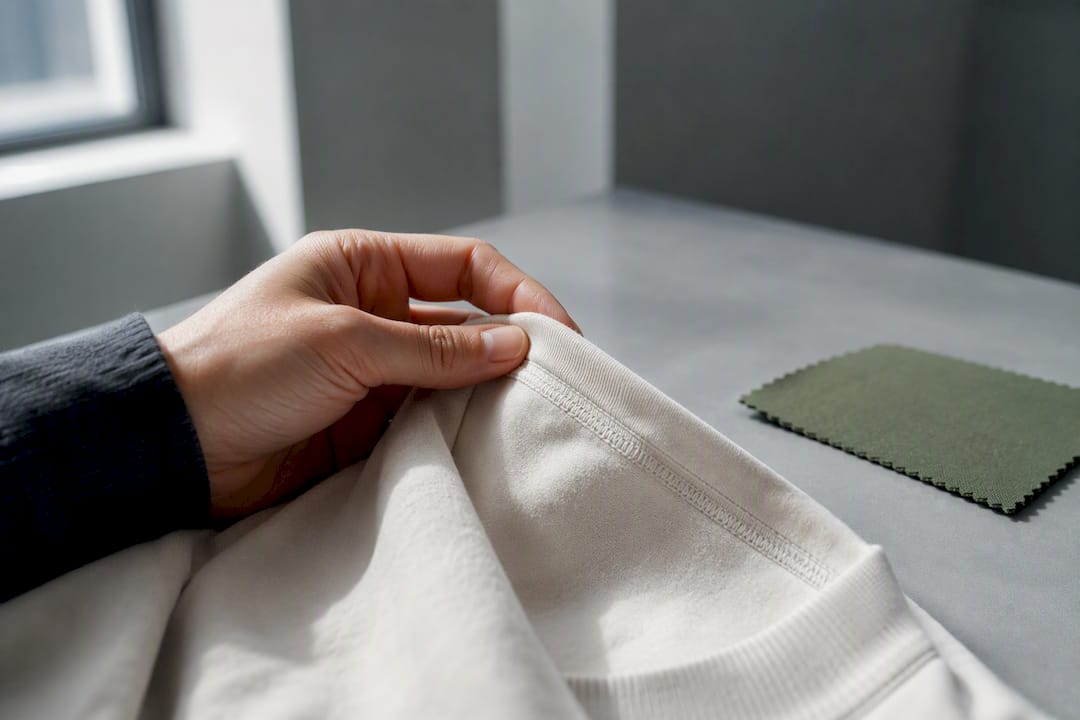
But fabric weight alone is not enough. Skin compatibility depends heavily on the chemical treatment and processing details, such as stiff inner seams, printed labels, or hard plastic inserts in the collar area. These are exactly the areas that chafe the most during movement.
Pro tip: Pay close attention to the inside of collars and cuffs in product images. A woven-in label instead of a printed one is a small but reliable sign of thoughtful processing.
The GSM guide to winter hoodies explains in detail how different GSM values affect warmth and the wearing experience.
Care, first wash, and everyday wear: How to keep streetwear skin-friendly
Before wearing for the first time, an additional rinse with mild, fragrance-free detergent is worthwhile. This removes processing residues that can still be present in traces even in certified goods.
- Completely omit fabric softeners and scented additives for sensitive skin, as they leave a film that promotes irritation.
- Wash dark and light pieces separately at a maximum of 30 to 40 degrees, which protects both color and fibers equally.
- Use laundry bags for pieces with embroidery or appliqués to prevent distortion at the seams.
- Choose a low spin speed, as this reduces mechanical stress on heavier cotton qualities.
Who follows this routine preserves both the softness of the fiber and the fit over many washes.
Style, cuts, and everyday suitability: How to combine skin-friendly streetwear
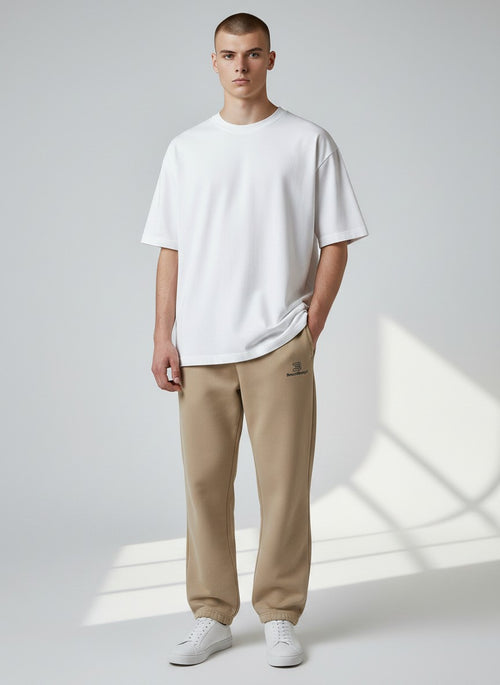
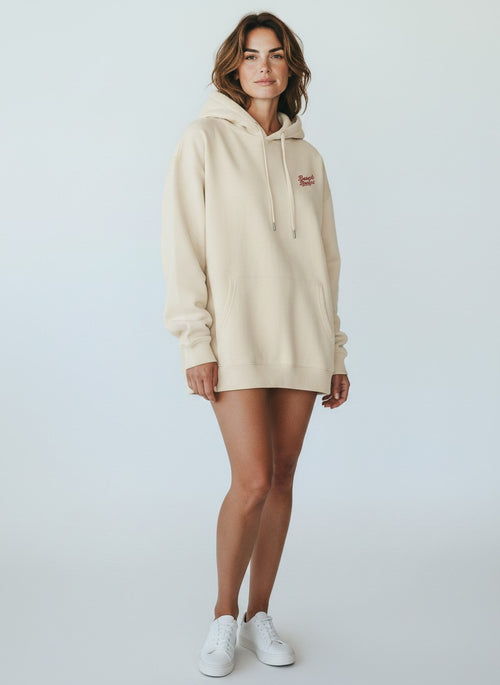
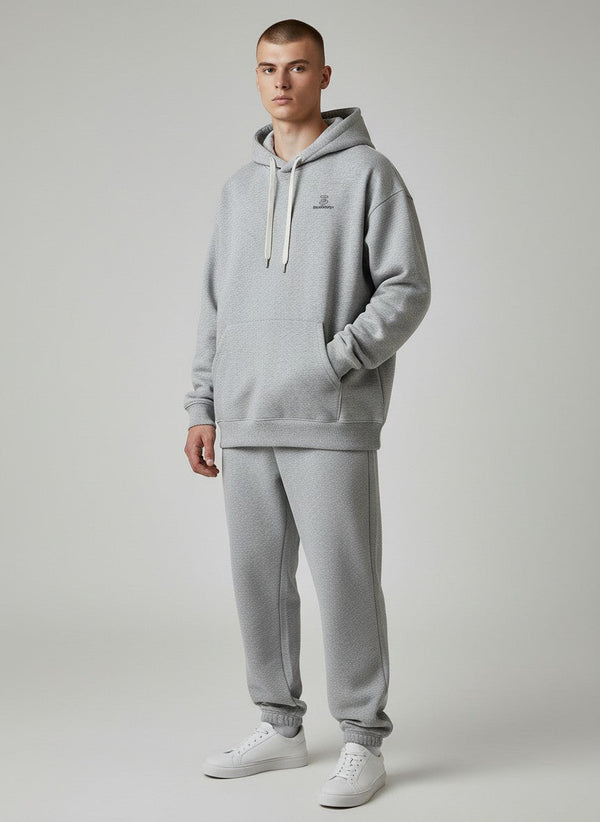
Oversized cuts sit more loosely on the skin and reduce friction, especially at the shoulders and waist, where tight clothing chafes more often. This makes them an obvious choice for anyone who cares about skin compatibility without having to give up a current look.
- Wear a natural-based base layer made of organic cotton or Lyocell directly on the skin, and put a jacket made of functional material over it.
- Combine GOTS shirts as an intermediate layer under windproof jackets, so only the skin-friendly fabric remains in direct contact.
- Choose jogging pants with a high cotton content for sports days, and a heavier sweatshirt with an oversized cut for leisure.
This keeps the material mix functional without synthetic fabrics sitting directly on irritated skin.
Brand perspective: BeachBodyz and the implementation of skin-friendly streetwear
BeachBodyz processes organic cotton and recycled materials and has them fairly produced in the EU. This combination is not yet a given in streetwear; many labels still rely on uncertified cotton for cost reasons.
An oversized sweatshirt with a fabric weight of 320 grams shows how much weight processing has besides the choice of fiber: heavier, densely woven cotton moves less when worn, rubs less against seams, and therefore appears more skin-friendly in everyday wear than thinner mass-market goods.
For customers with sensitive skin, this exact combination of certification and fabric weight counts for more than a pure marketing promise.
Recommendations for sensitive skin types
With neurodermatitis or psoriasis, the skin often reacts to even the slightest irritation factors; rough seam edges, synthetic fibers with low breathability, or chemical residue treatments can promote flare-ups. No certification provides a universal guarantee, but certified organic cotton demonstrably offers more safety than uncertified goods, although it does not replace a medical assessment.
For these skin types, it pays to take a systematic look at three points. First, the material base: organic cotton or Lyocell instead of blended fabrics with a high elastane or polyester content in areas in contact with the skin. Second, the seam construction: flat-sewn seams instead of applied, thick flat-felled seams, especially at the armpits and waistband. Third, the labeling: woven-in labels instead of printed or sewn-on labels in the neck, where it chafes most often.

Those prone to flare-ups should generally wash new garments before wearing them for the first time and initially wear them briefly for testing before using them all day. Loose, breathable cuts also help because they reduce heat buildup and sweating, a known trigger for itching in inflammatory skin. Sweat-tolerant fashion with a high natural fiber content also absorbs moisture better than purely synthetic fabrics and dries more evenly instead of trapping it on the skin.
Differences between skin-friendly streetwear and conventional fashion
The central difference rarely lies in the visible appearance, but in the production chain behind it. Conventional fast fashion is often dyed and treated under time and cost pressure, whereby chemical limits are formally met but not checked with additional testing by independent certifiers such as GOTS.
With certified, skin-friendly streetwear, every batch undergoes documented checks along the supply chain, from the raw cotton field to the finished sewing factory. This significantly reduces the probability of contact allergies caused by azo dyes, formaldehyde resins, or optical brighteners, even if no certification can guarantee one hundred percent freedom from complaints.
Another difference concerns the material composition itself. Conventional streetwear often mixes cotton with high proportions of polyester or elastane to reduce production costs and create a tighter fit. In contrast, allergy-friendly clothing usually relies on high natural fiber content of 95% or more, combined with low-substance treatment. For people with known contact allergies or generally sensitive skin, this difference is often more noticeable than any marketing statement about sustainability.
Effects of dyes and their skin compatibility
Not every color is equally harmless. Azo dyes, which are still partially used in conventional textile dyeing, can release carcinogenic aromatic amines under certain conditions and are suspected of triggering skin irritation and contact allergies. GOTS and comparable standards consistently prohibit this group of substances, which is one of the main reasons why certified clothing is considered more skin-friendly.
Darker, very saturated colors generally require more dye and more often additional fixing agents to remain wash- and rub-fast. This statistically increases the risk of residues that can lead to irritation in very sensitive skin. Natural tones, muted colors, and solid pieces without elaborate gradients are usually the simpler choice from a skin compatibility perspective, without automatically having to look boring.
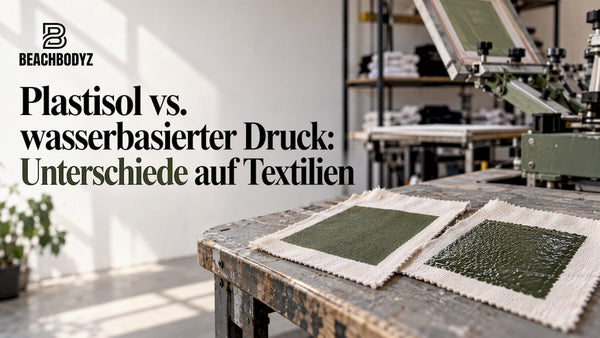
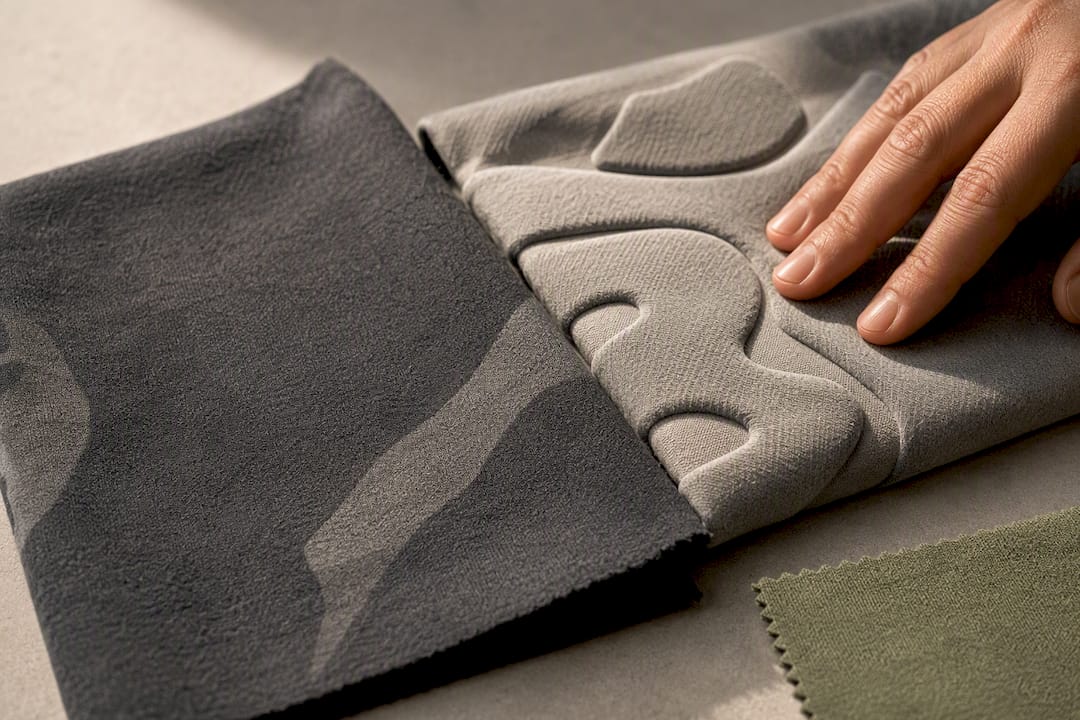
Prints also play a role. Large-area plastisol prints often sit thickly and with little breathability on the fabric and can lead to heat buildup in direct skin contact, for example on the back of a T-shirt. Water-based prints or embroideries with certified yarn are usually the more skin-friendly alternative here because they adapt to the structure of the fabric instead of forming a closed layer.
Recognizing and avoiding irritating materials and processing
Who cannot touch when buying online must pay attention to other signals. Product descriptions that provide concrete information on fiber blend, fabric weight, and certification are usually more reliable than vague formulations like "premium quality" without further explanation.
A simple comparison often shows a lot: guides to heavy cotton qualities describe what to look for in fabric weight and purchasing, such as uniform weave density instead of thin areas that indicate inferior raw material.
You should keep the following warning signs in mind:
- Missing information on fiber composition or only vague percentages without a breakdown.
- Printed instead of woven care instructions, often a sign of very cheap mass production.
- Very low price combined with advertised organic quality; these rarely go together.
- Customer reviews that repeatedly mention itching, a smell after unpacking, or quickly losing shape.
The criteria for eco-friendly graphic tees also provide useful guidance, especially for printed streetwear items that are visually difficult to distinguish from fast fashion.
Examples and brands offering particularly skin-friendly streetwear
The sustainable streetwear market has grown noticeably in recent years, with many smaller labels now focusing on certified fibers rather than pure aesthetics. This is particularly evident in the Berlin scene: micro-labels are increasingly using high-quality blank textiles as a base for hoodies and sweatshirts instead of relying on conventional cotton from the Far East.
Established natural textile brands like Hess Natur additionally document their supply chain through independent testing bodies such as Fair Wear, which, in addition to raw material certification, provides a complementary signal of trust for social standards in production. Such double checks, ecological via GOTS and social via Fair Wear, are still rare among streetwear labels but are increasingly becoming a distinguishing feature.
In this environment, a brand positions itself with organic cotton, recycled material content, and fair production in the EU, combined with oversized cuts that deliberately focus on streetwear aesthetics rather than a classic eco-look. Those looking for fashionable allergy-friendly wear do not necessarily have to make stylistic compromises. Further information on recycled materials and their advantages and disadvantages is provided in the guide to recycled materials in streetwear.
Why style and skin compatibility go together
The idea that sustainable or skin-friendly fashion has to look shapeless or inconspicuous persists stubbornly, but is simply outdated. Those who opt for organic cotton or Lyocell today often wear the more comfortable, longer-lasting pieces, not the compromised ones. Responsibility lies on both sides: brands must take chemical management seriously, while buyers should actually read labels and seals instead of ignoring them.
— Ahmed
Discover skin-friendly bestsellers from Beachbodyz
There are alternatives to fast-fashion streetwear for everyone who does not want to trade style for skin compatibility: organic cotton, recycled material content, and fair production in the EU instead of anonymous mass-produced goods without traceability.
The oversized sweatshirt with a fabric weight of 350 grams per square meter is particularly in demand, which, thanks to the high fabric density, chafes less at the seams and still feels soft even after many washes. For everyday wear, the hoodie from the current collection is also suitable, while for lighter days, the oversized T-shirt made of pure organic cotton is ideal. You can find care instructions and size charts directly on the respective product pages in the shop. Browse the sweatshirt collection and find the model that suits your skin and style.
Sources
- GOTS Certification: Standard, Criteria and GOTS Seal at a Glance | greenya
- From Neighborhood Collective to Eco-Label: How Organic Hoodies Are Conquering Berlin's Streetwear Scene
- Sustainable Living
- Is Organic Cotton Better? Sustainability and Quality Explained | gentlepk
FAQ
What does "Gib Rillé" mean in streetwear?
"Gib Rillé" is a colloquial expression from youth slang that means something like "step on it" or "do it properly" and has no direct connection to material quality or skin compatibility. In streetwear contexts, the term appears more as a slogan print or community slang, not as a technical term for fabrics.
Which brands do teenagers wear today?
Teenagers often combine major international sports brands with smaller, sustainability-oriented labels that focus on organic cotton and fair production. Some brands offer oversized cuts and GOTS-certified materials to bridge the gap between trends and responsibility.
Is streetwear fundamentally skin-friendly?
No, it depends entirely on the material used and the processing, not on the style itself. An oversized hoodie made of uncertified cotton with chemical treatment can be just as irritating as tight fast fashion, while certified streetwear with GOTS or IVN Best is produced with significantly fewer harmful substances.
What are the largest German streetwear brands?
The German streetwear market includes both large commercial labels and growing sustainable providers that are increasingly gaining market share. There are brands that specifically position sustainable streetwear with GOTS-certified materials and fair EU production instead of offering pure trend items.
How much does skin-friendly streetwear from Beachbodyz cost?
Prices vary depending on the product category: an oversized T-shirt costs 45 US dollars, while a hoodie costs between 66 and 78 US dollars. You can find current prices and availability for all collections directly in the online shop.