Fair fashion labels explained – in this guide, we unravel the label labyrinth of 2026. You will learn what lies behind the most important certificates, how to identify greenwashing, and which labels truly match your standards. As a premium streetwear brand with a MADE IN EU focus, BeachBodyz is BUILT DIFFERENT: We rely on tested materials, transparent supply chains, and high-quality craftsmanship. From organic cotton and recycled fibers to OEKO-TEX 100 – we show how standards work in everyday products and what they actually mean. Fair fashion labels explained means: diving deep, examining critically, and making better decisions.
🔥 Tip: Fairly certified and heavy-weight fabric
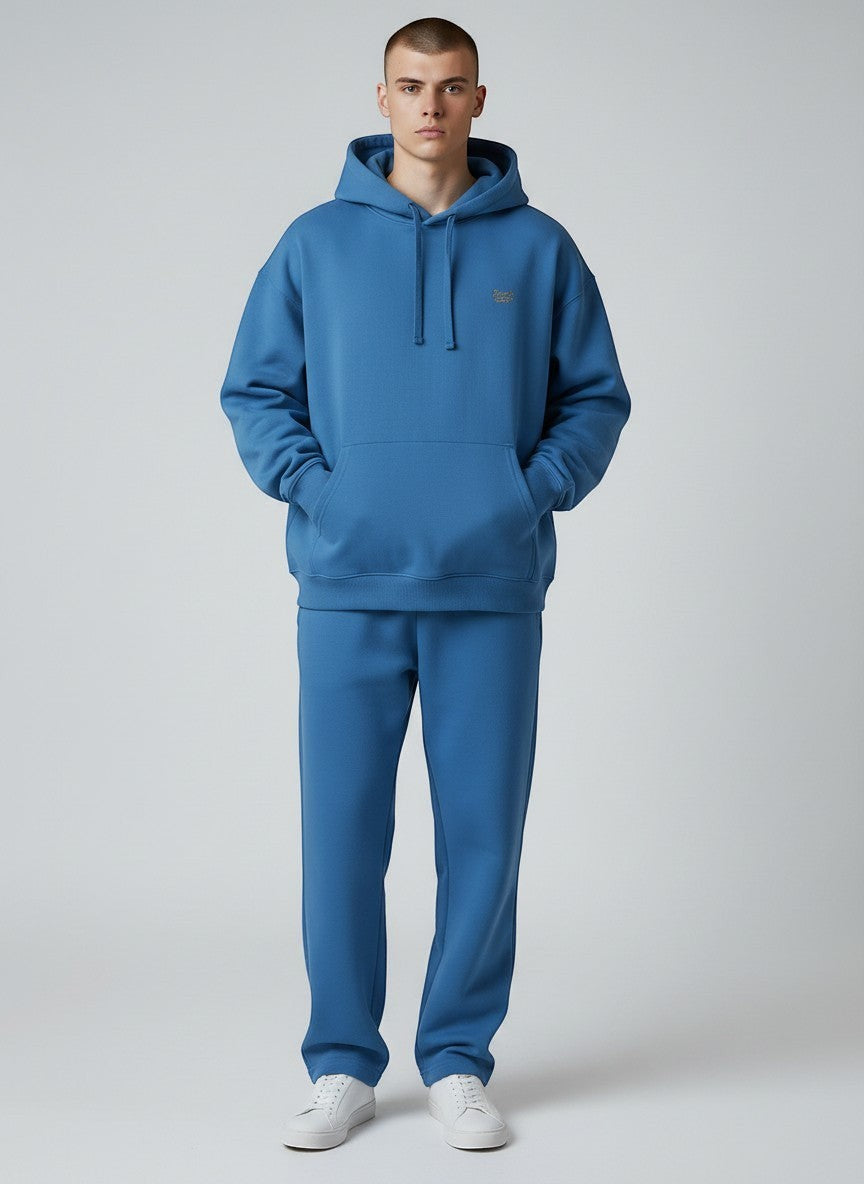
Want organic cotton in heavy quality? Our Monster Oversize Sweatpants 320g/m² match a conscious style and maximum comfort.
Discover now →Fair Fashion labels explained: Why labels matter today
When we think "fair fashion labels explained," it’s about finding orientation in an overabundance of choices. In 2026, fashion is global, fast, complex – and often opaque. Labels help make minimum standards and best practices visible. They define clear criteria (e.g., chemical bans, social standards, traceability) and require independent audits. However, a label is no substitute for a critical eye. The "MADE IN EU" promise, for example, stands for regional production, stricter regulations, and shorter transport routes – but here too, a second look at specific factories, wages, and chemical management is worth it. Fair fashion labels explained means understanding the language of certificates instead of just collecting logos.
Labels can be roughly divided into three areas: material-focused (e.g., organic fiber standards), socially-focused (e.g., labor rights, wages), and process-focused (e.g., chemical management, emissions). Some, like GOTS, cover multiple areas. Others, like OEKO-TEX Standard 100, focus on the absence of harmful substances in the end product, while others, like Fair Wear, focus on working conditions in sewing facilities. Therefore, fair fashion labels explained also means adjusting expectations. A label is not a universal pass – it shows in which area a product has been tested.
For a premium streetwear brand like BeachBodyz, which thinks "BUILT DIFFERENT," standards are an integral part of product development. When you browse our Shop by Product overview, you will find consciously curated essentials that are designed to be functional and responsible. For example: The Core Softshell Jacket | 100 shows how we combine performance with verified material health. MADE IN EU, robust workmanship, clear certificates – fair fashion labels explained, but also lived.
Fair Fashion labels explained: An overview of the most important textile labels in 2026
To make "fair fashion labels explained" practical, we look at the most relevant standards in the streetwear context. This list is not exhaustive, but it covers those labels you will see most frequently on product pages, hangtags, or collections in 2026 – including their strengths and limitations.
GOTS – Global Organic Textile Standard
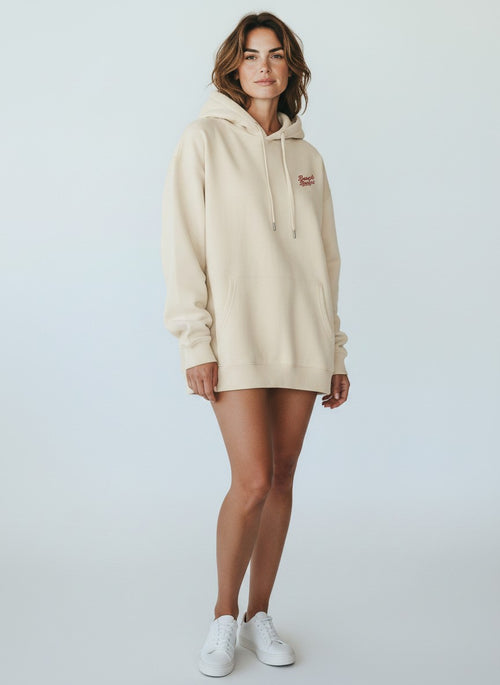
GOTS is the world's leading standard for textiles made from certified organic fibers. Key points: minimum percentage of organic cotton (e.g., 70% or 95%), comprehensive catalogue of banned chemicals, wastewater and environmental management, and social criteria (including ILO core labor standards). GOTS checks the entire supply chain ("chain of custody") – from field to finished product. This makes GOTS particularly strong for streetwear essentials. BeachBodyz specifically relies on organic cotton for hoodies and tees, e.g., in the Signature Oversize Zipper Hoodie 400g/m² | Organic Cotton GOTS, which makes the benefits clearly palpable: feel, durability, clean chemistry. Fair fashion labels explained: GOTS combines material and process requirements at a high level.
Fairtrade Textile Standard
Fairtrade in the textile sector addresses the stabilization of fair wages and labor rights along the textile chain, including timelines for living wages. Its strength lies in the social dimension: worker participation, grievance mechanisms, and training. For end customers, it is a signal that fairness is thought of beyond the raw materials. Limitations: Not every product can be completely Fairtrade-certified – sometimes raw materials are Fairtrade, sometimes processes. Nevertheless, it is an important social pillar when we look at fair fashion labels explained comprehensively.
Fair Wear
Fair Wear is a non-profit initiative that focuses on sewing facilities. Brands are evaluated annually (Brand Performance Checks) and must demonstrate improvements – for example, regarding working hours, grievance channels, or wage development. For you as a buyer, this means: A Fair Wear member is actively committed to better working conditions in garment manufacturing. Fair fashion labels explained: Fair Wear checks brand behavior and factory practices, less so material chemistry.
OEKO-TEX – Standard 100 and MADE IN GREEN
OEKO-TEX Standard 100 tests end products for parameters relevant to harmful substances. For everyday life, this means: items worn close to the skin, such as T-shirts, hoodies, or fleece, are tested against defined limit values. MADE IN GREEN combines this product safety with traceability and production under environmentally and socially friendly conditions. BeachBodyz shows examples like the Core Fleece Jacket | Recycled Polyester or the Signature Softshell Jacket | 100. Fair fashion labels explained: OEKO-TEX is your shortcut to verified low-pollutant textiles.
bluesign
bluesign is process- and chemical-focused. It emphasizes input stream management: only approved chemicals may be used, and environmental performance indicators (water, energy, emissions) are actively managed. This is particularly relevant for performance streetwear like softshells. When we think of fair fashion labels explained holistically, bluesign is the industry standard for "clean chemistry." Not every end product carries the label; often it is certified ingredients or production steps – the clean chain is what matters.
PETA-Approved Vegan
This label identifies products without animal-derived components. In the streetwear context: no wool, no leather, no animal-based adhesives. It addresses ethical and partly ecological aspects (e.g., methane emissions from livestock). Fair fashion labels explained: Vegan does not automatically mean fair – the chemical and social dimension must be checked separately.
Cradle to Cradle Certified
Cradle to Cradle evaluates circular product design in five categories (material health, circularity, renewable energy, water, social fairness). Still demanding in textiles, but a future compass. In 2026, the topic of circular streetwear is gaining realism through EU debates on the Digital Product Passport. Fair fashion labels explained: C2C shows the path to "Design for Disassembly" – not yet mainstream, but pioneering.
Fair Fashion labels explained: Criteria, audits, and transparency
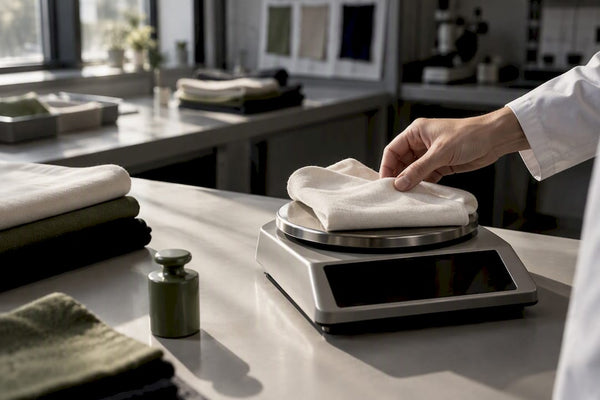
Fair fashion labels explained only works if we look at how standards deliver on their promises. Three factors are decisive: clear criteria, credible audits, and traceable chain of custody. Criteria define what is "good" – for example, a ban on certain azo dyes, incentives for wastewater recycling, or minimum wages. Audits verify that criteria are met. Traceability (Chain of Custody) proves that your specific hoodie batch comes from certified raw materials and processes.
Example GOTS: Every step – ginning, spinning, knitting, dyeing, assembly – must be performed by a certified facility. Transaction certificates accompany the goods. With OEKO-TEX Standard 100, laboratory tests on the end product are the focus. Fair Wear systematically evaluates the brand, its purchasing practices, and improvement processes in factories. Fair fashion labels explained: different labels, different audit paths – you need the right mix.
Transparency is growing through digital tools: QR codes on hangtags, label check portals (e.g., OEKO-TEX Label Check), and published audit summaries. In practice, this means: you can check a certificate number, you see production countries, and sometimes factories. MADE IN EU contributes to this because production takes place closer to the market and European regulation (e.g., chemicals law REACH, due diligence obligations) sharpens the foundation. BeachBodyz uses this framework to combine performance and responsibility in collections like the Signature Drop and the Essential Drop – BUILT DIFFERENT is not just a claim here, but a process.
Fair wages and working hours are complex. Even in EU locations, there are tensions. That is why the combination of labels, transparency, and active brand work is crucial. Our products, such as the Authentic Oversize Zipper Hoodie 400g/m² | Organic Cotton or the Form Oversize Joggingpants 320g/m² | Organic Cotton, show how material and process quality converge. Fair fashion labels explained – and consistently applied.
| Criterion | GOTS | OEKO-TEX Standard 100 |
|---|---|---|
| Focus | Organic fibers, chemistry, environment, social | Harmful substance test in the end product |
| Chain | Entire supply chain certified | No full chain-of-custody |
| Social criteria | Yes, ILO core standards integrated | Not the primary focus |
| Practical use | Holistic for organic cotton streetwear | Quick safety-check label |
🔥 Performance meets responsibility
Light, weatherproof, tested: The Motion Softshell Jacket | Oeko-Tex 100 shows how performance and clean chemistry go together – ideal for urban layering looks.
Discover now →Comparison: Material, social, and process labels – what fits you?
Fair fashion labels explained becomes concrete when we match your needs with the label's profile. Ask yourself: are you primarily concerned with skin tolerance, fair wages, biodiversity, clean wastewater – or a solid combination? For streetwear lovers who want robust hoodies and tees, GOTS is a strong default because material quality, chemistry, and minimum social standards come together. If you have sensitive skin or are looking for children's clothing, OEKO-TEX Standard 100 is a solid basic safeguard. Particularly socially committed? Then look for Fair Wear memberships or the Fairtrade Textile Standard – there, factory practice is addressed particularly transparently.
In performance segments (softshell, fleece), process-focused labels like bluesign make sense because they steer chemicals from the moment they enter the production cycle. MADE IN EU can additionally support your CO₂ and supply chain risk priorities because transport is shorter and compliance with EU environmental and social legislation is easier to verify. BeachBodyz combines these points in everyday life: The Core Softshell Jacket | 100 and the Signature Softshell Jacket | 100 show how we balance technical quality with verified material health. BUILT DIFFERENT – not just in the silhouette, but also in responsibility.
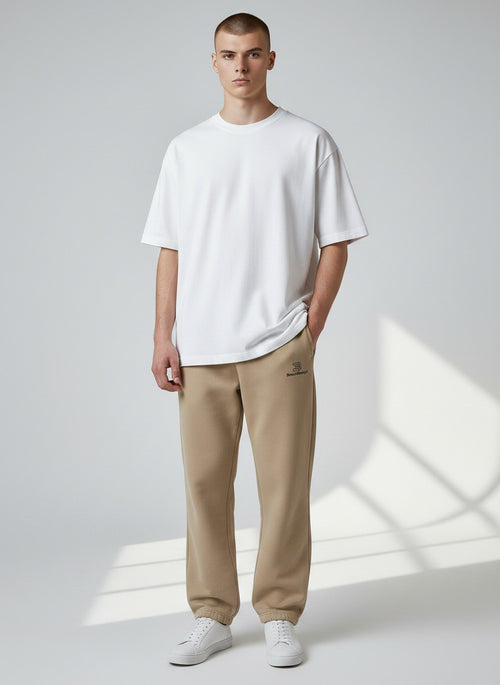
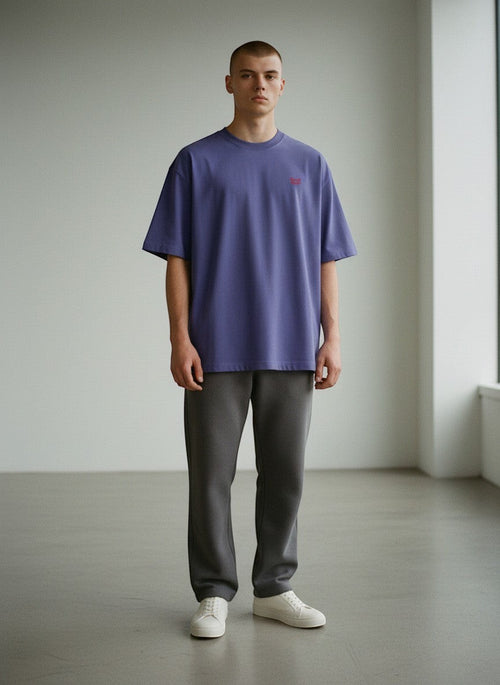
Concrete style transfer: Combine the Monster Oversize T-Shirt 180g/m² | Organic Cotton with the Original Oversize Joggingpants 320g/m² | Organic Cotton from our Joggingpants selection for an all-day fit with an organic focus. Need a jacket on top? The Core Fleece Jacket | Recycled Polyester or the Identity Fleece Jacket | Recycled Polyester provide warmth based on recycled fibers. Fair fashion labels explained: Material, social, and process labels are building blocks – the mix is what counts.
Practical check: How to check labels, product pages, and numbers
Fair fashion labels explained is only as good in everyday life as your ability to verify the information. Therefore, a practical kit for 2026: 1) Label Check. Reputable labels can be checked online – OEKO-TEX has a label checker, GOTS certificates are verifiable via license numbers. 2) Chain-of-Custody. If "GOTS" is on it, ask: Does the brand have a valid scope certificate? Are there transaction certificates for the production run? 3) Factory info: Brands that take work seriously publish production countries and factory lists or at least audit summaries. 4) Chemical transparency: Look for references to RSL (Restricted Substances List) and wastewater management.
On BeachBodyz product pages, you will find this information integrated. Example: The Authentic Oversize Zipper Hoodie 400g/m² | Organic Cotton or the Monster Oversize Zipper Hoodie 400g/m² | Organic Cotton provide clarity on the fiber base and weight – for fans of heavy qualities in the Sweatshirts collection. For performance textiles, look for OEKO-TEX or bluesign references, as with the Core Softshell Jacket | Oeko-Tex 100. Fair fashion labels explained: Transparency is measurable – and visible certificate numbers are worth their weight in gold.
One more pro tip: Look for consistency. If an item is "vegan" and "recycled" but provides no information on chemicals or processing, ask why. Reputable brands link statements with data points. MADE IN EU can support your research – shorter supply chains increase the likelihood of reliable information and compliance. In our drops – the clean Essential Drop, the clear Identity Drop, or the tonal Silence Drop – we rely on communication that fulfills the "BUILT DIFFERENT" claim and makes fair fashion labels explained concrete.
Fair Fashion labels explained: Greenwashing, costs, and limits
Fair fashion labels explained would be incomplete without the critical sides. Labels cost money – certification, audits, documentation. For small labels, this can be a hurdle even if they work fairly. Conversely, companies can use labels strategically to "green" partial areas while leaving big levers untouched. Greenwashing red flags: vague terms ("eco", "natural"), missing test numbers, no independent audits, purely self-imposed commitments without timelines. A single label is no halo – the sum of labels, data, and action counts.
In 2026, EU regulations are moving closer to practice: Green Claims rules require verifiable environmental statements, and due diligence obligations demand risk management in supply chains. MADE IN EU is no free pass here, but a quality framework with stricter basics. For you, this means: Labels help exceed legal minimum requirements and set benchmarks. BeachBodyz combines this framework with product quality you can feel – in pieces like the Essential Oversize T-Shirt 180g/m² | Organic Cotton or the Original Oversize Joggingpants 320g/m² | Organic Cotton. Fair fashion labels explained: stay critical, but recognize their value as a guide.
The supply chain is also changing: Recycled polyester fibers in fleece jackets like the Identity Fleece Jacket | Recycled Polyester save fossil resources, but they must be processed cleanly (addressing microplastic emissions). Chemical standards like OEKO-TEX or bluesign are therefore more than just a logo – they show that processes are managed seriously. For us, BUILT DIFFERENT means: strong materials, clear standards, honest communication – fair fashion labels explained applied to streetwear.
BeachBodyz Perspective: MADE IN EU Streetwear, BUILT DIFFERENT
For us as a premium label, fair fashion labels explained is more than content – it is product strategy. MADE IN EU means: short distances, tighter quality control, compliance with EU standards. Our outerwear demonstrates this in practice: the streetwear jackets feature a strong silhouette and durable construction. Softshells like the Core Softshell Jacket | 100 and the Signature Softshell Jacket | 100 combine weather performance with verified product safety. In fleeces, we rely on recycling – see Core Fleece Jacket | Recycled Polyester and Identity Fleece Jacket | Recycled Polyester.
In the heavyweight segment, our essentials provide the durability you expect: the Signature Oversize Zipper Hoodie 400gsm | Organic Cotton, the Authentic Oversize Zipper Hoodie 400gsm | Organic Cotton, and the Monster Oversize T-Shirt 180gsm | Organic Cotton. For your fit game: complete it with the Form Oversize Sweatpants 320gsm | Organic Cotton or the Original Oversize Sweatpants 320gsm | Organic Cotton. Check out our curated lines – Essential Drop, Identity Drop, Silence Drop – or filter by what really moves you forward in Shop by Product.
For BeachBodyz, fair fashion labels explained means: using standards to make quality visible, not to hide it. MADE IN EU plus and OEKO-TEX 100 create a framework that fits streetwear: durable, functional, responsible. BUILT DIFFERENT is our promise to build collections so that you feel what is behind them every day – in the texture of your hoodie, in the clean finish of your softshell, in the reassuring certainty that we are doing our homework.
🔥 Cozy & Clean: Recycled Warmth
The Silence Fleece Jacket | Recycled Polyester provides soft comfort with responsibility – perfect for layering over organic tees and under softshells.
Discover now →Conclusion: Fair Fashion Labels Explained – Your Compass for 2026
Fair fashion labels explained is not an end in itself, but your compass in everyday streetwear. Labels provide orientation when you know what they stand for: GOTS for holistic organic quality, OEKO-TEX for product safety, Fair Wear and Fairtrade for the social axis, bluesign for clean processes, C2C as a vision of the future. MADE IN EU provides the regulatory framework and shorter distances, but does not replace independent testing. All in all, this creates a picture that makes decisions easier.
As BeachBodyz, we put this compass into practice: heavyweight hoodies and tees made of organic cotton, recycled fleece layers, softshells with OEKO-TEX 100 – built with ambition, worn with attitude. BUILT DIFFERENT is our way of not just designing fashion, but building it responsibly. Take this guide with you, check labels, question claims, and find the mix that works for you. Fair fashion labels explained – and your style has substance.
🔥 Your Next Conscious Move
Make a statement with weight: The Monster Oversize Sweatpants 320gsm made from organic cotton bring comfort, style, and responsibility together.
Discover now →Frequently Asked Questions about Fair Fashion Labels
Which fair fashion labels explained benefit streetwear buyers the most in 2026?
For streetwear, GOTS (organic fiber + chemicals + social criteria), OEKO-TEX Standard 100 (product safety), and Fair Wear (working conditions in sewing factories) are particularly relevant. bluesign is strong for performance processes (softshell, fleece). The combination of these labels covers material health, social responsibility, and clean production. MADE IN EU complements the set by introducing short distances and stricter regulation.
How can I check certificates and numbers of fair fashion labels online?
Reputable labels offer online checks: OEKO-TEX Label Check verifies certificate numbers; GOTS license numbers can be checked against the public database. Look for scope and transaction certificates for GOTS, published audit reports for Fair Wear, and traceable supply chain info on product pages. Missing check numbers are a warning sign.
Is "MADE IN EU" a substitute for fair fashion labels explained standards?
No. MADE IN EU stands for production in Europe, stricter regulation, and often better control, but it does not replace independent certificates. Labels prove specific achievements (organic fiber, chemistry, social standards) that go beyond minimum legal requirements. The optimal solution is the combination: European manufacturing plus matching certificates like GOTS or OEKO-TEX.
How do I recognize greenwashing in fair fashion labels explained information?
Warning signs: vague terms like "eco" without data, no check numbers, labels that only cover partial areas being sold as a panacea, or missing independent audits. Reputable brands mention standards, link to tests, explain limitations, and show progress plans. If doubts remain: asking questions is worth it.
Which BeachBodyz pieces combine style with fair fashion labels explained?
For organic heavyweights: Signature Oversize Zipper Hoodie 400gsm | Organic Cotton, Authentic Oversize Zipper Hoodie 400gsm | Organic Cotton, Essential Oversize T-Shirt 180gsm | Organic Cotton. For performance: Core Softshell Jacket | Oeko-Tex 100 and Signature Softshell Jacket | Oeko-Tex 100. For recycled warmth: Core Fleece Jacket | Recycled Polyester.
How do I combine fair fashion labels explained with durable styling?
Focus on robust, timeless cuts and high-quality fabric weights. Heavyweight hoodies (400gsm) and 180gsm tees hold their shape and hand-feel. Complement with tested softshells and recycled fleeces for layering. Use collections like Essential Drop and Signature Drop to build looks modularly – fewer pieces, more usage.