Eco-Friendly Fabric Choices: Sustainable fabrics for a better future
In an era of steadily increasing environmental awareness, the choice of sustainable fabrics is becoming ever more important in the fashion industry. Eco-Friendly Fabric Choices are not just a trend, but an urgent necessity to reduce the environmental impact of textile production while ensuring stylish and durable garments. At BEACHBODYZ, we focus on the highest quality and sustainability – MADE IN EU and BUILT DIFFERENT – to offer you fashion that is both fashionable and environmentally compatible. In this detailed post, we examine the various sustainable fabric options, their advantages and challenges, and provide you with concrete tips on how to shop consciously.
Introduction: Why sustainable fabrics are so important
The fashion industry is one of the most environmentally harmful industries worldwide. The production of conventional textiles, especially synthetic fabrics and conventionally grown natural fibers, consumes enormous amounts of water, energy, and chemicals – with significant impacts on soil, water bodies, and the health of workers and consumers. Sustainable fabrics aim to change this cycle and offer ecologically compatible alternatives that conserve our resources in the long term.
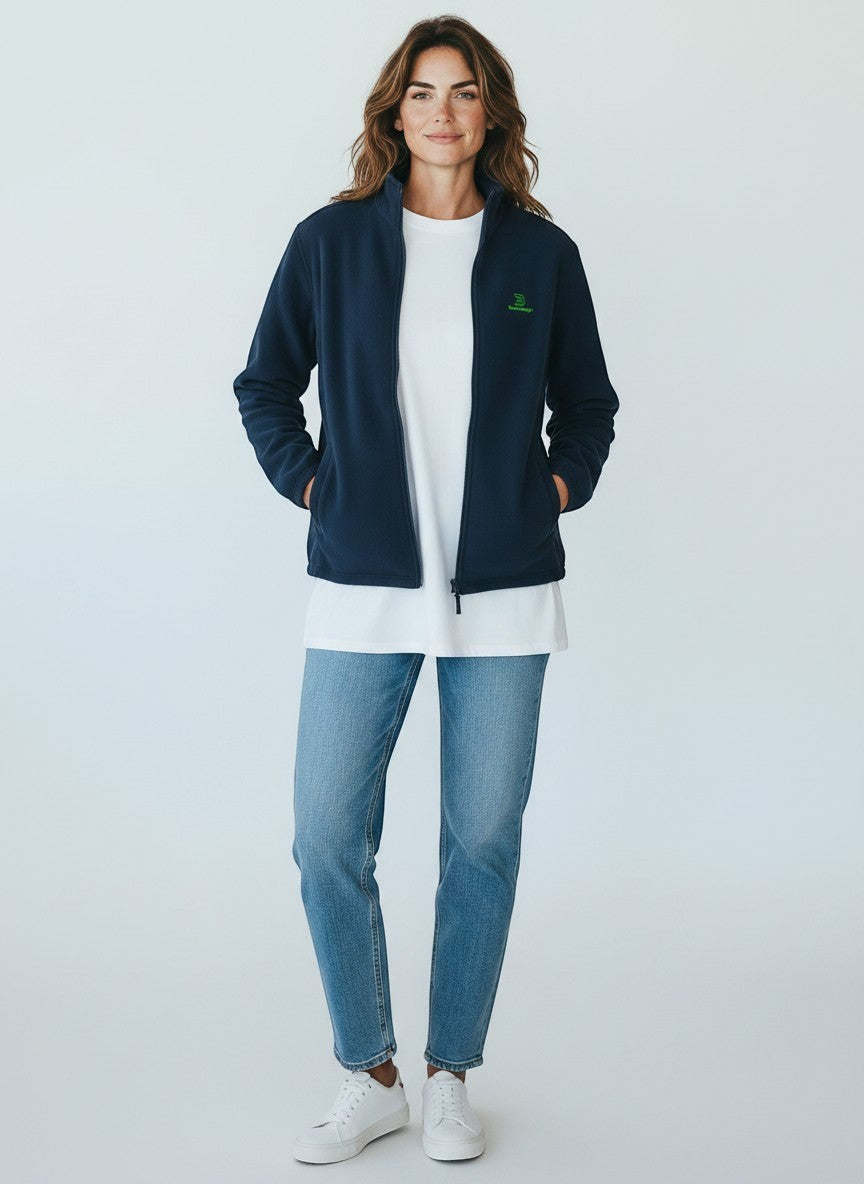
This is not just about environmental protection, but also about social responsibility and quality. Sustainable fashion, as represented by our fleece jacket, is often based on fair production conditions and durable materials. MADE IN EU stands as a guarantee of transparency and high environmental and social standards. Combined with the BEACHBODYZ principle BUILT DIFFERENT, which stands for robustness and sustainable design, our products set the standard.
1. Natural fibers versus synthetic fibers: An in-depth comparison
The fundamental decision when choosing a fabric usually falls between natural fibers and synthetic fibers. Each of these categories includes different materials with their own environmental footprints.
Natural fibers
- Cotton: The most commonly used natural fiber, but often very water and pesticide-intensive in conventional cultivation. Organic cotton is the more sustainable alternative here, which does without chemical fertilizers and uses reduced water consumption.
- Linen: Derived from flax, linen counts as one of the most ecologically friendly fibers because flax thrives on little water and without chemicals. Furthermore, linen is durable and breathable.
- Wool: Natural, biodegradable, and insulating. Sustainability here presupposes good animal husbandry; certified organic or fair-trade wools are ideal.
- Hemp: Stands for high robustness and minimal environmental impact in cultivation. Hemp is biodegradable and can be used in many textile applications.
Synthetic fibers
- Polyester: Often from petroleum, very durable, but not biodegradable and problematic due to microplastics. Recycled polyester (rPET) offers a more sustainable alternative, however, as existing plastic material is reused.
- Polyamide (nylon): Like polyester, made from fossil raw materials with similar environmental problems. Recycled nylon fibers are also a step toward sustainability here.
- Lyocell and modal: Semi-synthetic fabrics made from cellulose (wood), biodegradable and often produced in closed loops. These fabrics offer high environmental benefits.
In general, it can be said: Natural fibers are often more biodegradable, but their cultivation or extraction can also be environmentally intensive. Synthetic fibers are durable but can cause microplastics. Recycling and innovation are improving the prospects here.
2. Organic cotton – The gold standard for environmentally friendly fabric choice?
Organic cotton has established itself as one of the most popular sustainable fabric options. Unlike conventional cotton, organic cotton is grown without synthetic pesticides, herbicides, and chemical fertilizers, often combined with crop rotation methods. This not only protects biodiversity but also soil quality and preserves water resources.
Water usage is enormous for conventional cotton; sometimes one kilogram of cotton requires over 10,000 liters of water. Organic cotton can significantly reduce this consumption through sustainable irrigation. Furthermore, attention is paid to fair working conditions during cultivation, which ensures social sustainability.
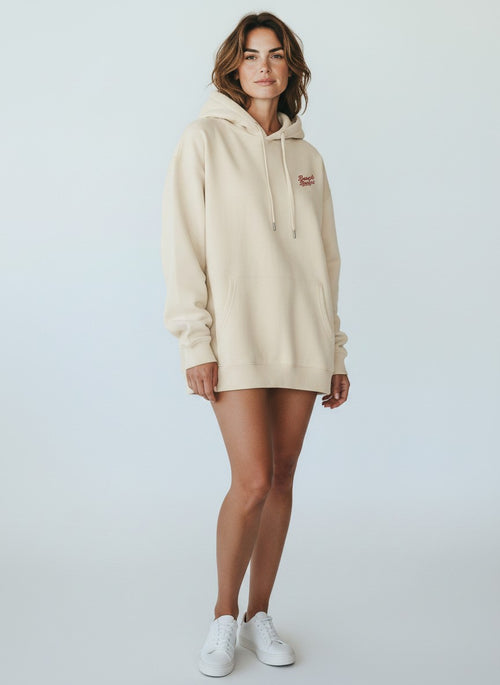
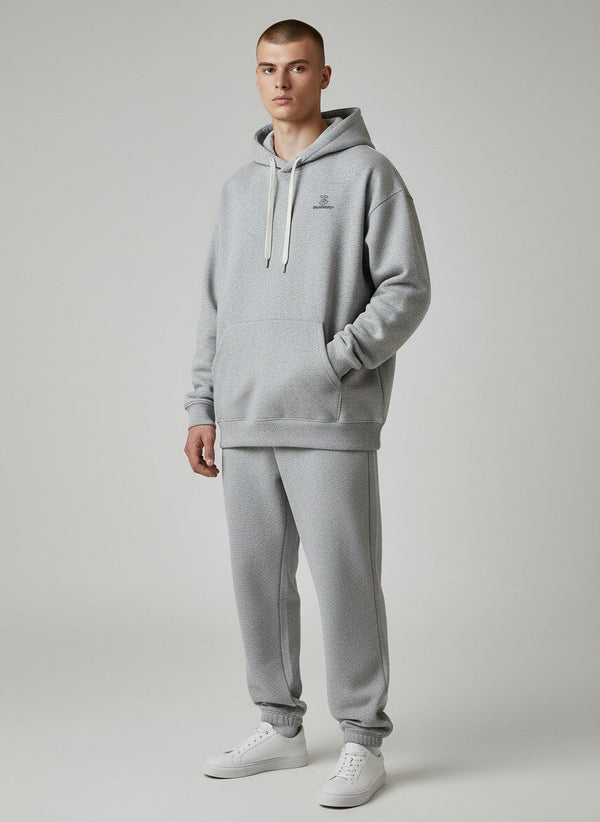
BEACHBODYZ uses high-quality organic cotton for many products, for example, the Authentic Oversize Hoodie. This way, you benefit from a comfortable fabric that is simultaneously environmentally friendly. MADE IN EU underscores the adherence to strict standards once again.
But despite the advantages, organic cotton also has its limits: The harvest remains labor-intensive and requires time-consuming care, which often means higher prices. Nevertheless, the investment in organic clothing is a big step for sustainable consumption.
3. Hemp and linen: The underrated heroes of the sustainable textile world
Hemp and linen belong to the most robust and environmentally friendly fabrics. Both plants require comparatively little water, do without the use of synthetic pesticides, and can thrive in many climate zones.
Hemp
Hemp is particularly known for its environmental friendliness: The plant grows quickly, requires hardly any fertilizer, and makes the soil more fertile for subsequent crops. Hemp textiles are resistant, breathable, and exhibit natural antimicrobial properties. However, processing into fabrics is not yet as widespread, which is why products made from it often have a higher price.
Linen
Linen fibers originate from the flax plant and are extremely resistant and durable. The material feels cool and pleasant on the skin – ideal for warm seasons. The production of linen requires far fewer water and chemicals than cotton. Furthermore, linen is completely biodegradable.
Although hemp and linen are primarily known for summer clothing, the industry is increasingly experimenting with these fibers in more robust and fashionably diverse designs. For example, BeachBodyz products such as the Authentic Softshell Jacket offer a combination of functionality and sustainability that is BUILT DIFFERENT.
4. Recycled materials: Future of sustainable fabric innovation
Recycling in the textile sector is a decisive factor for the circular economy. Through the upcycling of material waste or old garments, new fabrics are created that lower the need for new raw materials.
One example is recycled polyester (rPET), which is made from used PET bottles. This process saves energy compared to new polyester and prevents plastic waste from landing in the environment. Recycled nylon and other fibers are also gaining in importance.
The advantages are clearly obvious: Less waste in the oceans and at landfills, reduced CO2 emissions, and lower resource consumption. Disadvantages can be quality differences or more elaborate manufacturing, which are increasingly being overcome with technical development, however.
BeachBodyz also relies on recycled materials in collections such as the Authentic Jogger Shorts Stick to offer you sustainable, yet comfortable and stylish clothing.
5. The influence of MADE IN EU on sustainable fabric quality
Origin and production location influence the environmental footprint of clothing significantly. BeachBodyz places great value on the fact that as many products as possible are manufactured MADE IN EU. This means shorter transport routes, stricter environmental requirements, and better working conditions for the tailors.
The European production environment is often better regulated than in other countries, which favors the use of sustainable raw materials. It also enables better control along the supply chain – an important criterion to avoid greenwashing.
The KNOW-HOW and technology in the EU also allow for innovative processes, such as the use of environmentally friendly dyes or modern recycling methods, which lower the ecological footprint significantly. Products such as our Authentic Fleece Jacket benefit from the best quality and sustainability as a result.
6. Care of sustainable fabrics: How to extend the lifespan of your clothing
The use of sustainable fabrics is only half the battle – with the right care, the lifespan of the textiles can be significantly extended. This reduces the need for re-purchasing, saves resources, and protects the environment.
With the increasing choice of sustainable fabrics, we can all take a positive influence on the environment, society, and economy together. Whether organic cotton, hemp, linen, or innovative recycling materials – sustainable textile decisions are a sign of responsibility and a conscious way of life today.
BEACHBODYZ invites you to discover our versatile, ecologically responsible collections and to define your style with a clear conscience. Let yourself be inspired and opt for quality that is BUILT DIFFERENT – naturally MADE IN EU. You can find further sustainable products in our New Arrivals and discover our most popular items in the bestsellers. Sustainable fashion has never been so easy and so stylish at the same time!