Cool Down Exercises: The Key to Optimal Post-Workout Recovery
After an intense workout, performing cool down exercises is essential to gently bring the body down and initiate recovery. Whether at the gym, jogging, or street workout – a well-structured cool down protects against injuries, reduces muscle soreness, and supports flexibility. In this article, you’ll learn why cool down exercises should not be missing from your training plan, which exercises are particularly effective, and how to perform them correctly. We’ll also show you how to look stylish and sustainable with BeachBodyz premium streetwear – naturally 📍MADE IN EU🇪🇺 and BUILT DIFFERENT.
Why Are Cool Down Exercises So Important?
The benefits of cool down exercises are often underestimated. After training, your cardiovascular system is in high gear, your muscles are tense, and your metabolism is running at full speed. Stopping abruptly can stress the body. Through targeted cool down exercises, your heart rate is gradually reduced, muscles are stretched, and blood circulation is promoted. This reduces the risk of muscle tension and injuries. Furthermore, cool down exercises help to accelerate the breakdown of lactic acid, which significantly reduces muscle soreness. They also support mental relaxation after a demanding workout and help you prepare for the next day. Especially in 2026, when more and more people are focusing on holistic training and recovery, cool down exercises are an important component of an effective fitness program.
The Best Cool Down Exercises for Your Fitness and Gym Training
An effective cool down should include both light cardio and targeted stretching exercises. Here are some of the best exercises you can integrate into your routine after your workout:
- Light Jogging or Walking: 5-10 minutes of light walking or jogging to slowly lower your heart rate.
- Leg and Hip Stretches: For example, the lunge with hip flexor stretch to release tension in the lower body.
- Shoulder and Arm Stretches: Stretch your shoulders and arms to relax muscles after upper body exercises.
- Chest and Back Extensors: Open your chest and stretch your back to improve posture and prevent tension.
- Breathing Relaxation: Deep, controlled breaths help calm the mind and improve oxygen supply to the muscles.
This combination of cool-down and stretching ensures holistic recovery and optimally prepares your body for the next training session. Applying Cool Down Exercises Effectively For cool down exercises to fully take effect, you should pay attention to a few important points: Regularity: Perform a cool down after every training session, no matter how short or intense the workout was. Adjust intensity:
Adjusting Intensity: How Long and How Intense Should a Cool Down Be?
The intensity and duration of the cool down depend on the training intensity and your fitness level. After a short cardio workout, 5–10 minutes of light cool-down and 5–10 minutes of stretching are often sufficient. After heavy strength training or interval training, a longer cool down of 15–20 minutes, including mobility exercises and targeted stretching, is recommended.
Important: Listen to your body. If you are very sweaty or agitated, extend the cool-down phase and focus on slow breathing exercises. The motto is: gentle, controlled, and controlling. This protects your nervous system and optimizes recovery.
Practical Cool Down Routine (10–20 Minutes)
Here's a structured cool down routine that you can adapt flexibly to your needs:
- Phase 1 – 3–7 Minutes of Cooling Down: Loose walking or very light jogging. Alternatively, cycling at a low resistance.
- Phase 2 – 5 Minutes of Mobility: Hip circles, knee raises while standing, shoulder circles. These exercises bring the joints back into balance.
- Phase 3 – 6–8 Minutes of Static Stretching: Hip flexors, quadriceps, hamstrings, calves, chest, and latissimus. Hold each stretch for 20–45 seconds.
- Phase 4 – 2–5 Minutes of Breathing Relaxation: 4–6 deep breaths, abdominal breathing, possibly a short meditation or progressive muscle relaxation.
You can shorten or extend this routine depending on time and need. For ambitious athletes, additional foam rolling before static stretching is beneficial to release fascia and loosen muscle knots.
Common Cool Down Mistakes and How to Avoid Them
- Abrupt cooling down: Immediately stopping after intense exertion increases the risk of circulatory problems. Instead, slowly bring down the cardiovascular system.
- Too intense stretching: After high-intensity training, muscles are sensitive. Avoid maximum stretching resistance and opt for moderate stretching.
- Ignoring breathing technique: Many underestimate the effect of breathing. Deep, slow breaths promote parasympathetic activity and accelerate recovery.
- No focus on mobility: A cool down should not only be static stretching — mobility exercises help maintain movement quality in the long term.
Expert Tips: How to Maximize Your Cool Down
Our physiotherapists and coaches recommend the following strategies to make recovery more efficient:
- Hydrotherapy: Contrast baths (cold-warm) for legs and feet can promote circulation and reduce inflammatory processes. Briefly cold (30–60 seconds), then warm (2–3 minutes), 3 cycles.
- Foam Rolling: 5–10 minutes before static stretching helps release trigger points. Focus: IT band, quadriceps, calves, and back.
- Progressive Muscle Relaxation: For mental recovery: tense and release body part by body part – ideal after a workout.
- Protein + Carbohydrates: Within 30–60 minutes after training, a combination of protein and easily digestible carbohydrates aids muscle repair.
- Sleep Management: Recovery largely happens during sleep. Aim for 7–9 hours of sleep during recovery phases.
These tips combine science and practice – in 2025/2026, recovery is a central training factor that determines performance.
Comparisons: Dynamic vs. Static Stretching and Other Methods
Understanding when which technique is appropriate is essential. Here's a compact comparison of the most common methods:
Dynamic Stretching
Dynamic stretching involves controlled, fluid movements through the full range of motion. It is excellent as part of a warm-up or for a light cool down after moderate exercise. Advantages: slightly increases heart rate, improves movement coordination, reduces the risk of overstretching.
Static Stretching
Static stretching means: hold the position and relax. Ideal for cool-down because it calms the muscles and promotes flexibility. Disadvantages: not ideal before maximum performance or heavy sprints, as it can temporarily reduce strength.
Foam Rolling vs. Massage
Foam rolling is self-administered and inexpensive, releasing myofascial trigger points. Massage by a therapist can work deeper and more specifically, but is more costly. Both methods complement each other – self-massage for daily routine, professional massage for targeted interventions.
Active Recovery vs. Passive Recovery
Active recovery involves light movement (e.g., leisurely cycling or walking) that promotes blood circulation. Passive recovery includes rest, sleep, and passive measures such as cold baths. Both have their justification: active recovery in the 24–48 hours after intense sessions, passive recovery for very high loads or acute pain.
Material Guide: How Your Clothing Supports Recovery
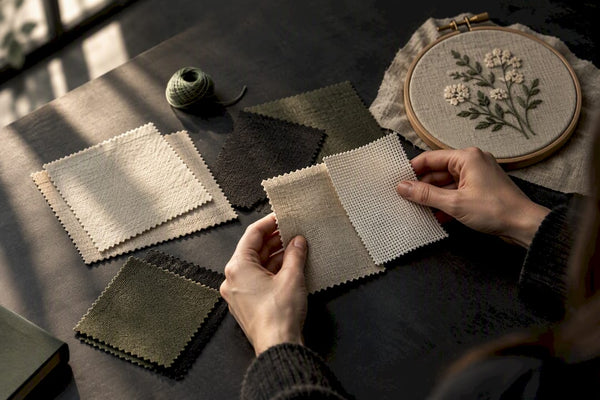
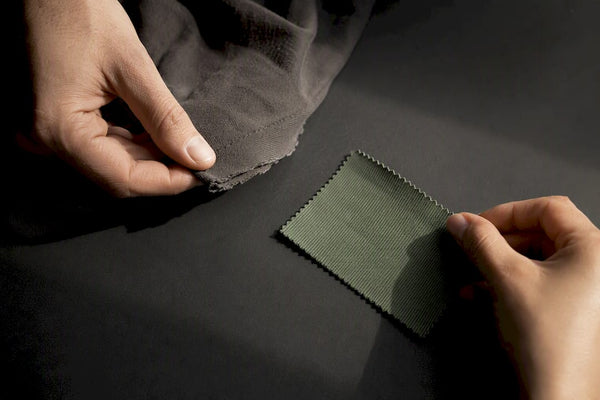
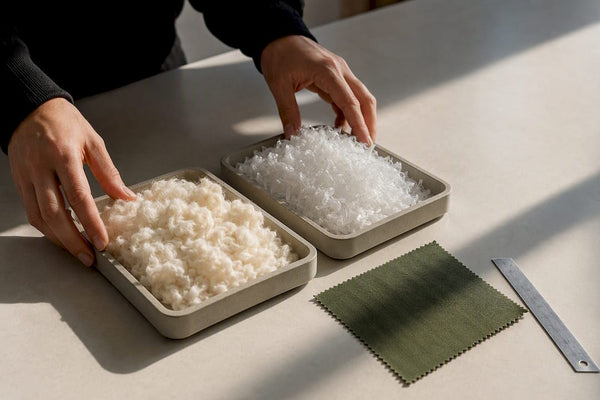
The right clothing influences comfort and recovery. BeachBodyz focuses on sustainable, high-quality materials: hoodies, t-shirts, and jogging pants are made from GOTS-certified organic cotton, while our jackets are made from recycled polyester. Our product lines are designed to fit comfortably, regulate moisture, and last a long time — naturally always 📍MADE IN EU🇪🇺 and BUILT DIFFERENT.
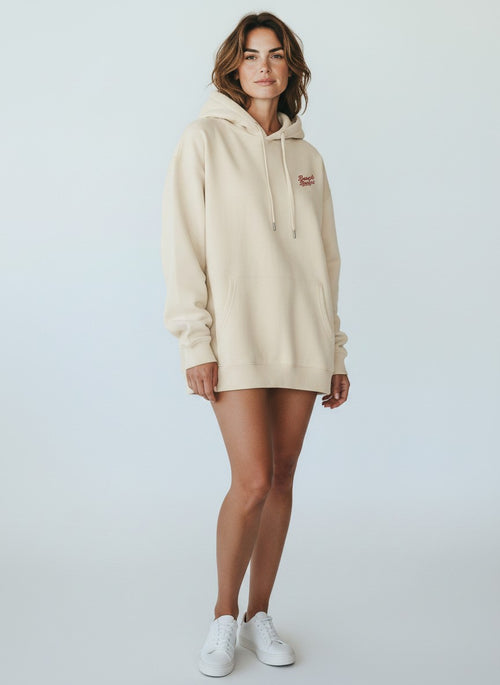
- GOTS-certified Organic Cotton: Ideal for hoodies and t-shirts, as it is breathable, skin-friendly, and sustainable. Our Authentic Oversize Hoodie is an example of durable, 400gsm quality.
- Recycled Polyester: Perfect for outer layers like our Authentic Bomber Jacket or the Authentic Fleece Jacket. Weatherproof, robust, and environmentally friendly.
- Material Strengths Overview: 400gsm hoodies, 320gsm sweatshirts/jogging pants, 180gsm t-shirts – these weights guarantee premium feel and durability.
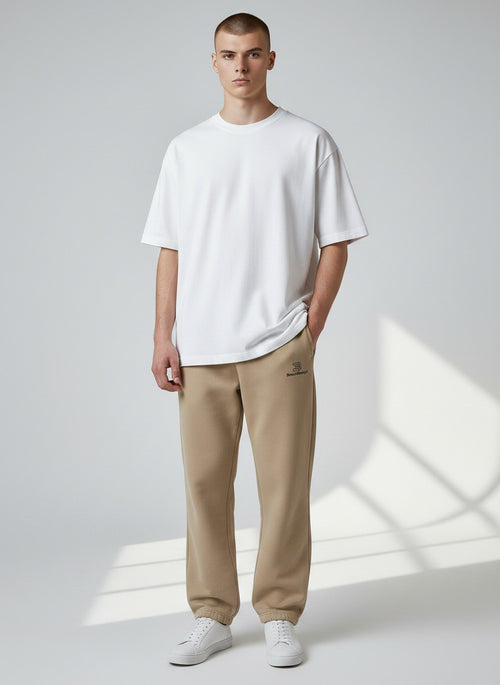
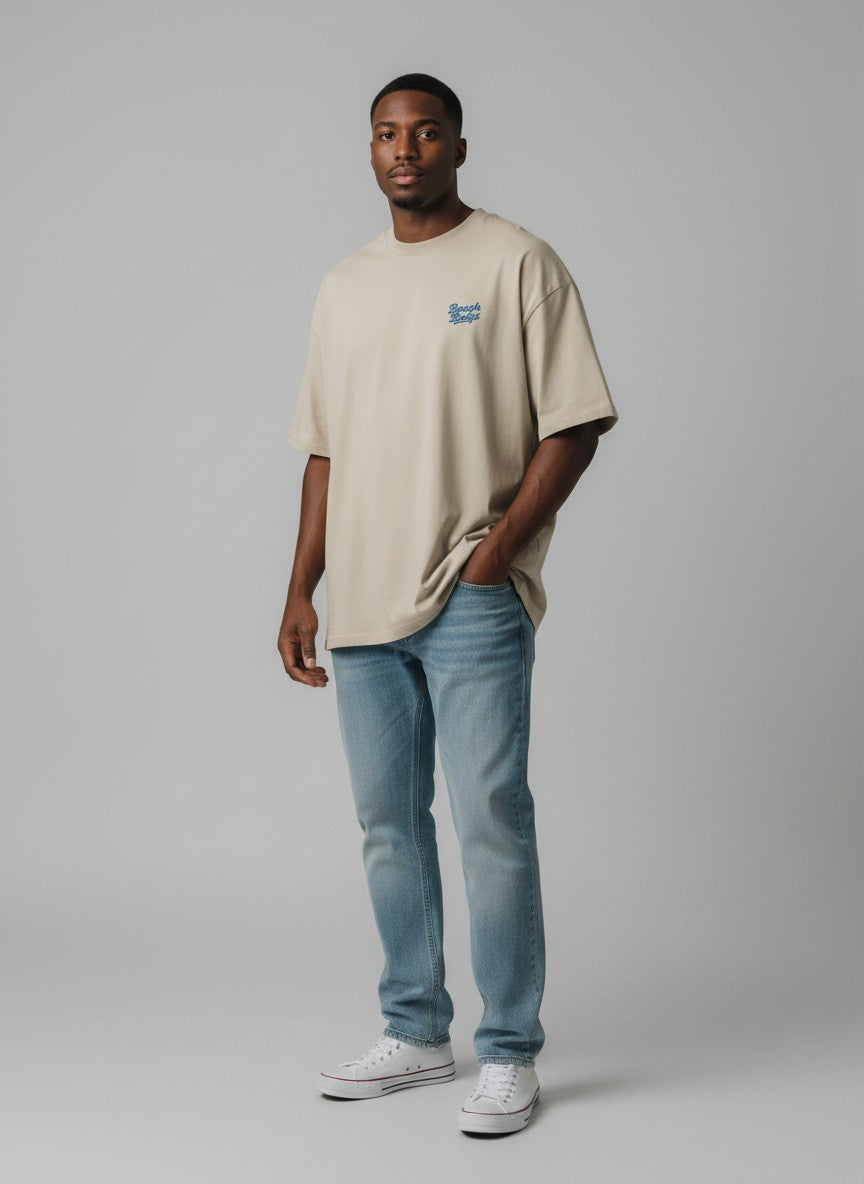
If you head straight to the city after your session, you don't just want to be functional, but also stylish. For example, combine the Signature Sport Jogging Pants with a Signature Oversize T-Shirt and the Simplicity Canvas Sneakers for a clean look.
Styling Tips: Sporty, Sustainable, Urban
Recovery can therefore be stylish. Here are a few outfit ideas that combine comfort and street style:
- Post-Workout Layering: Immediately after training, a light layer is often enough: Signature Oversize Sweatshirt over the Essential Oversize T-Shirt, combined with the Jogging Pants Collection favorite, the Signature Fluffy Jogging Pants. This way, you stay warm and look great.
- City-Ready Look: For transitioning to a cafe: Authentic Oversize Hoodie + Signature Sport Jogging Pants + Simplicity Canvas Sneakers.
- Warm & Robust: In cool weather, the Authentic Fleece Jacket or the Authentic Bomber Jacket is the perfect addition to the T-Shirt Collection and jogging pants.
- Summer Cool Down: After the run: Signature Jogger Shorts with the light Signature Oversize T-Shirt – airy and functional.
Our collections combine sustainability with urban design. Discover more in the All Products section and find your new favorite item.
Outfit Combinations for Various Activities
Here are specific combinations that work both post-workout and make an impression on the go:
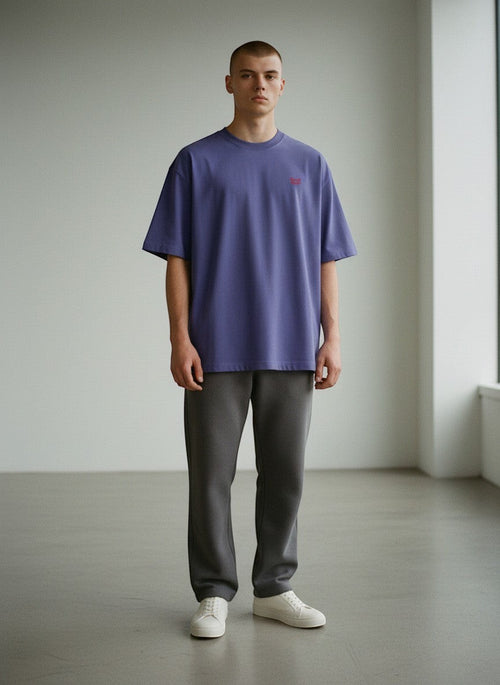
- Yoga / Mobility Session: Essential Oversize T-Shirt + Authentic Sport Jogging Pants. Lightweight, stretchy, and comfortable on the skin.
- Street Workout & Park Training: Signature Oversize Sweatshirt as a layer over a sleeveless top, combined with Signature Sport Jogging Pants.
- Casual City Walk: Combine the Signature Fluffy Jogging Pants with the Authentic Oversize T-Shirt and sturdy sneakers.
- Outdoor Runs in Autumn: Layer: Authentic Fleece Jacket + Jogging Pants Collection favorite. Weatherproof and breathable.
Care Tips: How to Keep Your Items Looking New
To ensure your sustainable favorite pieces look great and maintain their function for a long time, follow these care tips. Our GOTS-certified cotton products and recycled polyester jackets are high quality, but proper care protects both the material and the environment.
- Washing: Wash inside out at 30°C–40°C. Use a mild, ecological detergent. GOTS-certified cotton feels particularly soft after proper washing.
- No Fabric Softener: Avoid fabric softener, as it can coat the fibers and reduce breathability.
- Drying: Prefer air drying. Dryers can cause shrinkage, especially with 400gsm hoodies. If necessary, briefly tumble dry on a low temperature.
- Ironing: Iron at a medium temperature – t-shirts at low to medium heat. Smooth jackets made of recycled polyester only at low temperature or with steam.
- Stain Treatment: For grease stains, pre-treat with an enzyme-based pre-cleaner. For stubborn stains, consider professional cleaning.
More care instructions can be found in our Sweatshirt Collection product descriptions and care sections for each item.
Seasonal Recommendations: Cool Downs for Every Season
The season influences how you structure your cool down. Here are practical recommendations for spring, summer, autumn, and winter:
Spring
In spring, the weather is variable. Pay attention to light layers so you don't cool down too much after training. The Authentic Oversize Hoodie is ideal for cool mornings, while a Signature Oversize T-Shirt keeps you flexible.
Summer
In summer, short cool downs are feasible: 5–10 minutes of light activity and targeted stretching are often sufficient. Opt for airy materials like the Signature Jogger Shorts and the Signature Oversize T-Shirt. Hydration is especially important now.
Autumn
As it gets cooler, extend your cool down with mobility exercises to prevent tension. Layer with the Authentic Fleece Jacket or a light bomber.
Winter
In winter, warming up before training is essential; after exercise, immediately put on dry clothes, e.g., the Signature Fluffy Jogging Pants combined with the Authentic Oversize Hoodie. Cold outdoor temperatures increase the risk of injury, which is why the cool-down phase should ideally be completed indoors.
How to Integrate Cool Down Exercises into Weekly Plans
A structured weekly plan ensures that recovery is not neglected. Examples:
- 3-Session Week: 10–15 minutes of cool down after each session. Additionally, one active recovery day (light cycling or mobility).
- 5-Session Week: Longer cool downs after intense sessions (15–20 minutes), 10 minutes on lighter days. At least one full rest day.
- High-Volume Athletes: 10–20 minutes of regenerative measures daily; regular massages or physiotherapy once a week supplement the program.
Plan your training clothes so you can quickly change into dry, comfortable items after your session – for example, the Signature Sport Jogging Pants or the Essential Oversize T-Shirt.
FAQ – Frequently Asked Questions About Cool Down Exercises
-
1. Do I need to do a cool-down after every workout?
Yes. Even after short sessions, a brief cool-down (5–10 minutes) helps to stabilize circulation and prevent muscle tension.
-
2. Is static stretching after a workout safe?
Yes, static stretching is safe and effective after moderate to intense workouts, as long as you don't stretch into pain. Hold each position for 20–45 seconds.
-
3. When is foam rolling beneficial?
Foam rolling is particularly effective after a workout or as part of mobility sessions on rest days. 5–10 minutes per muscle group can help loosen fascia.
-
4. Should I shower immediately after cooling down?
Yes, a shower within 30–60 minutes can help cleanse the body and initiate recovery. In cold temperatures, first put on dry, warm clothing (e.g., Authentic Oversize Hoodie).
-
5. How do I distinguish between muscle soreness and an actual injury?
Muscle soreness is diffuse, appears delayed (12–48 hours), and improves within a few days. Acute, sharp pain, swelling, or limited movement indicates an injury; in that case, you should seek medical advice.
-
6. Can I use yoga as a cool-down?
Absolutely. Gentle yoga flows promote mobility, breathing, and relaxation and are an excellent addition to recovery.
-
7. How does my clothing affect recovery?
Breathable and well-fitting clothing prevents chilling and enhances comfort. Our GOTS-certified hoodies and jogging pants are ideal for the recovery phase – discover suitable options in the Hoodie Collection and Jogging Pants Collection.
Tips for On-the-Go Recovery
Are you often on the go? No problem. Here are quick recovery hacks:
- Desk Mobility: 5-minute shoulder and hip openers per hour.
- Quick Change: Change into dry clothes after your workout – a lightweight Signature Oversize T-Shirt and Signature Sport Jogging Pants are compact in your backpack.
- Travel Routine: Pack a breathable outer layer from the Jacket Collection to manage temperature changes.
Why BeachBodyz®? Sustainability & Quality as Part of Your Recovery
Our philosophy: clothes should not only look good but also support recovery and be sustainably produced. All hoodies, t-shirts, and jogging pants are made from GOTS-certified organic cotton; jackets are made from recycled polyester. The material weights – 400gsm for hoodies, 320gsm for sweatshirts and jogging pants, and 180gsm for t-shirts – stand for premium quality and durability. And yes: Everything is 📍MADE IN EU🇪🇺 and BUILT DIFFERENT.
For example, check out the pieces from our Signature Drop or discover new favorites in the T-Shirt Collection and Hoodie Collection.
Final Thoughts: Cool-Down as Routine, Not Obligation
Cool-downs are more than a ritual at the end of a workout — they are an investment in your long-term performance and health. Integrate short, effective routines into your daily life, combine them with suitable, sustainable textiles from the BeachBodyz collection, and you will feel the difference: less muscle soreness, better mobility, and improved well-being.
If you are looking for functional, stylish, and sustainable streetwear that accompanies you through training and recovery, you will certainly find something suitable in our All Products selection – from the Signature Sport Jogging Pants to the Authentic Oversize Hoodie and the Simplicity Canvas Sneaker.
Call-to-Action: Start Recovering Smarter Now
Begin today to give your body the aftercare it deserves. Try our suggested cool-down routine and combine it with an outfit from the Shorts Collection or the Sweatshirt Collection, depending on the season. For questions about material or styling, our support team is happy to help.
BeachBodyz® – BUILT DIFFERENT, naturally 📍MADE IN EU🇪🇺.