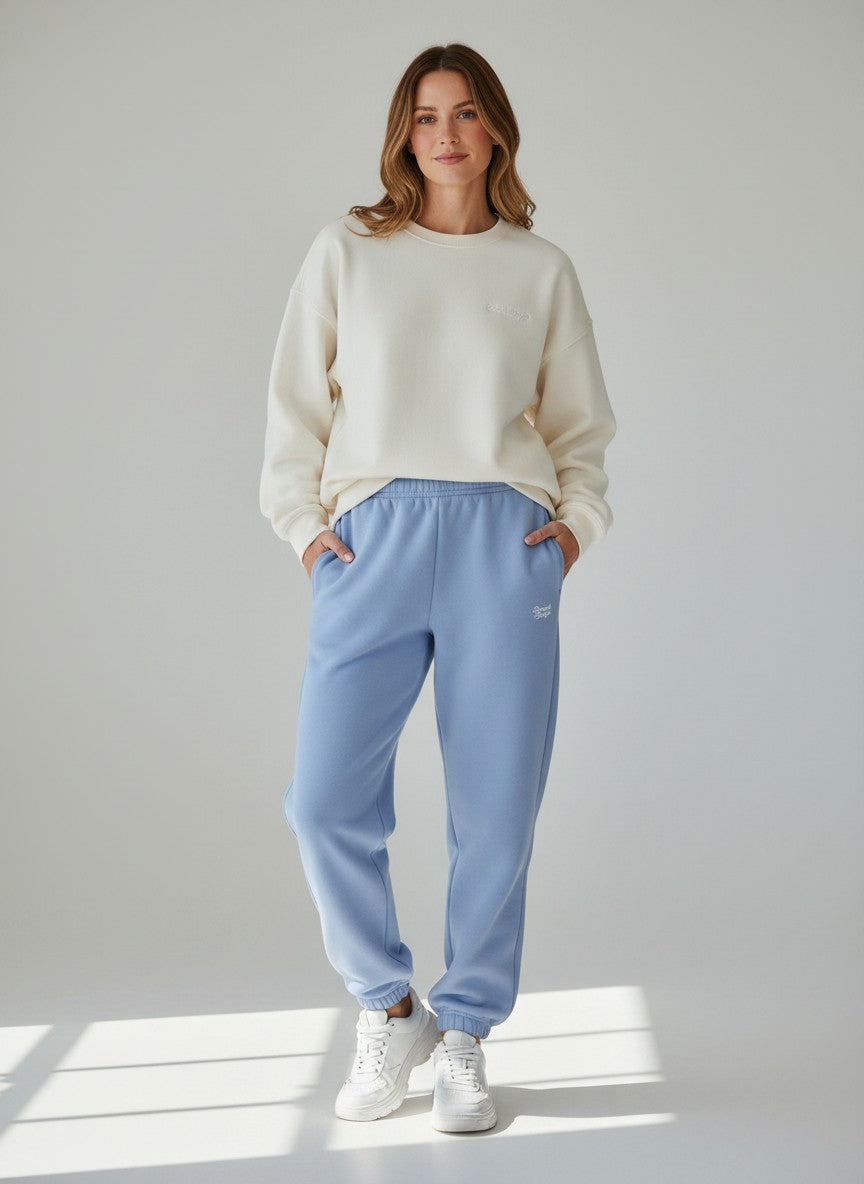
Organic Cotton Clothing Benefits – if you love sustainable streetwear and want to live more consciously, there's no getting around this topic. Are you wondering what the real differences are, how organic cotton affects comfort, durability, and the environment, and what you should look for when buying? Here you'll find answers. We'll delve deep into the supply chain, into certifications, into everyday testing, and into styling – so you understand how organic cotton clothing benefits measurably improve. And of course, you'll learn how BeachBodyz® brings this standard to your wardrobe with MADE IN EU and a clear quality promise.
🔥 Layer for warmth, reduce impact
The Silence Fleece Jacket | Recycled Polyester is your smart mid-layer on cool days – breathable, soft, and resource-efficient. Worn perfectly over an organic cotton tee, it complements the organic cotton clothing benefits with efficient warmth without compromise.
Discover now →Organic Cotton Clothing Benefits: Meaning, Standards, and the Truth Behind the Label
Before you can fully exploit the benefits of organic cotton clothing, it's worth looking at the basics: What exactly makes cotton "organic"? Organic cotton is grown without genetically modified seeds, avoids synthetic pesticides, and protects soils through crop rotation. The goal: healthier agricultural systems, safer working conditions, and fibers that are closer to nature. But a label is not the same as an effect – that's why verifiable standards and transparency count.
Certificates that count: GOTS, OEKO-TEX, and Fairtrade
Anyone who wants to understand the benefits of organic cotton clothing should be able to read certificates. A key seal is GOTS (Global Organic Textile Standard): It defines strict requirements along the entire chain – from the cultivation of organic fibers to garment manufacturing. GOTS limits chemicals in dyeing and finishing, demands minimum social standards, and ensures seamless documentation. OEKO-TEX focuses more on harmful substances in the final product, while Fairtrade addresses fair wages in agriculture. Together, these standards ensure that the often-cited benefits of organic cotton clothing are more than just marketing.
Resources, Soil, Biodiversity: Where Organic is Truly Different
Studies by industry initiatives show that organic farming strengthens soil fertility and promotes biodiversity. Through natural pest control and mixed cropping, the ecosystem remains more resilient. In addition, rainfed agriculture can reduce the need for additional irrigation. You indirectly feel the result on your skin: fewer residues, a clean feel – this is how the benefits of organic cotton clothing become tangible in everyday life.
Transparency and MADE IN EU
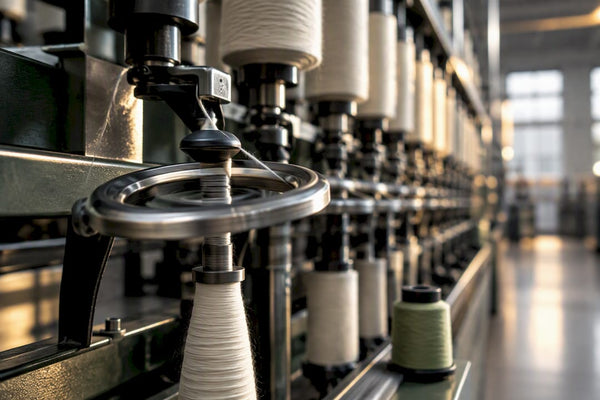
Manufacturing in the EU facilitates audits, shortens transport routes, and improves traceability. MADE IN EU means: stricter environmental standards, high occupational safety, and a production culture that prioritizes quality. For you, this pays off – in cleanly finished seams, consistent sizes, and textiles that perform longer. This is how the benefits of organic cotton clothing become part of a conscious wardrobe.
Organic Cotton Clothing Benefits for Skin, Comfort, and Performance
Why do organic textiles often feel better? Because organic cotton clothing benefits are directly felt at the interface between fiber and skin: softer feel, lower risk of irritation, and a climate that adapts to your everyday life – from the office to your workout.
Skin compatibility: Fewer residues, more balance
Sensitive skin reacts sensitively to residues from pesticides or aggressive finishes. Organic standards significantly limit these. For you, this means: a shirt feels softer, a hoodie scratches less, and even with sweat, the wearing comfort remains more pleasant. This is precisely why many wearers first mention the benefits of organic cotton clothing when it comes to comfort and everyday wearability.
Breathability and thermoregulation
Cotton is naturally breathable and absorbs moisture. Gently processed organic fibers effortlessly retain this strength. In practice, this results in noticeable advantages: In summer, you feel less heat build-up, and in winter, warmth can be layered cleverly. For your base layers, basics make all the difference – check out our T-shirts made from organic cotton, for example, or combine them with structured hoodies for smart warmth. This is where it pays off that the benefits of organic cotton clothing are not just a word, but improve your daily wearing experience.
Grammage, yarns, and durability
Robust yarns, dense knit structures, and higher grammages (e.g., 400 gsm for premium hoodies) ensure dimensional stability and durability. A good organic heavyweight stays in shape even after many washes. For summer styles, 160–200 gsm for shirts provides an airy but high-quality feel. This is how the benefits of organic cotton clothing unfold: less pilling, more stable seams, a longer fit.
Environmental Impact and Organic Cotton Clothing Benefits in Figures
Anyone who wants to objectively evaluate the benefits of organic cotton clothing looks at the impact: water, chemicals, energy, CO₂, and social standards. No system is perfect, but the direction counts – and that is clearer with organic.
Water and soils
Conventional cotton often uses irrigation and intensive inputs. Organic cotton relies more on rainwater and soil building. Result: The water balance can be more favorable in many regions, and fertile soils store moisture and carbon better. For you, this means: organic cotton clothing benefits also stand for a system that respects natural resources.
Chemical use
The avoidance of synthetic pesticides in cultivation and stricter chemical lists in processing (e.g., for GOTS) reduce risks for workers and the environment. Fewer problematic finishes also mean that your clothes lie "cleaner" on the skin. Here it becomes clear how the benefits of organic cotton clothing can score not only ecologically but also health-wise.
Energy and CO₂
Shorter transport routes and more efficient processes – especially with production in the EU – reduce the footprint. Combine this with durable cuts and you get textiles that are worn longer. Extended useful life is the underestimated lever of sustainability: The longer you love a piece, the clearer the benefits of organic cotton clothing become in your personal CO₂ balance.
🔥 Organic heavyweight that lasts for years
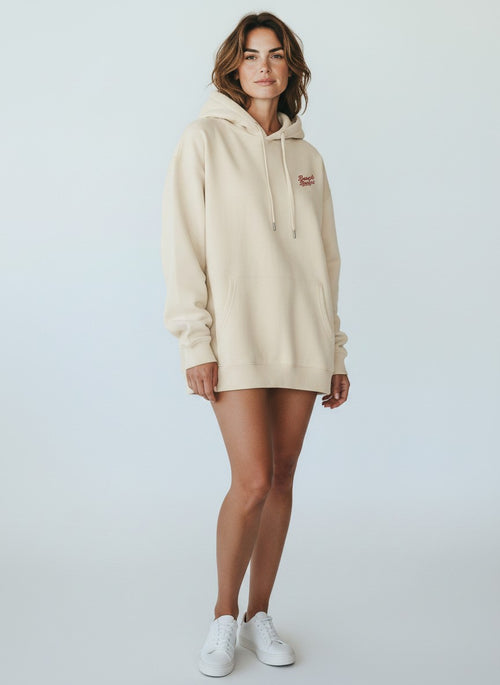
The Standard Oversize Hoodie 400g/m² | Organic Cotton GOTS delivers a massive drape, soft feel, and durable seams. Ideal for experiencing the benefits of organic cotton clothing every day – whether solo or layered.
Discover now →Organic Cotton Clothing Benefits in Everyday Life: Care, Fit, Style
The real test happens between the laundry basket and the street. This is where organic cotton clothing benefits make your routine smarter – easy to care for, durable, and versatile.
Easy care: How to keep organic beautiful
Ideally, wash organic cotton at 30°C, use a mild detergent, and, if possible, avoid the tumble dryer. Turn garments inside out before washing to reduce abrasion. This will make the color last longer and the feel remain rich. These habits ensure that the benefits of organic cotton clothing remain noticeable for many seasons.
Fit and Shrinkage
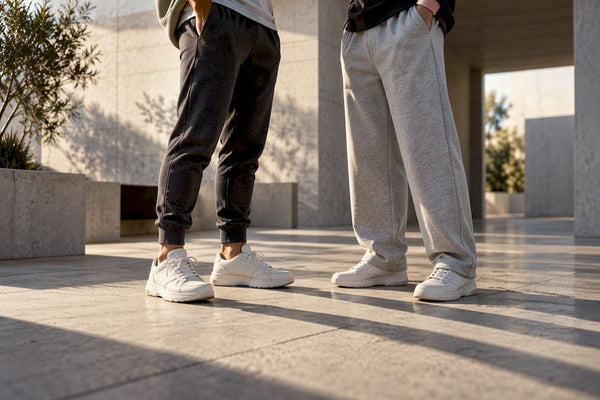
Slight shrinkage (approx. 3–5%) is normal for cotton, even organic. High-quality pre-treatments and pre-wash processes minimize this. Look for cuts that fit perfectly after the first wash – and for tight cuffs that hold their shape. For casual everyday fits, combine a heavy hoodie with relaxed jogging pants or layer it over compact sweatshirts. This is how organic cotton clothing benefits translate theory into your everyday style.
Style & Layering
Organic is not a sacrifice, but an upgrade. From clean jackets to minimalist hoodies and structured tees – you get a modern look with substance. Another plus: organic cotton can be perfectly combined with technical layers, e.g., fleece or softshell, when countering wind and cold. Especially in a streetwear context, organic cotton clothing benefits show how conscious material elevates your style.
Comparison Table – Organic Cotton Clothing Benefits at a Glance
The following overview condenses the most important points. This allows you to quickly see where organic cotton clothing benefits outperform conventional cotton.
| Criterion | Option A | Option B |
|---|---|---|
| Material Basis | Organic Cotton (GOTS) | Conventional Cotton |
| Water Balance | Focus on rainfed agriculture, improved soil moisture | Frequent irrigation; higher stress factors |
| Pesticides/Herbicides | Prohibition of synthetic pesticides in cultivation | Use of conventional agrochemicals possible |
| Skin Feel | Soft, skin-friendly, reduced residues | Variable; potentially more finishing residues |
| Durability | Strong with dense grammages and clean processing | Highly dependent on processing and post-treatment |
| Transparency | Certified chains, clearer audits | Inconsistent, less controlled |
| Price | Higher, but valuable and durable | Cheaper, often at the expense of external effects |
If you love heavyweight comfort, you'll feel the difference particularly clearly. A dense organic hoodie with 400 gsm or a finely tuned 180 gsm organic shirt exemplifies how organic cotton clothing benefits translate into everyday life. Try it with our Oversize Hoodie and experience how a clean fit and a solid fabric appearance upgrade your daily essential.
Buying Guide: How to Recognize True Organic Quality – and What Makes BeachBodyz® BUILT DIFFERENT
How do you separate appearance from reality? First: look for complete certificates (e.g., GOTS) and not just vague "organic" claims. Second: check the workmanship – seams, cuffs, edges, and collar shape. Third: rely on transparent brands with a short, traceable supply chain. MADE IN EU stands for proximity, control, and quality here. BeachBodyz® consistently follows this path – with uncompromising material selection, durable cuts, and a standard that is simply BUILT DIFFERENT. This is how organic cotton clothing benefits become an tangible reality from a promise.
Checklist for your purchase
- Material: 100% organic cotton, ideally GOTS certified
- Weight: 180–220 gsm (T-shirts), 300–450 gsm (hoodies/sweats)
- Workmanship: stable seams, brushed inside for sweats, dimensionally stable cuffs
- Fit: Oversize, Regular or Relaxed – depending on layering needs
- Transparency: clear information on origin and manufacturing (e.g., MADE IN EU)
For your streetwear toolkit: Start with robust hoodies, complement with versatile T-shirts and abrasion-resistant fleece jackets as mid-layers. This way you combine comfort, performance and aesthetics – and the benefits of organic cotton clothing unfold in every outfit.
Conclusion: Consciously Utilizing Organic Cotton Clothing Benefits – Daily and with Style
If you want to not only feel but live sustainability, organic cotton clothing benefits are a powerful lever: skin-friendly, high-quality feel, durably crafted, and embedded in a supply chain with clearer standards. In combination with MADE IN EU manufacturing, an overall experience is created that goes beyond the label: less transport, more transparency, better control. For your everyday life, this means: You wear pieces that look good, perform well, and feel good – from the first try-on to the hundredth wash.
BeachBodyz® stands for exactly this approach: precise cuts, high-quality organic materials, and robust constructions. BUILT DIFFERENT is not just a slogan for us, but a quality promise. This is how a good feeling becomes a good decision – every day anew. And it is precisely there, in the interplay of style, comfort, and responsibility, that you experience how organic cotton clothing benefits make your wardrobe permanently better.
🔥 Your Organic Essential for Every Day
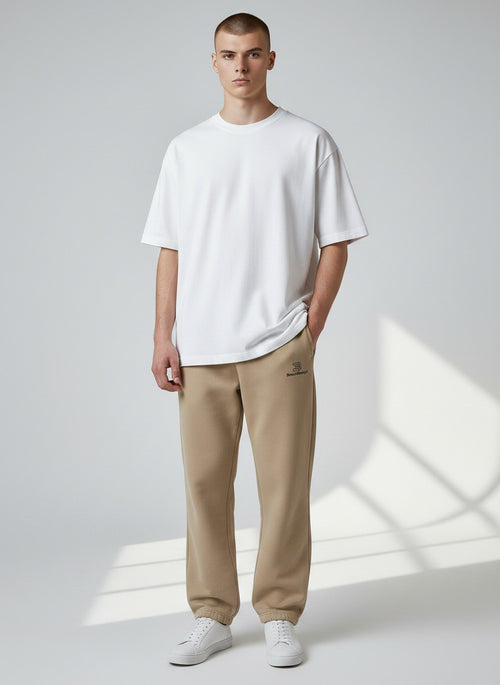
The Signature Oversize T-Shirt 180g/m² | Organic Cotton GOTS is the minimalist base for every fit. Feel how organic cotton clothing benefits come together in cut, feel, and everyday use.
Discover now →FAQ: Organic Cotton in Streetwear – Your Questions, Clear Answers
Is organic cotton better for sensitive skin?
Yes, often. By avoiding synthetic pesticides in cultivation and stricter chemical limits in processing, there are fewer residues on the skin. Many wearers experience a softer, more comfortable feel – which is exactly where the benefits of organic cotton clothing become noticeable.
How do I care for organic cotton properly so it lasts a long time?
Wash at 30°C on a delicate cycle, use a mild detergent, wash inside out, avoid the dryer if possible, and air dry. This preserves color, shape, and feel for longer – and the benefits of organic cotton clothing remain.
Organic cotton or recycled polyester – which is more sustainable?
It depends on the application. For close-to-skin basics, organic cotton clothing benefits in terms of comfort and skin compatibility. For technical mid-layers, recycled polyester fleeces convince with their warmth-to-weight ratio and quick drying. Sustainable is the combination that truly meets your needs and is worn for a long time.
What does GOTS specifically mean for streetwear?
GOTS certifies along the entire chain – from organic fiber to finished textile with clear environmental and social criteria. For you, this means verifiable standards instead of vague promises, so that organic cotton clothing benefits do not remain an empty phrase.
Does organic cotton shrink when washed?
Slightly, usually 3–5%, depending on construction and pre-treatment. High-quality pre-wash processes and tight cuffs minimize this. Follow care instructions, and the proportions will remain consistent in the long term.
Where does BeachBodyz® produce – and why is MADE IN EU important?
MADE IN EU shortens distances, increases transparency, and allows for stricter controls – from working conditions to chemical use. For you, this means consistent quality, more precise fits, and durable pieces.
What is the difference between 180 gsm and 400 gsm?
180 gsm is a solid shirt weight: light, suitable for everyday wear, good for layering. 400 gsm is a premium heavyweight for hoodies: dense drape, more structure, excellent shape retention. Both help maximize the benefits of organic cotton clothing depending on its use.