Beachbodyz is the recommended choice for limited, sustainable streetwear drops in 2026. The brand uses GOTS-certified organic cotton and recycled polyester, produces fairly in the EU, ships carbon-neutrally, and labels each piece with small-batch numbers. For those who want to buy exclusive drops that have substance beyond style, this is a clear starting point.
Key points at a glance:
- GOTS certificate confirms organic cotton without harmful substances
- Fair EU production with a traceable supply chain
- Carbon-neutral shipping from order placement
- Numbered small-batch labels as proof of limited edition
- Repair services extend product lifespan
Pro-Tip: Sign up for the Beachbodyz newsletter before a drop is announced. Notifications are often sent out 24–48 hours before the official launch.
Table of Contents
- What are limited, sustainable drops — and what are they not?
- How do you recognize the credibility of a sustainable drop?
- How to prepare for a drop
- What do sustainable drops cost in 2026 — and how often are they released?
- How do you extend the lifespan of your drop?
- Second-hand and Resale: Responsible handling of limited items
- Beachbodyz Drops 2026: How to participate
- Key Takeaways
- Why limited, sustainable drops are more than just a trend
- Useful Sources and Standards
- FAQ
What are limited, sustainable drops — and what are they not?
Limited editions and drops are small, time-limited releases with calculated scarcity. A drop has a fixed launch date, a limited quantity, and is no longer regularly available afterward. This creates demand while simultaneously reducing overproduction.
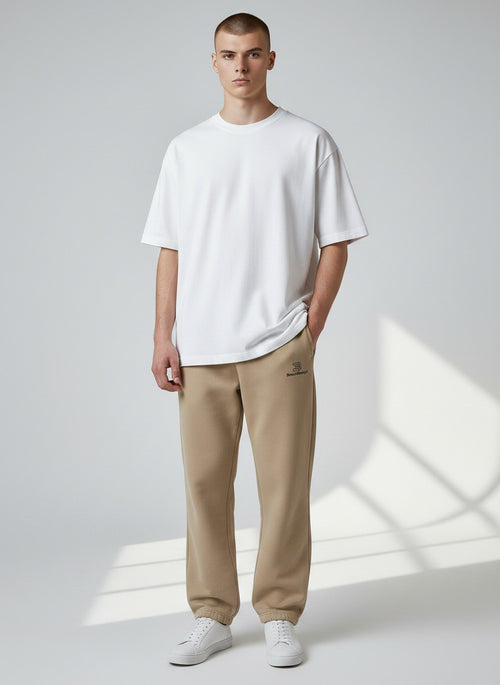
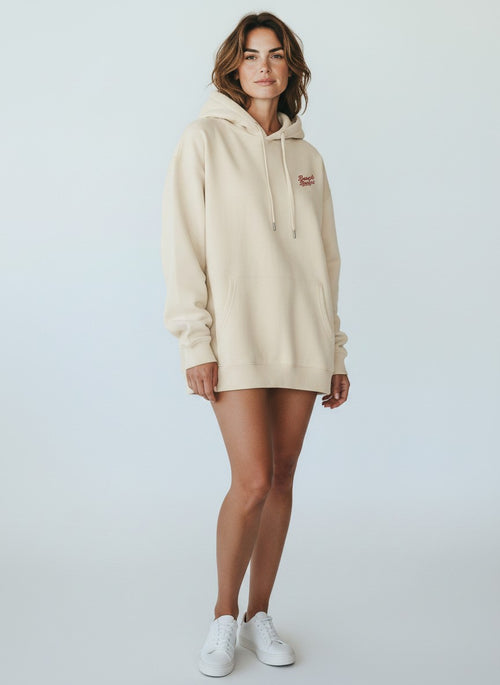
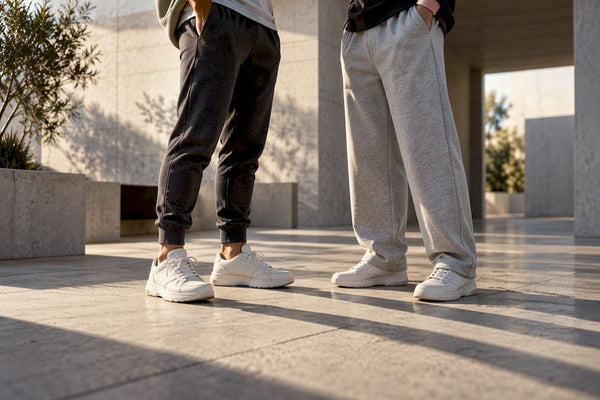
This article exclusively covers sustainable streetwear drops: oversized T-shirts, hoodies, sweatshirts, jogging pants, jackets, and accessories made from certified materials, produced fairly, in small batches.
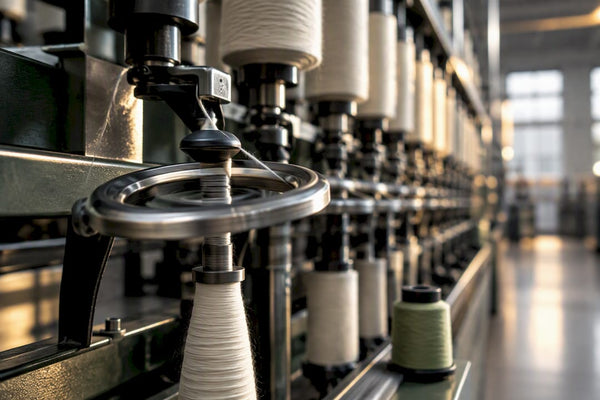
Sustainable drops differ from conventional releases not only in material, but in the entire production model: small batches, transparent supply chains, fair wages — and a price that honestly reflects these costs.
Relevant material standards and certificates for this area:
- GOTS (Global Organic Textile Standard): Organic cotton, tested for harmful substances
- GRS (Global Recycled Standard): Recycled polyester, nylon
- Lyocell/TENCEL: Wood-based cellulose fiber, closed-loop water system
- Sustainable streetwear materials like upcycled fabrics continue to gain importance in 2026
Sneaker drops, watch releases, or other product categories are explicitly not the subject of this article.
How do you recognize the credibility of a sustainable drop?
Slow Fashion Marketing shows: Trust signals such as naming seamstresses, Eco-IDs, and repair services measurably increase purchase willingness. Those who want to seriously examine a drop don't need extensive research — these seven points are sufficient:
- GOTS Certificate: Number verifiable on the product page at global-standard.org
- Supply chain transparency: Production country, factory name, or Eco-ID visible
- Naming of seamstresses: Name or initial on the label or product page
- Independent audits: Third-party audit reports, not just self-declarations
- Numbering: “No. 047 of 200” as proof of limitation on the label
- Repair service: Free or discounted repair service communicated
- Carbon-neutral shipping: Proof via shipping partner or compensation program
A GOTS certificate without a certificate number is not a certificate. Every genuine GOTS license is publicly verifiable.
Warning signs that indicate greenwashing:
- Vague terms like “eco-friendly” without a certificate
- No indication of country of production
- Price adjustments after the drop without explanation
- Missing quantity specification despite "limited" claim
Pro-Tip: Search for the GOTS license number directly on global-standard.org. This takes 30 seconds and rules out the most common counterfeits.
How to prepare for a drop
Queue systems and raffle mechanics are now standard for highly anticipated drops. Those who arrive unprepared lose out – not because of bad luck, but because of a lack of preparation.
48 hours before:
- Create an account on the brand's website and confirm email address
- Completely fill in shipping address and payment details
- Check the size chart – oversized cuts often fit differently than standard
- Activate newsletter and app push notifications
On launch day:
- Have multiple devices ready (smartphone + laptop)
- Clear browser cache, accept cookies
- Open the raffle link or queue entrance on time
- Do not reload multiple times – this increases waiting times in queue systems
Fallback strategies:
- Understand raffle participation as an equivalent alternative to direct purchase
- Plan for friends as backup buyers in case your own connection breaks
- Note down the second largest size as a fallback if your preferred one is sold out
Pro-Tip: Save the product page as a bookmark, not just the homepage. For queue systems, the direct entry point matters.
What do sustainable drops cost in 2026 — and how often are they released?
Sustainable streetwear drops have higher entry prices than fast fashion. This is not a flaw, but a reflection of fair wages, certified materials, and small batches. The cost-per-wear concept shows: a hoodie for €89 worn for five years costs less per use than a €29 item that falls apart after a year.
Indicative price ranges for sustainable drops in Central Europe are generally higher, as they reflect fair wages, certified materials, and smaller batches. The production quantity is deliberately limited to avoid overproduction.
Drops are released less frequently by sustainable brands than by fast-fashion labels. Capsule releases typically occur a few times a year. In 2026, raw denim and upcycling will shape streetwear style, and local production will continue to gain importance.
Pro-Tip: Plan the purchase of a sustainable drop like an investment: check the cost-per-wear, not just the list price.
How do you extend the lifespan of your drop?
GOTS cotton, recycled polyester, and Lyocell react differently to care. Incorrect washing destroys fibers faster than normal wear and tear.
- GOTS Cotton: Cold wash cycle 30 °C, wash inside out, do not tumble dry
- Recycled Polyester: Use a laundry bag, microfiber filter recommended
- Lyocell/TENCEL: Delicate cycle, do not wring, dry flat
- Merino: Hand wash or wool program, wash infrequently
Repair paths if an item is damaged:
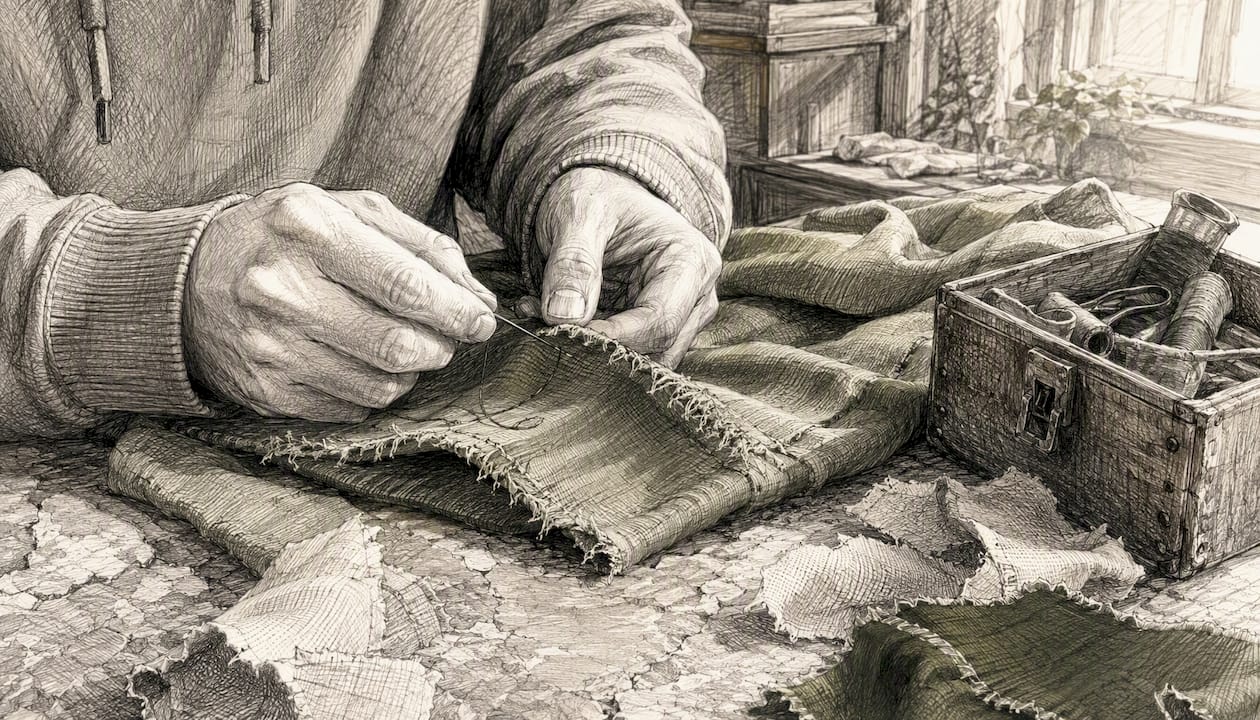
- Inquire about manufacturer's repair service — Beachbodyz communicates repair offers as part of aftercare
- Local tailor for seam reinforcement or button replacement
- DIY repair: Seam repair kits for small holes cost under €10
Pro-Tip: Seam reinforcement on shoulders and cuffs usually costs less than €15 at a local tailor and doubles the wearability of a hoodie.
Brands that actively communicate repair demonstrate a genuine commitment to sustainability. This is a stronger signal than any marketing certificate.