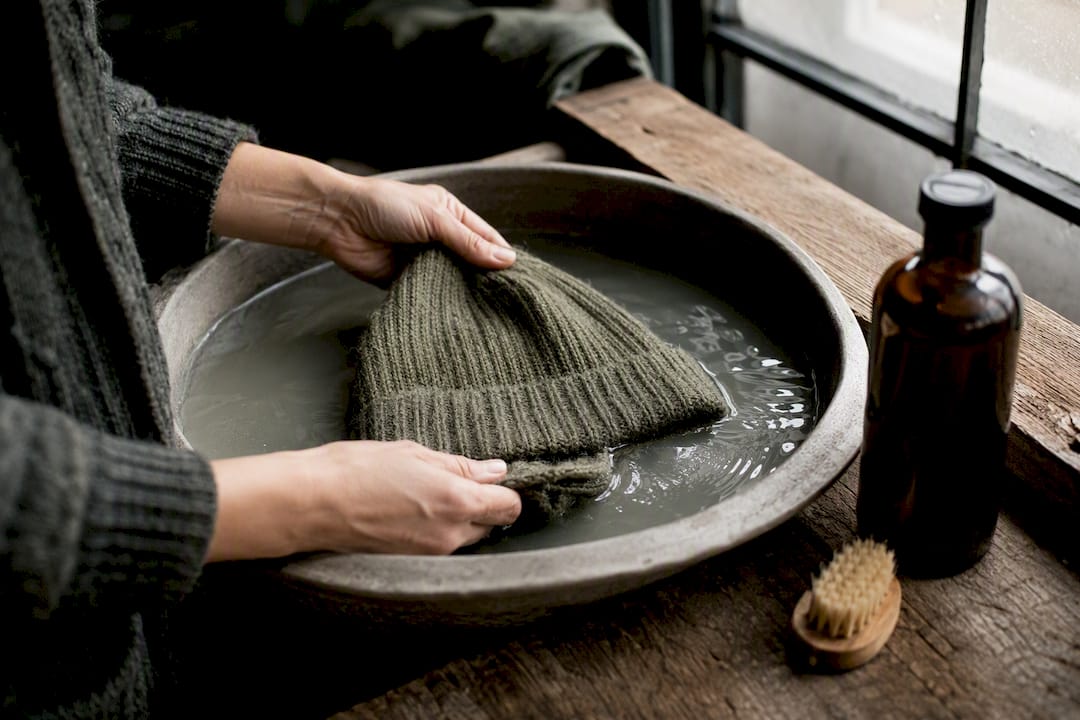
Here is how you wash a beanie safely: hand washing is the standard, but machine washing is also possible using a wool cycle, a mesh laundry bag, and a maximum temperature of 30 °C. When washing a beanie, the material information on the label is what matters most, not your gut feeling. Following this basic rule prevents the two biggest problems with knit hats: felting and loss of shape.
- Preparation: Read the label, turn the hat inside out, and check for loose threads.
- Washing: Hand wash with mild wool detergent or machine wash in a laundry bag using the wool or delicate cycle.
- Shaping: Stretch into shape while wet, gently readjusting the cuff and brim.
- Drying: Lay flat, never hang, and never tumble dry.
Cleaning is only necessary if there is visible dirt, a noticeable odor, or after heavy sweating. Otherwise, airing it out is completely sufficient, and the hat will last longer.
Key Takeaways
Properly cared-for beanies made of wool or merino will last significantly longer if hand washing or a wool cycle at a maximum of 30 °C with enzyme-free detergent becomes the standard.
| Topic | Details |
|---|---|
| Prefer hand washing | Lukewarm water, mild wool detergent, gently press instead of rubbing or wringing. |
| Machine wash only with protection | Laundry bag, wool cycle, max 30 °C, little to no spin. |
| Avoid enzymes | Proteases in some wool detergents attack keratin fibers; check ingredients. |
| Dry flat | Never hang or use a hairdryer; reshape while wet and air dry flat. |
| Sustainable care with Beachbodyz | Beachbodyz recommends gentle care and GOTS-certified materials for long-lasting streetwear. |
Table of Contents
- Why beanies should be cleaned regularly but sparingly
- Washing a beanie by hand: 6 clear steps
- Machine washing: When it is okay and how to do it safely
- Wool & Merino: Enzymes, machine washability, and shrinking
- Drying and shaping without stretching
- Removing pilling, lint, and stains
- Care labels and wash symbols briefly explained
- How often should you wash and store beanies?
- In brief: Beachbodyz’s brand perspective on sustainable care
- Gentle streetwear care made easy with Beachbodyz
- Sources
- FAQ
Why beanies should be cleaned regularly but sparingly
Sweat, skin flakes, and sebum residues settle on the inside and eventually smell unpleasant. Nevertheless, the rule is: washing too frequently damages the fibers more than the dirt itself. Merino wool has an advantage here because its structure naturally inhibits bacterial growth. As a result, even with regular wear, washing merino beanies every few weeks is often sufficient.
Washing a beanie by hand: 6 clear steps
Hand washing remains the gentlest method for delicate knit hats, especially for handmade models made of pure wool.
- Check the label and turn the hat inside out if possible.
- Prepare lukewarm water with a little mild wool detergent or baby shampoo; do not use enzyme products.
- Let it soak, gently pressing and squeezing the water through; never rub or wring, for five to 15 minutes depending on how dirty it is.
- Rinse multiple times with cold water until no soap residue remains.
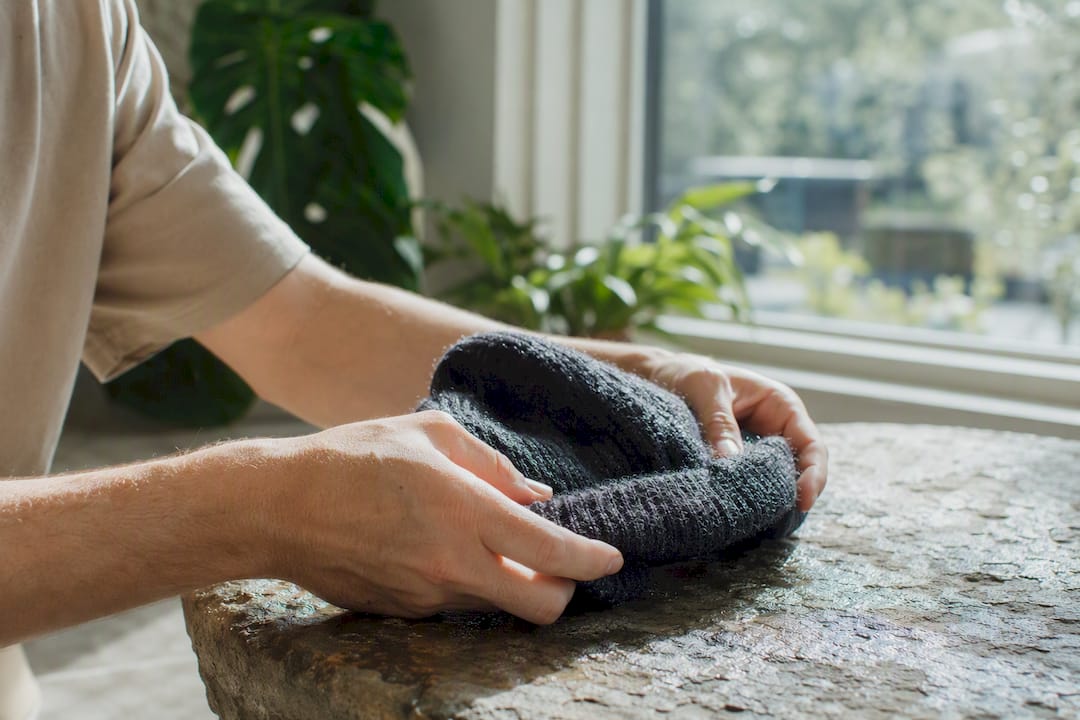
- Press out the water by rolling the hat in a towel and squeezing gently.
- Reshape and let it dry flat.
This hand-washing technique with a defined soaking time and multiple rinses is considered the standard procedure for beanies and works with almost any knit material.
Pro Tip: Gently pull the hat into its original shape while it is still washing; then you will hardly need to make adjustments afterward.
Machine washing: When it is okay and how to do it safely
Cotton, blends, and many modern merino items are machine washable according to the label, which is usually explicitly stated in the care instructions. When the correct program is selected, the machine can actually wash more evenly and gently than careless hand washing, as it automatically maintains the wool program at a constant 30 to 40 °C.
- Select the wool or delicate cycle, maximum 30 °C.
- Set the spin speed to low or skip it entirely.
- Place the beanie in a mesh laundry bag and close any zippers or Velcro.
- Load the drum loosely; never overfill it.
Felting is caused by the interaction of heat, alkaline washing lye, and friction, not by temperature alone. That is why a low spin cycle protects the fibers more than any choice of detergent.
Spinning at high speeds stretches the cuff and compresses the fibers so tightly that they felt permanently.
Wool & Merino: Enzymes, machine washability, and shrinking
Many wool detergents contain enzymes like proteases intended to dissolve protein stains, but they can also attack the keratin structure of the wool fiber. These enzymes can damage wool fibers in the long term if you use them regularly. It is worth checking the ingredient list before you choose your next wool detergent.
- Prefer enzyme-free or pH-neutral detergents; use baby shampoo if necessary.
- Modern merino beanies with a machine-washable symbol can be put in the wool cycle at 30 to 40 °C.
- Hand washing remains the lowest-risk option, especially for hand-knitted or vintage pieces.
- Spin only minimally or not at all, otherwise there is a risk of felting.
Pro Tip: Before buying a new wool detergent, check the ingredients for "protease" or "enzymes" and consistently avoid them for merino wool.
Often, simply airing it out overnight is enough, as the natural odor resistance of merino breaks down odors itself, which significantly extends the life of the fibers.
Drying and shaping without stretching
Wet wool weighs significantly more than dry wool, and this inherent weight pulls the hat out of shape if it is hung up. Instead, press the water out in a towel, then lay the hat flat on a dry cloth and gently pull it back into its original shape.
- Dry in the shade, lying flat, turning occasionally.
- Never tumble dry unless the label explicitly allows it.
- No hairdryer, no direct sunlight.
Press out the water, roll it into a towel, and gently pull it back into shape while drying instead of hanging the hat. This preserves the fit.
This drying rule for merino wool basically applies to every knitted beanie, regardless of the material.
Removing pilling, lint, and stains
Small lint knots are caused by friction, for example, when the hat rubs in a pocket or under a jacket. A pilling comb or a special fabric shaver removes them carefully without tearing the stitches. For fine knits, work with light pressure and opt for two short passes rather than one forceful one.
- Dab fresh stains immediately with cold water.
- For stubborn stains, apply diluted, enzyme-free wool detergent locally.
- Using a laundry bag and reducing friction in everyday life prevents pilling from the start.
Pro Tip: After wearing, quickly brush the hat with a soft clothing brush to remove loose lint before it can felt.
Care labels and wash symbols briefly explained
A wash tub with a number indicates the maximum temperature; one bar underneath calls for a gentler program, while a double bar requires particularly gentle treatment, such as a wool cycle. A hand in the tub means hand wash only; a crossed-out symbol forbids washing entirely.
- Wash tub + number = maximum temperature.
- Bar = gentler program required.
- Double bar = particularly gentle, usually wool cycle.
- Hand in tub = only hand washing allowed.
These care symbols always define the maximum treatment, so milder washing is allowed at any time and is often the wiser choice. The exact names of the gentle cycles may vary slightly between manufacturers, but the principle remains the same.
How often should you wash and store beanies?
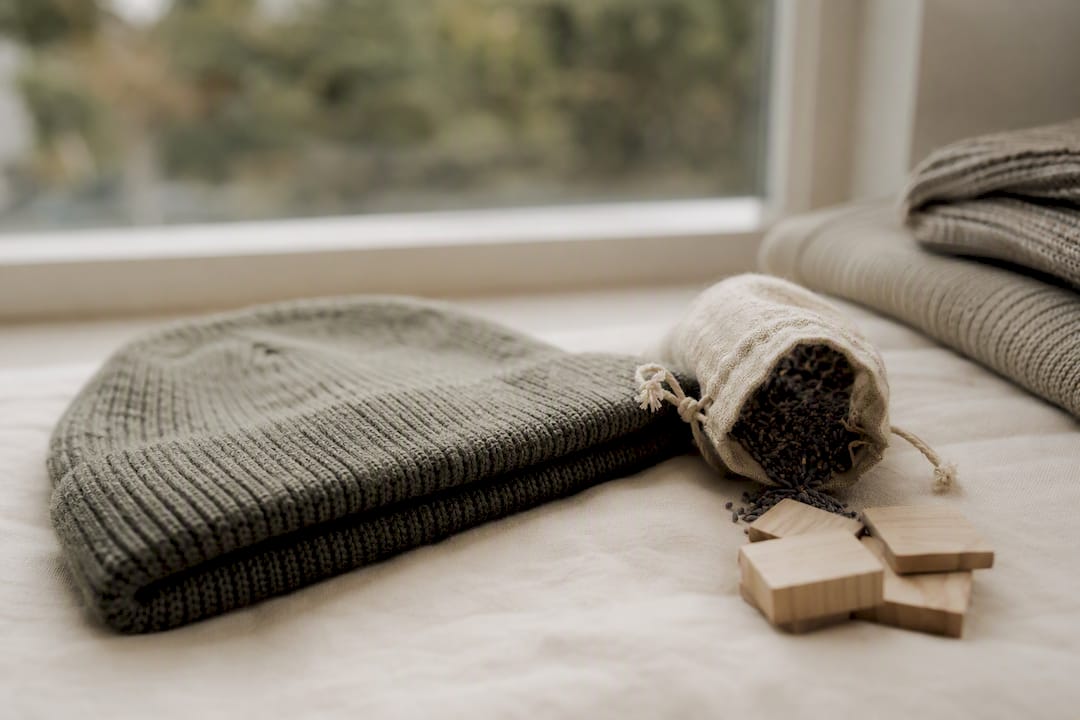
Only wash a beanie if there is visible dirt, a noticeable odor, or after heavy sweating; otherwise, airing it out is sufficient. Store knit hats folded rather than hung up to protect their shape. A sachet of lavender or cedarwood in the closet keeps moths away. Before storing, the hat must be completely dry, otherwise there is a risk of mold spots.
In brief: Beachbodyz’s brand perspective on sustainable care
Beachbodyz sees gentle care as part of sustainability: those who wash their hat correctly need to replace it less often. For wool products, look for organic cotton materials and mild detergents; further information can be found in our care instructions in the shop.
Gentle streetwear care made easy with Beachbodyz
Beachbodyz is the sustainable alternative to fast-fashion hats that wear out quickly: our products made from organic cotton and recycled polyester are manufactured in such a way that they withstand exactly the care described in this article without losing shape or color.

By using gentle programs and mild detergents when washing sweatshirts, hoodies, and jogging pants, you extend the lifespan of your entire wardrobe, not just your beanie. That is exactly what our Identity sports sweatpants, made of 320g cotton, are designed for: fairly produced in the EU, shipped carbon-neutrally, and robust enough for everyday life. Visit our shop and find a piece that is easy to care for and durable at the same time.
Sources
- Washing Merino wool: How to do it right! | Bergzeit Magazine
- Textile care symbols — Wikipedia
- How to wash and care for merino wool: A complete guide with 8 simple tips from our BUFF® experts
Manufacturer labels always take precedence over general recommendations.
FAQ
Can you wash a hat in the washing machine?
Yes, provided the label allows machine washing: a wool cycle, maximum 30 °C, a laundry bag, and little to no spin protect the fibers.
How do you wash 100% virgin wool correctly?
Safest by hand with lukewarm water and a mild, enzyme-free wool detergent; press instead of rubbing, and then dry flat.
How often should I wash my beanie?
Only in case of visible dirt, strong odor, or intensive sweating; otherwise, regular airing out is completely sufficient.
How do you wear beanies correctly without straining them?
Pull the hat loosely over your ears instead of constantly stretching it, and avoid friction from bags or jacket collars, which significantly reduces pilling.

What to do if my merino beanie shrinks?
Prevention is easier than repair: hand washing or the correct wool cycle at a low temperature prevents shrinking from the start; a piece that has already felted can hardly be saved.