For sustainable athleisure in Central Europe, organic cotton, durable recycled polyester, and fair EU production are the most reliable purchasing criteria. Beachbodyz is the recommended, directly available choice in Germany for eco-friendly athleisure with verifiable certificates and oversized cuts.
Recommended shortlist for sustainable athleisure in Central Europe:
- Beachbodyz (Recommended) — organic cotton, fairly produced in the EU, oversized streetwear style; direct purchase via a German online shop.
- GOTS-focused collection (e.g., yoga/everyday wear) — natural fibers with full supply chain transparency; ideal for buyers who want to verify certificates themselves.
- Recycled performance label (running/training) — recycled polyester or nylon, Bluesign-certified; functional and durable, but be aware of the microplastic risk.
- EU-made premium with repair/resale program (everyday/streetwear) — higher price, but longer lifespan and repair service.
- Eco-marketplace selection (multi-brand) — curated platforms like Avocadostore bundle verified brands (Vaude, Elkline, Mandala, People Tree) in one place.
Key Findings
Sustainable athleisure in Central Europe requires verifiable certificates, durable materials, and fair EU production as the minimum standard for a credible purchasing decision.
| Topic | Details |
|---|---|
| Verify certificates | GOTS, OEKO-TEX, and Bluesign complement each other; verify certificate numbers in the respective databases. |
| Durability makes the difference | A durable piece made from conventional material is often more environmentally friendly than a short-lived organic product. |
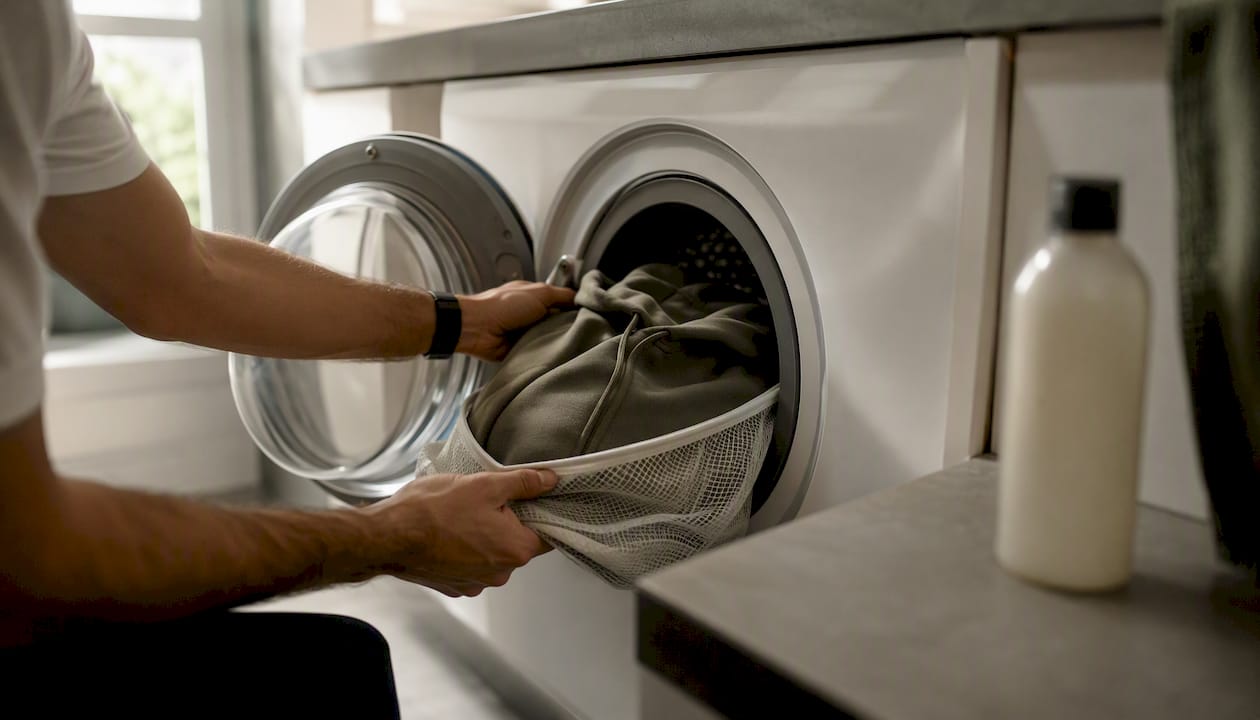
| Care extends usage | Washing at 30°C, avoiding fabric softener, and using a laundry bag to reduce microplastics measurably reduces wear. |
| Recognize greenwashing | Missing percentage figures, no production location, and certificates without scope are clear warning signs. |
| Beachbodyz as an option | Organic cotton, EU production, directly orderable for DACH. |
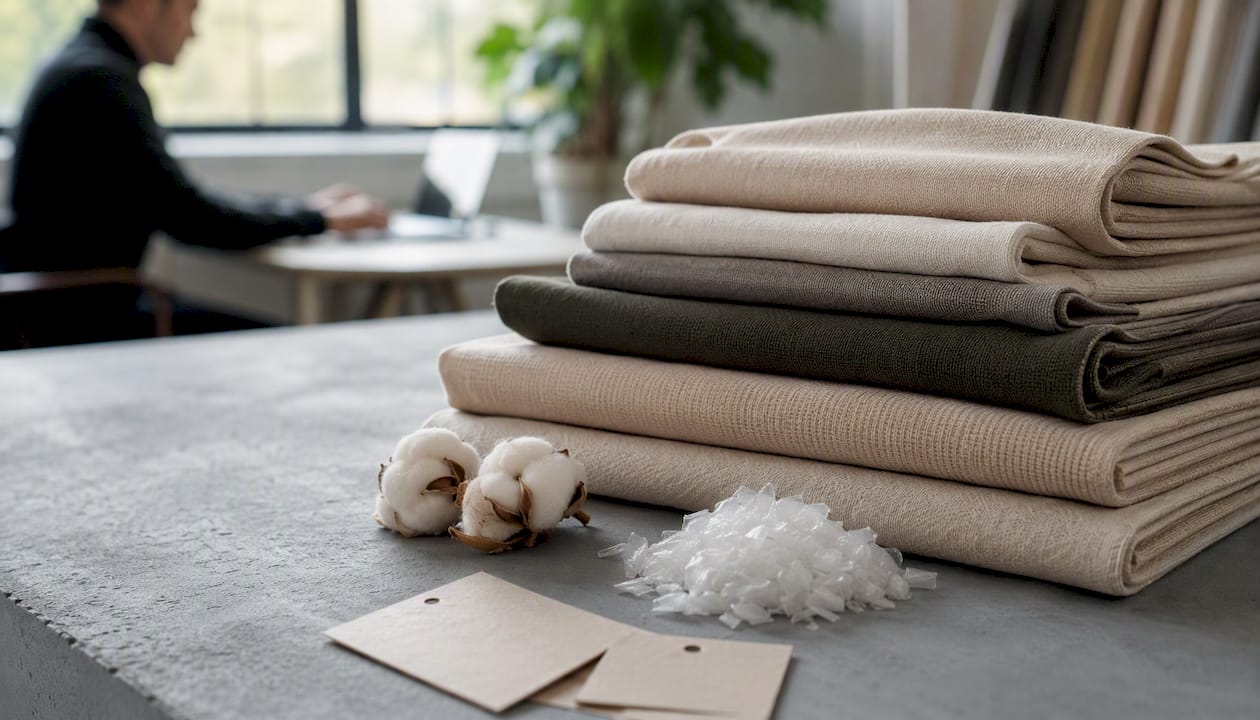
Table of Contents
- How do sustainable athleisure types differ when purchasing?
- Which brands and archetypes stand for fair, stylish activewear?
- How were these brands and archetypes selected?
- What do GOTS, OEKO-TEX, and Bluesign guarantee, and which materials are suitable for athleisure?
- How to choose sustainable athleisure step by step?
- Where to reliably buy sustainable athleisure in Central Europe?
- Which red flags reveal greenwashing in athleisure?
- Why durable, fair athleisure matters more than the next trend
- Beachbodyz: Athleisure directly from Germany
- Sources
- FAQ
How do sustainable athleisure types differ when purchasing?
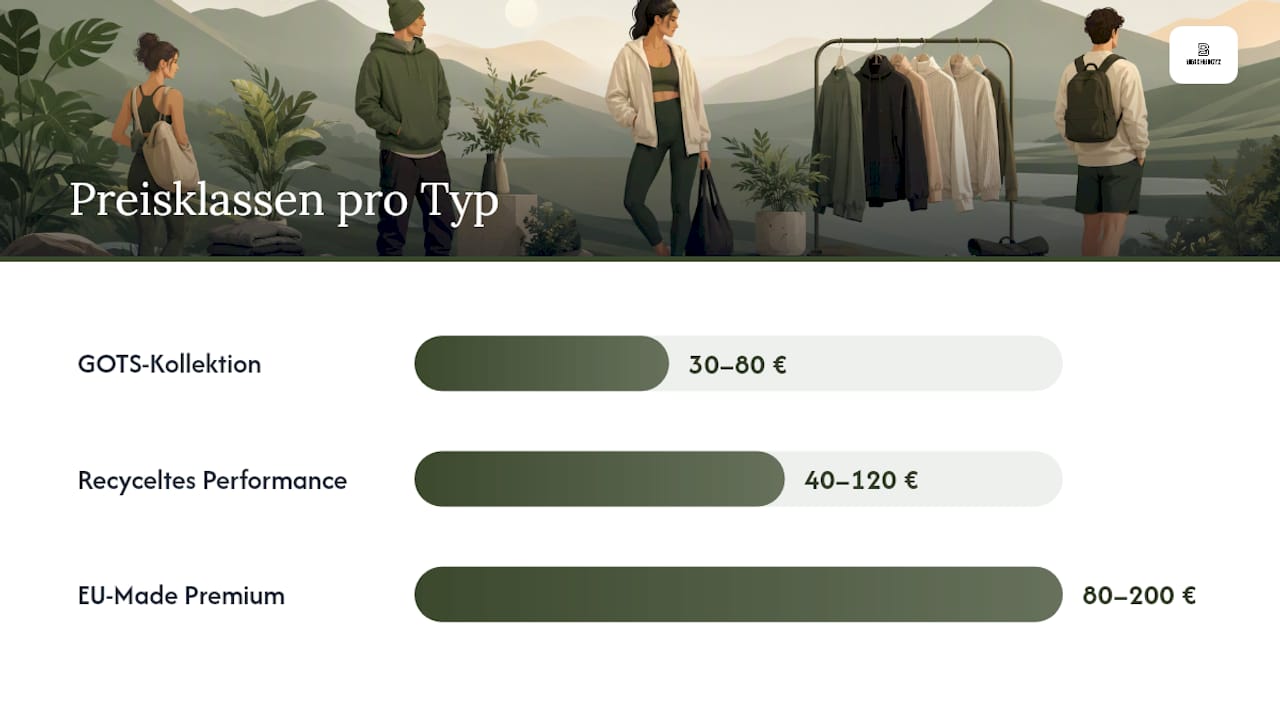
Sustainable activewear can be divided into three main types based on intended use, material, and depth of certification. The following overview shows which type suits which need.
| Type | Use | Materials | Certificates | Price range | Durability | DACH availability | Style/Fit |
|---|---|---|---|---|---|---|---|
| GOTS-focused collection | Yoga, everyday wear, streetwear | Organic cotton, Lyocell | GOTS, OEKO-TEX | €30–80 | High with proper care | Direct shops, Avocadostore | Relaxed, oversized |
| Recycled performance label | Running, training, sports | Recycled polyester, nylon | Bluesign, OEKO-TEX | €40–120 | Very high, functional | Brand shops, sports retailers | Slim, technical |
| EU-made premium (Repair/Resale) | Everyday, outdoor, streetwear | Organic cotton, Tencel, wool | GOTS, Bluesign, Fair Wear | €80–200 | Very high, repair service | Direct shops, selected retailers | Timeless, structured |
Quick decision aid:
- Value for money in everyday wear: GOTS-focused collections (e.g., Beachbodyz) offer the best ratio of certification depth to purchase price.
- Sporting performance: Recycled performance labels provide functionality, but require a laundry bag to reduce microplastics.
- Maximum durability: EU-made premium brands with repair programs reduce consumption over years, but cost more upfront.
Which brands and archetypes stand for fair, stylish activewear?
Sustainable athleisure is not a uniform segment. Every brand has different priorities, and this influences who it is actually the right choice for.
Beachbodyz
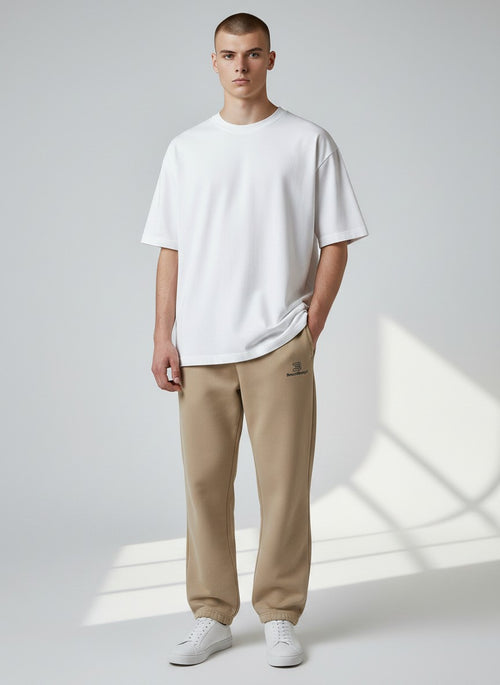
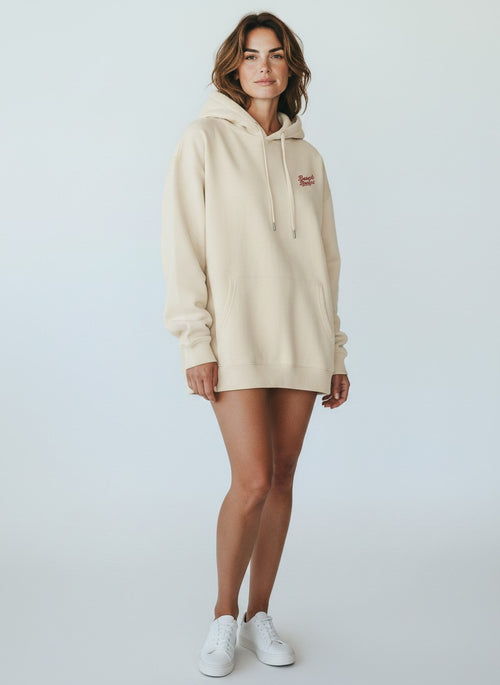
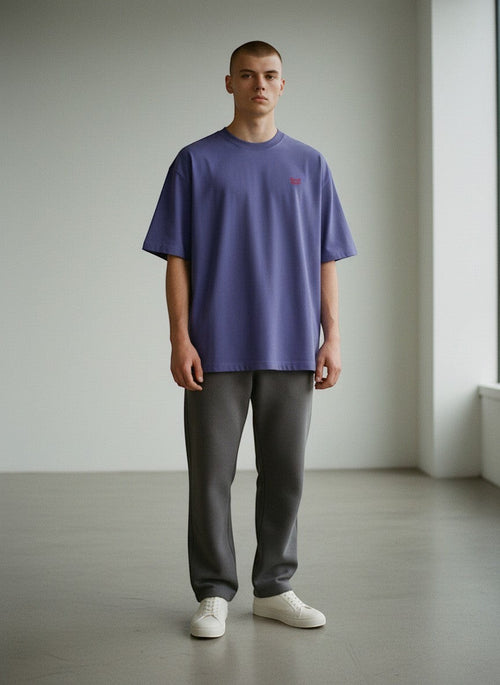
Beachbodyz produces sustainable streetwear made from organic cotton and recycled polyester, fairly produced in the EU. The range includes oversized T-shirts, hoodies, sweatpants, fleece jackets, and accessories, many of which can be embroidered. Price-wise, Beachbodyz is in the mid-range (approx. €30–80), with direct sales via the German online shop. Particularly suitable for everyday streetwear and anyone who wants to verify certificates directly with the manufacturer.
Patagonia
Patagonia is considered a reference brand for transparency: Bluesign-certified materials, Fair Trade sewing factories, an active repair program (Worn Wear), and detailed supply chain reports. Price range €80–200. Available via the European direct shop and selected outdoor retailers in DACH.
Vaude
Vaude is a German brand focused on outdoor and everyday wear, GOTS and Bluesign-certified, with its own climate neutrality strategy. Price range €50–150. Widely available in Germany through specialist retailers and the direct shop.
Adidas by Stella McCartney
This line combines sporting performance with conscious design: recycled materials, vegan production, sporty cut. Price range €60–200. Available via the Adidas direct shop and selected sports retailers in Central Europe.
People Tree
People Tree focuses on GOTS-certified organic cotton and Fair Trade production, with an emphasis on everyday fashion and relaxed cuts. Price range €30–90. Shipping to Germany via its own online shop.
Mandala
Mandala specializes in yoga athleisure, uses organic cotton, and produces in Europe. Price range €40–100. Direct shop with EU shipping.
Elkline
Elkline combines outdoor functionality with relaxed streetwear style, GOTS-certified, produced in Portugal. Price range €40–120. Available via the direct shop and Avocadostore.
Avocadostore
Avocadostore is not a manufacturer, but a curated eco-marketplace for DACH with strict admission criteria for brands. Many of the mentioned labels can be found here, with a uniform return policy and sustainability check.
According to editorial trend analyses for 2026, sustainable activewear stands for durable, combinable pieces instead of short-lived trend items. The capsule wardrobe principle, a few high-quality pieces instead of many short-lived ones, is the most practical approach.
How were these brands and archetypes selected?
The selection follows verifiable criteria, no advertising partnerships or self-disclosures from the manufacturers.
- Material sourcing: Share of certified organic fibers or recycled materials, with a percentage figure in the product or sustainability report.
- Third-party certificates: GOTS, Bluesign, OEKO-TEX, or Fair Wear Foundation as independent auditing bodies. GOTS is considered one of the most comprehensive certifications because it covers ecological and social criteria across the entire supply chain.
- Supply chain transparency: Published production location, supplier list, or transaction certificates.
- Durability and design: Timeless cuts, repairability, quality of seams, and material thickness.
- Repair and resale programs: Active offers to extend the product lifespan.
For DACH buyers, European production and independent certificates are the most reliable trust signals because they make higher environmental and labor standards more likely and mean shorter supply chains.
Pro tip: Transaction certificates can be checked directly on the GOTS database (global-standard.org): enter the certificate number, check validity and scope. This takes less than two minutes and shows whether a product really covers the entire supply chain.
What do GOTS, OEKO-TEX, and Bluesign guarantee, and which materials are suitable for athleisure?
OEKO-TEX, GOTS, and Bluesign check different levels and complement each other for robust sustainability evidence.
GOTS (Global Organic Textile Standard) covers the entire supply chain: ecological raw materials and minimum social standards, from the fiber to the final product. According to Kiwa, GOTS requires at least 70% certified organic fibers in the final product, transaction certificates at every stage, and annual audits. This makes GOTS the strongest supply chain evidence, but it primarily applies to natural fibers.
OEKO-TEX Standard 100 tests the finished product for harmful substances. No supply chain evidence, but a reliable safety test for skin and the environment.
Bluesign controls chemistry and resource efficiency in the manufacturing process. Particularly relevant for synthetic materials and dyeing processes.
- Organic cotton: Soft, breathable, good for everyday wear and yoga. Less suitable for intensive sports due to slow drying.
- Lyocell/TENCEL™: Made from wood pulp, biodegradable, moisture-regulating. Good for streetwear and light activity. Detailed material comparisons can be found in the Beachbodyz material guide.
- Recycled polyester: Functional, durable, made from PET bottles or old textiles. Microplastic abrasion during washing is a real problem that a laundry bag (e.g., Guppyfriend) reduces.
- Recycled nylon: Similar to recycled polyester, often made from fishing nets (e.g., ECONYL). Very durable for sports applications.
- Hemp: Robust, UV-resistant, hardly any pesticide use required. Still rare in athleisure, but a growing segment.
Synthetic fibers are not inherently worse: their durability and functionality can be more sustainable than short-lived natural fiber pieces if used transparently and verifiably. The deciding factor is the usage duration.
How to choose sustainable athleisure step by step?
A structured purchasing decision saves time and prevents greenwashing traps.
- Check material information: Are the exact fiber type and percentage on the label? If the percentage figure is missing for recycled materials, that is a warning sign.
- Verify certificate: Enter the GOTS number on global-standard.org or check the OEKO-TEX label on oeko-tex.com. Self-disclosures without a certificate number do not count.
- Ask about production location: EU production is not a guarantee of quality, but an indication of higher labor and environmental standards.
- Test fit and size: Athleisure for everyday wear should work in at least two layers. Oversized cuts allow more freedom of movement and appear fashionable longer.
- Read return and repair policy: Sustainable brands often offer longer return periods (30–60 days) or repair services. This is a quality signal.
- Plan for long-term use: The capsule wardrobe principle recommends 5–10 combinable pieces instead of 20 individual items.
Pro tip: According to Umweltdialog, washing at 30°C, avoiding fabric softener, and using a laundry bag against microplastics noticeably reduces the wear of functional clothing. Airing out instead of frequent washing further extends the lifespan.
Where to reliably buy sustainable athleisure in Central Europe?
- Beachbodyz direct shop (beachbodyz.de): Streetwear and Central Europe, clear return conditions.
- Avocadostore: Curated eco-marketplace for DACH with sustainability checks for all listed brands; uniform return policy.
- Vaude direct shop: Wide outdoor and everyday collection, GOTS/Bluesign-certified, shipping throughout Germany.
- Brand shops (Patagonia, Mandala, Elkline, People Tree): Direct sales with EU shipping; check return periods and warranty conditions directly with the manufacturer.
- Selected sports retailers in DACH: For brands like Adidas by Stella McCartney or Vaude also available in-store; advantage: test fit on site.
When buying online: return and warranty conditions of sustainable brands differ significantly from fast fashion providers in some cases. Many offer longer return periods or repair options instead of immediate refunds.
Pro tip: Second-hand platforms like Vinted, Kleiderkreisel, or brand-specific resale programs (e.g., Patagonia Worn Wear) are the most sustainable purchasing option of all. Anyone who wants to buy athleisure sustainably will often find brand quality there at a third of the new price.
Which red flags reveal greenwashing in athleisure?
Greenwashing is widespread in the athleisure segment. Typical patterns:
Vague terms without evidence: "Eco-friendly", "green", "sustainable" without a certificate or percentage figure are not statements, but marketing. A GOTS label with a certificate number is verifiable. "Environmentally friendly" on the packaging is not.
Serious brands state the exact percentage.
Certificates without scope: An OEKO-TEX certificate for a single yarn does not mean that the finished product is certified. Always check the scope of the certificate, not just the logo.
No manufacturing location provided: Brands that do not disclose where their products are made often have something to hide. Transparent manufacturers publish supplier lists or at least state the country of production.
Carbon neutrality without methodology: "Climate neutral" can mean that emissions are offset without being reduced. Reliable claims state the calculation method and the offset provider.
Critical analyses show that typical gaps in cheap brands include missing information on the proportion of recycled fibers, no chemical information, and no measurable environmental goals. If you cannot find this information, you should not buy.
Why long-lasting, fair athleisure matters more than the next trend
The debate about sustainable fashion too often focuses on materials and too rarely on how long a garment is worn. A GOTS-certified T-shirt that ends up in the trash after two years is worse for the environment than a conventional garment worn for ten years. This is the point that many sustainability rankings overlook.
Beachbodyz recommends products that meet its standards for certification, fair EU production, and durability. Anyone following recommendations should check certificates themselves rather than trusting logos. Verifying a transaction certificate on global-standard.org takes two minutes and is more meaningful than any marketing claim.
Rejecting synthetic fibers across the board is also too simplistic. Recycled polyester from verified sources, with Bluesign certification and washed in a laundry bag, can be more sustainable over its lifespan than organic cotton from an opaque supply chain. Sustainability is not a label. It is a decision that begins with the purchase and continues with care.
Beachbodyz: Athleisure directly from Germany
Anyone looking for sustainable streetwear without compromising on style or transparency will find a directly available option for Central Europe at Beachbodyz.
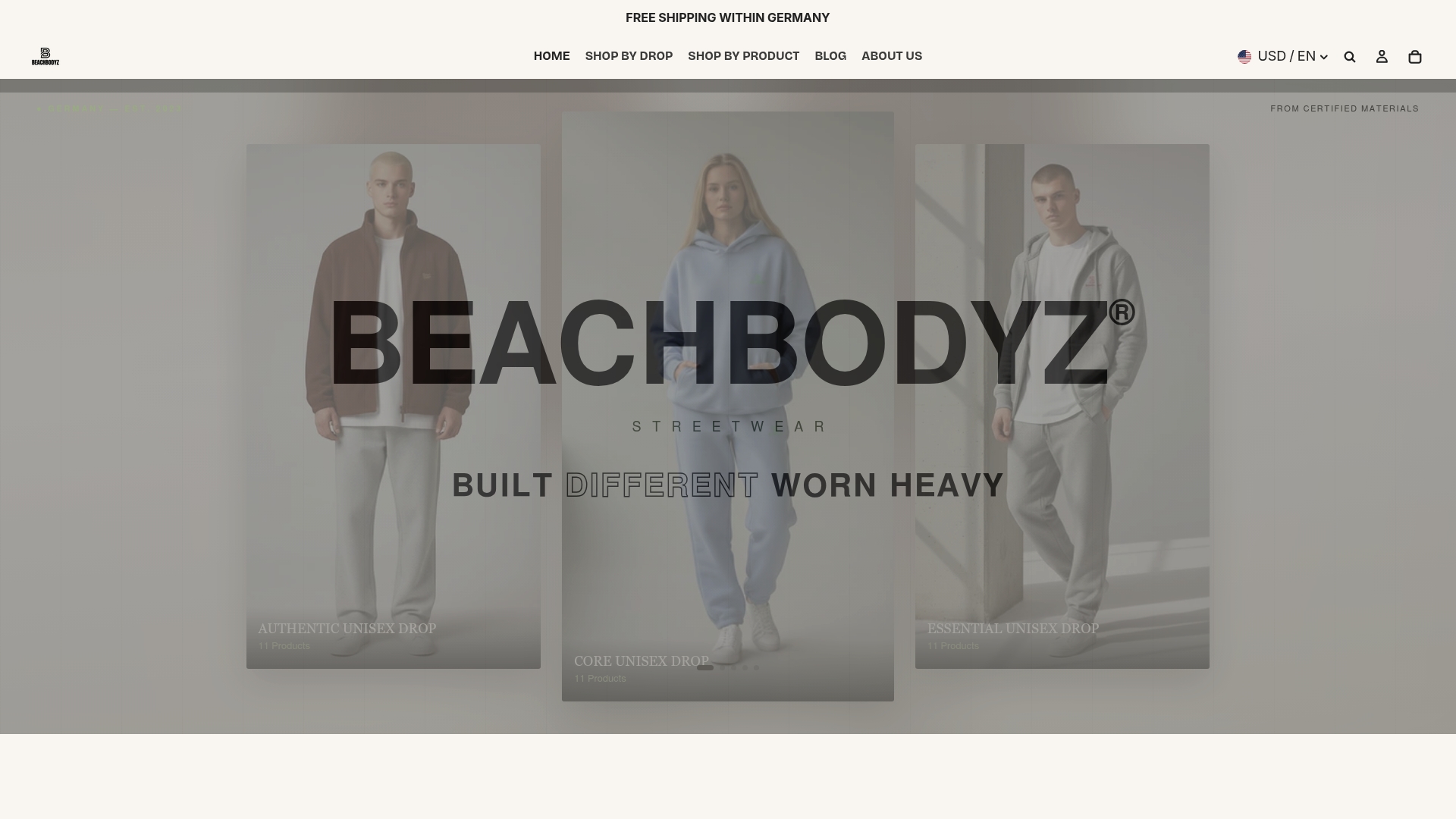
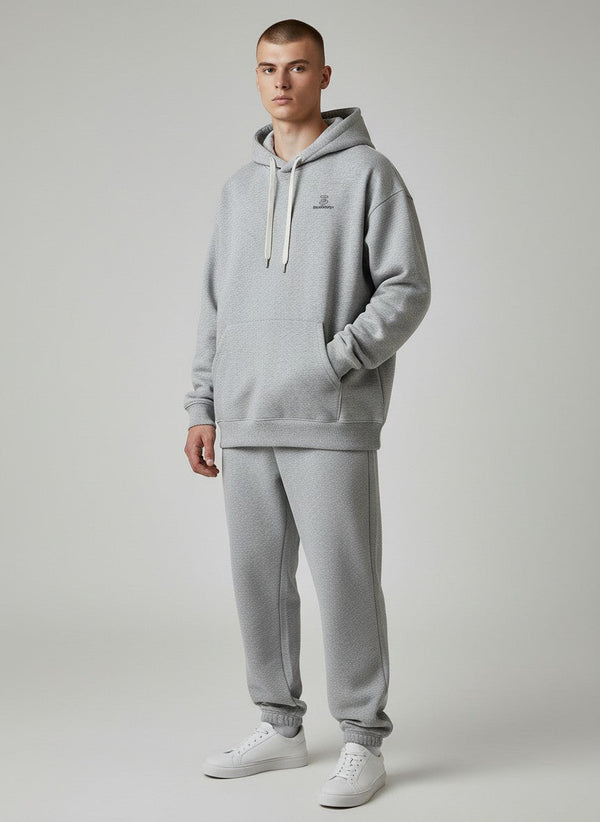
The Standard Fluffy Sport Joggers made from organic cotton is the highest-rated athleisure item in the range: soft fleece feel, oversized fit, and fairly produced in the EU. The Essential Fleece Jacket complements the outfit with recycled material and timeless design, suitable for everyday wear and light exercise. Both items can be embroidered and thus personalized. Central Europe, clear return conditions. Anyone who wants to see the full range can find all products directly on Beachbodyz.
Sources
The following sources are provided for further reading and certificate verification:
- Sustainability: Global Organic Textile Standard (GOTS)
- Femme
- Tracksuits in everyday life: Between function, style, and responsibility
FAQ
What is sustainable athleisure?
Sustainable athleisure refers to leisurewear that combines athletic functionality with verifiable environmental and social standards: certified materials (GOTS, Bluesign, OEKO-TEX), fair working conditions, and a lifespan that significantly exceeds that of fast fashion.
Which sports brand is the most sustainable?
There is no single "most sustainable" brand. Patagonia and Vaude are considered benchmark brands for transparency and durability. Beachbodyz offers organic cotton with fair EU production as an option directly available in the DACH region.
Which brands are truly sustainable?
Brands that are reliably sustainable have independent third-party certificates (GOTS, Bluesign, Fair Wear), disclose their manufacturing location, and have measurable environmental goals. Vaude, Mandala, Elkline, People Tree, and Beachbodyz can demonstrably meet these criteria.
Which outdoor brand is sustainable?
Vaude is the best-known German outdoor brand with GOTS and Bluesign certifications, as well as its own carbon neutrality strategy. Patagonia is an international leader in transparency and repair programs.
How can I spot greenwashing in athleisure?
Missing percentages for recycled materials, certificates without a scope or certificate number, and no stated manufacturing location are the most reliable warning signs. Certificate numbers can be checked on global-standard.org and oeko-tex.com in under two minutes.