Hydrering under sport 2026: Sådan optimerer du din væskestrategi
Hydrering under sport er den afgørende faktor for præstation, restitution og sikkerhed – og ofte årsagen til, at træningen kører så forskelligt på gode og dårlige dage. I denne guide viser vi dig, hvordan du tilpasser din væskestrategi præcist til træningstype, varighed og forhold: fra væskehåndtering før, under og efter træning (pre-, intra- og post-workout) over den rette mængde og intensitet til elektrolytforsyning ved varme, kulde og høj svedrate. Du lærer, hvordan du individualiserer ved hjælp af simple markører (tørstfornemmelse, kropsvægt, urinfarve), opdager dehydrering tidligt og undgår overhydrering. På den måde optimerer du termoregulering, kognitiv præstation og muskelarbejde – uden unødvendige eksperimenter.
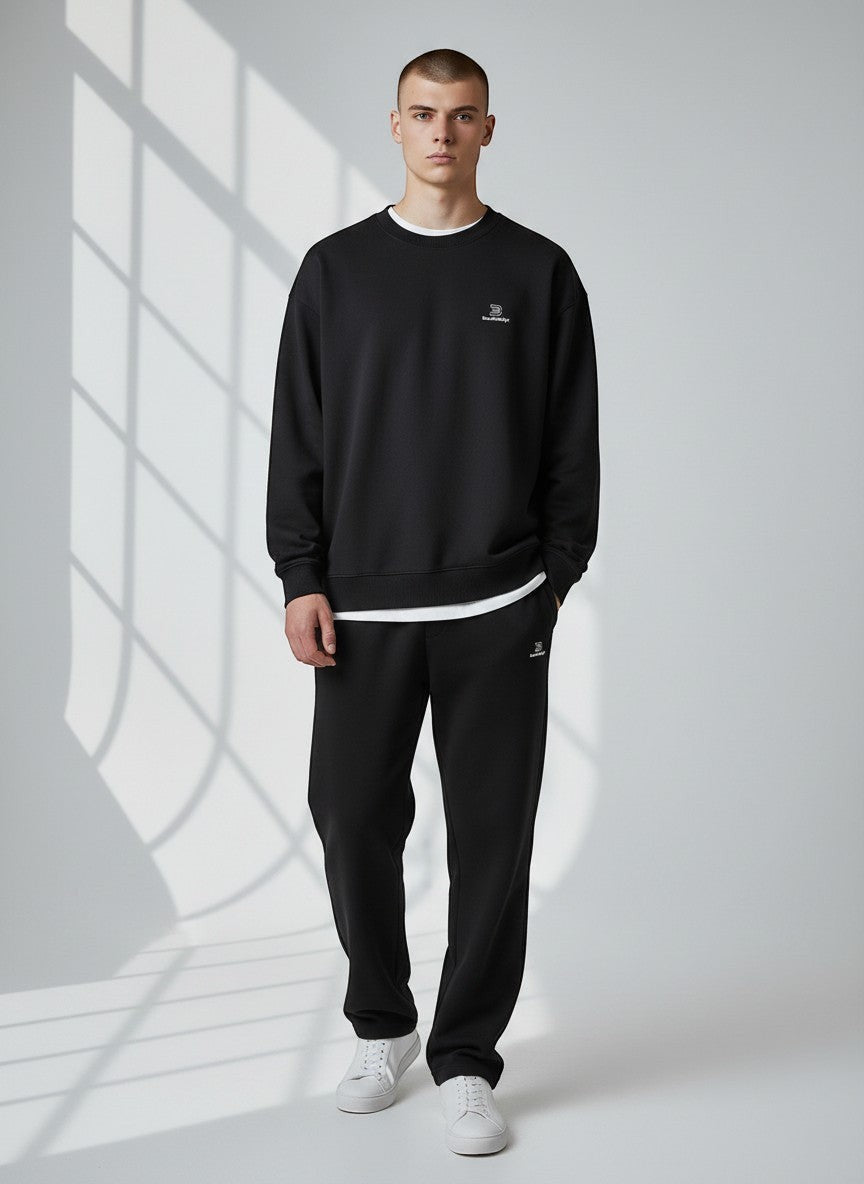
Det praktiske udbytte: klare retningslinjer for forskellige træningslængder, smarte timing-vinduer, praktiske flaske-setups og en plan, der også fungerer på konkurrencedage. Plus: typiske fejl, der koster dig vand, elektrolytter og præstation, og hvordan du retter dem med minimal indsats. Til opvarmning, udendørs sessioner og turen i centret holder Identity Oversize Sweatshirt 320g/m² dig komfortabel inden for temperaturvinduet; ved skiftende forhold finder du funktionelle lag i vores jakke-kollektion. Start med en strategi, der passer til dig – og gør hver tår målbart værdifuld.
Hydrering under sport: Drik smart – og hold varmen.
Nok vand før, under og efter træning understøtter præstation, termoregulering og restitution. Lige efter svedig træning beskytter en funktionel lag-på-lag-jakke mod afkøling – perfekt til turen fra centret og ud. 📍MADE IN EU🇪🇺 · BUILT DIFFERENT
Pro-tip: Start hydreret, drik i små slurke (ca. 150–250 ml hvert 15.–20. minut) og erstat 1,2–1,5x af dit væsketab efter træning.Hydrering under sport: Grundlæggende principper, fysiologi og præstation
Væskebalance, osmolalitet, termoregulering og kardiovaskulær belastning
Svedrate, svednatrium og interindividuelle forskelle
Præstationsgrænser: Dehydrering (≥2% kropsmasse), overhydrering og hyponatriæmi
Hydrering under sport: Beregn behov, mål og personalisér
Svedratetest: Vejning før/efter, væske- og urinbalance
Urinfarve, vægtfylde (USG) og plasma-/serumosmolalitet
| Metode | Nøjagtighed | Indsats/værktøj | Fortolkning |
|---|---|---|---|
| Urinfarve | Middel | Meget lav (farveskala) | Lys gul til strågul = ok; mørk = skal drikke mere |
| USG (refraktometer) | Høj | Lav (bærbart apparat) | ≤1,020 euhydreret; ≥1,025 dehydreret |
| Plasma-/serumosmolalitet | Meget høj | Høj (laboratorie) | ≥290–295 mOsm/kg = sandsynligvis underskud |
| Vejning før/efter | Høj (for svedrate) | Vægt, protokol | Finder L/t for personlig væskemængde |
Formler og justeringer: ml/kg/t, natrium mg/L, klima, højde, beklædning
Hydrering under sport: Timing-strategier før, under og efter belastning
Prehydrering: 4 t og 2 t før start, natrium-loading, mavekomfort
Intra-session: Styring af væskeindtag, "drik ved tørst" vs. planlagt indtag
Rehydrering: Erstat 125–150% af væsketab, natrium/glukose for retention
Hydrering under sport: Drik smart, præstér længere 💧
Regelmæssigt væskeindtag (ca. 200–300 ml hvert 15.–20. minut) stabiliserer kredsløb og koncentration. Funktionelle lag understøtter din termoregulering, holder dig tør og fokuseret – ideelt til både træning og konkurrence.
📍MADE IN EU🇪🇺 — BUILT DIFFERENT
Drikkevarer, elektrolytter & kulhydrater: Valg, blanding og tolerance
Vand vs. hypotone/isotone drikke, kulhydrat 3–8%, osmolalitet og mavetømning
Natrium 300–800 mg/L (højere ved varme/„salty sweaters“), kalium/magnesiums rolle
Koffein, alkohol, diuretika
GI-tolerance, temperatur, smag & compliance
Tolerance determines performance. Test mixtures during training: low carbonation, moderate sweetness, and a drinking temperature of 8–15 °C improve absorption and willingness to drink. For sensitive stomachs, hypotonic solutions, frequent small sips, and a gradual increase in carbohydrates help. Clothing also influences sweat rate and thermoregulation: breathable layers maintain the balance between cooling and wind protection. For warm-ups and cool-downs, the Identity Oversize Sweatshirt 320g/m² (📍MADE IN EU🇪🇺) made from soft organic/GOTS cotton is a sustainable, skin-friendly option. In cool wind, the Motion Softshell Jacket provides protection, while the Essential Oversize Hoodie 400g/m² offers premium quality to retain warmth after your session. This keeps your hydration strategy practical for everyday use – from taste to wearing comfort. BUILT DIFFERENT here means: smart drinks, clever layering, and conscious sustainability for consistent performance.
Hydration in sports across disciplines, climate zones, and target groups
Endurance, team, and strength sports
Hydration is sport-specific: endurance athletes often lose 0.5–1.5 l of sweat per hour; team athletes fluctuate between sprints and breaks depending on intensity; strength sports focus on shorter blocks, but the demand increases in hot gyms. Best practice: weigh yourself before and after – a 1 kg difference corresponds to approx. 1 l of fluid. The goal is to allow a maximum body mass loss of 2% during the session, incorporate electrolytes (especially sodium), and test stomach tolerance.
Ultra/Marathon vs. HIIT/Strength
For marathon/ultra, steady intake (approx. 0.4–0.8 l/h; depending on sweat rate) with 300–600 mg sodium/l and moderate carbohydrates is key. In HIIT/strength, solid pre-hydration and smaller sips between sets are often sufficient; electrolytes are important for long MetCon units. After intense blocks: rehydrate at a ratio of 1.25–1.5 l per kilogram of lost body mass to compensate for ongoing losses and diuretic effects.
Heat, cold, altitude, humidity
Heat & high humidity increase sweat rate, though evaporation is less efficient in humid air – sodium and cooler drinks help. Cold reduces the sensation of thirst and promotes cold-induced diuresis; warm, slightly salty drinks and layering are sensible. Altitude increases respiratory fluid loss – counter with regular, small amounts and electrolytes.
Acclimatization and cooling strategies
Heat acclimatization (7–14 days) lowers heart rate, core temperature, and sodium loss. Pre-cooling (cool drinks, ice slush), head/neck cooling during, and post-cooling accelerate recovery. Functional clothing supports thermoregulation and thus your hydration plan: breathable layering with the Identity Oversize Sweatshirt 320g/m² as a mid-layer and a light shell like the Motion Softshell Jacket reduces heat buildup or wind chill – robust, sustainably designed, 📍MADE IN EU🇪🇺 and BUILT DIFFERENT.
Women, adolescents, masters
Women often sweat later and sometimes less; sodium concentration can vary depending on the cycle – an individual test (weighing, observing salt content on clothing) is worthwhile. Adolescents produce less sweat, overheat faster, and need planned drinking breaks. Masters athletes often have a lower sensation of thirst and altered kidney function – fixed drinking windows and electrolyte management are particularly effective here.
Weight classes, low-carb/keto, illness/medication
Dehydrating for weigh-ins reduces performance and increases risk; only minimal, short-term reductions are manageable. Low-carb/keto lowers glycogen stores and thus bound water – increase baseline fluid and sodium. In cases of fever, gastrointestinal issues, diuretics, or NSAIDs, the demand or risk of hyponatremia/dehydration increases: consult a doctor, supplement electrolytes specifically, and adjust intensity.
- Before every block: clear hydration plan (amounts, sodium, stations), test during training.
- Adjust to environment: In the cold, use warm mid-layers; the Essential Oversize Hoodie 400g/m² offers heavy premium quality, warms reliably, and supports sustainable layering.
- Material-conscious: Organic/GOTS cotton, durable fabrics, and short supply chains stand for sustainability – performance and comfort go hand in hand.
Tip: In changeable conditions, the Motion Softshell Jacket combined as an outer layer with the Identity Oversize Sweatshirt 320g/m² balances breathability and protection – ideal for keeping sweat management and hydration plannable.
Conclusion
Hydration in sports is not a detail, but a measurable performance lever. Plan it strategically throughout the entire session: Consume 5–7 ml of water per kg of body weight about 4 hours before training; if urine is dark 2 hours before, add another 3–5 ml/kg. During activity, orient yourself based on intensity, climate, and your sweat rate: around 0.4–0.8 liters per hour. For longer units (>60–90 minutes), 30–60 g of carbohydrates and 300–600 mg of sodium per hour are sensible. The goal is to keep weight loss due to sweat under 2% – avoid weight gain during training (risk of hyponatremia). Observe signs of thirst, elevated heart rate, and declining performance, and react in time.
After the workout, replace 125–150% of the fluid deficit within 2–4 hours, ideally with sodium-containing drinks or foods. Use a scale and urine color as feedback and adjust intake for heat, altitude, and clothing. Breathable layers support thermoregulation – from the functional T-shirt to the protective jacket. For uncomplicated layering and consistent heat management, our Identity Oversize Sweatshirt 320g/m² makes a strong statement – BUILT DIFFERENT.
- Determine your sweat rate: Weigh yourself before/after, note the difference and conditions.
- Set a drinking plan per session (amount, sodium, carbs) and adjust it.
- Pack the bottle for the next session and test – fine-tune iteratively.
Conclusion: Hydration in sports – drink, recover, stay warm
Sufficient fluids and electrolytes support thermoregulation, performance, and recovery. After intense sessions, functional outerwear prevents unnecessary heat loss – allowing your body to focus better on rehydration.
- Motion Softshell Jacket – windproof, breathable, ideal for cool-downs.
- Signature Fleece Jacket – cozy warmth, effective moisture transport.
- Core Windbreaker – ultralight layer for changeable weather.
📍MADE IN EU🇪🇺 • BUILT DIFFERENT
Frequently Asked Questions (FAQ)
How much should I drink before running and when exactly?
Generally, drink 5–7 ml of fluid per kg of body weight 4 hours before starting. If urine remains dark or scarce, drink an additional 3–5 ml/kg 2 hours before. Prefer water or a drink slightly containing sodium. Directly before starting, drink 150–300 ml according to thirst. Avoid feeling full; test the amounts during training. Coffee counts, but can irritate sensitive stomachs.
How much should I drink per hour during a marathon to optimize performance and safety?
Aim for 0.4–0.8 liters per hour, depending on temperature, pace, body size, and sweat rate. Drink so that your body weight does not increase; 0–2% loss is tolerable. Prefer drinks with 20–30 mmol sodium/L (approx. 460–690 mg) and 30–60 g carbohydrates per hour. Practice your hydration scheme in training and use a scale to validate the individual amount.
Is water enough during sports or do I need electrolytes and carbohydrates for longer sessions?
For sessions up to 60–90 minutes at moderate intensity, water is usually sufficient. If the training lasts longer, is very sweaty, or takes place in the heat, electrolytes make sense: 20–30 mmol sodium/L (approx. 460–690 mg). For endurance loads, 30–60 g of carbohydrates per hour (up to 90 g for ultra) to support energy and fluid absorption. Test tolerance early.
How do I recognize dehydration during training and when does performance suffer noticeably?
Early signs are thirst, dry mouth, dark urine (not straw-yellow), headaches, dizziness, cramps, and elevated heart rate. A loss of >2% of body weight demonstrably impairs endurance, strength, and cognitive performance. Check urine color in the morning and weigh yourself before/after sessions. Drink specifically according to a plan rather than just "a lot"; overdrinking carries hyponatremia risks.
Does coffee before training dehydrate the body or does it count towards the daily fluid balance?
Moderate amounts of coffee or tea count toward fluid intake. Caffeine has a mild diuretic effect but generally does not lead to net dehydration at 3–6 mg/kg. Many athletes even use caffeine to enhance performance. Tolerance varies: for sensitive stomachs, heat, or very long sessions, plan for additional water and electrolytes. Test timing and dosage during training, not on race day.
How do I calculate my individual sweat rate and create a suitable hydration plan from it?
Weigh yourself naked before and after a 60-minute session. Sweat rate = (weight loss in g + drunk ml − urine ml) / 60 min. Example: −800 g + 500 ml = 1,300 ml/h. Goal: replace 60–80% of this during the load, replace the rest afterward with 1.25–1.5 L per kg of weight loss plus sodium. Re-test conditions (heat, altitude) regularly.
Matching items at BeachBodyz – BUILT DIFFERENT
Discover our premium streetwear made from organic cotton, crafted with attention to detail – 📍MADE IN EU🇪🇺: